
Blog
Different Types of Scottish Hats & Caps: A Complete Guide to Traditional Headwear
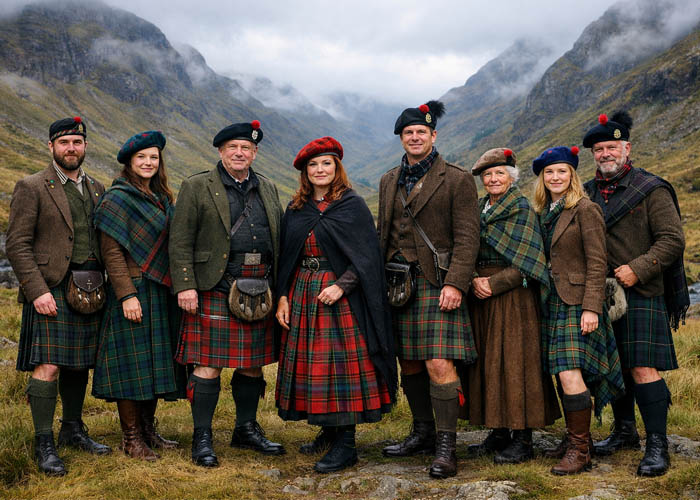
Scottish headwear represents centuries of cultural heritage and tradition. From the iconic Balmoral bonnet to the military Glengarry, these distinctive hats tell stories of clans, regiments, and Scottish identity. Whether you’re attending a Highland wedding, exploring your Scottish ancestry, or simply appreciating traditional fashion, understanding these classic caps enriches your connection to Scotland’s vibrant culture. Each style carries its own history, construction methods, and appropriate occasions for wear, making Scottish headwear a fascinating aspect of Highland dress tradition.
The Iconic Tam O’Shanter: Scotland’s Most Famous Flat Cap
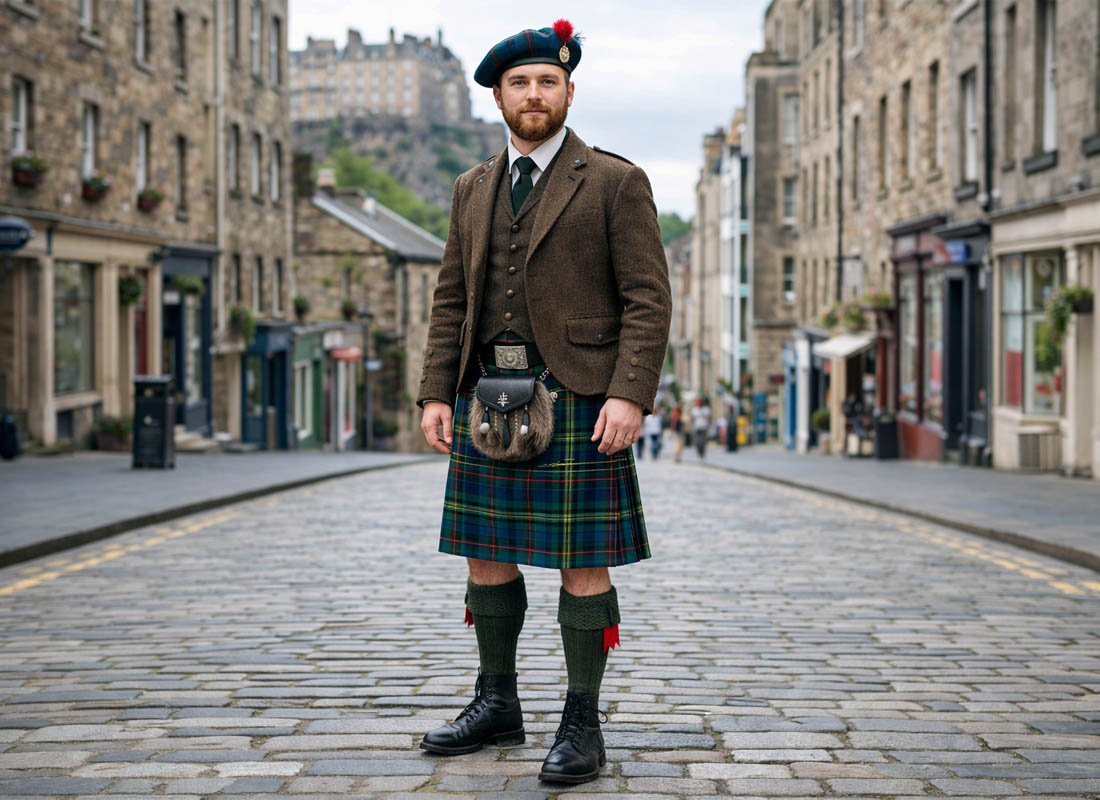
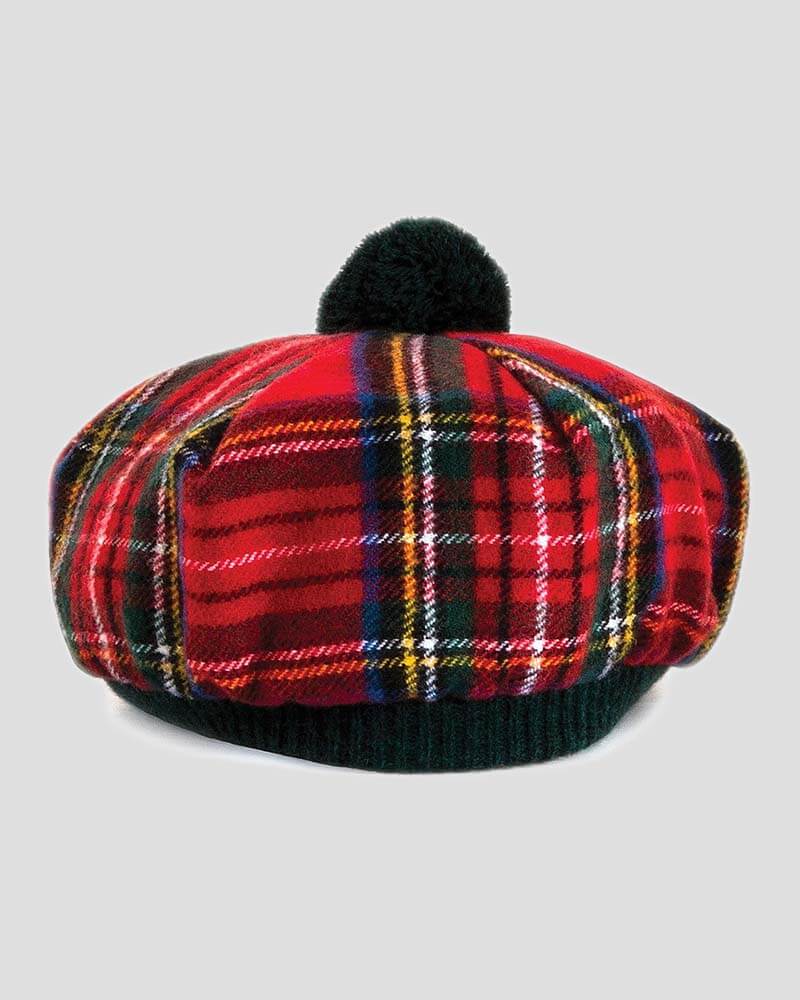
The Tam O’Shanter stands as one of Scotland’s most recognizable traditional hats. Named after the hero in Robert Burns’ famous poem, this flat, round bonnet features a distinctive pompom on top called a toorie. Originally worn by Scottish farmers and working men during the 18th century, the Tam has evolved into a symbol of Scottish pride worn at cultural events and celebrations worldwide. The traditional design includes a fitted headband with a flat, circular crown that’s often made from wool or tweed. The generous amount of fabric in the crown creates the characteristic full, round appearance that distinguishes the Tam from other flat caps.
This versatile Scottish cap comes in various colors and patterns, though traditional versions typically feature earth tones or tartan designs. Modern interpretations include both casual everyday styles and formal dress versions adorned with clan badges or military insignia. The Tam O’Shanter remains particularly popular among pipe bands, Scottish dancers, and anyone celebrating their heritage at festivals like Burns Night or St. Andrew’s Day. Its comfortable fit and practical design make it suitable for both cold weather protection and ceremonial occasions. The wool construction provides natural insulation while allowing the scalp to breathe, preventing overheating during active wear. Many wearers appreciate how the Tam can be adjusted slightly by pulling or arranging the crown fabric to achieve their preferred look and fit.
Balmoral Bonnet: The Traditional Scottish Military Cap
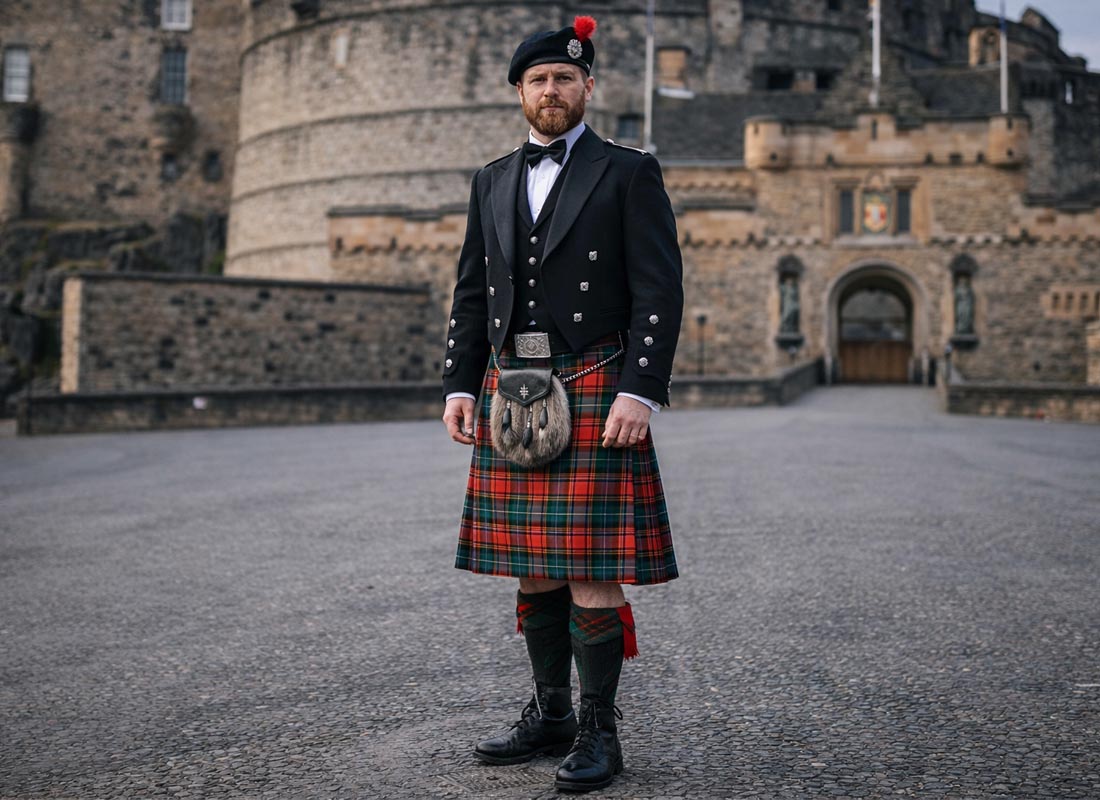
The Balmoral bonnet, also known simply as the Balmoral, represents formal Scottish military headwear with deep historical roots. This flat bonnet features a distinctive creased top with a toorie and traditionally includes a diced band around the base. Unlike the Tam O’Shanter, the Balmoral has a more structured appearance with its characteristic crease running from front to back, creating two distinctive points on either side of the crown. The crease gives the Balmoral a sharper, more formal silhouette that commands respect and attention in military and ceremonial contexts.
Scottish regiments have worn Balmorals for centuries, each regiment displaying unique tartans, badges, and ribbon arrangements. The bonnet typically features two ribbons hanging from the back, their length and style varying by regiment and rank. Civilian versions remain popular for formal Highland dress, particularly at weddings, ceilidhs, and other special occasions. The Balmoral’s sophisticated appearance makes it the preferred choice when wearing full Highland attire with a kilt and Prince Charlie jacket. When completing your Scotland kilt collection, a quality Balmoral bonnet serves as the perfect finishing touch to authentic Highland dress. Quality Balmorals are traditionally crafted from fine wool and can feature elaborate clan crests or regimental badges made from silver or white metal.
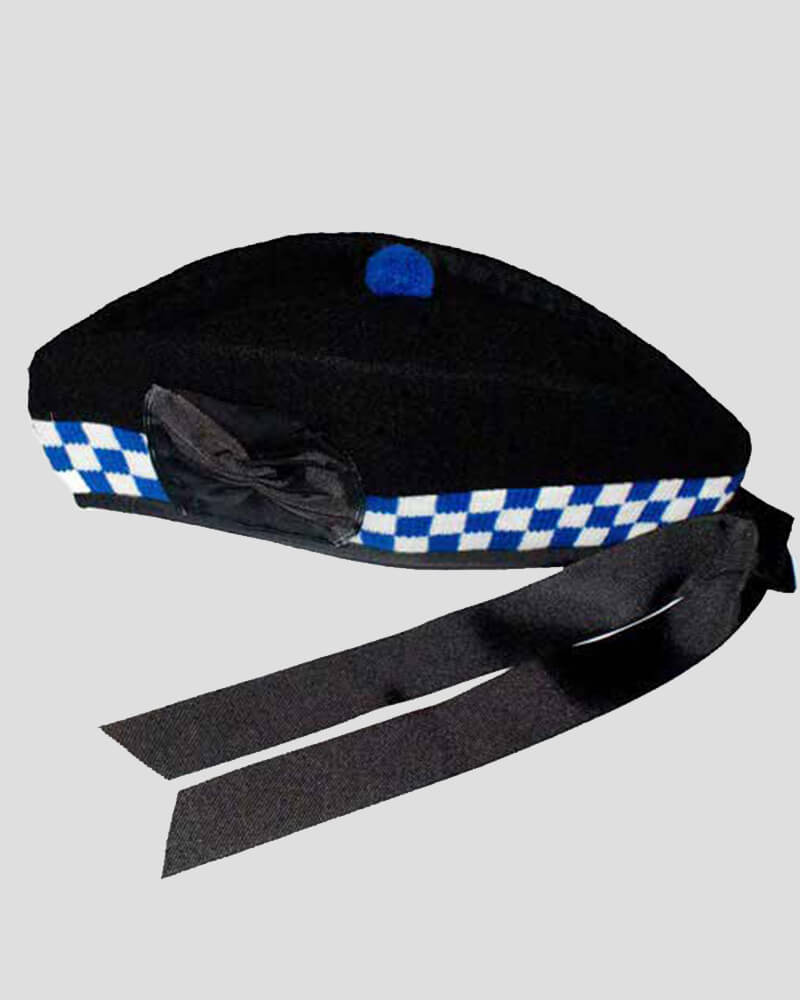
The diced band around the base of the Balmoral consists of small checkered squares, typically in black and white or regimental colors. This decorative element adds visual interest while serving as a practical headband that helps the bonnet maintain its position during wear. The ribbons at the back, known as streamers, originally served functional purposes in military contexts but now remain as traditional decorative elements. Proper Balmoral wear requires the bonnet to sit level on the head with the ribbons hanging straight down the back, creating a dignified and polished appearance suitable for the most formal Highland occasions.
Glengarry Hat: The Distinctive Boat-Shaped Scottish Cap
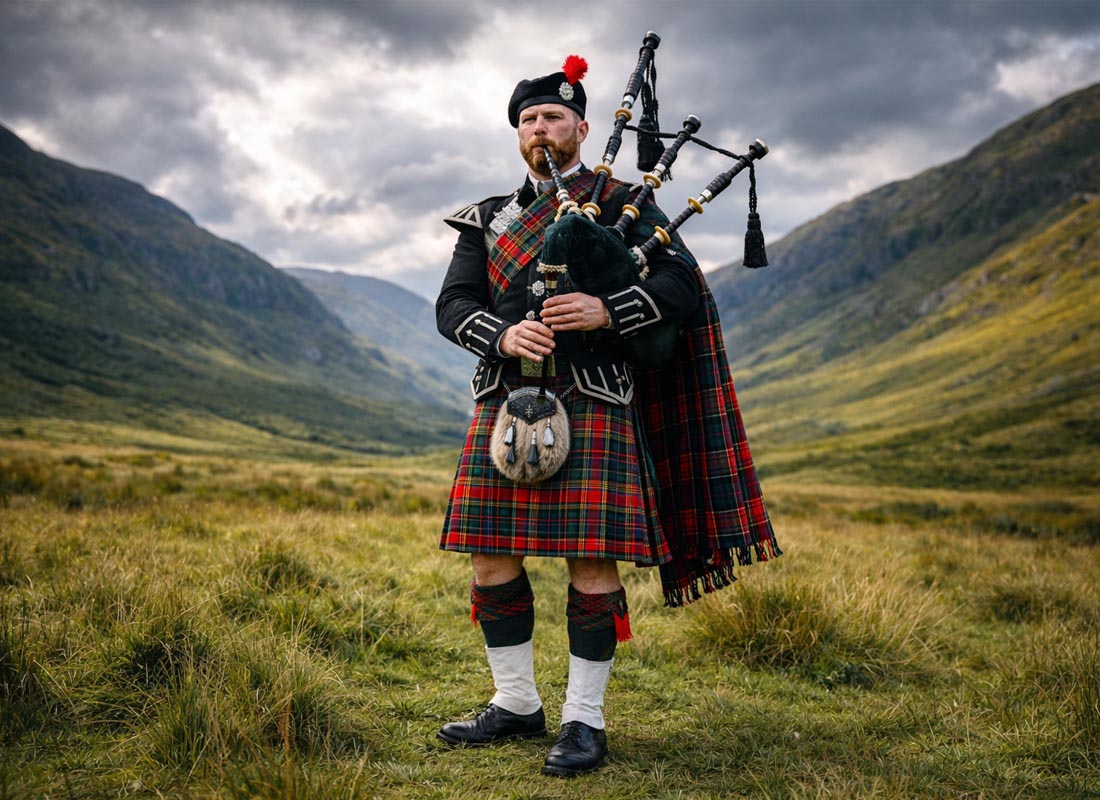
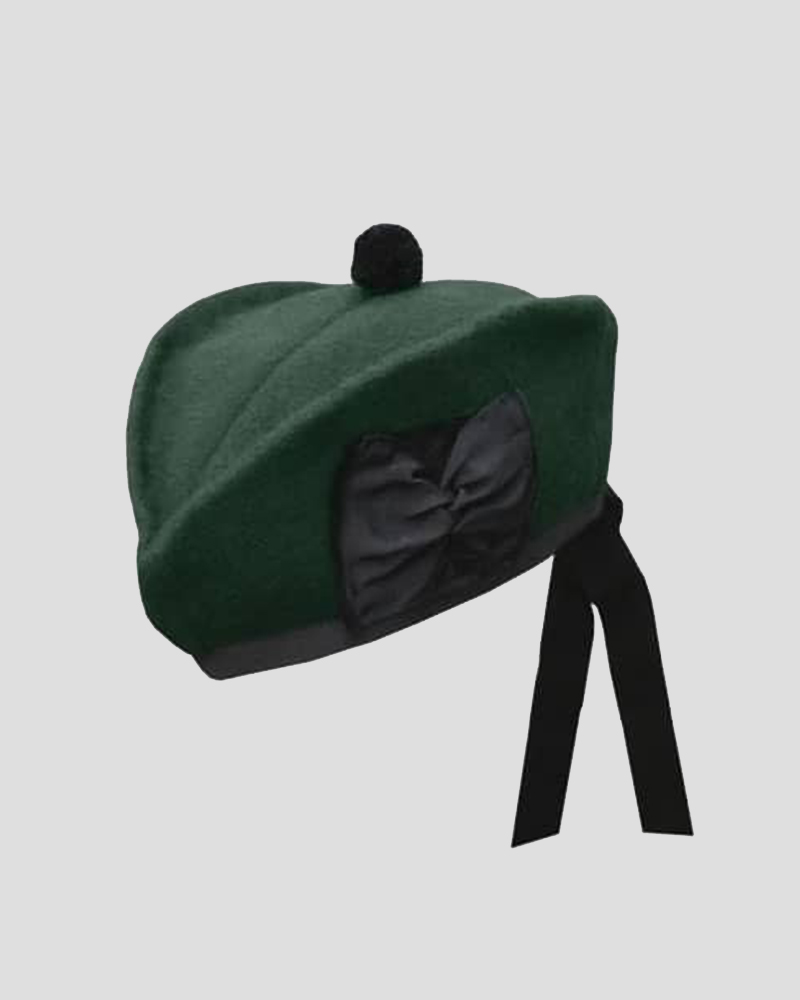
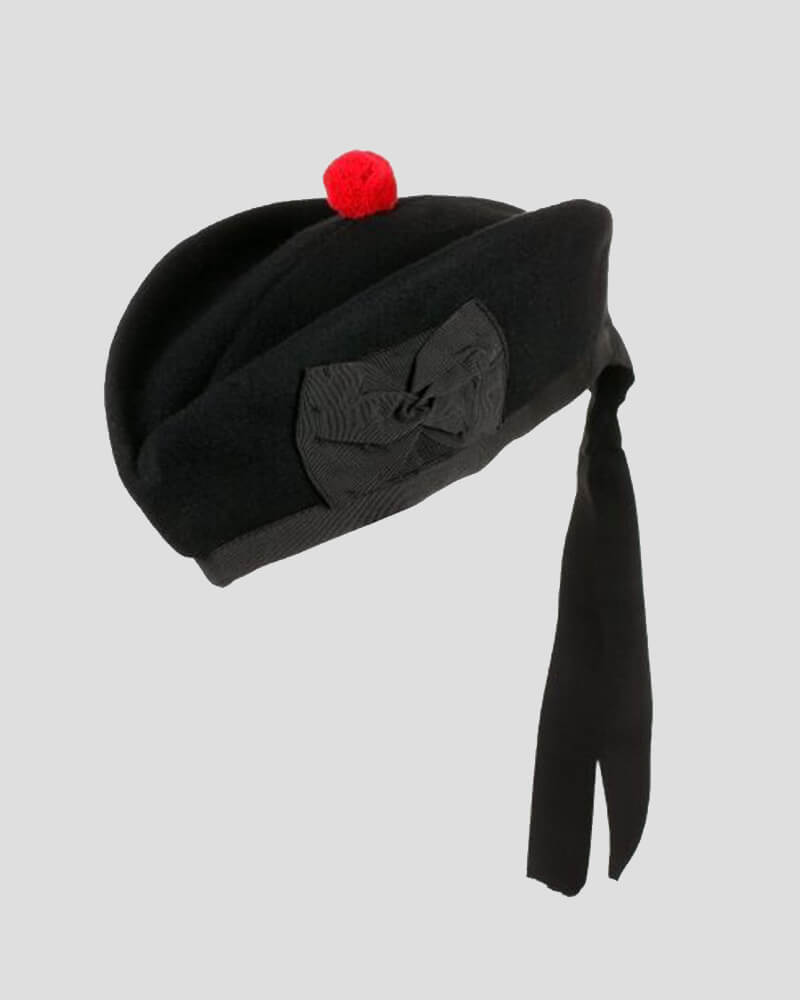
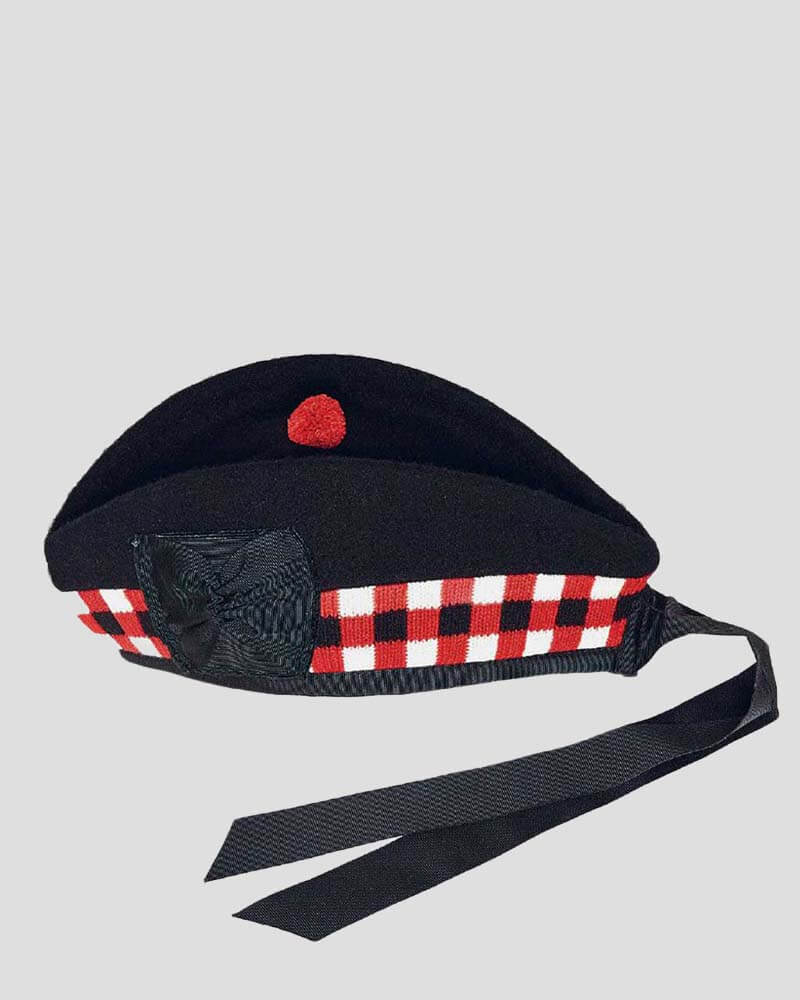
The Glengarry represents one of Scotland’s most distinctive military caps, characterized by its unique boat-shaped design and prominent toorie on top. This traditional Scottish headwear originated in the Highlands during the early 19th century and quickly became standard issue for Scottish military regiments. The Glengarry features a folded cloth construction that creates its signature pointed shape, with two ribbons streaming down the back. The distinctive silhouette makes the Glengarry instantly recognizable even from a distance, contributing to its popularity in military parades and ceremonial formations. The cap’s name comes from the Glengarry region in the Scottish Highlands, an area known for its rugged beauty and strong military traditions.
The Glengarry remains an essential component of Scottish military dress uniforms and Highland formal wear. Civilian versions are commonly worn with semiformal kilted outfits and remain popular among pipe bands and Highland dancers. The cap’s striking silhouette makes it instantly recognizable and deeply connected to Scottish military heritage. Modern Glengarries maintain traditional construction methods while incorporating contemporary materials for improved durability and comfort. The pointed crown can be worn tilted slightly to one side for a more casual appearance, though military and formal occasions require the Glengarry to sit straight and level on the head.
The construction of a Glengarry involves precise folding and stitching techniques that create its characteristic shape without relying on internal stiffeners or frames. This makes the Glengarry comfortable for extended wear while maintaining its distinctive profile. The ribbons, typically made from silk or satin, add movement and elegance to the cap’s appearance. High-quality Glengarries feature hand-stitched construction and premium wool fabrics that ensure the cap retains its shape through years of use. The badge placement on the left side allows wearers to display their clan affiliation, military unit, or organizational membership with pride.
Blue Bonnet: The Original Scottish Working Cap
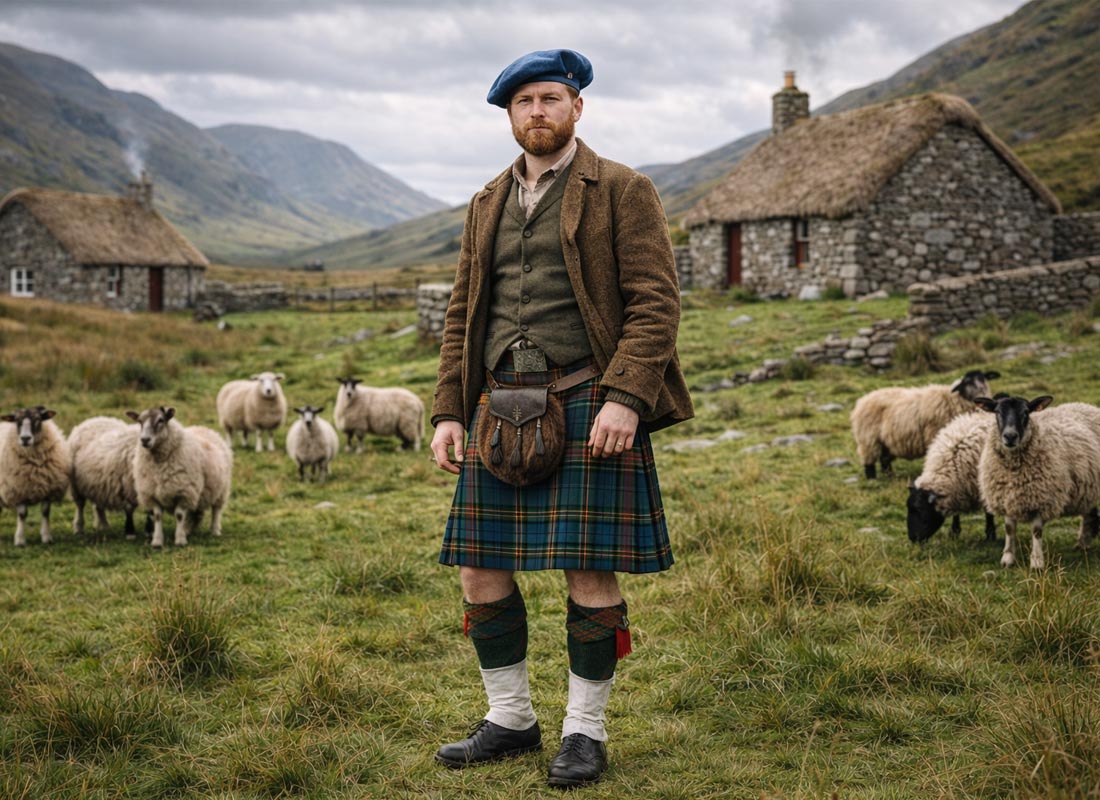
The Blue Bonnet holds historical significance as one of Scotland’s earliest forms of headwear. Dating back to at least the 16th century, this flat woolen cap got its name from the blue dye traditionally used in its production. Scottish Lowlanders and Highlanders alike wore these practical bonnets for everyday work and outdoor activities. The simple, functional design provided warmth and weather protection while allowing freedom of movement during farming, shepherding, and other labor. The blue color came from woad or indigo dyes that were readily available and colorfast, ensuring the bonnets maintained their appearance through rough use and Scottish weather.
Historical accounts describe Blue Bonnets as the common headwear of Scottish armies before more formal military caps emerged. The term “bonnie blue bonnet” appears frequently in Scottish folk songs and poetry, cementing its place in cultural memory. While less commonly worn today, the Blue Bonnet represents an important chapter in Scottish costume history and influenced the development of later bonnets like the Tam O’Shanter. Reproduction Blue Bonnets remain available for historical reenactment and those seeking authentic period headwear for Renaissance fairs or Scottish heritage events. The simple construction of the Blue Bonnet made it accessible to all social classes, contributing to its widespread adoption throughout Scotland.
The Blue Bonnet’s design varied slightly by region and time period, but generally consisted of a simple flat crown with minimal structure or decoration. Some versions included a small stem or button at the center top, while others remained completely flat. The practical nature of the Blue Bonnet made it ideal for Scotland’s working classes, who needed affordable, durable headwear that could withstand daily wear in challenging conditions. Modern reproductions attempt to capture the authentic look and feel of historical Blue Bonnets using traditional construction methods and natural dyes when possible.
Kilmarnock Bonnet: The Distinctive Tall Scottish Cap
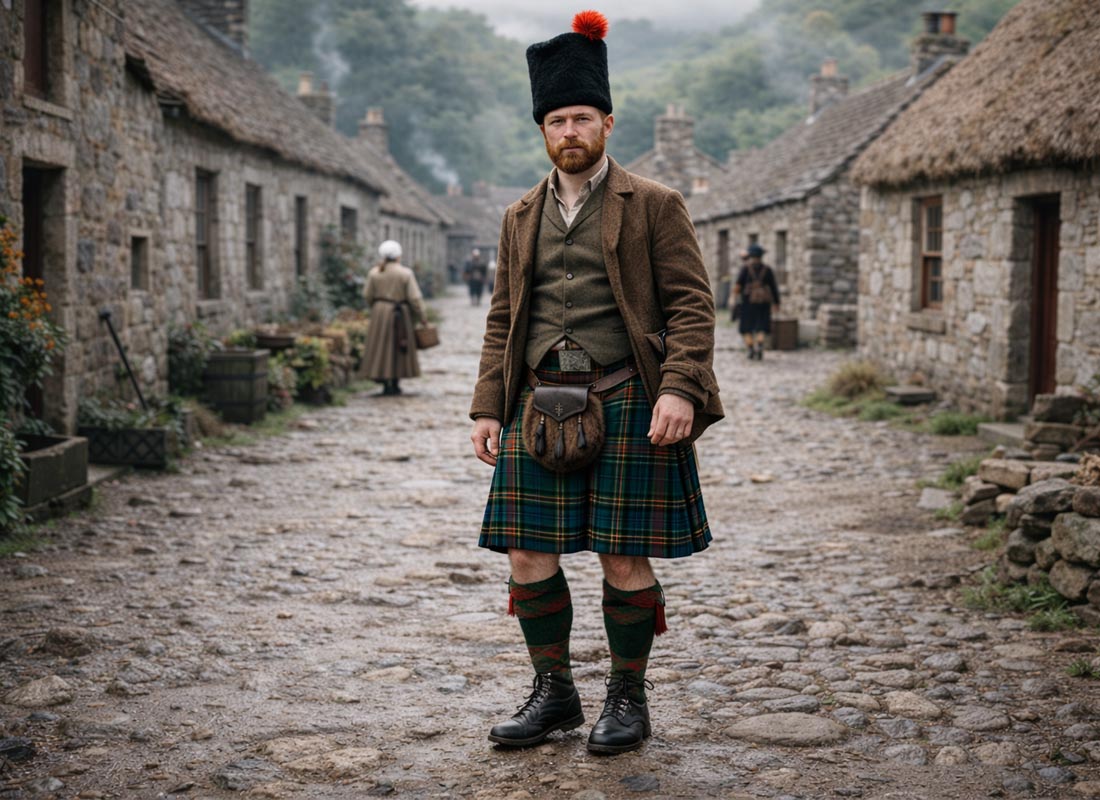
The Kilmarnock bonnet, named after the Scottish town famous for bonnet production, features a distinctive, tall, cylindrical shape that sets it apart from other Scottish caps. This traditional headwear style emerged during the 18th century and became particularly associated with Robert Burns, Scotland’s national poet, who was frequently depicted wearing one. The Kilmarnock’s height and structured form create an elegant silhouette while maintaining the practical warmth of traditional Scottish wool bonnets. The town of Kilmarnock in Ayrshire became renowned throughout Scotland and beyond for the quality of its bonnet production, with local manufacturers perfecting techniques that created superior headwear.
Unlike the flat Tam O’Shanter or creased Balmoral, the Kilmarnock rises several inches above the head with a soft, rounded crown. Many versions include a small bow or cockade on one side, adding decorative detail to the functional design. The bonnet’s substantial construction provides excellent insulation against Scottish weather while its classic appearance suits both casual and semiformal occasions. Though less commonly seen than other Scottish bonnets today, the Kilmarnock maintains devoted followers among traditionalists and those appreciating historical Scottish fashion. Quality reproductions honor the original manufacturing techniques that made Kilmarnock a renowned center for bonnet production.
The Kilmarnock bonnet’s construction requires more material and skilled workmanship than flatter bonnet styles, which historically made them slightly more expensive. However, their superior warmth and distinctive appearance justified the additional cost for many wearers. The height of the bonnet allowed for creative decoration, while the soft crown could be shaped slightly to suit individual preferences. Robert Burns’ association with the Kilmarnock bonnet has ensured its place in Scottish cultural memory, even as practical everyday wear has declined. Modern wearers choosing Kilmarnock bonnets often do so to honor this literary connection or to achieve an authentically historical appearance for special events.
Beret-Style Scottish Caps: Modern Takes on Traditional Design

Modern Scottish berets blend traditional bonnet styling with contemporary fashion sensibilities. These adaptations maintain the flat, round silhouette of classic Scottish caps while incorporating updated materials, colors, and construction methods. Many feature traditional elements like toories or clan badges alongside modern fabric blends that offer improved weather resistance and easier care. Scottish berets bridge the gap between heritage and everyday wearability, appealing to those wanting Scottish style without full formal Highland dress. The evolution of Scottish berets demonstrates how traditional designs can adapt to modern lifestyles while retaining their cultural significance.
Contemporary designers create Scottish-inspired berets in various weights suitable for different seasons and climates. Lightweight summer versions use breathable fabrics while winter styles incorporate insulated materials or fleece linings. Tartan patterns remain popular, though solid colors and modern prints also appear in current collections. These versatile caps pair well with both casual outfits and business attire, allowing wearers to express Scottish heritage in diverse settings. The beret style’s international recognition makes it an accessible entry point for those new to Scottish headwear traditions. Modern manufacturing techniques ensure consistent sizing and quality while keeping costs reasonable for everyday wear.
Fashion-forward interpretations of Scottish berets sometimes incorporate unexpected elements like leather accents, decorative pins, or contemporary embroidery designs. These innovations appeal to younger generations seeking to connect with Scottish heritage in ways that feel relevant to modern style preferences. Despite these adaptations, quality Scottish berets maintain the essential characteristics that identify them as part of Scotland’s headwear tradition. The balance between tradition and innovation ensures Scottish caps remain vibrant and relevant rather than becoming mere museum pieces or costume elements.
Choosing the Right Scottish Hat for Different Occasions
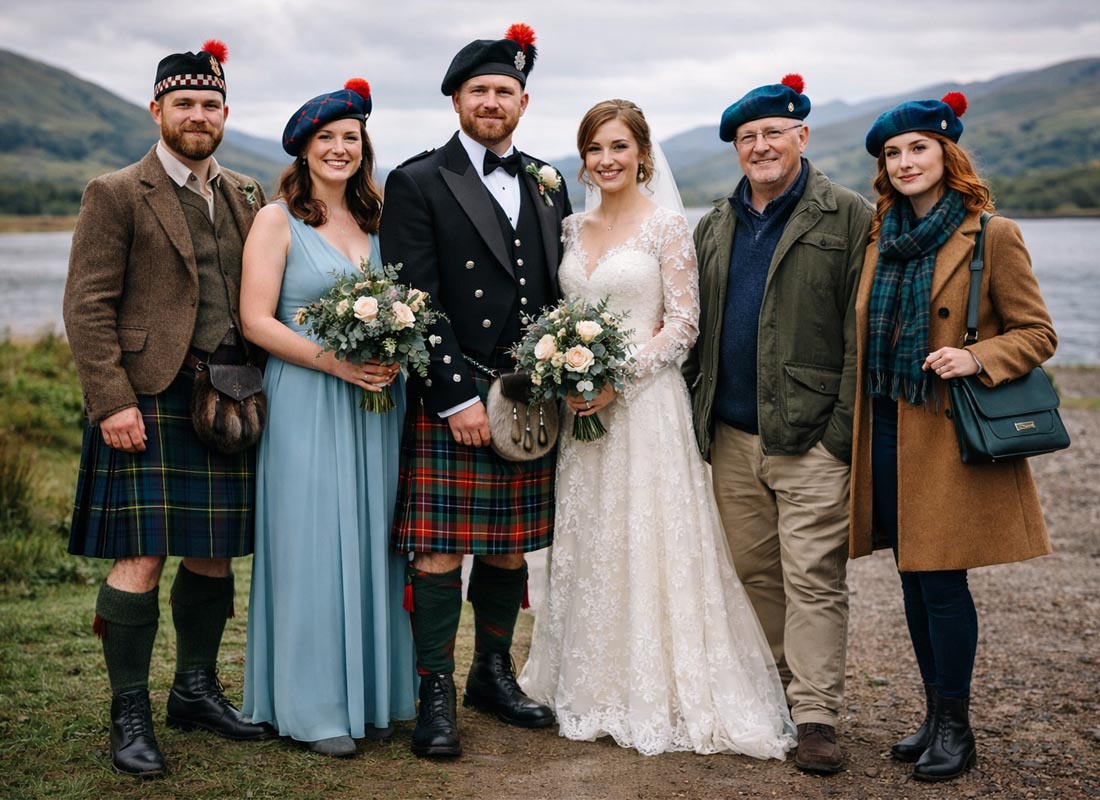
- Formal events: Balmoral bonnet with full Highland dress
- Military ceremonies: Glengarry with regimental insignia
- Casual wear: Tam O’Shanter or modern Scottish beret
- Historical reenactment: Blue Bonnet or period-appropriate style
- Pipe band performances: Glengarry or Balmoral, based on band tradition
- Highland games competition: Balmoral or Glengarr,y depending on event rules
| Hat Type | Best For | Formality |
|---|---|---|
| Tam O’Shanter | Casual wear, festivals | Informal |
| Balmoral Bonnet | Formal events, weddings | Formal |
| Glengarry | Military ceremonies | Very Formal |
| Blue Bonnet | Historical reenactment | Traditional |
| Kilmarnock Bonnet | Cultural events | Semi-formal |
| Scottish Beret | Everyday modern wear | Casual |
Understanding when to wear different Scottish caps helps honor traditions while ensuring appropriate attire for various settings. Formal Highland dress typically requires either a Balmoral bonnet ora Glengarry, depending on the occasion’s formality and whether military connections apply. These structured bonnets complement the kilt, sporran, and jacket ensemble expected at weddings, formal ceilidhs, and Highland games competitions. The choice between Balmoral and Glengarry often depends on personal preference and family or regimental traditions. Some events may have specific requirements or traditions regarding headwear, so researching beforehand ensures proper attire.
Casual Scottish events and everyday wear offer more flexibility in cap selection. The comfortable Tam O’Shanter works well for festivals, informal gatherings, and cold-weather outings. Modern Scottish berets suit professional environments where traditional bonnets might seem too formal or costume-like. When selecting any Scottish cap, consider the quality of construction, appropriateness of any clan badges or insignia, and how the style complements your overall outfit. Proper fit ensures both comfort and proper appearance, as Scottish bonnets should sit securely without excessive tightness. Trying on multiple styles and sizes helps identify which bonnet type suits your head shape and personal style preferences best.
Materials and Construction of Traditional Scottish Caps
- Premium wool for insulation and breathability
- Tweed fabric for durability and weather resistance
- Silk or satin ribbons for decoration
- Grosgrain or leather sweatbands for comfort
- Metal badges in silver or white metal
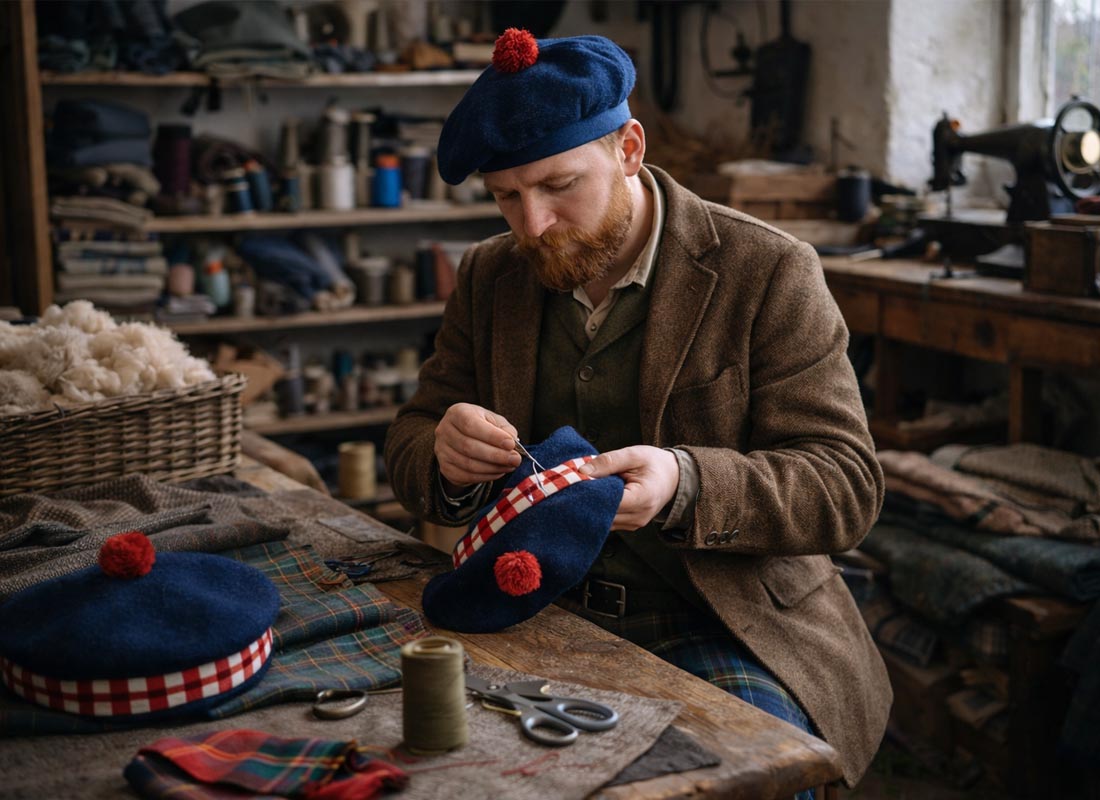
Traditional Scottish bonnets prioritize wool as the primary material, reflecting Scotland’s rich sheep farming heritage. Quality Scottish caps typically use fine wool that provides natural insulation, breathability, and moisture-wicking properties essential for Scotland’s changeable weather. Tweed, a durable woven wool fabric, appears frequently in Scottish headwear construction, offering both warmth and distinctive texture. The tightly woven nature of good tweed repels light rain while allowing air circulation, making it ideal for outdoor Highland activities. Different grades of wool affect both the bonnet’s appearance and performance, with finer wools creating smoother, more refined finishes suitable for formal wear.
Modern Scottish cap production sometimes incorporates blended fabrics that combine wool with synthetic fibers for enhanced durability and easier maintenance. These blends can offer improved shape retention and resistance to shrinkage while maintaining the traditional appearance. However, purists and those seeking authentic heritage pieces often prefer 100% wool construction. The toorie, that characteristic pompom found on many Scottish bonnets, traditionally consists of wool yarn twisted and trimmed into a spherical shape. Quality construction details include properly finished internal seams, comfortable sweatbands, and reinforced areas subject to wear. The sweatband, typically made from grosgrain ribbon or leather, prevents perspiration from staining the bonnet’s exterior fabric while providing a comfortable interface between head and cap.
Artisan bonnet makers continue traditional construction methods that involve hand-blocking, steaming, and shaping each bonnet individually. This labor-intensive process creates a superior fit and appearance compared to mass-produced alternatives. The blocking process involves stretching dampened wool over wooden forms to create the desired shape, then allowing the material to dry completely before finishing. Traditional Scottish bonnets may require dozens of individual steps from raw wool to finished product, with experienced craftspeople making critical decisions about tension, shaping, and finishing throughout the process. This attention to detail explains why quality Scottish caps command premium prices and can last decades with proper care.
Caring for Your Scottish Bonnet: Maintenance Tips
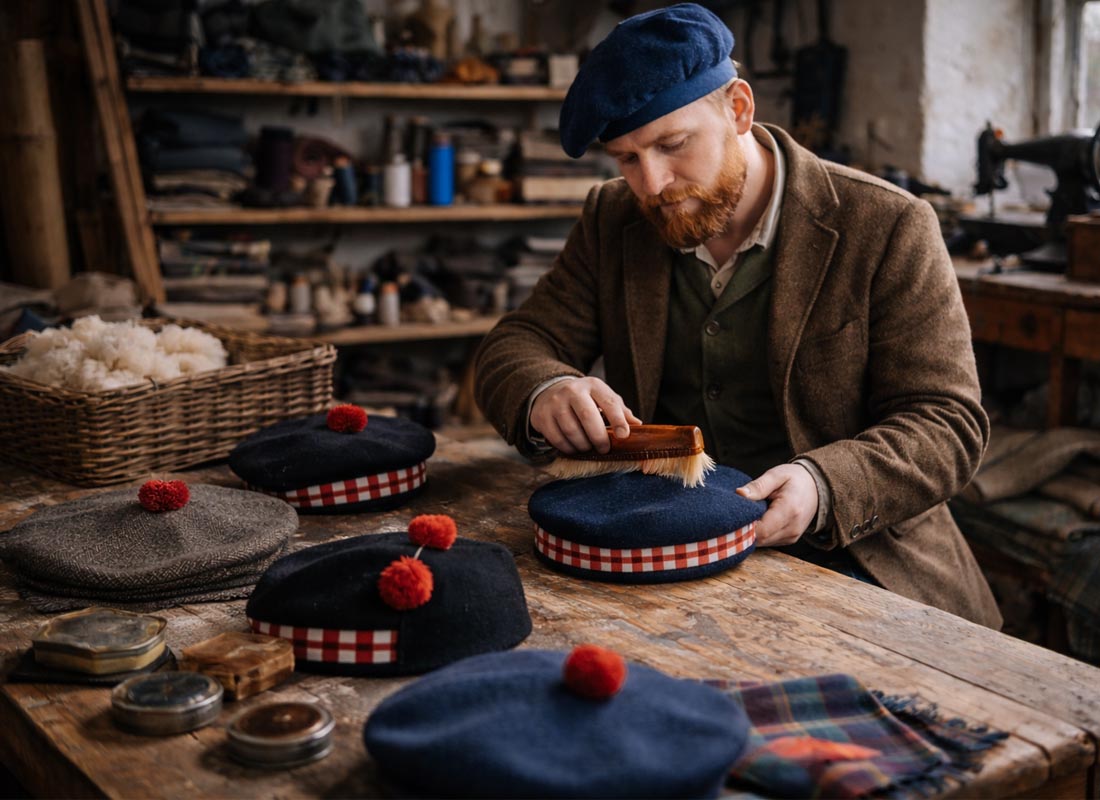
Proper care extends the life of Scottish headwear and maintains its appearance through years of wear. Wool bonnets require gentle handling to prevent shrinkage, felting, or distortion of their characteristic shapes. Most traditional Scottish caps should be dry cleaned rather than washed at home, as water and agitation can permanently damage wool fibers and alter the bonnet’s carefully constructed form. Between cleanings, regular brushing with a soft clothes brush removes surface dirt and keeps the wool fibers aligned and fresh-looking. Brushing should follow the direction of the weave and use gentle strokes to avoid disturbing the fabric structure.
Storage matters significantly for maintaining Scottish bonnet shapes. These caps should rest on proper hat stands or forms that support their structure when not being worn. Avoid hanging bonnets by any part of their construction, as this creates unwanted creases and distortions. Keep Scottish headwear in cool, dry locations away from direct sunlight, which can fade colors and weaken fibers over time. Cedar storage boxes offer natural protection against moths, which can damage wool items. If your bonnet includes metal badges or other decorative elements, periodically clean these with appropriate metal polish to prevent tarnishing and maintain their appearance. When traveling with Scottish bonnets, pack them carefully with tissue paper stuffing to maintain their shape during transport.
Minor repairs to Scottish bonnets should be handled by professional hatters or bonnet specialists who understand traditional construction methods. Attempting amateur repairs on valuable or sentimental bonnets risks causing further damage. However, simple maintenance like replacing worn sweatbands or reattaching loose ribbons can sometimes be handled at home with basic sewing skills. If a bonnet becomes wet from rain, allow it to air dry naturally on a proper form rather than using heat sources that might cause shrinkage. Wool’s natural properties allow it to shed excess moisture effectively if given time to dry properly. Regular maintenance inspection helps identify potential problems before they become serious, extending your bonnet’s functional life considerably.
The Cultural Significance of Scottish Headwear Today
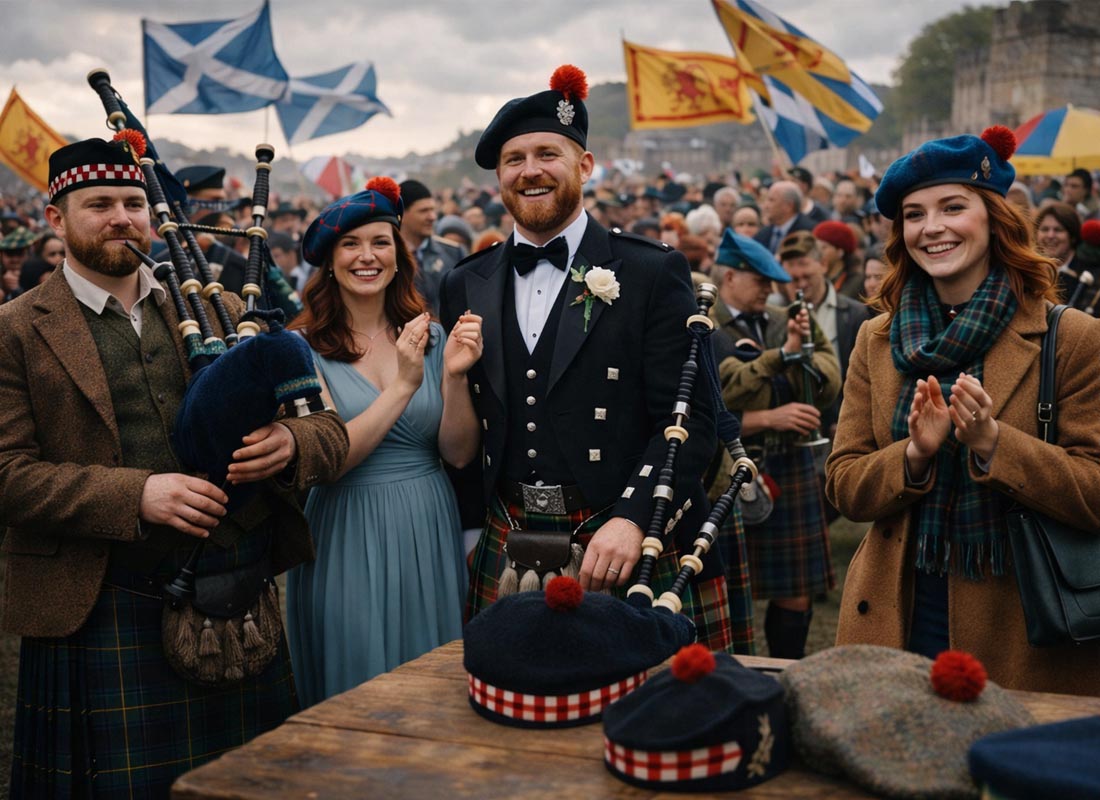
Scottish caps continue serving as powerful symbols of cultural identity and heritage in the 21st century. Beyond their practical function, these distinctive bonnets connect wearers to centuries of Scottish tradition, clan history, and national pride. Scottish diaspora communities worldwide use traditional headwear to express their ancestry and maintain connections to Highland culture. At Scottish festivals, Highland games, and cultural celebrations from Edinburgh to New Zealand, traditional bonnets remain visible reminders of Scotland’s enduring cultural influence. The sight of properly worn Scottish headwear immediately identifies fellow enthusiasts and creates connections between strangers sharing Scottish heritage.
The continued production and wearing of Scottish caps represents more than fashion or nostalgia. These traditions preserve craftsmanship skills passed down through generations of bonnet makers. Organizations dedicated to Scottish heritage encourage the appropriate wearing of traditional headwear, ensuring younger generations understand the history and significance behind each style. Military regiments maintain strict standards for their bonnets, honoring the sacrifices and achievements of Scottish soldiers throughout history. Even as fashion evolves, Scottish headwear adapts while retaining essential traditional elements that make these caps instantly recognizable worldwide. Educational programs and museum exhibits help preserve knowledge about traditional bonnet construction and wearing customs.
Where to Buy Authentic Scottish Hats and Caps
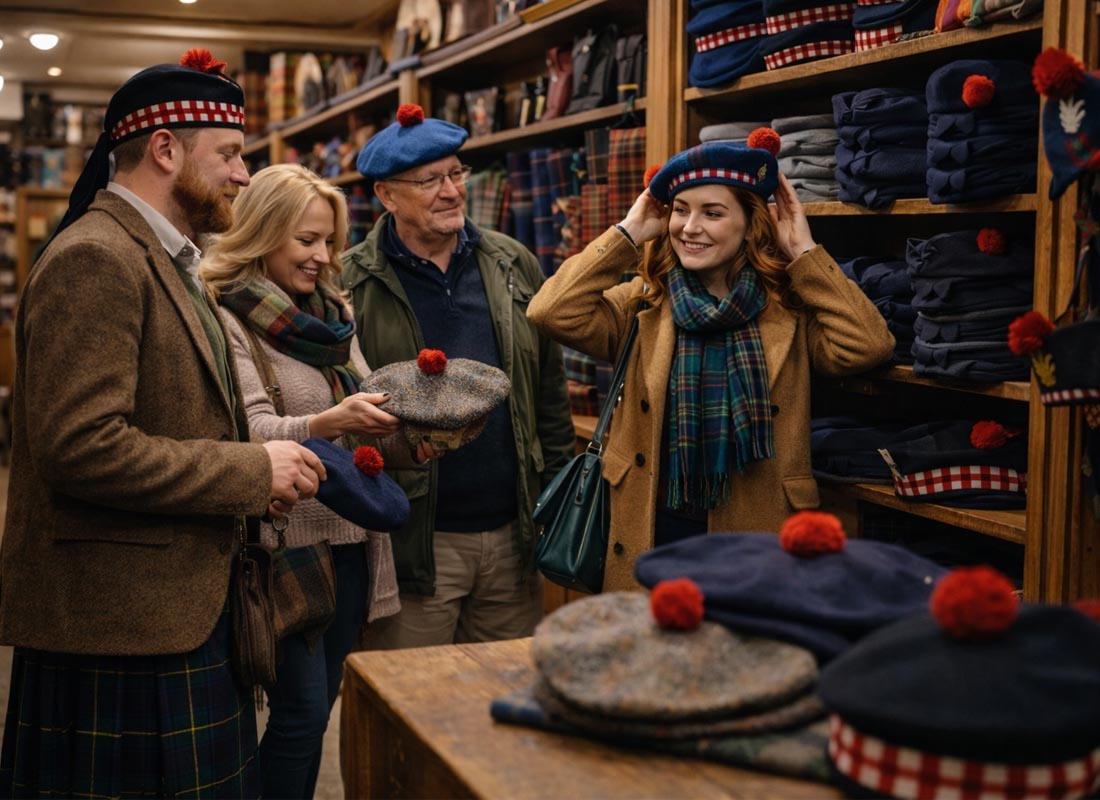
Finding quality Scottish headwear requires knowing where to look for authentic, well-constructed pieces. Specialized Highland wear retailers offer the widest selection of traditional bonnets with expert fitting services and knowledge about proper wear. These shops typically carry multiple styles, including Balmorals, Glengarries, and Tam O’Shanters in various sizes, colors, and quality levels. Many retailers offering Scotland kilt collection also stock comprehensive ranges of traditional bonnets and caps to complete your Highland outfit. Highland wear stores also provide customization services, adding clan badges, family crests, or military insignia to personalize your bonnet. Experienced staff can advise on appropriate styles for specific occasions and help ensure proper fit for maximum comfort and appearance.
Online retailers have expanded access to Scottish caps for those without local Highland wear shops. Reputable websites specializing in Scottish attire offer detailed sizing guides, photographs showing construction quality, and customer reviews, helping buyers make informed decisions. When purchasing Scottish headwear online, verify the seller’s reputation and return policies, as proper fit proves crucial for comfort and appearance. Scottish heritage organizations and clan societies sometimes maintain lists of recommended suppliers known for authentic, quality products. Visiting Scotland provides opportunities to purchase directly from manufacturers and specialty shops, ensuring authenticity while supporting Scottish craftspeople and businesses, and maintaining these traditional skills.
Antique and vintage Scottish bonnets occasionally appear at estate sales, antique shops, and online auction sites. These pieces offer authentic historical examples and can be treasured additions to collections or worn for special occasions. However, buyers should carefully assess the condition, as older bonnets may show wear or require professional restoration. Reproduction of historical bonnets from reputable makers provides alternatives for those wanting period-accurate headwear without the risks associated with vintage pieces. Many Scottish heritage festivals and Highland games feature vendors selling traditional headwear, offering opportunities to examine pieces in person and support artisans directly. Building relationships with quality suppliers ensures access to expert advice and high-quality Scottish caps for years to come.

Final Thoughts: Embracing Scottish Heritage Through Traditional Headwear

Scottish hats and caps represent far more than simple accessories or costume pieces. They embody centuries of tradition, craftsmanship, and cultural pride that continue to resonate with people worldwide. Whether you’re of Scottish descent, exploring your ancestry, a Highland dress enthusiast, or simply someone who appreciates quality traditional headwear, understanding these distinctive caps enriches your connection to Scotland’s remarkable heritage. Each bonnet style carries its own story, from the working-class origins of the Blue Bonnet to the military precision of the Glengarry, creating a rich tapestry of Scottish cultural expression.
Choosing and wearing Scottish headwear properly demonstrates respect for these traditions while keeping them alive for future generations. Taking time to learn about different styles, their appropriate occasions, and proper care methods ensures these beautiful pieces remain functional and meaningful rather than becoming mere novelties. The continued demand for quality Scottish bonnets supports craftspeople maintaining traditional skills and keeps Scotland’s bonnet-making heritage vibrant and economically viable. Every properly worn Scottish cap serves as a visible reminder of Scotland’s enduring cultural influence and the pride people feel in their Scottish connections.
As you explore the world of Scottish headwear, remember that authenticity and quality matter. Investing in well-constructed bonnets from reputable makers ensures satisfaction, durability, and appropriate representation of Scottish tradition. Whether you choose a classic Balmoral for formal occasions, a comfortable Tam O’Shanter for everyday wear, or a distinctive Glengarry for special events, your Scottish cap becomes part of your personal connection to Highland culture. Wear your chosen bonnet with pride, understanding, and appreciation for the generations of Scots who have worn similar headwear before you. Through continuing these traditions, we honor the past while ensuring Scottish heritage remains dynamic and relevant in the modern world.