
Blog
How Do I Find My Irish Clan Tartan? A Complete Guide

Discovering your Irish clan tartan is more than just finding a pattern; it’s about connecting with centuries of heritage, tradition, and cultural identity. Unlike Scottish tartans, which are deeply rooted in clan systems, Irish tartans follow a unique path that reflects Ireland’s distinct history and regional diversity. Whether you’re planning to attend a cultural event, researching your ancestry, or simply want to honor your heritage, understanding how to find your Irish tartan opens doors to a rich Celtic legacy. This comprehensive guide will walk you through every step of the journey, from understanding the fundamental differences between Irish and Scottish tartans to using modern DNA technology to trace your roots.
Understanding Irish Tartans: The Foundation
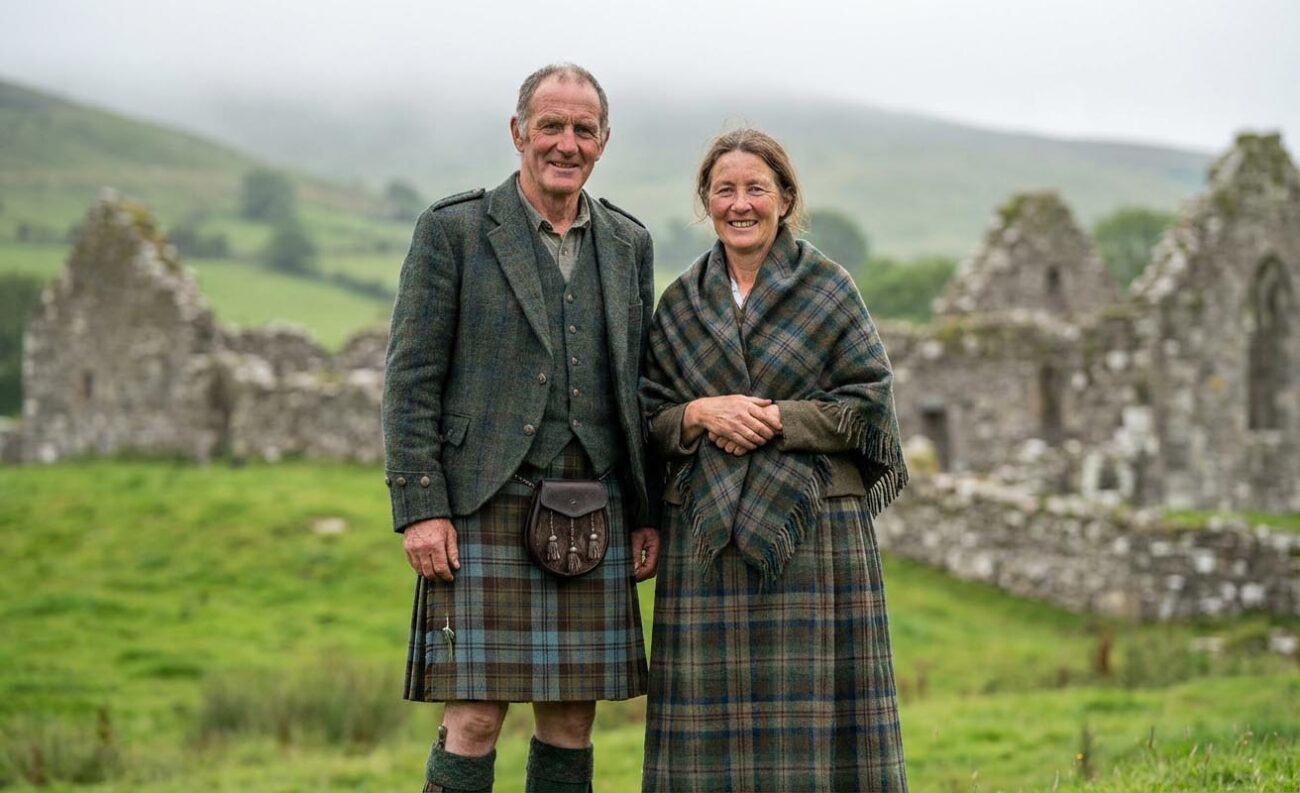
Irish tartans differ significantly from their Scottish counterparts in both origin and meaning. While Scottish tartans represent specific clans and family surnames passed down through generations, Irish tartans primarily represent counties, districts, and provinces rather than family lineages. This fundamental difference stems from Ireland’s historical development, where the clan system evolved differently from that in Scotland. The majority of Irish tartans were created relatively recently, with the House of Edgar designing tartans for Ireland’s 32 counties in 1996 to meet growing demand from the Irish diaspora. These district tartans, though not officially recognized by Irish counties, have been widely embraced by people of Irish descent worldwide as symbols of their Celtic heritage and connection to specific geographic regions of Ireland.
The concept of wearing tartan in Ireland gained momentum during the late 19th and early 20th centuries as a symbol of Gaelic identity and Irish nationalism. The Irish National Tartan emerged during this period, featuring green, black, white, and yellow colors that represent Ireland’s landscape, history, peace, and hope for the future. Unlike Scotland, where tartan wearing has ancient roots, Irish tartan tradition is a modern revival of Celtic culture. Only a handful of Irish family names have dedicated tartans, including O’Neill, Murphy, Kelly, Fitzpatrick, Lynch, Doyle, and Maguire. For most Irish surnames, the ancestral county or province tartan serves as the primary connection to heritage. This geographic-based system makes the search for your Irish tartan both straightforward and meaningful, as it ties you directly to the land where your ancestors lived.
Starting Your Search: Family History Research
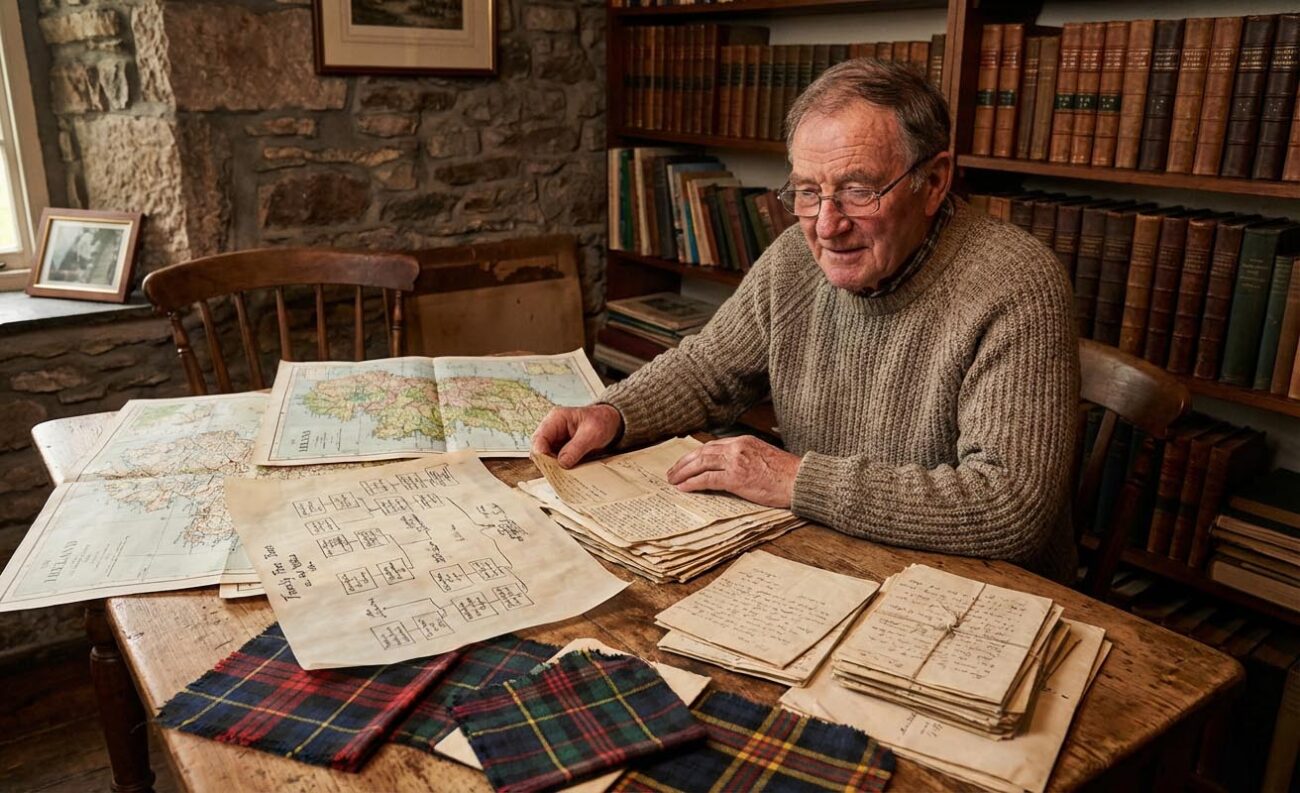
The foundation of finding your Irish clan tartan begins with thorough family history research. Begin by gathering information from your immediate family members, particularly older relatives who often possess invaluable knowledge about ancestral origins. Ask specific questions about the counties where your great-grandparents and earlier generations were born, lived, and worked. Document family stories, immigration records, and any existing genealogical information that might reveal regional connections. Even small details like the names of parishes, townlands, or villages can provide crucial clues to your ancestral county. Create a family tree that extends back at least three to four generations, noting not just names and dates but also locations and any family traditions related to Ireland.
Beyond verbal family histories, examine physical evidence that might exist in your home or extended family. Look for old documents, letters, birth certificates, marriage records, or immigration papers that mention specific Irish locations. Many families possess baptismal records, land deeds, or military service documents that identify ancestral counties. If your family has photographs, examine them carefully for clues about regional dress, occupations, or background details. Don’t overlook family Bibles, which often contain handwritten genealogical records. Interview multiple family members separately to cross-reference information and fill in gaps. Some relatives may remember different details or possess unique documents. This groundwork creates a solid foundation for identifying which county or province tartan connects to your heritage, making the subsequent steps more targeted and meaningful.
Using Online Tartan Finders and Databases

- Enter your surname into online tartan finder tools like those offered by USA Kilts, Scotland Shop, or Clan Central
- Check if your surname corresponds to one of the limited Irish family tartans available
- Search for your ancestral county or province if no family tartan exists
- Review tartan variations, including Ancient, Modern, Weathered, Hunting, and Dress styles
- Consider universal Irish tartans like the Irish National or Irish American tartans
Modern technology has made searching for Irish tartans remarkably accessible through specialized online databases and finder tools. These platforms enable you to search by surname, county, or even color preferences to find suitable tartans that reflect your heritage. When you enter your surname into a tartan finder, the system will indicate whether a specific family tartan exists or suggest county and district alternatives. Most finder tools provide visual swatches showing the tartan pattern, along with historical information about its origins and significance. Some databases, like the Scottish Register of Tartans, include both Scottish and Irish designs with detailed threadcount information and registration dates. These resources typically offer filtering options to narrow results by location, name variations, or tartan type, making it easier to find exactly what you’re looking for.
Several reputable tartan finder websites serve as essential resources in your search. Scotland Kilt Collection stands out as a premier destination for authentic Irish and Scottish tartans, offering extensive customization options and expert guidance in selecting the right tartan for your heritage. USA Kilts Tartan Gallery displays stock tartans from Scottish, English, and Welsh mills, including Irish options, and can source rare designs or arrange custom weaving for specific patterns not currently in production. Scotland Shop’s Irish tartan section provides comprehensive filtering tools to browse by product type and style variations. Plaidwerx offers an extensive tartan finder focused on connecting surnames to appropriate patterns, including Irish county and surname tartans with links to product selections. The Scottish Register of Tartans serves as the official repository for registered tartan designs, including Irish patterns, providing threadcount specifications and design histories. When using these tools, remember that spelling variations of your surname may yield different results, so try multiple variations and consider maiden names from both sides of your family to expand your options.
DNA Testing for Ancestral Verification

DNA testing has revolutionized how people discover and verify their Irish ancestry, providing scientific evidence to complement traditional genealogical research. Autosomal DNA tests from companies like AncestryDNA, 23andMe, MyHeritage, Living DNA, and FamilyTreeDNA can reveal what percentage of your genetic makeup is Irish and potentially identify specific regions within Ireland where your ancestors lived. These tests analyze hundreds of thousands of genetic markers and compare them against reference populations with known Irish ancestry. The results often include ethnicity breakdowns showing connections to specific Irish counties or provinces, which directly inform your tartan selection. Beyond ethnicity estimates, DNA testing connects you with genetic relatives who share common ancestors, creating opportunities to collaborate on family tree research and verify ancestral locations through multiple family lines.
Different types of DNA tests serve specific purposes in Irish ancestral research. Y-DNA testing traces the direct paternal line through male-only lineage, making it particularly useful for surname studies and connecting with others who share your patrilineal Irish heritage. This test can link you to specific clans or family groups in Ireland. Mitochondrial DNA testing follows the maternal line, though it’s more challenging for surname research since surnames typically pass through male lines. Autosomal DNA testing examines genetic segments from all ancestral lines, providing the broadest overview of your Irish heritage and identifying DNA matches from various branches of your family tree. Companies like Irish Origins specialize in analyzing DNA results specifically for Irish connections, examining Y-DNA and mtDNA matches to determine exactly where maternal and paternal ancestors lived in Ireland. The Irish DNA Atlas project at RCSI provides population-specific genetic research that helps contextualize individual results within Ireland’s genetic landscape.
When interpreting DNA results for tartan selection, focus on the geographic specificity provided. If your test reveals high percentages of ancestry from specific Irish regions like Munster, Leinster, Ulster, or Connacht, you can choose the corresponding provincial tartan. Many tests now identify connections to particular counties, such as Cork, Kerry, Dublin, or Galway, allowing for even more precise tartan selection. Genetic groups or communities identified in your results often correspond to specific geographic areas where multiple generations of your ancestors lived. These findings can confirm family oral histories or reveal unexpected connections. Use DNA matches to expand your research by comparing family trees with genetic relatives and identifying shared ancestral locations. The combination of DNA evidence and traditional records creates the strongest foundation for confidently selecting your Irish clan tartan.
County and Provincial Tartans Explained

Ireland’s tartan system centers on geographic representation through county and provincial patterns. The four historic provinces of Ireland each have distinctive tartans: Ulster, Munster, Leinster, and Connacht. These provincial tartans represent broad regions encompassing multiple counties and serve as appropriate choices when your ancestry spans several counties within a province. Each of the 32 traditional counties of Ireland also has its own unique tartan designed to represent that specific geographic area. County tartans work particularly well when your research identifies a specific ancestral county, such as County Cork, County Mayo, or County Antrim. The designs typically incorporate colors and patterns meant to evoke the landscape, history, and character of each region, though these connections are artistic rather than historically prescribed.
Understanding tartan variations helps you make informed choices about which version best suits your purposes. Ancient tartans use softer, more muted colors reminiscent of natural vegetable and animal dyes used before 1860, featuring mossy greens, sky blues, and orangey reds with greater color contrast. Modern tartans employ chemical dyes introduced after 1860, producing bolder, stronger colors like bottle green, navy blue, and scarlet red. Weathered or Muted tartans simulate the appearance of tartans subjected to wind, rain, and sunshine, featuring faded tones with olive greens, browns, light blues, and pinkish reds. Hunting tartans serve as camouflage versions with predominantly green or brown colors, though not all tartans have hunting variations if they’re already suited to outdoor environments. Dress tartans feature white as the main color or additional white elements, creating brighter, more formal appearances suitable for celebrations and Highland dance. Each variation maintains the same basic pattern or set while adjusting the color palette for different aesthetic effects and occasions.
Special Irish Family Tartans
- Murphy: One of Ireland’s most common surnames with established tartan patterns
- O’Neill: Ancient noble name from Ulster with multiple tartan variations
- Kelly: Widespread Irish surname with recognized tartan design
- Fitzpatrick: Unique among Irish names with two registered tartans
- Lynch: Galway-based family with a designated tartan pattern
- Doyle: Common in Leinster with a specific tartan design
- Maguire: Ulster family with established tartan heritage
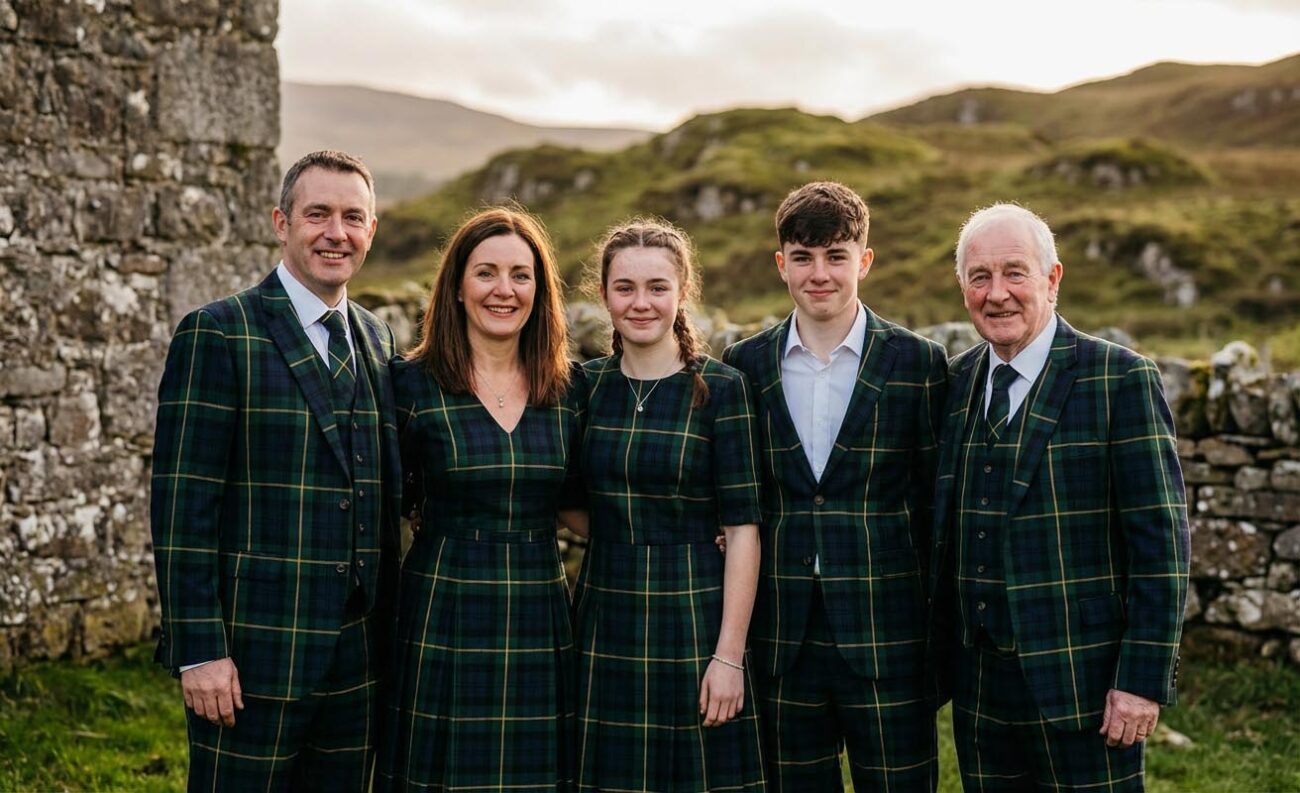
While most Irish heritage connects to county tartans, approximately forty Irish surnames now have dedicated family tartans designed by Scottish mills. These surname tartans emerged from demand by Irish diaspora communities, particularly in North America, who sought family-specific patterns similar to Scottish clan tartans. Unlike Scottish clan tartans with centuries of history, Irish surname tartans are modern creations typically dating from the late 20th and early 21st centuries. Despite their recent origins, these tartans have gained acceptance and are worn with pride by descendants of these families worldwide. Having a surname tartan provides a more personal connection than county tartans, allowing you to represent your specific family line rather than just a geographic region.
If your surname has a dedicated Irish tartan, you have the choice between wearing the family tartan or the county tartan of your ancestors. Many people choose to honor both by wearing the surname tartan for formal occasions and family gatherings while using county tartans for regional celebrations or when representing broader Irish heritage. Some families without surname tartans have commissioned custom designs that incorporate elements from multiple ancestral branches or blend colors from different county tartans. When searching for surname tartans, check for spelling variations, as Irish names often have multiple accepted spellings. If you have Irish ancestry through multiple family lines, consider which surname holds the most significance to you or alternate between different tartans for various occasions. The flexibility of Irish tartan tradition allows for creative and personal interpretations of heritage.
Universal and Alternative Tartans
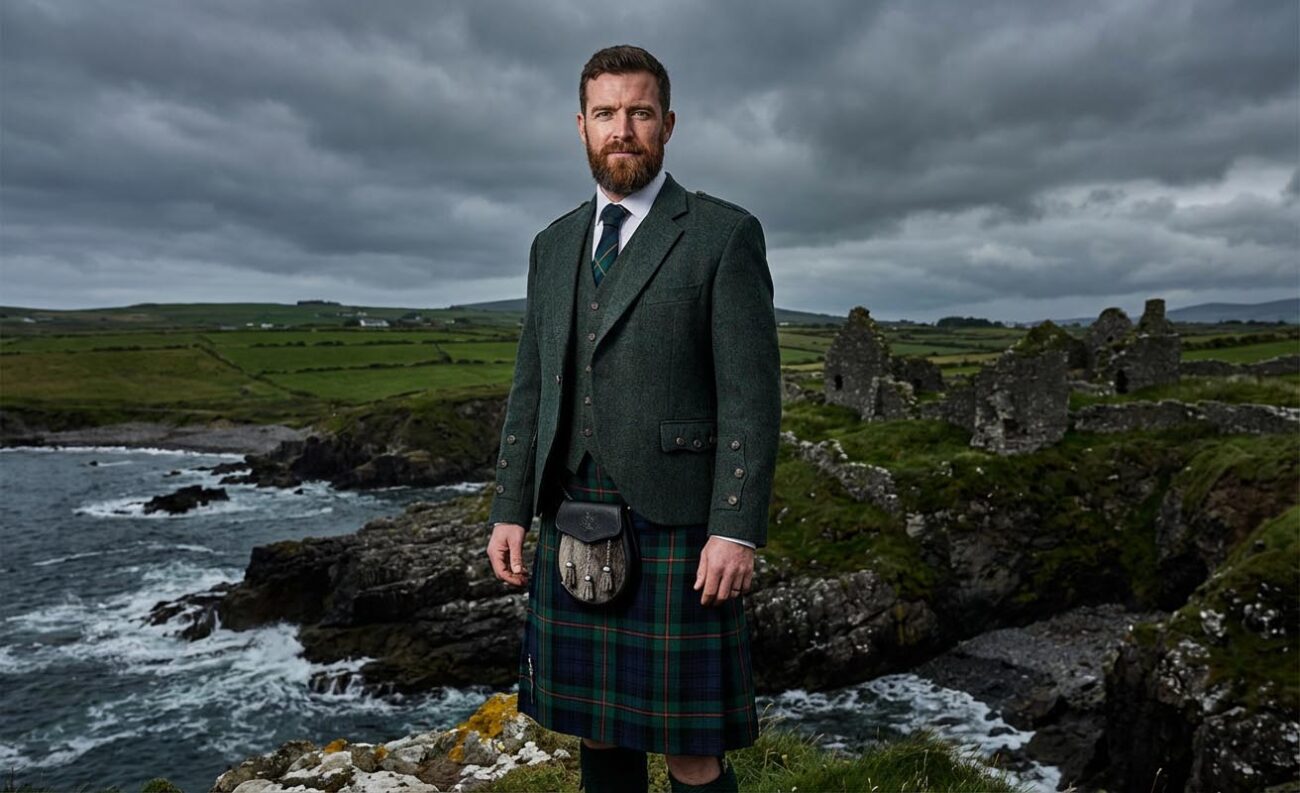
When specific county or surname connections prove difficult to establish, several universal Irish tartans offer meaningful alternatives. The Irish National Tartan serves as the most widely recognized symbol of Irish identity, appropriate for anyone claiming Irish heritage regardless of specific regional or family connections. Its green, black, white, and yellow colors represent Ireland’s landscape, history, peace, and future hope. The Irish American Tartan was designed specifically for Americans of Irish descent, acknowledging the unique cultural identity developed by the Irish diaspora in the United States. This tartan honors the journey and experiences of Irish immigrants and their descendants. Additionally, Ulster Tartan and Ulster Red provide options based on archaeological finds from Dungiven, offering a rare link to historical Irish tartan wearing. All-Ireland tartans serve as catch-all designs suitable for anyone with Irish heritage.
If you cannot trace specific Irish county origins, you have several acceptable approaches to tartan selection. Choose the Irish National Tartan as a universal symbol of Irish heritage that requires no specific regional connection. Select based on grandparents’ maiden names if direct lineage proves unclear, as Irish heritage often comes through maternal or other family lines. Pick a tartan whose colors and design personally appeal to you, as aesthetic preference is a valid criterion in the absence of definitive ancestral data. Consider your partner’s or spouse’s Irish heritage if you have connections through marriage or shared family. Some people design personal tartans combining elements from multiple ancestral branches, creating unique patterns that tell their specific family story. The Scottish and Irish tartan communities generally accept that cultural connection and appreciation matter more than strict genealogical proof, especially for diaspora communities separated from Ireland by multiple generations.
Verifying and Registering Your Connection
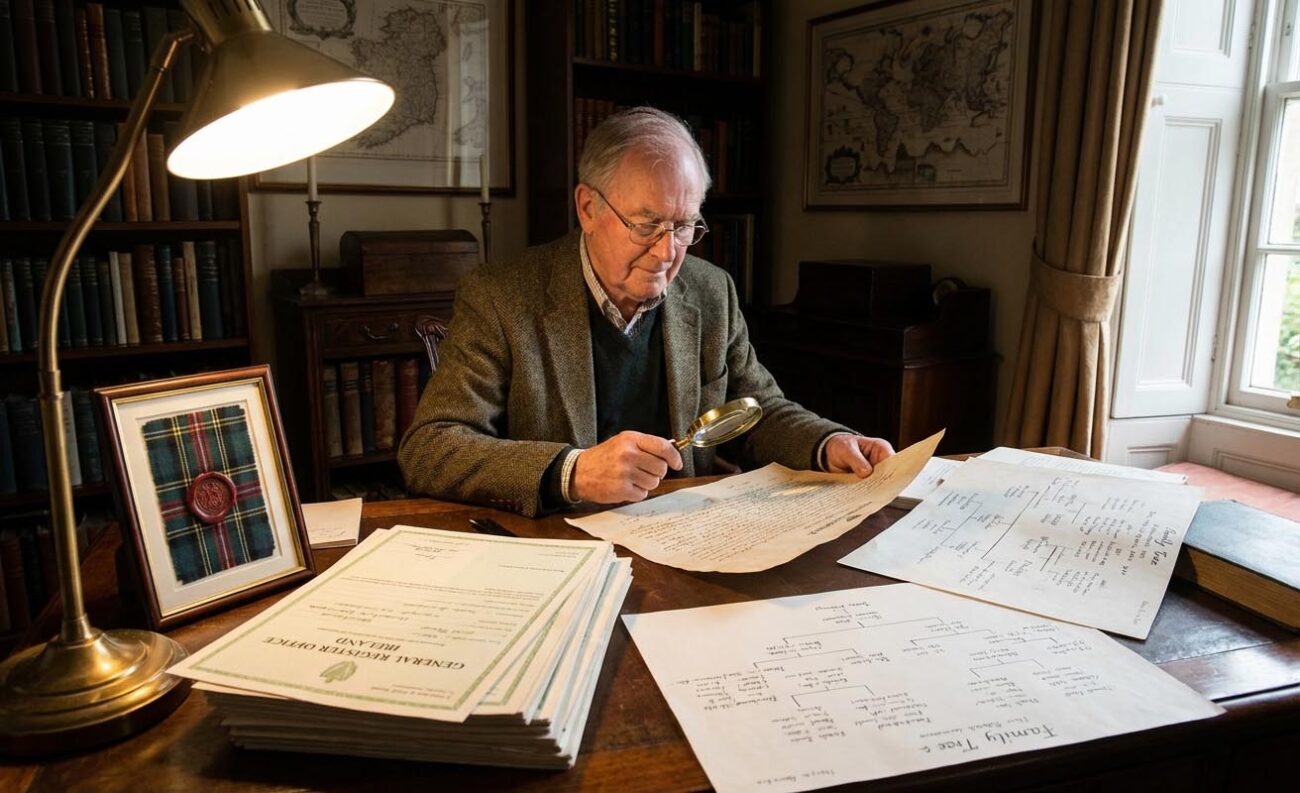
Once you’ve identified a potential tartan, verify your connection through multiple sources to ensure accuracy and authenticity. Cross-reference family oral histories with official records like birth certificates, census data, parish registers, and immigration documents. Irish civil registration of births, marriages, and deaths began in 1864, providing verifiable records for many family connections. Census records from 1901 and 1911 are available online through the National Archives of Ireland, offering detailed information about family locations and compositions. Parish registers, particularly Catholic records, often extend back to the 18th or early 19th century in many areas. Land records, including Griffith’s Valuation and the Tithe Applotment Books, identify where families lived and worked in the 19th century.
Consult with genealogy experts or join Irish heritage organizations to validate your research. The Genealogical Society of Ireland, county heritage centers throughout Ireland, and specialized Irish genealogy websites offer resources and expert assistance. Many local Irish cultural centers and clan societies in diaspora communities guide tartan selection and heritage verification. If you’re seriously committed to documenting your connection, consider working with a professional genealogist who specializes in Irish records. These experts navigate the complexities of Irish record-keeping, including gaps from the 1922 destruction of the Public Record Office during the Irish Civil War. Online communities and forums dedicated to Irish genealogy can connect you with others researching the same surnames or counties, potentially revealing shared ancestors or confirming ancestral locations.
Attending Cultural Events and Festivals
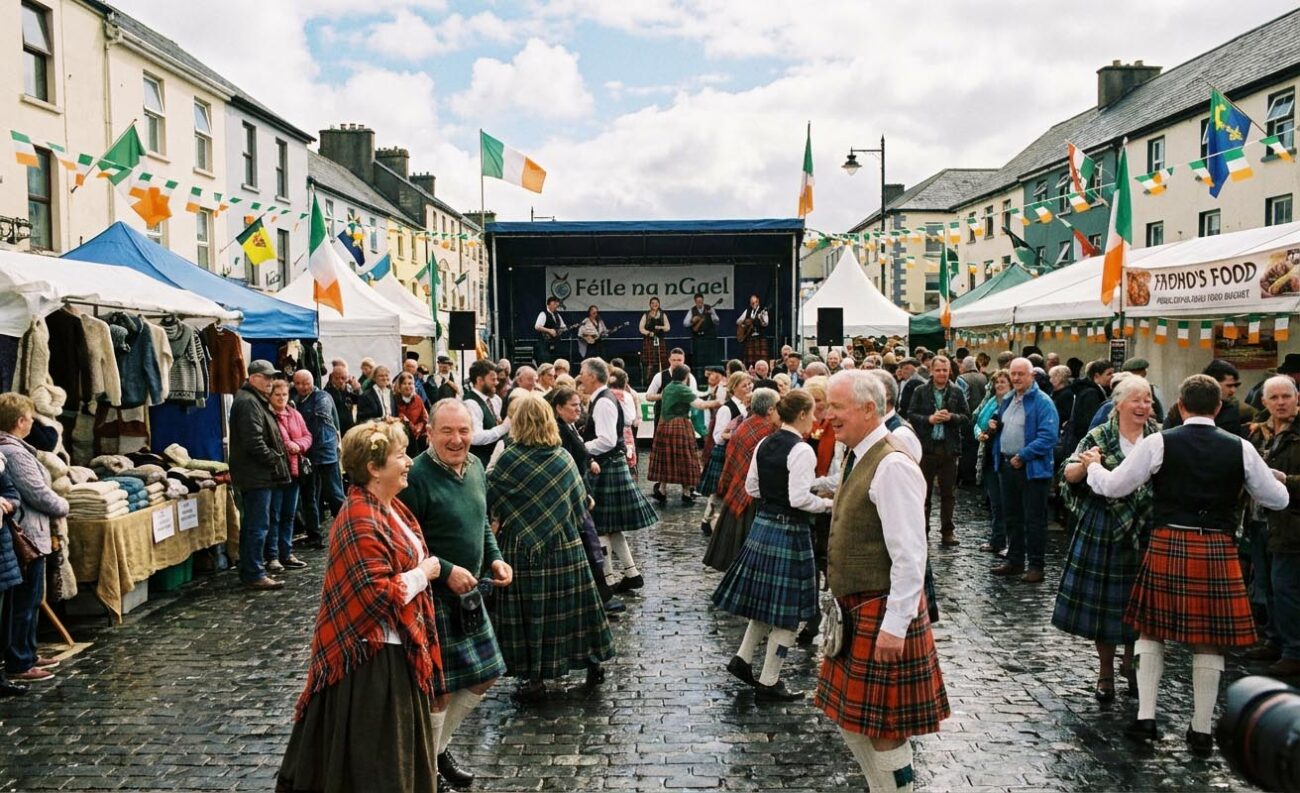
Scottish and Irish festivals provide invaluable opportunities to explore tartans firsthand and connect with heritage experts. These cultural gatherings typically feature vendors specializing in Celtic clothing and accessories, genealogy booths with resources for tracing ancestry, and experts who can help identify appropriate tartans based on your family history. Major events like Irish festivals, Highland games, and Celtic celebrations occur throughout the year in Ireland, Scotland, and diaspora communities worldwide. Attending these festivals allows you to see tartans displayed in various forms, from traditional kilts to modern fashion applications, and to speak directly with people knowledgeable about Irish heraldry and tartan traditions. Many festivals offer workshops on Irish genealogy, DNA testing interpretation, and Celtic culture that enhance your understanding of your heritage.
Heritage centers in Ireland and Irish cultural centers in diaspora communities serve as excellent resources for tartan research and verification. These institutions house archives containing family histories, local records, and documentation of regional traditions. Staff members often include genealogy experts familiar with local naming patterns, migration histories, and family connections within their regions. County heritage centers throughout Ireland provide access to digitized records, genealogical databases, and expert consultation services. Many offer research services for those unable to visit in person, conducting record searches and providing detailed reports on ancestral connections. Irish cultural centers in cities with large Irish diaspora populations, such as New York, Boston, Chicago, and Philadelphia in the United States, maintain resources for heritage research and regularly host educational programs about Irish history and genealogy.
Making Your Purchase Decision
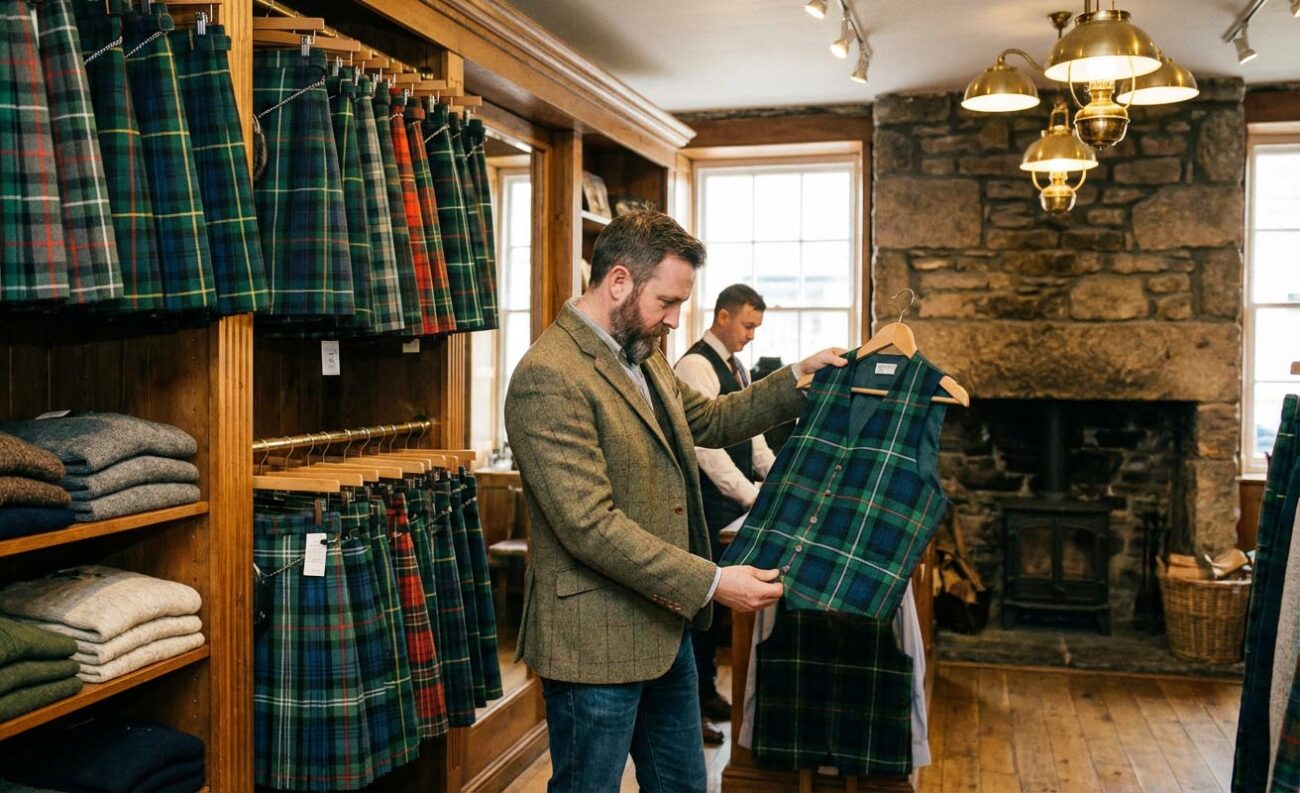
After identifying your Irish tartan, you’ll encounter numerous product options ranging from traditional kilts to modern fashion items and home décor. Scotland Kilt Collection offers an impressive range of authentic Irish tartan products, from traditional full kilts with matching accessories like sporrans, belts, and kilt pins for formal occasions and Highland games to contemporary fashion pieces. Traditional options include tartan trews or trousers that offer an alternative to kilts while maintaining tartan visibility. Sashes and scarves provide versatile accessories suitable for both men and women. Modern fashion applications include tartan shirts, dresses, skirts, ties, and even casual wear like t-shirts and hoodies featuring tartan patterns. Home décor items like blankets, throws, pillows, curtains, and rugs allow you to incorporate your heritage into daily life. Tartan fabric by the yard enables custom sewing projects tailored to your specific needs.
When purchasing tartan products, consider several quality and authenticity factors. Verify that the tartan pattern matches registered designs through the Scottish Register of Tartans or reputable tartan databases. Scotland Kilt Collection maintains strict quality standards, offering tartans woven by authentic Scottish and Irish mills with proper threadcount specifications. Check fabric composition, as traditional tartans use 100% wool, though modern blends may include synthetic fibers for durability or easy care. Examine the weaving quality, looking for tight, even weaving with clear pattern definition and proper color saturation. Consider whether you prefer authentic Scottish or Irish-made products versus international manufacturers. Read customer reviews and verify vendor reputability, particularly when ordering online. Some vendors specialize in Irish products and maintain direct relationships with Irish and Scottish mills, ensuring authenticity. Others offer budget-friendly alternatives that may sacrifice traditional materials or manufacturing methods. Decide what balance of authenticity, quality, and affordability best serves your purposes, whether for special occasions, everyday wear, or symbolic representation of your heritage.
Preserving and Honoring Your Heritage
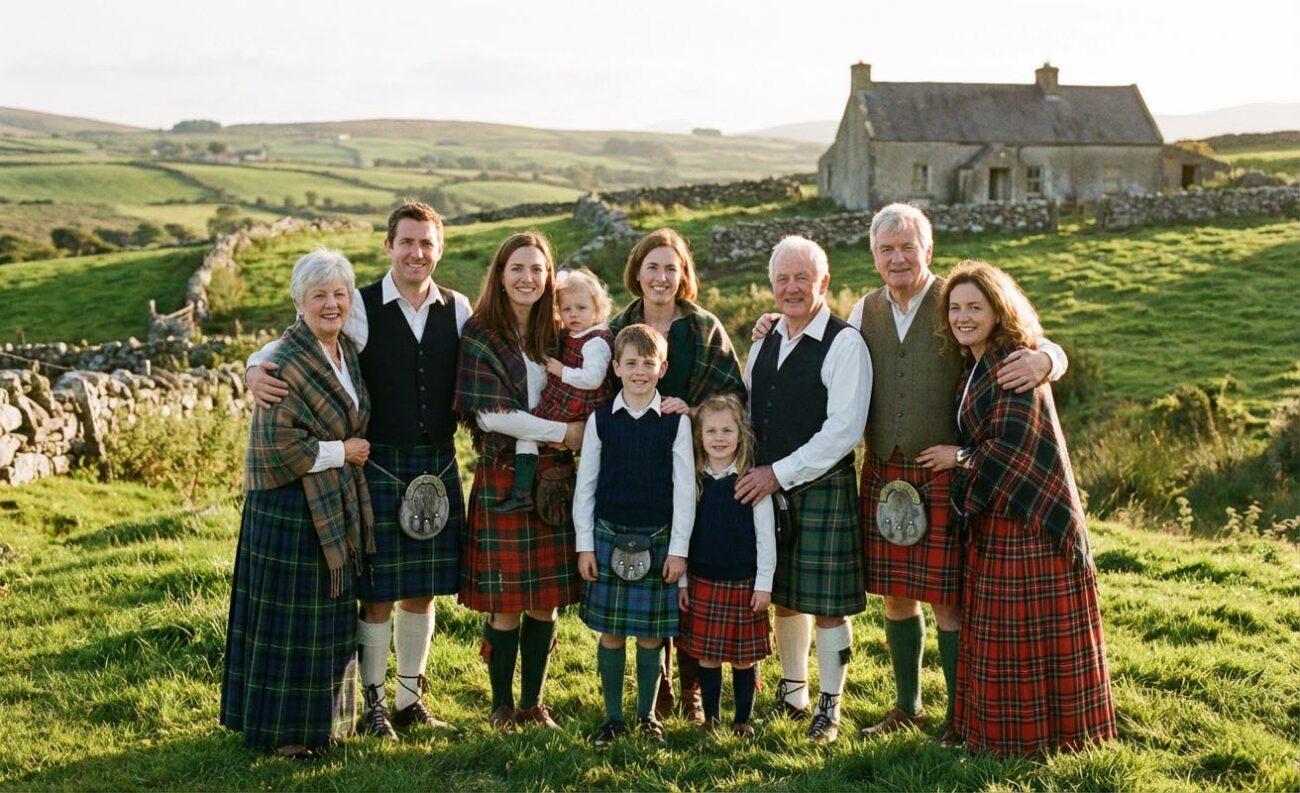
Wearing your Irish tartan connects you to centuries of Celtic tradition and your specific family story. Display your tartan at family gatherings, cultural events, and occasions celebrating Irish heritage to honor your ancestors and educate younger generations. Many people wear their tartan on St. Patrick’s Day, at weddings where Irish heritage is being celebrated, or during visits to Ireland. Consider establishing family traditions around your tartan, such as photographing each generation wearing it or incorporating it into significant life events. Share the story of your tartan research with family members, explaining the connection to specific counties or surnames and the journey you undertook to verify the link. This storytelling preserves not just the tartan itself but the research process and family history behind it.
Beyond personal use, contribute to the broader preservation of the Irish tartan tradition and heritage. Support Irish cultural organizations that maintain genealogical records, cultural programs, and educational initiatives about Irish history and traditions. Participate in Irish genealogical societies or surname study groups that document family histories and connections. Consider contributing your genealogical research to databases like WikiTree or FamilySearch that help others with similar heritage. If you’ve uncovered unique family records or stories during your research, share them with county heritage centers or Irish cultural institutions. Mentor younger family members interested in genealogy and heritage, passing along both the information you’ve gathered and the skills to continue research. Your engagement with Irish tartan represents not just personal heritage appreciation but participation in the living tradition of Celtic culture that continues evolving while honoring its roots.
Conclusion: Your Tartan Journey

Finding your Irish clan tartan is a journey that combines historical research, modern technology, and personal connection to heritage. Unlike Scottish clan tartans with their ancient lineages, Irish tartans primarily represent the counties and provinces where your ancestors lived, worked, and built their lives. The approximately forty Irish surname tartans provide family-specific options, while county, provincial, and universal tartans ensure that everyone with Irish heritage can find meaningful representation. This geographic approach to tartan tradition reflects Ireland’s unique history and the way Irish identity developed differently from Scottish clan systems.
Whether you discover your connection through family stories, genealogical documents, or DNA testing, your Irish tartan serves as a tangible link to your Celtic ancestry. The research process itself often proves as valuable as the tartan identification, revealing family stories, ancestral struggles, and the rich tapestry of Irish history that shaped your heritage. As you wear your tartan or incorporate it into your life, you participate in a modern revival of Celtic tradition that honors the past while creating new connections in the present. Your Irish tartan represents not just where your ancestors came from, but the ongoing story of Irish culture and identity that you carry forward into future generations.
Common Questions About Irish Clan Tartans
Absolutely! Irish tartan tradition welcomes anyone with Irish heritage, regardless of percentage. If you have Irish ancestry through any family line, even one grandparent or great-grandparent, you can proudly wear Irish tartan and honor your ancestors’ contributions to your identity.
County tartans represent specific geographic regions where your ancestors lived, covering all 32 traditional Irish counties. Family or surname tartans represent specific Irish family names and are much rarer, with only about forty Irish surnames having dedicated tartans available today.
No official documentation is required to wear Irish tartan. Scotland Kilt Collection and other reputable vendors don’t require proof of Irish ancestry to purchase tartans, as the tradition operates on cultural connection and self-identification rather than formal verification.
Choose the county where your most recent Irish-born ancestor lived, as this represents the strongest family connection. Alternatively, select a provincial tartan if ancestors came from multiple counties within the same province, or use the Irish National Tartan as a universal option.