
Blog
What Do Scottish Women Wear? A Complete Guide to Traditional and Modern Scottish Fashion
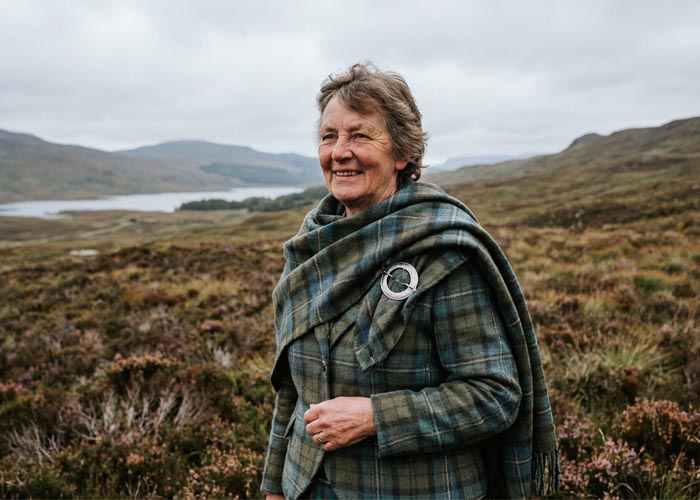
Scottish women’s fashion represents a beautiful fusion of rich cultural heritage and contemporary style that has evolved over centuries. From the rolling Highlands to bustling city streets of Edinburgh and Glasgow, Scottish women have developed a distinctive wardrobe that honors tradition while embracing modern trends. The clothing choices reflect both practicality for Scotland’s unpredictable weather and deep respect for clan heritage and family connections. Whether you’re curious about traditional Highland dress worn at formal celebrations or everyday Scottish fashion seen on city streets, this comprehensive guide explores everything Scottish women wear. Understanding Scottish fashion provides insights into a culture that values quality, craftsmanship, and meaningful connections to ancestral roots while remaining thoroughly modern in its approach to style.
Understanding Traditional Scottish Women’s Clothing

Traditional Scottish attire for women differs significantly from the iconic kilts worn by men, offering unique garments that reflect feminine elegance and cultural identity. Historically, Scottish women wore the earasaid, a traditional white plaid garment that reached from neck to heels and was fastened at the breast with decorative silver or brass buckles. This distinctive piece represented the elegant simplicity of historical Scottish dress while providing warmth and modesty in Scotland’s harsh climate. Unlike their male counterparts, who wore kilts as everyday clothing, Scottish women reserved elaborate traditional dress for special occasions, ceremonial events, and important social gatherings. These garments were thoughtfully designed for both practicality and beauty, allowing women to work comfortably while displaying their family tartan with pride during celebrations.
Throughout Scotland’s history, women’s traditional clothing evolved alongside cultural changes, fashion movements, and shifts in social structures. The Victorian era brought significant codification of Highland dress, establishing many styles that remain popular and recognizable today. Queen Victoria’s love for Scotland and Balmoral Castle sparked renewed interest in Highland traditions, leading to the standardization of many tartans and dress codes. Understanding these historical roots helps modern wearers appreciate why certain garments and accessories maintain their importance in contemporary Scottish fashion. The evolution of Scottish women’s dress reflects broader changes in women’s roles, from practical work garments to elegant celebration attire that honors heritage while allowing personal expression.
The Iconic Kilted Skirt: A Feminine Take on Scottish Heritage

The kilted skirt represents the most recognizable piece in contemporary Scottish women’s wardrobes, offering a feminine interpretation of the traditional kilt. Unlike men’s kilts that typically fall to knee length, women’s kilted skirts traditionally reach ankle length, though modern variations include knee-length, midi, and maxi options to suit different occasions and preferences. These skirts are made from authentic tartan wool and feature pleats at the back that create elegant movement while showcasing the distinctive clan patterns woven into the fabric. The construction of a proper kilted skirt requires skilled craftsmanship, with each pleat carefully measured and sewn to ensure the tartan pattern aligns correctly across the garment. Quality kilted skirts become treasured wardrobe pieces that last for decades when properly cared for, often being passed down through generations as family heirlooms.
Scottish women wear kilted skirts for various occasions, ranging from formal weddings and traditional ceilidhs to casual Highland games and cultural festivals throughout the year. The versatility of these garments makes them suitable for both traditional celebrations where Highland dress is expected and modern events where Scottish heritage is being honored. Pairing a kilted skirt with a simple white blouse creates a classic, timeless look appropriate for most formal Scottish occasions, while combining it with contemporary tops, leather jackets, or stylish sweaters offers a fashion-forward interpretation that bridges traditional and modern aesthetics. Many young Scottish women particularly enjoy mixing traditional kilted skirts with trendy accessories and modern footwear, creating unique personal styles that honor heritage without feeling costume-like.
Quality matters significantly when selecting a kilted skirt, as the difference between authentic and mass-produced versions becomes apparent with wear. Traditional versions are made to measure by skilled kilt makers using authentic tartan patterns, ensuring both proper fit and cultural authenticity that honors Scottish textile traditions. Many Scottish women choose tartans associated with their family clan, researching their ancestry to find the appropriate pattern that represents their maternal or paternal heritage. Others select patterns based purely on aesthetic preference, choosing from the hundreds of registered tartans available, including district, fashion, and universal tartans that anyone can wear. The weight of the fabric also varies seasonally, with heavier wool suitable for winter weddings and celebrations, while lighter materials work perfectly for summer festivals and warmer weather events. When searching for authentic Scottish clothing, retailers like Scotland Kilt Collection offer quality kilted skirts and traditional Highland wear that combine craftsmanship with cultural authenticity.
Modern designers have reimagined the kilted skirt in exciting ways that appeal to younger generations while respecting traditional construction methods. You’ll find contemporary versions in silk tartan for formal evening wear that offers luxurious drape and sheen, casual cotton blends for everyday use that provide comfort and easy care, and even leather-trimmed variations that add a contemporary edge to traditional patterns. These innovations allow Scottish women to honor their heritage while expressing individual style preferences and adapting traditional garments to modern lifestyles. Some designers incorporate tartan into asymmetrical hemlines, wrap styles, or pencil skirt silhouettes, proving that traditional fabric can work beautifully in completely modern designs.
Essential Scottish Accessories That Complete the Look
Traditional Scottish Jewelry and Brooches
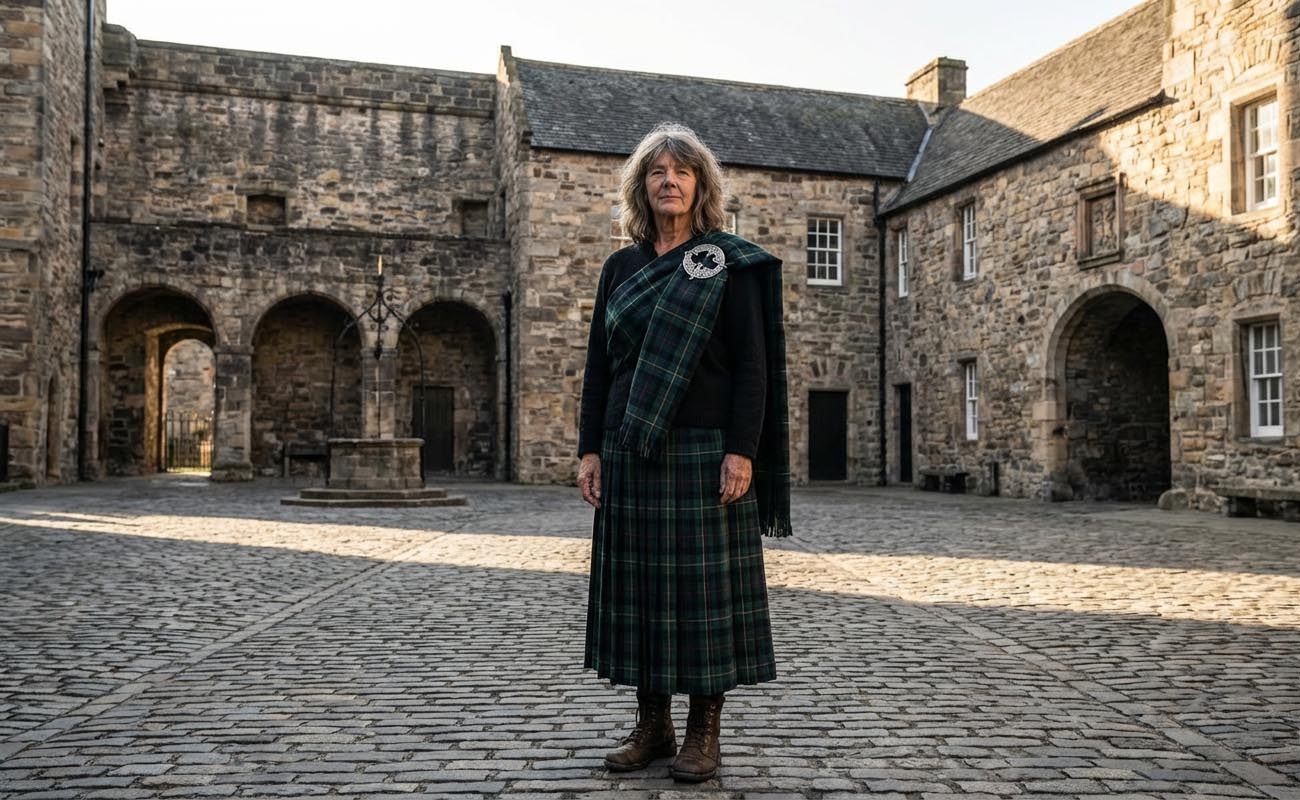
Celtic brooches serve both functional and decorative purposes in Scottish women’s fashion, representing centuries of metalworking tradition and artistic expression. These beautiful pieces, often crafted from sterling silver, pewter, or occasionally gold, secure tartan sashes or shawls while adding layers of cultural symbolism to any outfit. Traditional designs feature intricate Celtic knots representing eternal connections, Scottish thistles celebrating the national flower, or clan badges that tell stories of family heritage and Scottish identity. The craftsmanship involved in creating authentic Celtic jewelry requires specialized skills passed down through generations of Scottish artisans.
Popular brooch styles include penannular brooches with their distinctive circular shape and movable pin, thistle brooches that range from simple designs to elaborate gemstone-studded pieces, and intricate Celtic knotwork brooches showcasing traditional patterns with deep spiritual meanings. Scottish women wear these accessories not just at formal events but also as everyday jewelry that connects them to their cultural roots and provides conversation starters about heritage. Antique brooches passed down through families carry particular sentimental value, often bearing the wear patterns of previous generations who treasured these pieces.
Beyond brooches, Scottish women favor jewelry featuring cairngorm stones (smoky quartz found in Scotland’s mountains), amethyst, agate, and other semi-precious gems native to Scottish geology. Necklaces with Celtic knot designs, drop earrings featuring traditional motifs like Luckenbooth hearts, and rings incorporating Scottish symbols such as thistles or Claddagh designs remain consistently popular across age groups. These pieces complement tartan clothing beautifully while standing alone as elegant accessories for everyday wear, allowing women to carry their Scottish identity subtly into professional and casual settings.
The Tartan Sash: Elegance Meets Tradition
The tartan sash adds graceful formality to Scottish women’s outfits, particularly at weddings, Burns Night celebrations, and formal Highland gatherings where traditional dress is expected or encouraged. Draped diagonally across the body from shoulder to hip, the sash is secured with a decorative brooch at the shoulder, creating an elegant silhouette that frames the body beautifully. This accessory transforms a simple outfit into traditionally appropriate Highland dress while allowing women to display their clan tartan proudly, making family connections visible to other attendees who understand tartan symbolism. The flowing nature of the sash adds movement and drama to formal wear, particularly during traditional Scottish dancing.
Different occasions call for varying sash styles, lengths, and wearing methods that reflect both tradition and personal preference. Formal events like weddings typically require wider sashes in traditional clan tartans, often measuring three to four feet in length and made from high-quality wool that drapes properly. Less formal gatherings might feature narrower sashes or fashion tartans in modern color combinations that coordinate with contemporary outfits. The way the sash is worn also carries meaning in some regions, with married women traditionally wearing it pinned on the left shoulder, while unmarried women pin it on the right shoulder, though this custom is less strictly observed in modern times.
Modern interpretations of the traditional tartan sash include lightweight silk versions for warm-weather events that won’t cause overheating during summer celebrations, luxurious cashmere sashes for winter formal occasions that provide both warmth and elegance, and even chiffon tartans that offer ethereal beauty for evening events. Some Scottish women coordinate their sash with matching scarves, shawls, or even tartan-lined coats, creating cohesive outfits that beautifully blend tradition with personal style and contemporary fashion sensibilities. The versatility of the tartan sash means it can elevate even simple black dresses or plain skirts into culturally appropriate formal wear.
Everyday Scottish Fashion: What Modern Scottish Women Actually Wear

While traditional Highland dress holds special significance for cultural celebrations and formal events, most Scottish women don’t wear kilted skirts and tartan sashes in their daily lives. Modern Scottish fashion reflects contemporary global trends seen in fashion capitals worldwide while incorporating subtle nods to Scottish heritage through fabric choices, color palettes, and accessory selections. Tartan appears in modern garments like tailored blazers, well-fitted trousers, infinity scarves, and casual shirt dresses that work perfectly for everyday wear in offices, schools, and social settings. This integration allows Scottish women to honor their cultural background while dressing appropriately for modern professional and casual environments without appearing costume-like or overly traditional.
Scottish women embrace practical fashion that suits their climate and active lifestyles, prioritizing quality over quantity and choosing investment pieces that last for years. Quality knitwear plays a central role in everyday wardrobes, with cashmere sweaters in classic neutrals, colorful wool cardigans, and Fair Isle patterned pullovers remaining wardrobe staples across all age groups and style preferences. These pieces provide essential warmth during Scotland’s cool, damp weather while offering timeless style that transcends seasonal trends and works for multiple occasions. The emphasis on natural fibers like wool, cashmere, and cotton reflects Scottish appreciation for materials that breathe well, regulate temperature effectively, and improve with proper care over time.
Tweed jackets and coats represent another distinctly Scottish element in modern everyday fashion, connecting wearers to centuries of textile tradition. Harris Tweed, still handwoven in the Outer Hebrides following strict production standards, appears in contemporary designs ranging from traditional blazers to stylish overcoats and even accessories like handbags and hats. Scottish women pair these heritage fabrics with jeans, tailored trousers, and modern dresses, creating looks that honor traditional craftsmanship while remaining thoroughly current and wearable for daily activities. The durability of Harris Tweed makes it particularly practical for Scotland’s weather, as the tightly woven fabric resists wind and rain while developing beautiful character with age.
Urban Scottish fashion in cities like Edinburgh, Glasgow, and Aberdeen mirrors trends seen in other major European cities but with a distinctive local flavor and practical adaptations. Edinburgh and Glasgow street style often incorporates tartan accessories like scarves or bags, traditional knitwear from Scottish brands, or pieces from Scottish designers alongside international fashion labels. This blend creates a unique aesthetic that’s recognizably Scottish while remaining cosmopolitan and fashion-forward, allowing women to express both their cultural identity and their personal style preferences. Young Scottish women particularly excel at mixing high street fashion with vintage finds and traditional Scottish pieces, creating eclectic, individual looks that reject cookie-cutter trends.
Seasonal Wardrobe Essentials for Scottish Women
Winter Layering Strategies
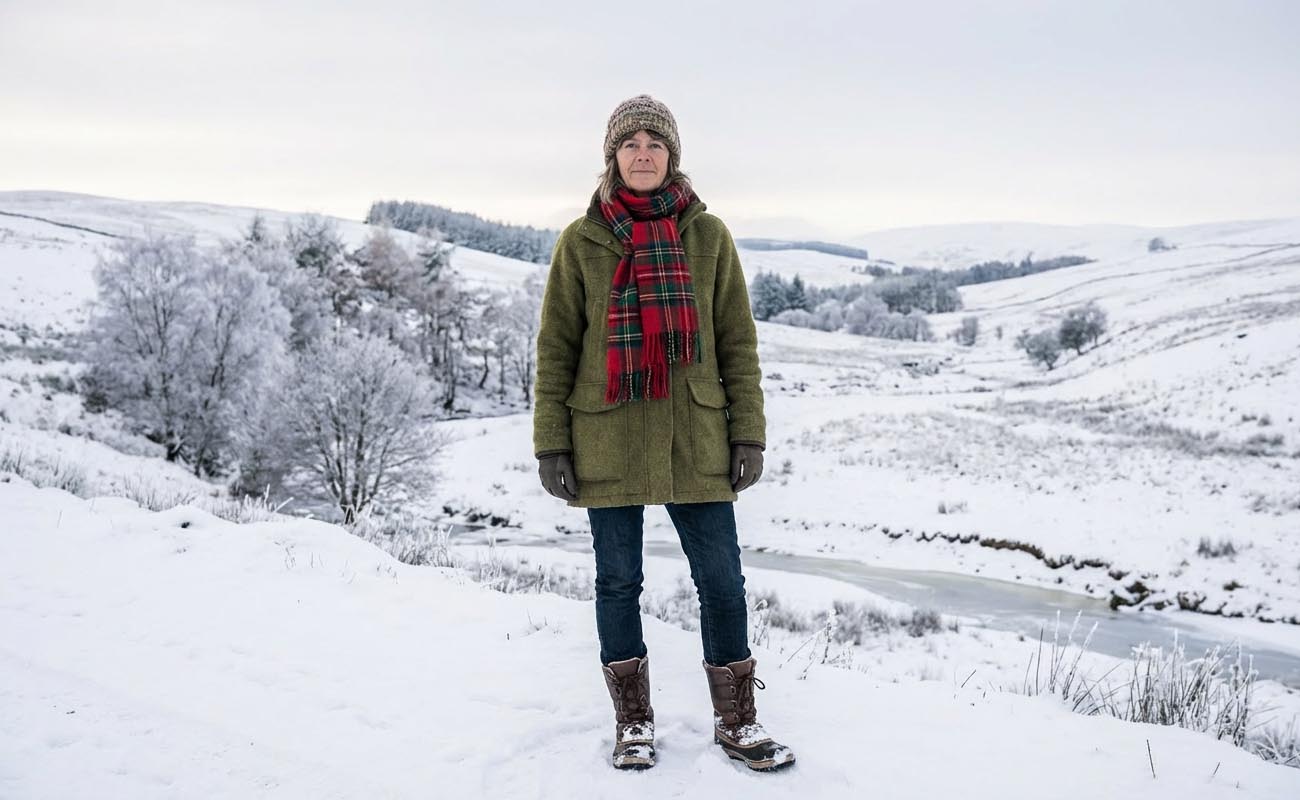
Scotland’s winter weather demands intelligent layering techniques and quality materials that work together to provide warmth without bulk or restriction of movement. Scottish women master the art of combining base layers, mid-layers, and outer layers to stay warm without sacrificing style or comfort during outdoor activities, daily commutes, or social occasions. The key to successful winter dressing involves understanding how different fabrics and garment types work together to regulate temperature while protecting against wind, rain, and cold temperatures that characterize Scottish winters.
Essential Winter Layers Include:
- Thermal Base Layers: Merino wool or technical fabrics that wick moisture and keep you warm during outdoor activities
- Insulating Mid-Layers: Fair Isle sweaters, wool cardigans, fleece jackets, or lightweight down vests for warmth
- Waterproof Outer Layers: Gore-Tex jackets or waxed cotton coats for protection against rain and wind
- Essential Accessories: Tartan wool scarves, cable-knit hats, leather gloves, and warm socks
- Practical Footwear: Waterproof leather boots with grip for cobblestone streets and countryside walks
The beauty of proper winter layering lies in its flexibility, allowing Scottish women to add or remove layers as they transition between outdoor cold and indoor heating throughout the day. This system works perfectly for Scotland’s variable winter weather, where temperatures can fluctuate significantly, and activities may range from outdoor walks to indoor social gatherings. Investing in quality pieces for each layer ensures comfort, durability, and versatility across multiple winter seasons and various occasions.
Summer and Spring Fashion Choices
Warmer months bring lighter fabrics, brighter colors, and more relaxed silhouettes to Scottish women’s wardrobes, though complete abandon of layering never happens, given Scotland’s unpredictable climate. Cotton and linen garments replace heavy wool for increased breathability and comfort, though Scotland’s temperamental weather means light layers remain important even in summer when morning chill can give way to afternoon warmth before cooling again by evening. Tartan dresses in lightweight cotton or breathable linen offera comfortable style for warm-weather celebrations like outdoor weddings, summer festivals, and casual family gatherings while maintaining connections to Scottish heritage. These seasonal versions of traditional patterns allow women to stay cool while still wearing recognizably Scottish clothing.
Summer fashion doesn’t mean abandoning Scottish heritage elements or completely western style adoption, but rather adapting traditional elements to seasonal appropriateness. Lightweight tartan scarves in silk or cotton provide versatile accessories that add Scottish flair without causing overheating, working beautifully for cool evenings or air-conditioned environments. Cotton kilted skirts in lighter-weight fabrics, short-sleeved tartan blouses that allow air circulation, and tartan sundresses allow women to embrace tradition while staying cool during Scotland’s brief but beautiful summer season. These pieces work beautifully for Highland games, outdoor weddings, and summer festivals that celebrate Scottish culture throughout the warmer months, when cultural events proliferate.
Practical footwear remains crucial regardless of season, as Scottish terrain and weather demand shoes that provide support, comfort, and weather protection. Scottish women choose comfortable walking shoes or waterproof boots that handle cobblestone streets in historic town centers, countryside paths that may be muddy or rocky, and sudden weather changes that can turn sunny mornings into rainy afternoons. Quality leather boots in versatile brown or black, waterproof walking shoes with good grip and ankle support, and stylish yet practical footwear form the foundation of year-round Scottish fashion choices. Even during summer, many Scottish women keep waterproof footwear accessible, as rain can appear without warning even during otherwise pleasant days.
Formal Occasions: Dressing for Scottish Celebrations
Weddings and Ceilidhs
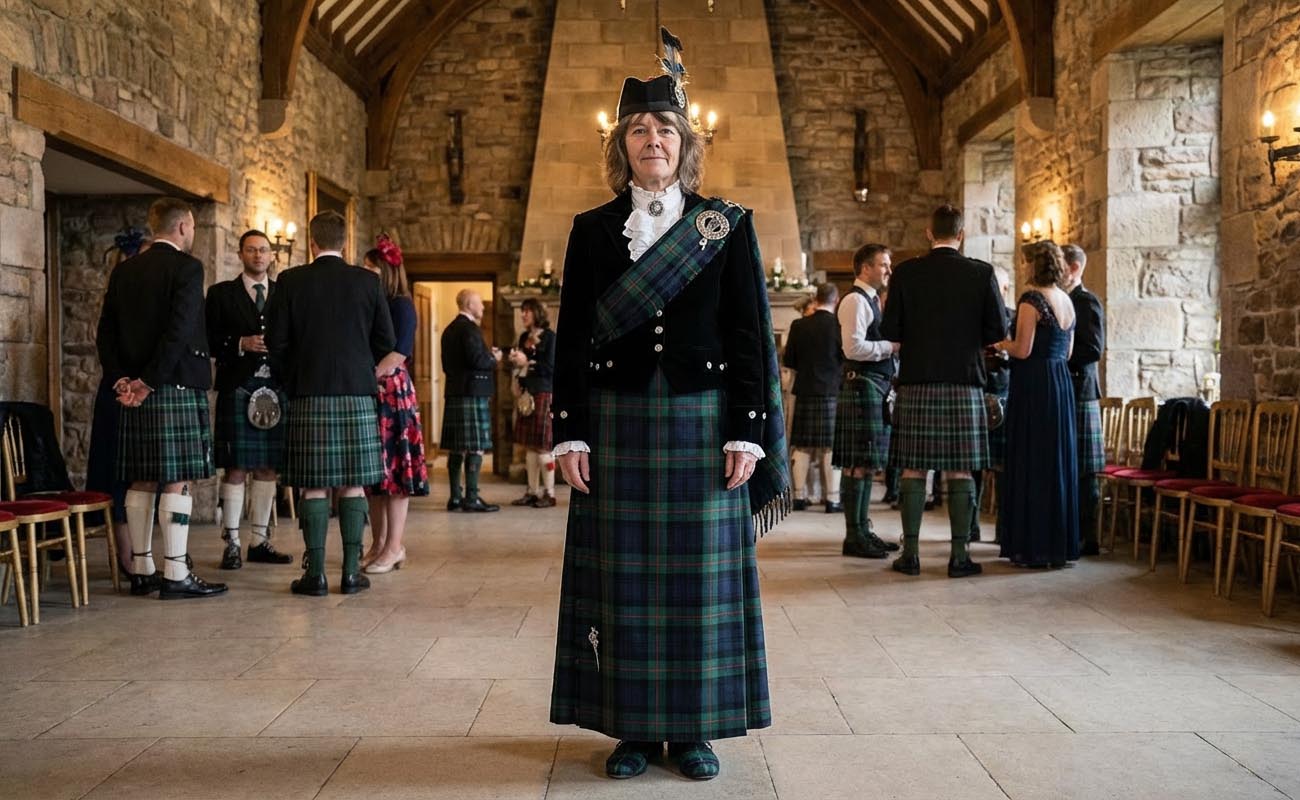
Scottish weddings call for elegant traditional dress that honors both formal occasion standards and rich cultural heritage that makes these events distinctly Scottish. Women attending these celebrations often wear full-length kilted skirts in their family tartan or tartan evening dresses that feature traditional patterns in sophisticated silhouettes paired with white silk blouses or elegant tops in complementary colors. The tartan sash, secured with an heirloom brooch or a new piece specially chosen for the occasion, adds ceremonial significance to the outfit while creating a beautiful visual impact in wedding photographs. Complete Highland dress for women represents respect for the couple, the occasion, and Scottish cultural traditions that make these celebrations meaningful beyond typical Western weddings.
Footwear for formal Scottish events balances elegance appropriate for formal occasions with practicality necessary for comfortable participation in traditional activities throughout long celebration days. While heels remain popular for their formal appearance and the height they add to photographs, many women choose dressy flats, low heels, or elegant boots that allow comfortable dancing during traditional ceilidh celebrations that feature energetic Scottish country dances. Scottish country dancing features prominently at most weddings, with guests expected to participate in Strip the Willow, Gay Gordons, and other traditional dances that require quick footwork, making comfortable shoes essential for full participation and enjoyment. Changing from formal heels into dancing shoes represents a common and accepted practice at Scottish weddings.
Evening wear might include velvet bodices or fitted jackets in rich jewel tones complementary to the tartan skirt, creating formal outfits appropriate for evening receptions and celebrations. Black or navy velvet pairs beautifully with most tartan patterns, creating sophisticated formal looks that photograph well and feel appropriately elegant for important family celebrations. Some women choose silk tartan evening gowns that incorporate traditional patterns into contemporary dress designs, offering modern interpretations that honor heritage while showcasing current fashion sensibilities. These gowns work particularly well for black-tie Scottish weddings where full formal dress is specified on invitations.
Burns Night and St. Andrew’s Day
Burns Night celebrations on January 25th inspire Scottish women to embrace full traditional dress in honor of Scotland’s beloved poet Robert Burns, and his contributions to Scottish culture. This annual tribute sees women wearing their finest tartan skirts, elegant blouses in white or cream, and treasured family brooches that may have been worn by mothers and grandmothers at previous Burns suppers. Many add tartan sashes for extra formality, creating outfits that honor both the poet and broader Scottish cultural traditions, including the ceremonial piping in of the haggis and traditional recitations of Burns’ poetry. The evening typically includes formal dining, toasts, and sometimes dancing, requiring outfits that work for multiple activities while maintaining an elegant appearance throughout the celebration.
St. Andrew’s Day on November 30th provides another opportunity for displaying Scottish pride through clothing choices while celebrating Scotland’s patron saint with both reverence and festivity. While less formally structured than Burns Night, this national day still encourages tartan wear and traditional accessories as expressions of Scottish identity and cultural pride. Scottish women might choose tartan scarves worn with everyday clothes, jewelry featuring Scottish symbols like thistles or saltire crosses, or casual tartan garments like skirts with sweaters that celebrate their heritage comfortably without full formal Highland dress. The day often includes informal gatherings, pub celebrations, and community events where comfortable cultural dress feels more appropriate than rigid formal wear.
These cultural celebrations allow Scottish women to educate others about their traditions, share pride in their heritage with fellow Scots, and enjoy a communal celebration of what makes Scottish culture unique and precious. The clothing worn at these events becomes part of the celebration itself, creating powerful visual connections to Scotland’s rich cultural history and helping younger generations understand the importance of maintaining these traditions. Explaining tartan choices, brooch histories, and dress traditions to curious non-Scottish attendees creates opportunities for cultural exchange and education that strengthen appreciation for Scottish heritage.
Scottish Fashion Designers and Contemporary Trends

Scotland has produced numerous influential fashion designers who bring distinctly Scottish elements into contemporary design while gaining international recognition and commercial success. These designers work with traditional materials like Harris Tweed and authentic clan tartans while creating modern silhouettes, unexpected combinations, and innovative treatments that appeal to international audiences seeking unique pieces with authentic cultural connections. Their work ensures Scottish fashion heritage remains relevant, exciting, and commercially viable for new generations of designers and consumers. Names like Christopher Kane, who grew up in Glasgow and often references his Scottish roots in collections, demonstrate how designers can honor heritage while creating cutting-edge fashion.
Contemporary Scottish designers experiment with tartan in unexpected ways that challenge traditional perceptions while respecting the fabric’s cultural significance and historical importance. You’ll find tartan used in asymmetrical cuts that subvert traditional garment construction, combined with non-traditional materials like leather or technical fabrics for interesting contrasts, or incorporated as accent details in otherwise modern garments that subtly reference Scottish heritage. These innovations keep Scottish fashion fresh, appealing to younger consumers, and integrated into global fashion conversations while respecting its historical foundations. Designers working with Scottish mills create exclusive tartans that become signatures of their brands, adding to Scotland’s already extensive tartan registry.
Sustainable fashion has become increasingly important in Scotland’s fashion industry, reflecting both practical Scottish values and growing global environmental consciousness among consumers. Many designers focus on using locally sourced materials that reduce transportation environmental impact, supporting traditional craftspeople whose skills might otherwise disappear, and creating timeless pieces designed to last for years rather than following fast fashion cycles. This approach aligns with longstanding Scottish values of quality, durability, responsible resource use, and respect for craftsmanship that views clothing as an investment rather than a disposable commodity. Scotland’s wool industry, tweed production, and knitwear manufacturing all benefit from this sustainable approach.
Choosing Your Tartan: Understanding Clan Patterns and Modern Options
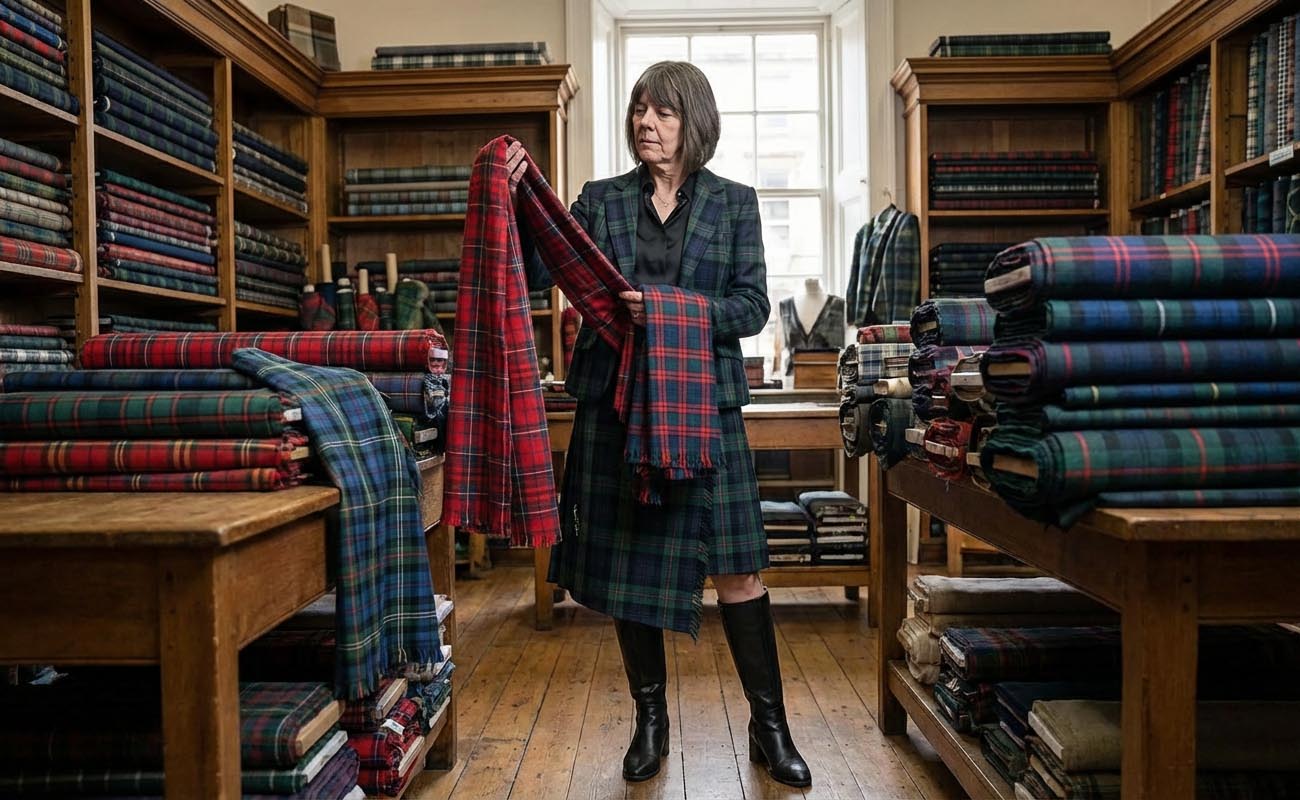
Selecting appropriate tartan involves understanding both family heritage through genealogical research and personal preference regarding colors, patterns, and cultural significance. Many Scottish women wear tartans associated with their father’s or mother’s clan, proudly displaying their family connections through carefully chosen patterns that represent ancestral ties to specific regions or families. Researching family tartans often involves exploring genealogy, consulting clan societies, or working with Highland dress specialists who can identify appropriate patterns based on surnames and family histories. However, strict historical rules about tartan wearing have relaxed considerably in modern times, allowing women more freedom to choose patterns they find beautiful or meaningful, regardless of direct clan affiliation or bloodline connections.
Beyond clan tartans that represent specific families, Scotland offers numerous district tartans representing geographic regions, fashion tartans created by designers, and universal tartans available to anyone regardless of heritage or background. The Royal Stewart tartan, for example, can be worn by all and has become one of the world’s most recognized tartan patterns, making it popular for those without specific clan connections or for those who simply love its vibrant red coloring. Fashion tartans in modern color combinations like purple and black, pink and gray, or other non-traditional pairings provide options for women who want tartan’s visual appeal without traditional associations or for specific events like weddings, where coordinating party attire in custom tartans creates a unified aesthetic.
When researching your family tartan, numerous resources exist, including the Scottish Register of Tartans, the official repository documenting thousands of tartan designs with their historical associations and registration details. This searchable database allows people worldwide to identify patterns connected to their surnames, discover the stories behind specific tartans, and even register new designs that commemorate families, events, or organizations. Many Scottish shops and specialized websites also provide tartan databases and genealogical assistance, helping people identify patterns connected to their heritage while learning about the history and significance of their family’s traditional colors and patterns.
Shopping for Scottish Clothing: Where and What to Buy
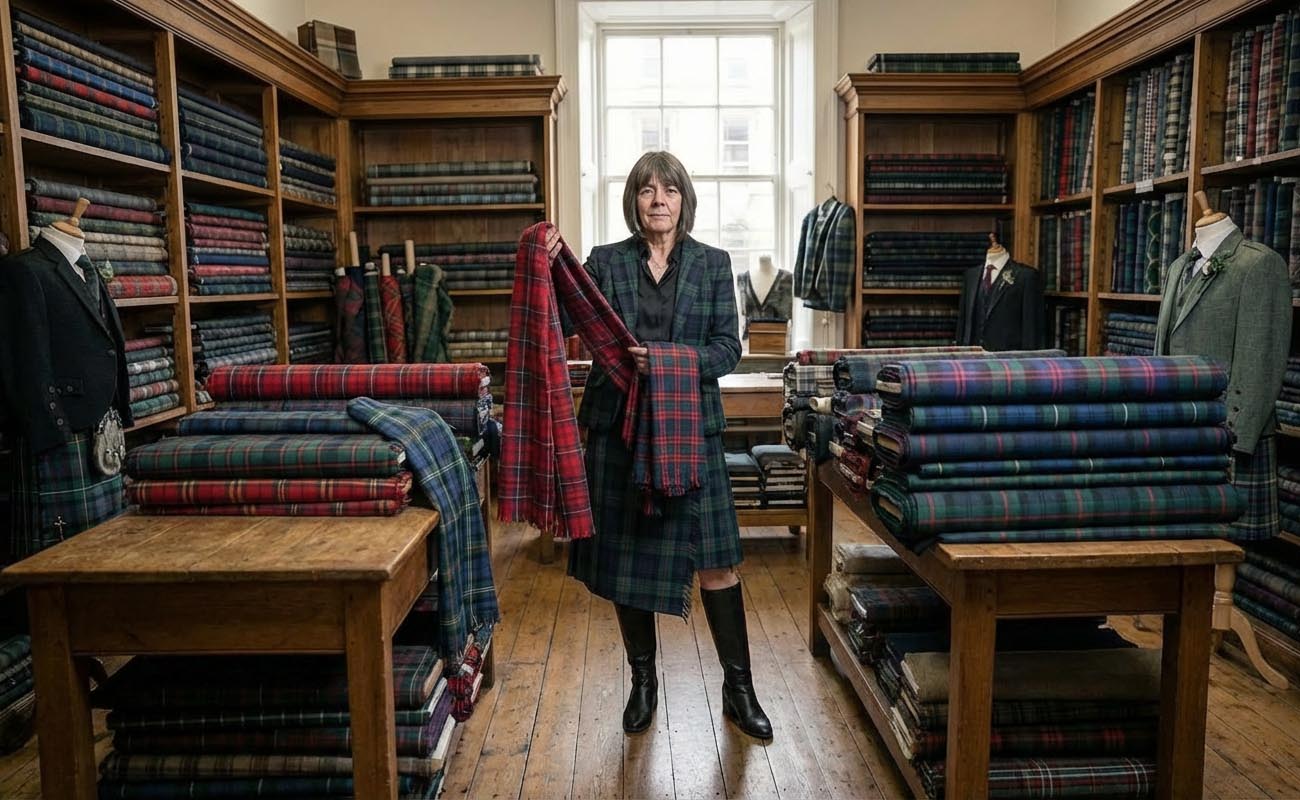
Authentic Scottish clothing requires careful sourcing from reputable retailers to ensure quality, cultural appropriateness, and value for investment in pieces meant to last decades. Scotland’s major cities, including Edinburgh, Glasgow, Aberdeen, and Inverness, host numerous Highland dress shops offering everything from made-to-measure kilted skirts to ready-made tartan accessories, with knowledgeable staff providing expertise in proper sizing, tartan selection, and traditional dress codes for various occasions. These specialists understand the nuances of Highland dress and can guide customers toward appropriate choices based on their needs, budget, and the specific events they’ll be attending. Personal service in these traditional shops often includes alterations, tartan research assistance, and ongoing relationships as customers return for additional pieces or family garments.
Where to Find Quality Scottish Clothing:
- Traditional Highland Dress Shops: Edinburgh’s Royal Mile and Glasgow stores with expert staff for kilts and formal wear
- Online Scottish Retailers: Authentic websites based in Scotland offering international shipping and detailed descriptions
- Scottish Wool Mills: Direct purchases from Lochcarron or Johnstons of Elgin for authentic tartans and knitwear
- Vintage and Antique Shops: Historic pieces with superior craftsmanship and unique Highland dress accessories
- Scottish Designer Boutiques: Modern interpretations of traditional fashion in Edinburgh and Glasgow
Online shopping has dramatically expanded access to Scottish fashion worldwide, allowing people far from Scotland to purchase authentic pieces while benefiting from Scotland’s strong reputation for quality textile production and traditional craftsmanship. Reputable online retailers offer authentic tartan garments made in Scotland, quality knitwear from established manufacturers, and traditional accessories with detailed product information and international shipping to customers globally. When shopping online, look for retailers physically based in Scotland, extensive positive customer reviews from verified purchasers, and detailed product descriptions that specify fabric composition, country of manufacture, and care requirements. Many established Highland dress shops now offer online shopping alongside their physical locations, combining traditional expertise with modern convenience. Trusted retailers like Scotland Kilt Collection provide comprehensive online catalogs featuring everything from formal Highland wear to everyday tartan accessories, making authentic Scottish fashion accessible to customers worldwide.
Quality indicators to watch for include authentic tartan certification from mills like Lochcarron or DC Dalgliesh, proper construction techniques showing attention to detail like pattern-matched pleats and reinforced stress points, and durable materials that improve with proper care rather than deteriorating quickly. Genuine Scottish products often carry higher price points than mass-produced alternatives manufactured overseas, but the investment ensures longevity, cultural authenticity, and satisfaction with pieces that become more treasured over time. Many Scottish women view quality Highland dress as heirloom pieces worth the initial expense, imagining these garments being worn by daughters and granddaughters at future family celebrations and cultural events.
Budget-conscious shoppers can build impressive Scottish wardrobes by focusing on key pieces rather than attempting to purchase complete outfits immediately, allowing for thoughtful acquisitions over time. A quality tartan scarf in your family pattern or authentic Celtic brooch provides meaningful Scottish style without significant financial investment while serving as conversation starters and personally meaningful accessories. Building a Scottish wardrobe gradually allows for thoughtful purchases that truly reflect personal taste, family heritage, and the specific occasions you’ll be attending, rather than rushing into expensive purchases you may later regret. Starting with accessories and adding major pieces like kilted skirts or formal dresses as budget allows creates a sustainable approach to building a traditional wardrobe.
Caring for Scottish Clothing: Maintaining Quality and Tradition
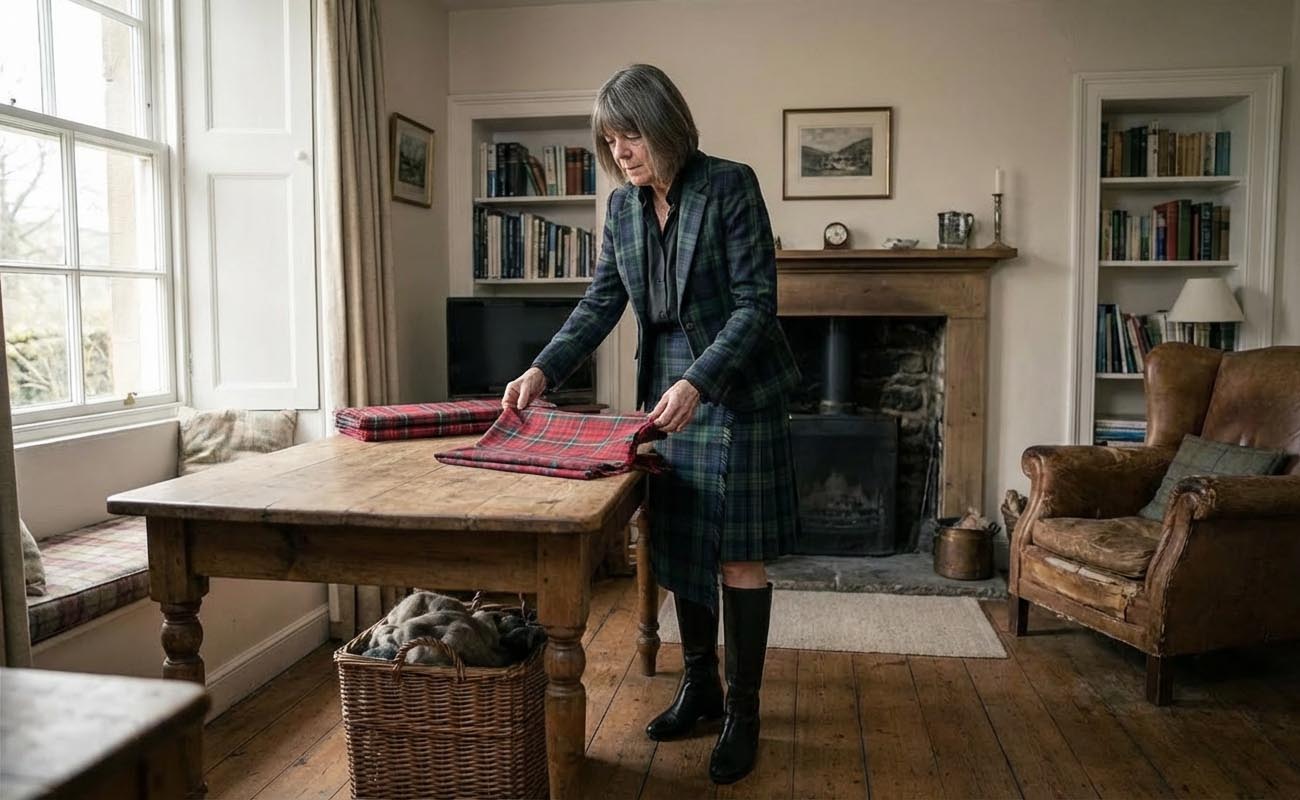
Proper care ensures Scottish clothing lasts for generations, maintaining its appearance and cultural value while justifying the initial investment in quality pieces. Tartan wool requires gentle handling, with professional dry cleaning recommended for kilted skirts, formal garments, and any pieces with complex construction or delicate trim that might be damaged by home washing. Some lighter wool items can be carefully hand-washed in cool water with wool-specific detergent that won’t strip natural oils or damage fibers, but always check the manufacturer’s care instructions first before attempting home care of valuable garments. Over-washing wool damages fibers and causes premature wear, so most tartan garments benefit from airing between wears rather than cleaning after each use.
Cashmere and other luxury knitwear need special attention due to the delicate nature of these precious fibers that provide unmatched softness and warmth. These delicate items should be hand-washed in cool water with cashmere-specific detergent or professionally dry-cleaned, never machine-washed, even on a delicate cycle, as this can cause stretching, pilling, or fiber damage. Proper storage between seasons involves ensuring garments are clean before storing, using breathable cotton storage bags rather than plastic, which traps moisture, and implementing measures to prevent moths, as these insects particularly target natural fibers. Scottish women often store precious cashmere items with cedar blocks or lavender sachets for natural moth deterrence while avoiding harsh chemical mothballs that leave unpleasant odors.
Silver jewelry and brooches require regular polishing to maintain their shine and prevent tarnish buildup that becomes increasingly difficult to remove if neglected. Gentle silver polish applied with soft cloths or professional cleaning from jewelers keeps these pieces looking beautiful and prevents corrosion that can permanently damage detailed Celtic knotwork or engraved clan badges. Store silver jewelry in anti-tarnish cloth or specialized bags to minimize oxidation between wearings, and consider professional cleaning for particularly valuable or intricate pieces that require expert handling to avoid damage during cleaning processes.
Harris Tweed and other durable woven fabrics actually improve with age when properly maintained, developing beautiful character and patina that enhances rather than diminishes their appeal. Brush tweed garments with a soft clothes brush after wearing to remove surface dirt and restore the fabric’s texture, and allow them to air thoroughly between uses rather than storing immediately in closets where moisture can’t escape. These hardwearing fabrics rarely require washing, with spot cleaning usually sufficient for maintaining appearance and preventing the wear that comes from unnecessary cleaning cycles. The durability and improving-with-age quality of authentic Harris Tweed explain its enduring popularity and justify its premium pricing.
Conclusion: Celebrating Scottish Fashion Heritage

Scottish women’s fashion beautifully balances honoring centuries of tradition with embracing contemporary style, creating unique wardrobes that express both cultural identity and personal aesthetics. Whether wearing full Highland dress for formal celebrations like weddings and Burns Night or incorporating subtle tartan touches into everyday outfits through scarves and jewelry, Scottish women express cultural pride through their clothing choices in meaningful, personal ways. The versatility of Scottish fashion allows women to connect with their heritage in ways that feel authentic to their individual lives, whether that means wearing traditional dress regularly or reserving it for special cultural occasions while incorporating subtle Scottish elements into modern wardrobes.
Understanding what Scottish women wear means recognizing that fashion serves multiple important purposes beyond simple aesthetics: cultural expression that connects wearers to centuries of history, practical necessity in Scotland’s challenging climate, and aesthetic pleasure that brings joy through beautiful fabrics and meaningful designs. From traditional kilted skirts and tartan sashes to modern interpretations of classic patterns in contemporary silhouettes, Scottish fashion offers endless possibilities for personal style while maintaining strong connections to heritage and family history. The range of options means every woman can find her own authentic way to express her Scottish identity through clothing.
As Scottish fashion continues evolving with new designers, changing technologies, and shifting cultural values, it remains firmly rooted in quality craftsmanship, authentic materials, and deep respect for tradition that honors those who came before. Whether you have direct Scottish ancestry through family lineage or simply appreciate the beauty of tartan and Highland dress as cultural expressions, these garments offer timeless style that transcends temporary trends while telling meaningful stories. Scottish women wear their heritage with visible pride and quiet confidence, creating fashion choices that honor the past while looking confidently toward the future and ensuring these traditions remain vibrant and relevant for generations yet to come.