
Blog
How Do You Travel With Kilts? The Complete Guide for Smart Travelers
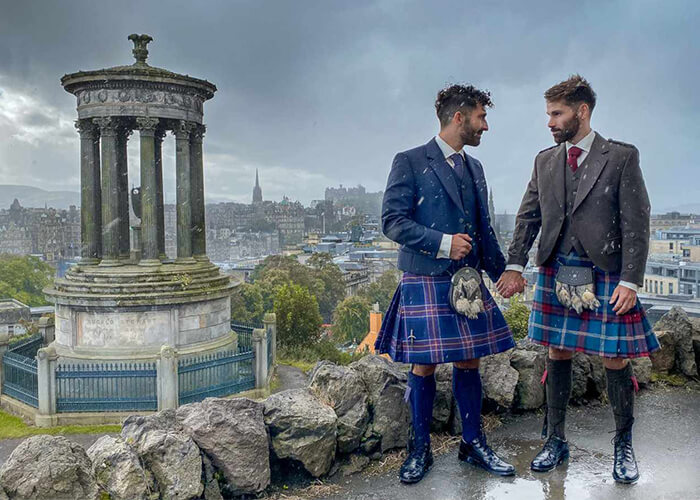
Traveling with a kilt presents unique challenges that regular clothing simply doesn’t face. This traditional Scottish garment deserves special attention when you’re planning to take it across cities or continents. Whether you’re attending a destination wedding in Edinburgh, representing your clan at international Highland Games, or simply want to showcase your heritage during vacation, knowing how to properly transport and maintain your kilt can save you from last-minute disasters. The pleated wool construction, weight considerations, and wrinkle prevention all require strategic planning. This comprehensive guide reveals everything you need to know about traveling with kilts, including packing techniques, airport security procedures, climate adaptation strategies, and emergency repair solutions that actually work.
Understanding Different Kilt Types and Their Travel Needs
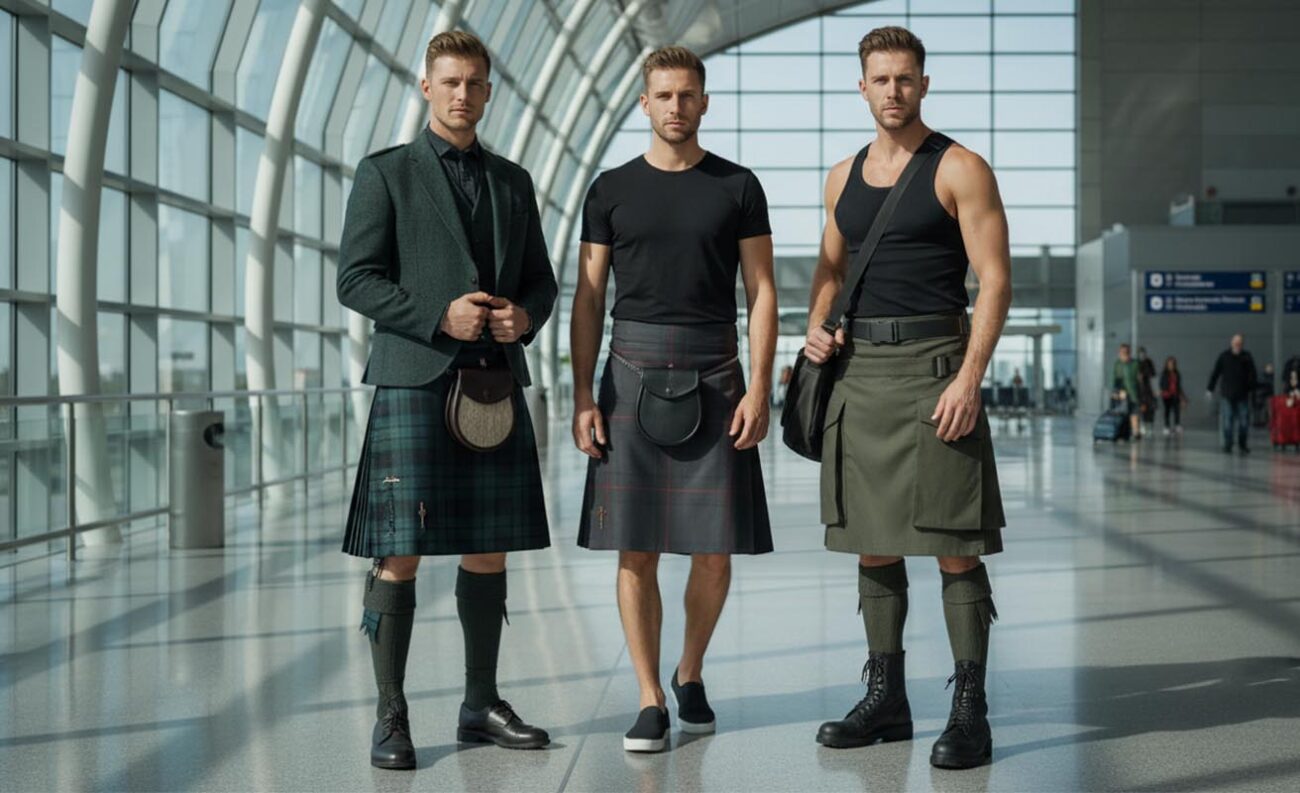
Not all kilts are created equal when it comes to travel readiness. Traditional wool kilts from Scotland typically weigh between four and eight pounds and contain yards of densely woven fabric. These heavyweight champions resist wrinkles naturally but take up significant luggage space and can strain your baggage weight allowance. Poly-viscose kilts offer a lighter alternative that folds more compactly, though they wrinkle more easily and may require steaming upon arrival. Utility kilts made from cotton or canvas blend durability with functionality, featuring multiple pockets that actually prove useful during travel. Modern casual kilts with contemporary construction often travel more forgivingly than formal eight-yard traditional versions.
The fabric weight determines your packing strategy significantly. Heavy wool kilts maintain pleat structure better during transport, but demand more careful weight distribution in your luggage to avoid exceeding airline limits. A traditional eight-yard wool kilt can consume nearly five pounds of your checked baggage allowance before you add any other items. Lighter synthetic fabrics compress well for space-saving but need protective layers to prevent crushing during transit. Before you pack, check your kilt’s care label for specific material instructions and washing guidelines. Some manufacturers provide travel recommendations that prevent warranty issues. Knowing whether your kilt requires dry cleaning only or tolerates gentle washing helps you prepare for extended trips where cleaning might become necessary.
The Professional Rolling Method That Actually Prevents Wrinkles
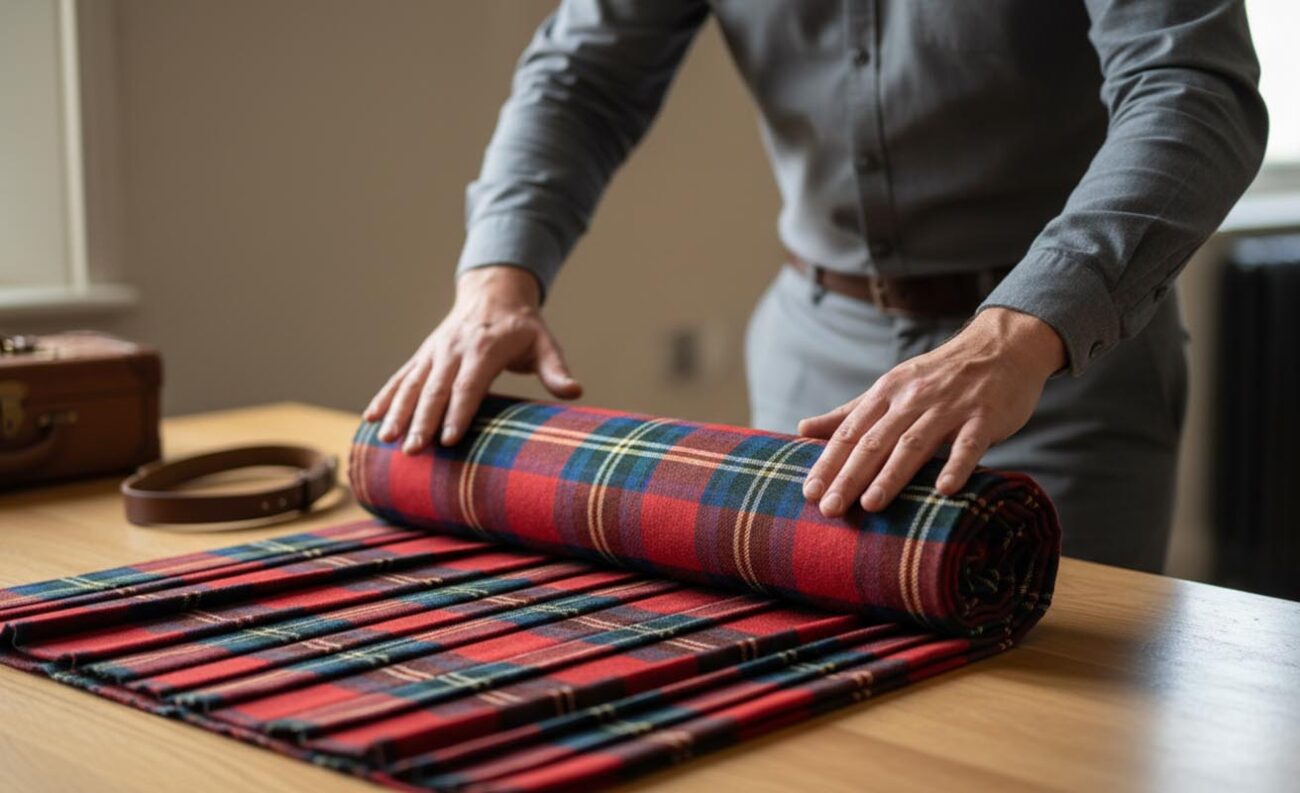
Most travelers instinctively want to fold their kilts, but this creates permanent creases that damage pleats and ruin the garment’s structure. The proper rolling technique preserves pleat alignment while minimizing wrinkles effectively. Start by laying your kilt completely flat on a clean surface with the outer apron facing down, and all pleats smoothed perfectly. Fasten all buckles and straps as if you were wearing it, ensuring the kilt is secured in its natural wearing position. Smooth out any existing wrinkles with your hands, paying special attention to the pleated section where creases form easily.
Beginning at one edge of the under apron, start rolling tightly toward the pleated section using steady, even pressure. As you approach the pleats, use a sweeping motion downward with your free hand to keep them aligned and flat against the surface. Continue rolling steadily until you reach the fringed edge of the front apron without stopping or adjusting. The entire kilt should now form a compact, tight cylinder that maintains pleat integrity. Secure this roll using a kilt strap purchased from Scottish outfitters, rubber bands wrapped in soft cloth to prevent marking, or the leg of an old nylon stocking that provides gentle compression. This final securing step prevents the roll from loosening during transport and protects your careful work.
Place your rolled kilt inside a breathable cotton bag or clean pillowcase before putting it into luggage to protect the fabric from snagging. This protective layer shields the wool from zippers, rough luggage interiors, and other items that might damage delicate fibers. For maximum protection during long international flights, consider investing in a specialized kilt roll tube available from Scottish retailers. These cylindrical carriers maintain the roll’s shape perfectly through baggage handling and often include separate compartments for accessories like sporrans, sgian dubhs, and kilt pins. Quality kilt rolls range from budget-friendly fabric versions to premium leather options with reinforced ends.
Smart Packing Solutions for Different Travel Scenarios
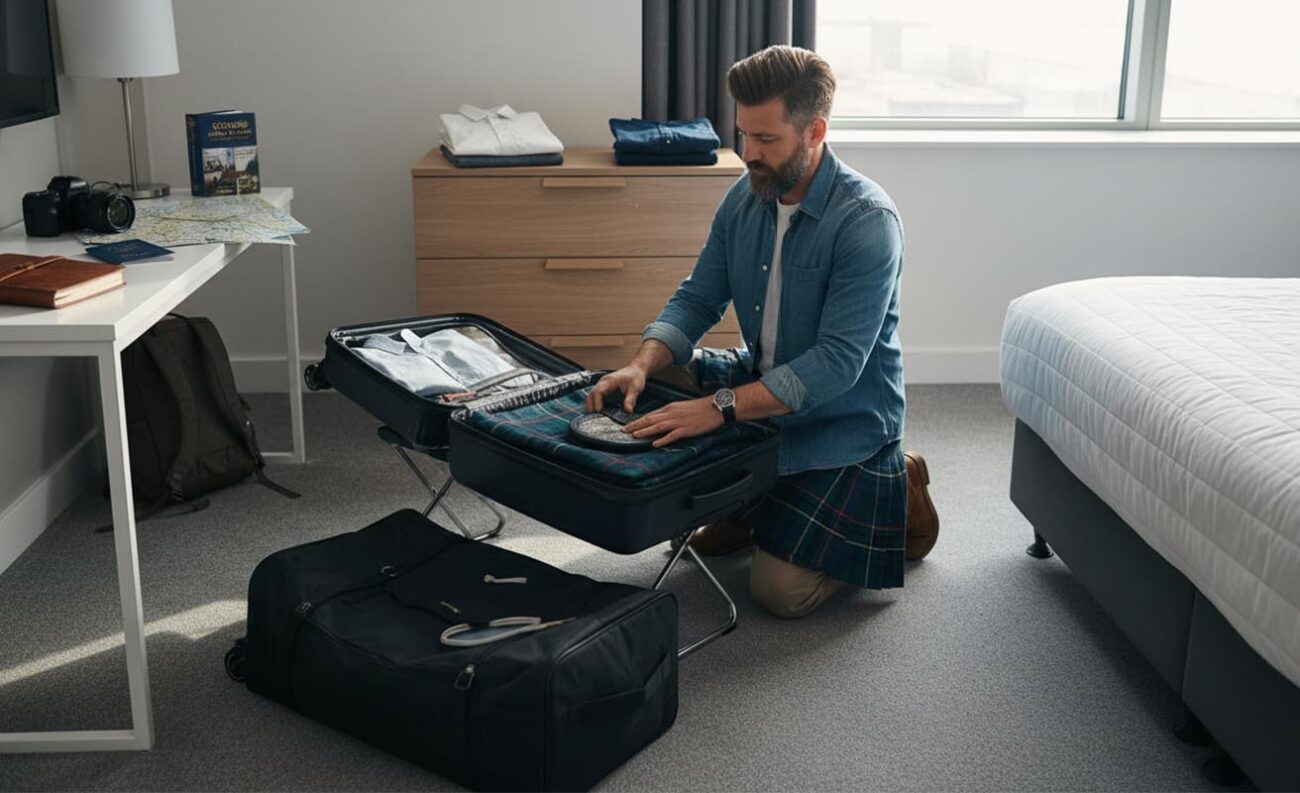
Carry-On Strategy for Formal Events:
- Use a wheeled garment bag designed specifically for suits and formal wear
- Keep the kilt as the top layer in the bag to prevent crushing from other items
- Position the garment bag horizontally in overhead bins rather than folding it
- Request early boarding from gate agents if traveling to important events
- Pack accessories separately in small protective pouches to prevent tangling
- Bring a portable steamer in checked luggage for quick touch-ups
Checked Luggage Approach for Casual Trips:
- Roll the kilt tightly using the method described above without shortcuts
- Surround the rolled kilt with soft items like sweaters and thermal underwear
- Place in luggage center surrounded by cushioning for maximum protection
- Use compression bags cautiously, as excessive pressure creates permanent creases
- Add cedar blocks wrapped in cloth for moth protection during extended trips
- Never place a kilt at the bottom, where heavy items will crush it
Your travel scenario determines the ideal packing approach completely. Destination weddings demand pristine kilt appearance upon arrival, making carry-on storage essential to avoid disasters. The risk of airlines losing checked luggage containing your only formal outfit for a wedding justifies the extra carry-on space and planning. Weekend festivals or casual Highland Games gatherings allow more flexibility with checked baggage since minor wrinkles won’t ruin photographs. Consider packing a backup casual outfit in a carry-on just in case checked bags get delayed by airline routing issues. Split your kilt accessories between carry-on and checked bags strategically so you have essential items regardless of luggage mishaps that airlines never compensate adequately.
Budget-conscious travelers can create effective DIY kilt protection using common household items without spending money. A large bath towel wrapped around your rolled kilt provides excellent cushioning against impacts during baggage handling. Standard cotton pillowcases work perfectly as garment bags without the premium price tag that specialty retailers charge. For international flights where luggage weight matters significantly and fees add up quickly, wearing your kilt during travel saves precious pounds toward your allowance. Many experienced kilt travelers wear lightweight athletic trousers underneath during flights, removing them discreetly in airport restrooms after clearing security screening. This clever approach keeps your kilt completely wrinkle-free while meeting strict airline weight restrictions that vary by carrier.
Specialized Kilt Carriers and Storage Solutions
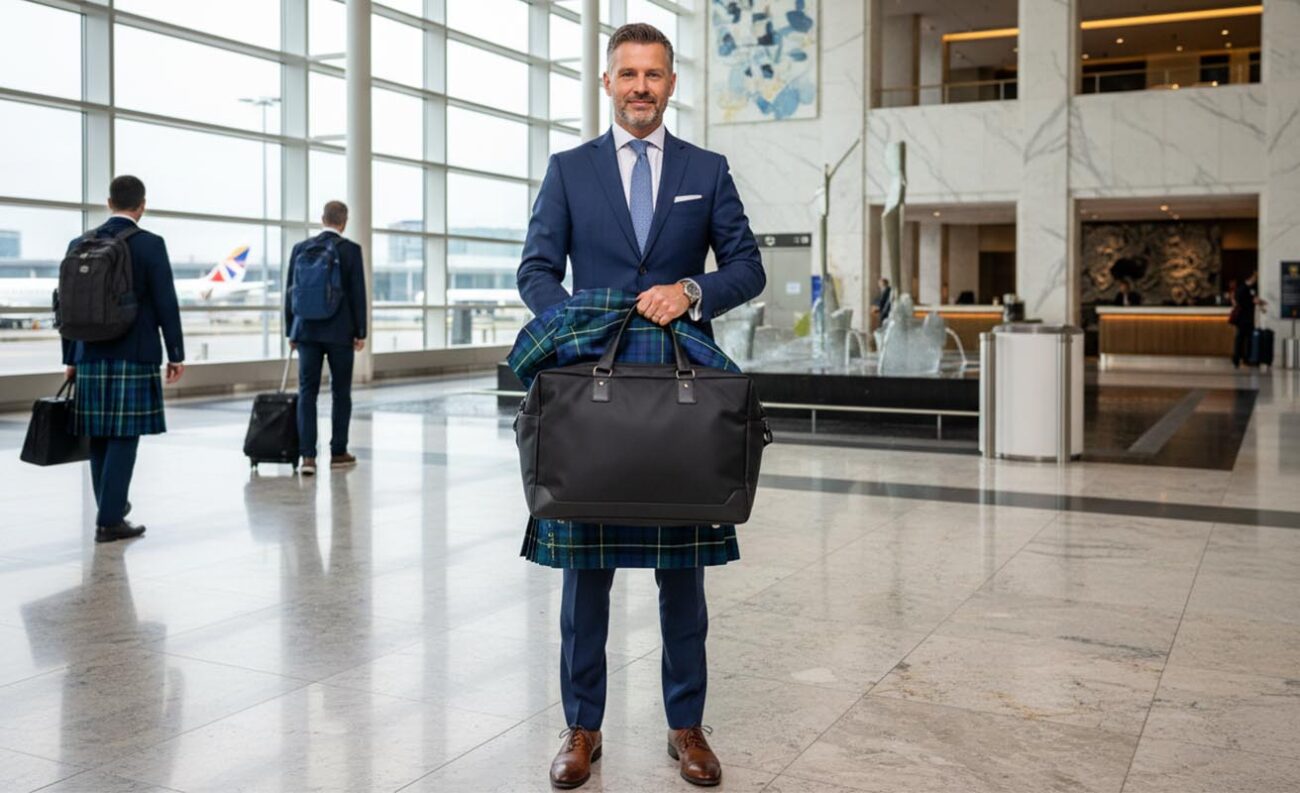
Professional kilt carriers represent a serious investment but deliver exceptional protection for valuable traditional kilts. The Outfitter Kilt Luggage Bag and similar products feature dedicated compartments for complete Highland dress outfits. These specialized bags include external pockets for sporrans and ghillie brogues, internal hanging systems for jackets and shirts, and integrated kilt rolls that prevent any wrinkle formation. Quality kilt carriers fold in half when empty, taking up minimal storage space in your closet between trips. The dual-strap carrying system distributes weight evenly across your shoulders during airport transit.
Deluxe kilt carrier systems from Houston Kiltmakers and other manufacturers are split into two components for versatility. The main garment section holds your kilt using professional hanging methods, while the accessories bag contains separate padded pockets for shoes, sporran, sgian dubh, belt, buckle, socks, flashes, and kilt pins. Both sections attach using heavy-duty zippers, creating one manageable package for airport check-in. When traveling light for day events, detach only the kilt section and leave accessories at your accommodation. These premium solutions cost significantly more than basic garment bags but prove worthwhile for frequent travelers attending multiple formal Highland events annually.
Cylindrical kilt roll tubes protect pleats better than any folding method through rigid construction. Hard-shell kilt tubes from specialty retailers withstand baggage handlers dropping luggage without transferring impact to your kilt inside. Soft-sided kilt rolls made from padded fabric cost less but provide adequate protection for most travel situations. Both styles keep your kilt rolled in the optimal position without shifting during transport. When selecting a kilt roll, measure your kilt’s rolled diameter and choose a tube with appropriate interior dimensions. Tubes that are too large allow movement, while overly tight options compress pleats excessively.
Navigating Airport Security With Traditional Highland Accessories
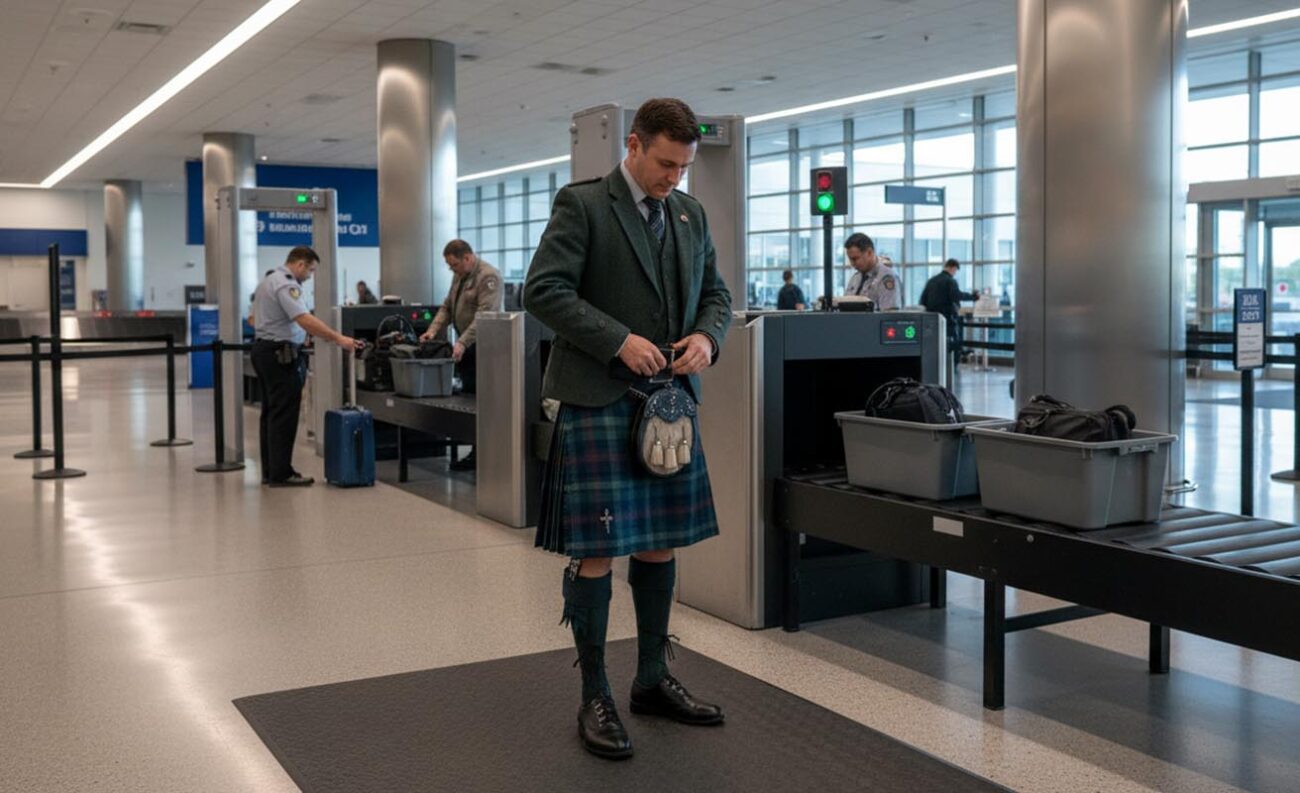
Airport security screening requires special preparation when traveling with complete Highland dress accessories that TSA agents rarely encounter. Your sgian dubh, the traditional Scottish knife worn tucked in the sock, absolutely cannot go in carry-on luggage under any circumstances. Transportation Security Administration officers and international equivalents classify all knives as prohibited weapons regardless of cultural significance or ceremonial purpose. Pack all sharp accessories, including sgian dubhs, in checked baggage to avoid confiscation and potential criminal charges. Safety sgian dubhs with rounded blades and bottle opener functions exist specifically for carry-on travel, though their usefulness remains debatable.
Kilt pins also raise security concerns during screening due to their pointed construction and metal content. While technically allowed in carry-on bags according to TSA guidelines, pins often trigger additional screening that delays your boarding process. Security agents unfamiliar with Highland dress may question the pin’s purpose and examine it closely. Smart travelers pack kilt pins in checked bags or wait to attach them after arrival at their destination to avoid complications. If you must carry a kilt pin in hand luggage, place it in an easily accessible pocket of your carry-on for quick removal during X-ray screening.
Metal belt buckles, sporran chains, and kilt buckles will set off metal detectors during screening without exception. Remove these items before entering the security scanner and place them in the provided bins alongside your shoes and electronics. If you’re wearing your kilt through security checkpoints, inform TSA officers beforehand about the garment’s construction and metal components. This simple courtesy speeds up the screening process significantly and prevents misunderstandings. Some airports offer private screening rooms if you prefer not removing your kilt in public view for body scanner examination. Request this accommodation politely if cultural or personal reasons make public removal uncomfortable.
The kilt itself rarely causes security issues when worn through checkpoints in Western airports. However, the multiple layers and pleated construction sometimes require additional screening through pat-down inspections. Officers perform these screenings professionally and respectfully in most major airports. Expect occasional pat-down inspections of the waistband area where buckles and straps create density that appears suspicious on scanners. Cooperating cheerfully and explaining the garment’s traditional construction usually results in smooth, quick processing without delays. One clever traveler hack involves wearing compression shorts or swim trunks under your kilt during security screening. If you need to remove the kilt for detailed inspection, you maintain complete modesty while officers examine the garment thoroughly for prohibited items.
Wearing Your Kilt During Flight Travel

Wearing your kilt while flying offers multiple advantages beyond just saving luggage space and weight allowances. Your kilt arrives at your destination completely wrinkle-free without any packing concerns or rolling techniques required. The garment’s natural drape while you sit during flights actually helps maintain pleat structure better than any storage method. Flight attendants frequently show interest in traditional Highland dress, creating positive interactions and memorable travel experiences. Some kilt wearers report receiving complimentary drinks or upgrades from Scottish-heritage crew members who appreciate seeing traditional dress honored.
Comfort during long flights requires strategic planning when wearing kilts aboard aircraft. Choose lightweight, breathable kilt fabrics rather than heavy winter-weight wool for flights longer than three hours. The cabin’s controlled temperature makes thick wool uncomfortable during extended sitting periods. When taking your seat, gather the pleats beneath you carefully to prevent crushing them against the seat back. Sit slightly forward initially, smooth the pleats down your thighs, then lean back into your seat position. This technique prevents awkward bunching and maintains pleat alignment throughout the flight duration.
Airplane bathrooms present unique challenges for kilt wearers needing to use facilities during flights. The confined space makes movement difficult with voluminous fabric. Before entering, remove your sporran and belt to create more room for maneuvering. Hang these accessories on the door hook provided in most airplane lavatories. Practice the motion of gathering your kilt efficiently at home before your first kilted flight to avoid struggling in tight quarters. Despite minor inconveniences, most seasoned kilt travelers agree that wearing Highland dress while flying creates memorable experiences and conversation opportunities with fellow passengers.
Climate Adaptation Strategies for Different Destinations

Tropical destinations require completely different kilt care approaches than Nordic countries or temperate climates. High-humidity environments make traditional wool kilts feel heavy and uncomfortable within hours of arrival. The moisture-wicking properties of quality wool actually work against you in rainforest climates where humidity never drops below seventy percent. Consider bringing a lightweight poly-viscose kilt specifically for hot, humid locations where comfort trumps traditional authenticity. These synthetic fabrics dry faster after exposure to rain or sweat and feel less oppressive during outdoor events in tropical heat. Pack moisture-wicking athletic undergarments specifically designed for high-performance activities. These technical layers prevent sweat from saturating your kilt’s waistband during extended wear in temperatures exceeding ninety degrees.
Desert climates with dry heat suit traditional wool kilts surprisingly well despite scorching temperatures. The fabric’s natural breathability allows air circulation that keeps you cooler than heavy trousers or jeans in arid conditions. However, dust and sand pose unique preservation challenges that humid climates never create. Bring a dedicated clothes brush to remove desert particles before they work deep into fabric fibers, where they’re impossible to extract. After wearing your kilt in dusty outdoor conditions, shake it vigorously outdoors before bringing it into your hotel room or accommodation. This prevents carpets from collecting transferred sand that damages vacuum cleaners. Air your kilt for several hours after each wearing in dry climates to release absorbed heat and allow moisture evaporation.
Cold-weather destinations demand a strategic layering beneath your kilt that traditional Scots never needed in milder climates. Thermal leggings or long underwear provide essential warmth without compromising the kilt’s appearance from the outside. Modern thermal base layers come in skin-tone colors that remain invisible under your kilt even when walking. Thick wool socks and insulated waterproof footwear become critical accessories rather than optional additions. Some kilt wearers invest in specially designed thermal hose that look traditional while providing modern insulation technology. In extremely cold conditions below freezing, consider wearing your kilt over waterproof hiking pants until you reach your indoor destination venue. This practical approach protects your expensive kilt from winter precipitation while keeping you warm during outdoor transit between locations.
Rainy climates require waterproofing strategies that traditional Highland dress didn’t originally consider necessary in Scotland’s climate. Modern travelers can apply fabric protector spray designed specifically for wool garments before their trip begins. These professional treatments create water-resistant barriers without affecting fabric breathability or color appearance. Apply waterproofing spray outdoors in well-ventilated areas and allow complete drying for twenty-four hours before packing. Carry a compact travel umbrella specifically to shield your kilt during unexpected downpours that weather apps never predict accurately. Some manufacturers offer waterproof kilt covers that resemble rain capes and drape over your entire outfit. These accessories prove invaluable during Scottish spring travel when the weather changes hourly without warning.
Complete Highland Outfit Accessories and Travel Tips
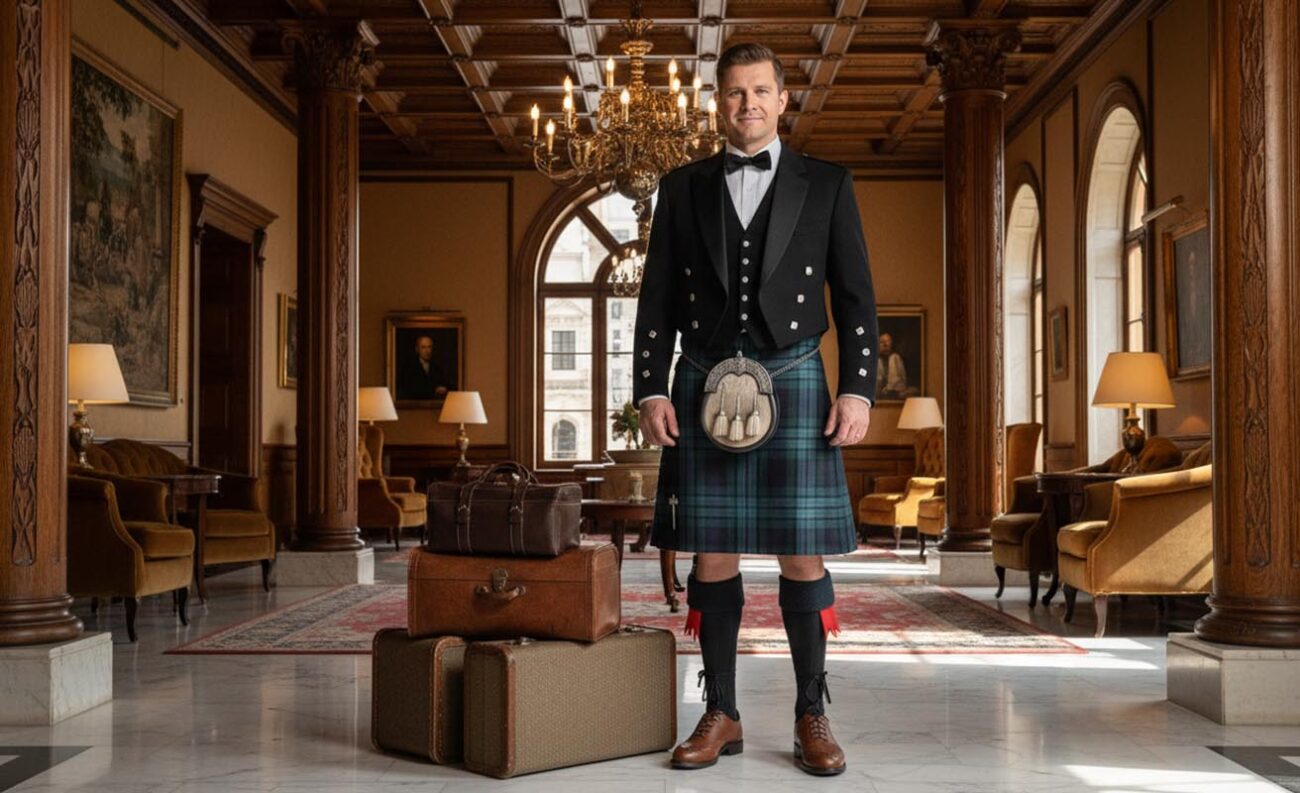
Traveling with a complete Highland dress outfit requires organizing numerous small accessories that easily get lost in luggage. Create a dedicated accessories kit using a toiletry bag or small packing cube specifically for kilt components. Store your sporran, sgian dubh, kilt pin, belt buckle, flashes, and any brooches together in one location. This organization prevents frantic searching through multiple bags when dressing for events. Label each compartment clearly if using a multi-pocket organizer to speed up your preparation routine.
Sporrans require special packing attention due to their decorative elements and chain attachments. Fur sporrans need protection from crushing that flattens their appearance permanently. Wrap your sporran in acid-free tissue paper before placing it in a protective box or hard-sided case. Coil the sporran chain carefully to prevent tangling with other items in your luggage. Leather sporrans travel more durably but still benefit from protective wrapping. Never pack sporrans at the bottom of suitcases where heavy items will compress them. For dress sporrans with elaborate metalwork or precious stones, consider carrying them in your personal item bag rather than checked luggage.
Ghillie brogues and traditional Highland footwear demand protection during travel to maintain their appearance. Stuff shoe interiors with socks or tissue paper to help them hold their shape during transport. Place shoes in cloth bags rather than plastic to allow leather to breathe and prevent mildew formation. Pack shoes along the sides of your suitcase where they provide structural support while protected from crushing. If traveling with multiple pairs of shoes, alternate their orientation to maximize space efficiency. Clean and polish your brogues before packing them to prevent dirt transfer to other items. Bring spare laces for ghillie brogues as these long laces frequently break while wearing.
Emergency Fixes and On-the-Road Maintenance Solutions
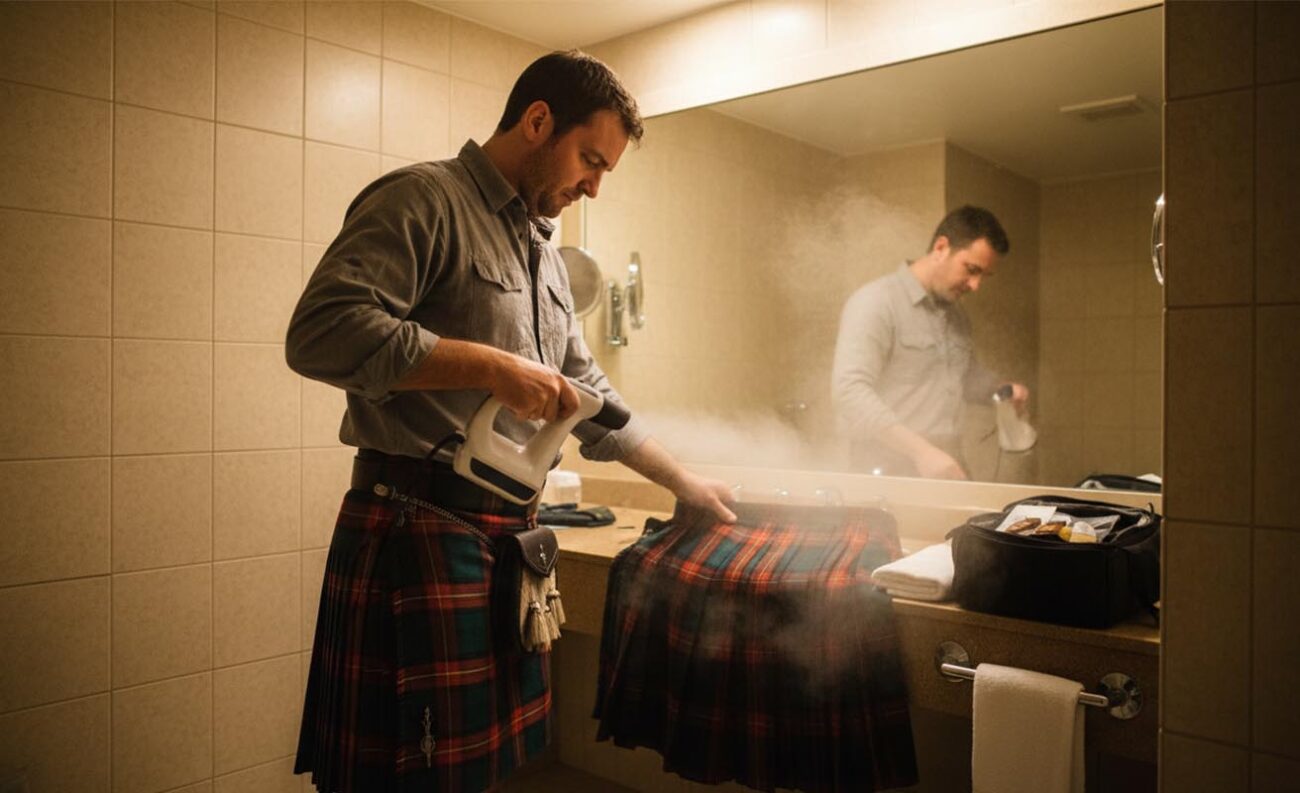
Despite careful packing, travel mishaps happen to even the most prepared kilt wearers. Knowing quick emergency fixes saves formal events from complete disaster when problems arise. Wrinkles that appear during transit often release with a simple bathroom steam treatment available in any hotel. Hang your kilt in the bathroom while running the hottest shower water for fifteen minutes minimum. The steam penetrates fabric fibers deeply and relaxes minor creases effectively without touching the garment. Keep the kilt away from direct water spray to prevent soaking. After steaming, hang the kilt in the open air near a window for at least two hours to dry completely. This method works brilliantly for last-minute touch-ups one hour before important events begin.
Stubborn wrinkles that resist steam treatment require more aggressive intervention with heat application. Most hotels provide irons upon request, though using them on expensive kilts requires extreme caution and proper technique. Never apply an iron directly to kilt fabric, especially the outer apron side with visible tartan. Place a clean white cotton towel over the area needing attention to protect fibers from scorching. Set your iron to the wool setting without the steam function initially to test heat levels. Press down firmly rather than sliding the iron back and forth across the fabric. This pressing motion prevents pleat distortion that sliding movements cause. For pleats specifically, avoid ironing unless necessary, as professional kilt makers spend hours setting pleats properly.
Stains acquired during travel need immediate attention before they set permanently into wool fibers. Blot liquid spills with a clean, dry white cloth immediately without rubbing the affected area. Never rub stains vigorously, as this pushes them deeper into wool fibers where they become impossible to remove. Carry a small travel-size bottle of wool-safe spot cleaner in your toiletry bag for emergencies. Test any cleaning product on an inconspicuous interior area first before applying it to visible sections. For oil-based stains from food, cornstarch or talcum powder absorbs excess oil effectively when sprinkled generously and left overnight. Brush off the powder thoroughly the next morning using a soft-bristled clothes brush.
Loose threads or minor tears can be temporarily secured using clear nail polish applied carefully to fraying edges. This emergency technique prevents further unraveling until proper professional repairs become possible after returning home. Keep a small sewing kit with thread matching your kilt’s dominant tartan color for basic repairs. Elementary stitching skills allow you to reattach buttons or reinforce stressed seams that start separating. For sporran straps that break unexpectedly, strong safety pins provide temporary attachment solutions that remain hidden. These quick fixes won’t win craftsmanship awards from Highland dress judges, but keep you presentable during important events far from professional tailors.
Cultural Etiquette When Wearing Kilts Internationally

Wearing a kilt outside Scotland or the Celtic nations attracts significant attention and numerous questions from curious locals. Most interactions prove positive and interesting rather than negative or mocking in Western countries. However, understanding cultural sensitivities prevents awkward situations in conservative regions. In some Middle Eastern countries, men wearing skirt-like garments may face confusion or unwanted commentary from people unfamiliar with European traditions. Research your destination’s cultural norms regarding traditional dress before planning to wear your kilt extensively in public spaces.
Asian countries typically show fascination and respectful interest toward traditional clothing from other cultures worldwide. Japanese travelers particularly appreciate the craftsmanship and cultural preservation aspects of Highland dress traditions. Taking time to explain your kilt’s tartan significance and historical context creates positive cultural exchanges with interested strangers. Many experienced wearers carry small printed cards explaining kilt basics in major languages like Spanish, French, German, Japanese, and Mandarin. These cards answer common questions and demonstrate respect for your host country’s language and customs.
The inevitable question about what you wear under your kilt appears during international travel without exception. Prepare a polite, humorous response that shuts down inappropriate curiosity without causing offense or creating conflict. Professional kilt wearers often respond with traditional phrases like nothing is worn, everything’s in perfect working order or simply that’s for me to know and you to wonder about. Setting boundaries firmly but cheerfully discourages pushy questioners while maintaining a friendly demeanor. Remember that children asking innocent questions deserve patient, age-appropriate explanations about cultural dress traditions that educate rather than dismiss.
Photography requests happen frequently when wearing kilts abroad in tourist destinations. Most travelers appreciate others finding their traditional dress interesting enough to photograph. However, you control consent for photographs and should never feel obligated. Politely declining inappropriate photo requests remains your absolute right regardless of location. Some wearers charge small voluntary donations to local charities for posed photographs, turning attention into positive fundraising opportunities. This approach works particularly well at major tourist destinations where street performers commonly work for tips.
Long-Term Storage Solutions During Extended Travel
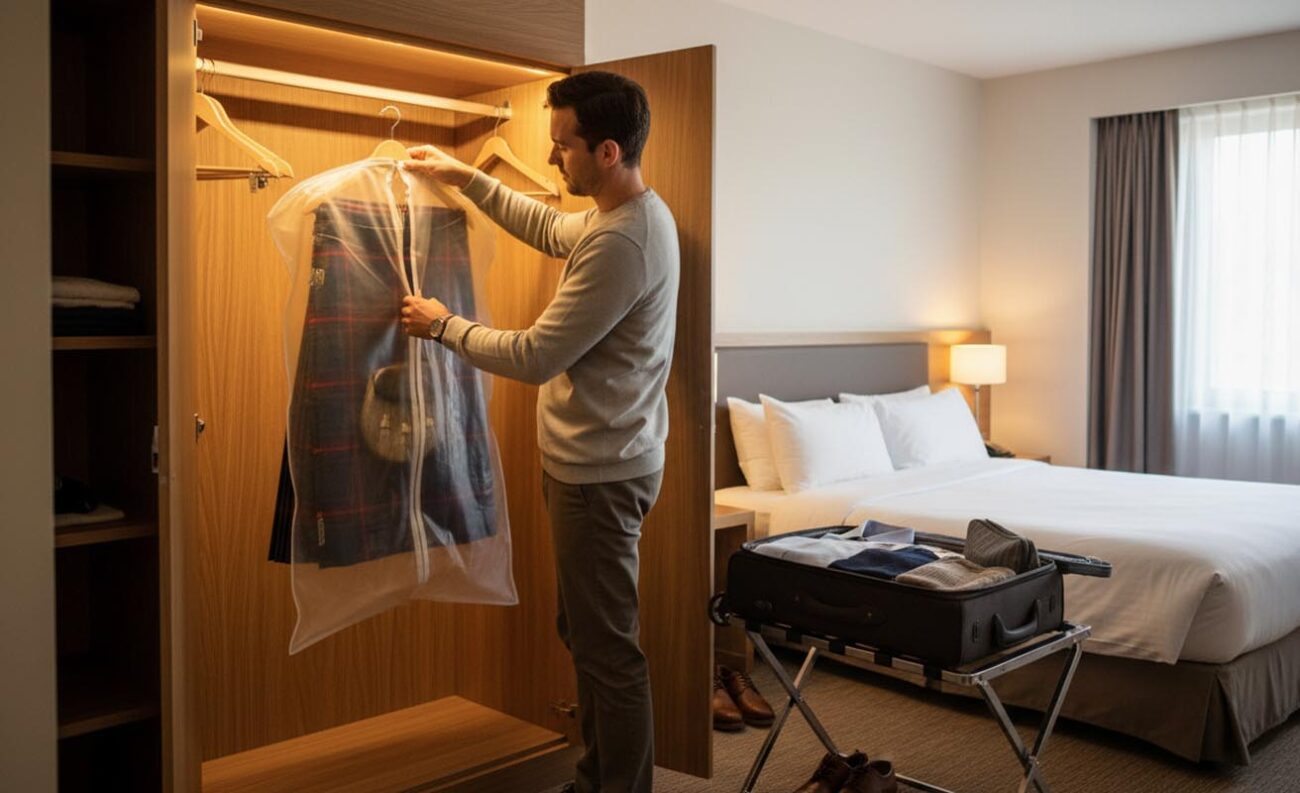
Multi-week trips require different storage strategies than short weekend getaways to nearby cities. Hotel closets rarely provide ideal kilt storage conditions due to poor ventilation and musty odors. Bring portable clip hangers with multiple attachment points specifically designed for distributing kilt weight evenly. These specialized hangers prevent front apron sagging that occurs with regular hangers designed for lightweight garments. Hanging your kilt immediately upon hotel arrival allows the fabric to breathe properly and release travel compression accumulated during transport.
Room humidity affects wool kilts significantly during extended stays in tropical or coastal locations. Hotels with air conditioning create dramatic moisture fluctuations that encourage mildew growth on natural fibers. Remove your kilt from closets periodically and air it near open windows where fresh air circulates. Avoid leaving kilts sealed in garment bags for multiple consecutive days without airing. Fabric needs regular air circulation to prevent musty odors from developing. Bring cedar blocks or lavender sachets to place in hotel closets near your hanging kilt. These natural moth repellents protect expensive wool while adding a pleasant fragrance that masks hotel room odors.
For stays longer than two weeks, investigate local dry cleaning services early in your trip rather than waiting until emergencies. Many international cities have experienced cleaners familiar with traditional garments from various cultures. Ask hotel concierges for specific recommendations rather than choosing randomly from phone directories. Testing cleaner quality with less important clothing first provides peace of mind before entrusting your valuable kilt. Keep detailed dry cleaning receipts and service information for insurance documentation purposes. Document your kilt’s condition with dated photographs before handing it over for cleaning in case quality issues arise.
Vacation rentals and Airbnb accommodations sometimes lack proper hanging space entirely or provide only plastic hangers. Bring over-door hooks that allow kilt hanging without damaging walls or leaving marks. These portable solutions work in any accommodation type from hostels to luxury apartments. For camping or budget hostel travel, rolling your kilt tightly and storing it in a waterproof stuff sack protects against moisture and crushing better than leaving it loose. Change storage methods based on accommodation quality rather than using one-size-fits-all approaches that don’t adapt.
Post-Travel Care and Restoration Techniques
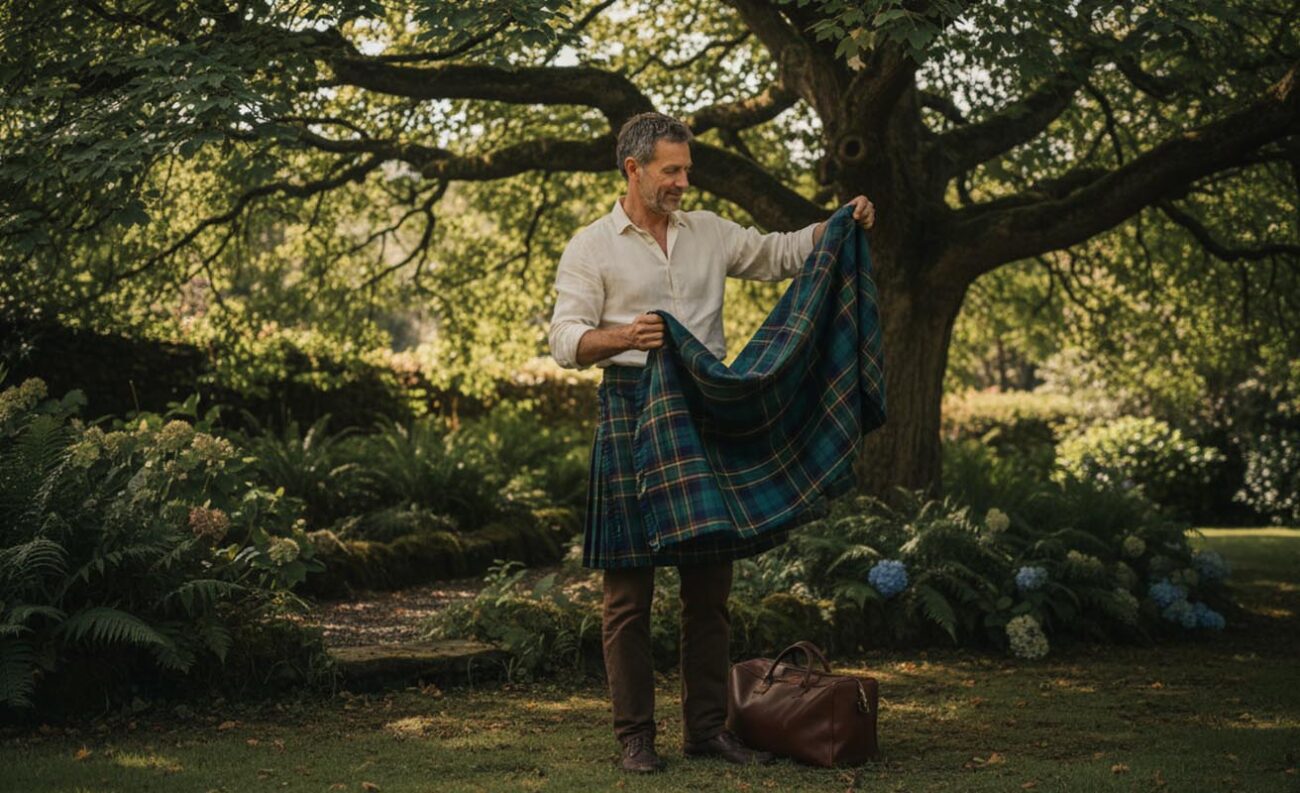
Your kilt needs dedicated attention immediately after returning home from travel, rather than simply hanging it away. Don’t make the common mistake of putting it in your closet and forgetting about it until the next wearing occasion. Air the kilt outdoors in shade for several hours minimum to allow fabric recovery. Direct sunlight can fade tartan colors over time, so choose shaded areas with good air circulation. This outdoor airing releases accumulated travel odors from hotels, restaurants, and transportation. Check carefully for stains or damage acquired during the trip that you might have missed while traveling.
Inspect pleats carefully under good lighting for distortion or crushing that occurred during transport. Most pleats recover naturally when hung properly for several days without intervention. If pleats look significantly flattened despite hanging, professional steaming restores their crisp appearance effectively. Many dry cleaners offer pressing services specifically for kilts at reasonable prices. This professional touch-up costs considerably less than full dry cleaning while restoring appearance between regular wearings. Document any serious damage with clear photographs for insurance claims if your kilt suffered airline mishandling or hotel storage issues.
Moths pose serious threats to expensive wool kilts, especially after travel through luggage compartments. Airplane cargo holds and budget hotel rooms sometimes harbor these fabric-destroying pests. Examine your kilt thoroughly under bright light for tiny holes or tarval evidence. Place the kilt in a sealed bag with moth-prevention products for several days as a quarantine measure. This precaution prevents introducing moths to your home wardrobe, where they’ll destroy other wool items. Better to discover preventable damage early than find devastating holes months later when preparing for your next event.
Professional dry cleaning once annually maintains kilt quality regardless of travel frequency or wearing occasions. Choose experienced cleaners familiar with traditional Scottish garments rather than standard chain operations. Many cities have Scottish cultural organizations that recommend trusted service providers through their networks. Explain your kilt’s construction details and any special concerns when dropping it off. Quality cleaners appreciate detailed information that helps them provide better, specialized service. After professional cleaning, store your kilt using proper wide hangers in cool, dark closet locations. Cover with breathable cotton garment bags rather than plastic covers, which trap moisture and encourage mildew growth.
Traveling with a kilt transforms from a stressful challenge to a confident routine with proper preparation and accumulated knowledge. These time-tested strategies come from experienced Highland dress wearers who’ve successfully transported kilts across continents to dozens of countries. Your kilt represents valuable cultural heritage and significant personal investment worth protecting during all travel. Taking extra care ensures this magnificent traditional garment arrives at your destination looking as impressive as when you packed it, ready to make unforgettable impressions wherever your adventures lead you next.
Frequently Asked Questions About Traveling With Kilts
No, you absolutely cannot bring a sgian dubh in carry-on luggage, as TSA and international security agencies classify all knives as prohibited weapons. Pack your sgian dubh in checked baggage only, or consider purchasing a decorative safety sgian dubh with no blade for travel purposes.
The professional rolling method works best when you lay the kilt flat, fasten all straps, and roll tightly from the under apron toward the pleats. Secure the roll with kilt straps or soft bands, then place it inside a breathable cotton bag surrounded by soft items in your luggage center.
Wearing your kilt during flights keeps it completely wrinkle-free and saves luggage weight, making it ideal for destination weddings or formal events. However, for casual trips, packing using the rolling method in checked baggage works perfectly fine and offers more comfort during long flights.
Hang your kilt in the bathroom and run the hottest shower for 15 minutes to create steam that releases wrinkles naturally. Keep the kilt away from direct water spray, then hang it in open air for two hours to dry completely before wearing.
Yes, kilts can safely pass through X-ray machines without any damage to the fabric or tartan colors. However, metal buckles and kilt pins will trigger metal detectors, so remove these accessories beforehand and place them in security bins for smooth screening.