

Blog
What Is A Bagpipe Medley? Complete Guide to Understanding This Musical Tradition
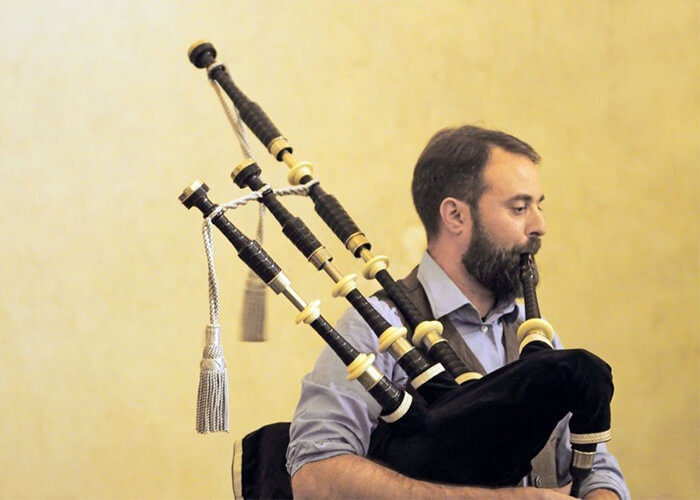
When you hear the powerful, soul-stirring sound of bagpipes at a wedding ceremony, military parade, or Highland games competition, chances are you’re experiencing what pipers call a bagpipe medley. This intricate musical form represents centuries of Scottish tradition combined with modern artistry, creating performances that can leave audiences breathless. Understanding what makes a bagpipe medley special helps you appreciate the skill, dedication, and cultural heritage behind every performance.
Defining the Bagpipe Medley: A Seamless Musical Journey

A bagpipe medley is fundamentally a continuous sequence of multiple tunes played without stopping, creating a unified musical experience that takes listeners on an emotional journey. Unlike playing individual tunes with pauses in between, a well-crafted medley weaves different pieces together into a cohesive performance that typically lasts anywhere from three to twelve minutes, depending on the occasion and competition grade. The art lies not just in selecting the right tunes, but in creating smooth transitions that feel natural and inevitable, as if each tune was always meant to flow into the next.
What sets bagpipe medleys apart from other musical arrangements is the unique challenge posed by the instrument itself. The Great Highland bagpipe produces a constant sound through its drones, making it impossible to simply stop between tunes. This continuous legato quality means pipers must master sophisticated transition techniques, using grace notes, held notes, and rhythmic patterns to signal the end of one tune and the beginning of another. This technical challenge has shaped the entire art form, pushing pipers to develop creative solutions that have become defining characteristics of bagpipe music.
The construction of a bagpipe medley requires careful consideration of multiple factors, including key relationships, tempo compatibility, rhythmic variety, and emotional progression. Experienced pipe majors and arrangers spend months crafting competition medleys, testing different tune combinations, adjusting tempos, and refining every transition until the entire performance flows as smoothly as a Highland stream. This meticulous attention to detail separates memorable performances from forgettable ones, creating musical experiences that resonate with audiences long after the final notes fade.
Traditional Tune Types That Form Bagpipe Medleys
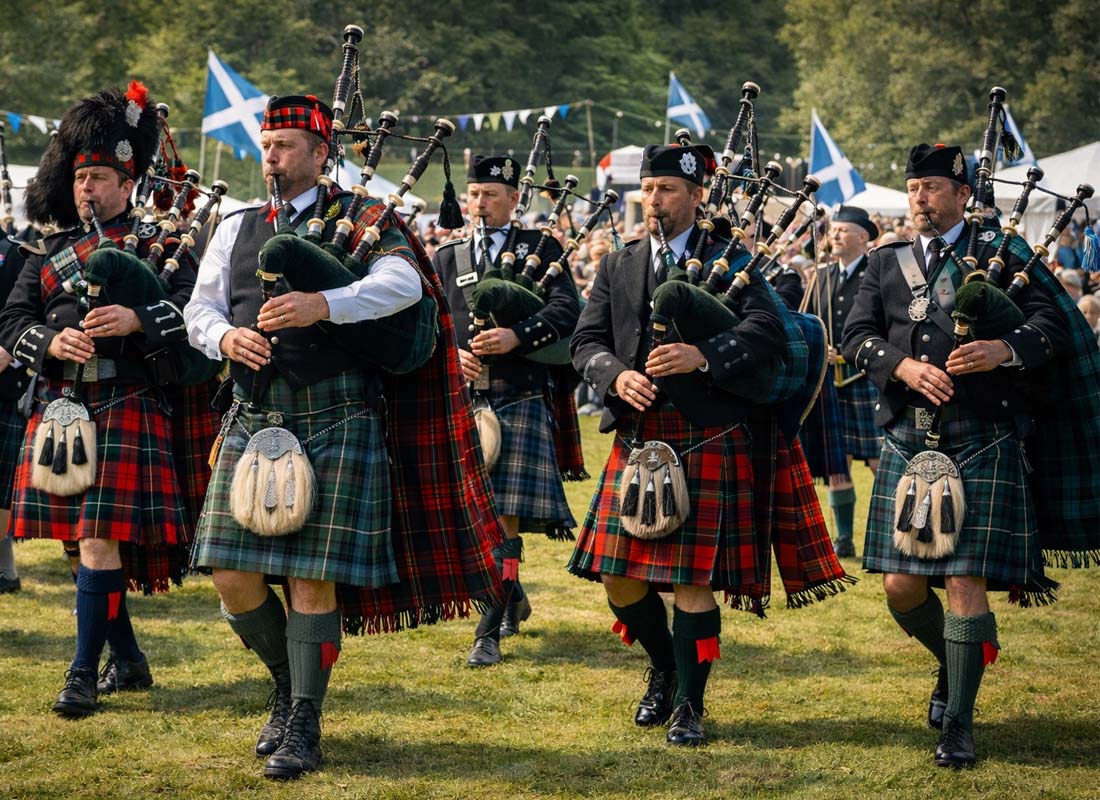
The rich tapestry of a bagpipe medley draws from several distinct categories of traditional Scottish music, each bringing its own character and rhythm to the overall performance. Understanding these tune types helps you recognize the structure and appreciate the complexity of what you’re hearing when you encounter a bagpipe medley.
Marches form the backbone of most bagpipe medleys, particularly in competition settings where bands must march into the performance circle while playing. These tunes come in various time signatures, with 2/4 marches being perhaps the most recognizable, featuring a strong rhythmic pulse that makes them perfect for parade ground work. The steady, driving beat of a march sets the tone for many medleys, establishing both the tempo and the emotional foundation upon which the rest of the performance builds. Famous marches like Scotland the Brave and Highland Laddie have become synonymous with Scottish identity worldwide.
Essential tune types in bagpipe medleys:
- 2/4 and 4/4 Marches – Rhythmic foundation tunes with military precision
- Strathspeys – Distinctive Scottish dance music with characteristic dotted rhythms
- Reels – Fast, energetic dance tunes that showcase technical skill
- Jigs – Lively 6/8 time tunes with a bouncing, infectious rhythm
- Slow Airs – Emotional, melodic pieces that provide dramatic contrast
- Hornpipes – Driving dance tunes with syncopated rhythms
Strathspeys represent one of Scotland’s most distinctive musical contributions to the world. These tunes in 4/4 time feature a unique rhythmic pattern with heavily dotted notes that create a characteristic “Scotch snap” or “Scots catch” – a quick note followed by a longer one. Playing strathspeys requires precise timing and strong rhythm, as the emphasis falls on the first and third beats of each measure. The deliberate, dignified pace of a strathspey provides perfect contrast to the energetic reels that often follow them in the traditional March, Strathspey, Reel (MSR) format that has dominated bagpipe competitions for generations.
Reels bring excitement and virtuosity to any medley. These fast-paced dance tunes in 4/4 time demand technical precision, as pipers must execute rapid finger movements while maintaining perfect ensemble coordination with their bandmates. The sheer energy of a well-played reel can electrify audiences, making them lean forward in anticipation as the tempo builds toward a climactic finish. Traditional reels like Miss Proud and The Rejected Suitor have been competition favorites for decades, though modern composers continue to create new reels that push the boundaries of what’s possible on the instrument.
Jigs in 6/8 time add rhythmic variety to medleys with their lilting, dance-like quality. The six-beat pattern creates a different feel from the four-beat marches and reels, giving listeners’ ears something fresh and engaging. Slip jigs in 9/8 time take this even further, creating an almost hypnotic flow that showcases the melodic capabilities of the bagpipe. Slow airs provide the emotional heart of many modern medleys, offering moments of reflection and beauty that contrast dramatically with the driving energy of marches and reels. These melodic pieces allow pipers to demonstrate their musical expression and interpretive skills.
The Evolution of Competition Medleys
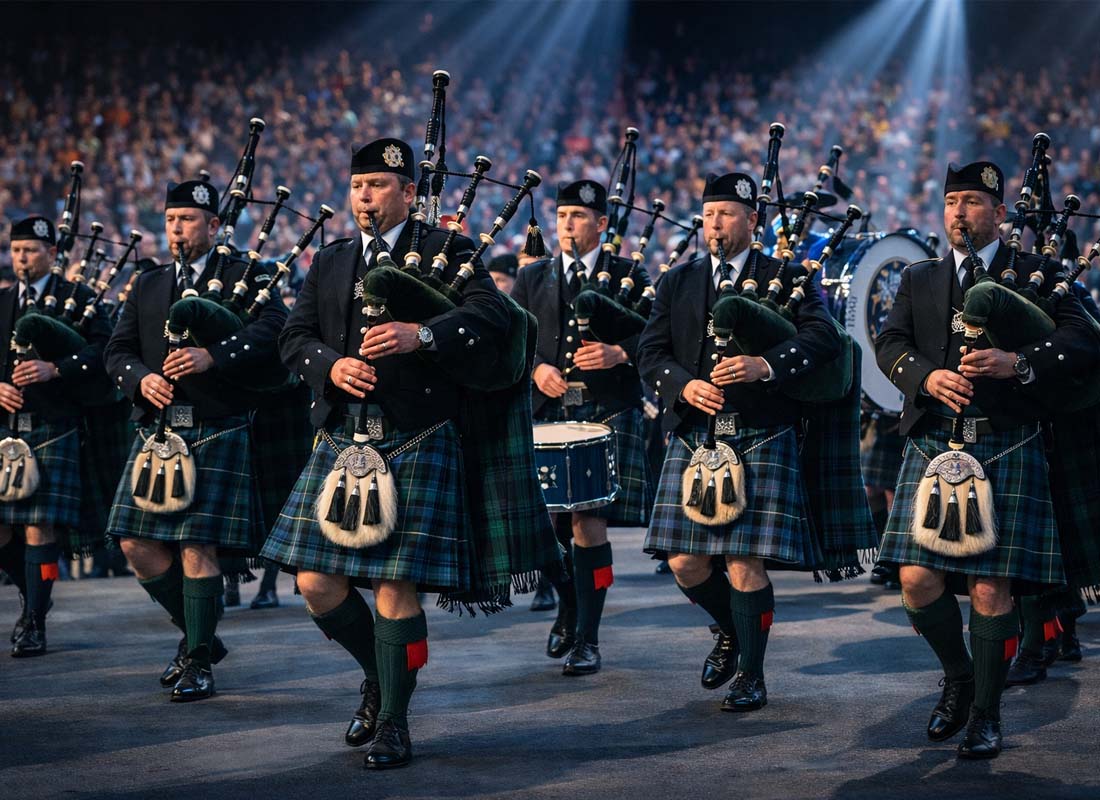
Competition medleys have evolved dramatically over the past century, reflecting changing attitudes toward tradition, innovation, and musical excellence. In the early days of organized pipe band competitions, medleys were relatively straightforward affairs, typically following the MSR format with minimal embellishment or experimentation. Bands would march into the competition circle playing a 2/4 march, transition into a strathspey, and finish with a reel, all within a fairly narrow range of traditional tune selections. Judges evaluated primarily technical precision, tuning quality, and ensemble unity.
The landscape began shifting significantly in the latter half of the 20th century as top-grade bands started pushing creative boundaries. Pioneering pipe majors began incorporating slow airs into their medleys, adding emotional depth that transformed the format from a technical exercise into genuine artistic expression. The introduction of harmony parts allowed bands to create richer, more complex soundscapes that showcased both individual skill and collective musicianship. Modern competition medleys now feature multiple key changes, varied time signatures, extended slow air sections with dramatic builds, and original compositions that exist nowhere else in the bagpipe repertoire.
Today’s Grade 1 bands at the World Pipe Band Championships present medleys that can include everything from traditional 18th-century tunes to cutting-edge contemporary compositions, sometimes within the same five-to-seven-minute performance. Bands like Field Marshal Montgomery, Inveraray and District, and Simon Fraser University have set new standards for what’s possible, inspiring lower-grade bands to experiment with their own arrangements. This evolution hasn’t been without controversy, as traditionalists sometimes criticize modern medleys for prioritizing complexity over melodic beauty, but the ongoing dialogue between tradition and innovation keeps the art form vital and relevant.
The judging criteria for competition medleys encompass multiple dimensions of performance excellence. Tone and tuning remain paramount – even the most creative medley will score poorly if the pipes aren’t properly tuned or if the sound lacks richness and depth. Ensemble precision matters enormously, as all pipers must execute every embellishment identically, hit every cut-off together, and maintain unified rhythmic drive throughout. Musical expression separates good performances from great ones, as judges reward bands that play with conviction, appropriate dynamics through phrasing, and genuine emotional communication. Originality in tune selection and arrangement can provide an edge, though it must serve the music rather than simply showcasing novelty for its own sake.
Creating Medleys for Different Occasions

The purpose and setting of a bagpipe medley dramatically influence its construction, as performances crafted for competition differ significantly from those designed for weddings, military ceremonies, or casual gatherings. Understanding these distinctions helps explain why pipers might have several different medleys in their repertoire, each tailored to specific contexts and audiences.
Wedding medleys prioritize emotional impact and recognition factor over technical complexity. When a bride walks down the aisle to Highland Wedding or when the newly married couple exits the church to Scotland the Brave, the goal is to create a memorable moment that enhances the ceremony’s significance. Wedding pipers typically select well-known tunes that guests will recognize, avoiding obscure pieces that might confuse listeners. The tempo remains moderate and dignified, matching the solemnity and joy of the occasion. Many wedding pipers incorporate local or family tunes into their medleys, personalizing the performance for the specific couple and creating unique memories. At Scotland Kilt Collection, traditional Scottish weddings often feature these carefully curated medleys as part of complete Highland dress ceremonies.
Military and ceremonial medleys carry the weight of tradition and honor. These performances often include historic military marches that have accompanied Scottish regiments into battle for centuries, along with laments that memorialize fallen soldiers and patriots. The pace remains steady and measured, reflecting the formal dignity of military protocol. Tunes like The Battle of Waterloo, The Bloody Fields of Flanders, and The Heroes of St. Valery speak to specific historical events, connecting present-day listeners with their ancestral past. Many military pipe bands maintain medleys specifically designed for remembrance services, changing of the guard ceremonies, and regimental celebrations.
Concert and casual performance medleys offer the greatest creative freedom, allowing pipers to experiment with tune combinations that might not work in competition settings. A concert medley might include humorous tunes, regional favorites, contemporary compositions, or arrangements that tell a story through musical narrative. These performances can run longer than competition medleys since time constraints don’t apply, potentially including ten or more tunes that showcase the full range of the bagpipe’s capabilities. Street pipers and buskers often develop signature medleys that become their calling cards, mixing crowd-pleasing favorites with unexpected selections that keep regular listeners engaged.
Mastering the Art of Transitions Between Tunes
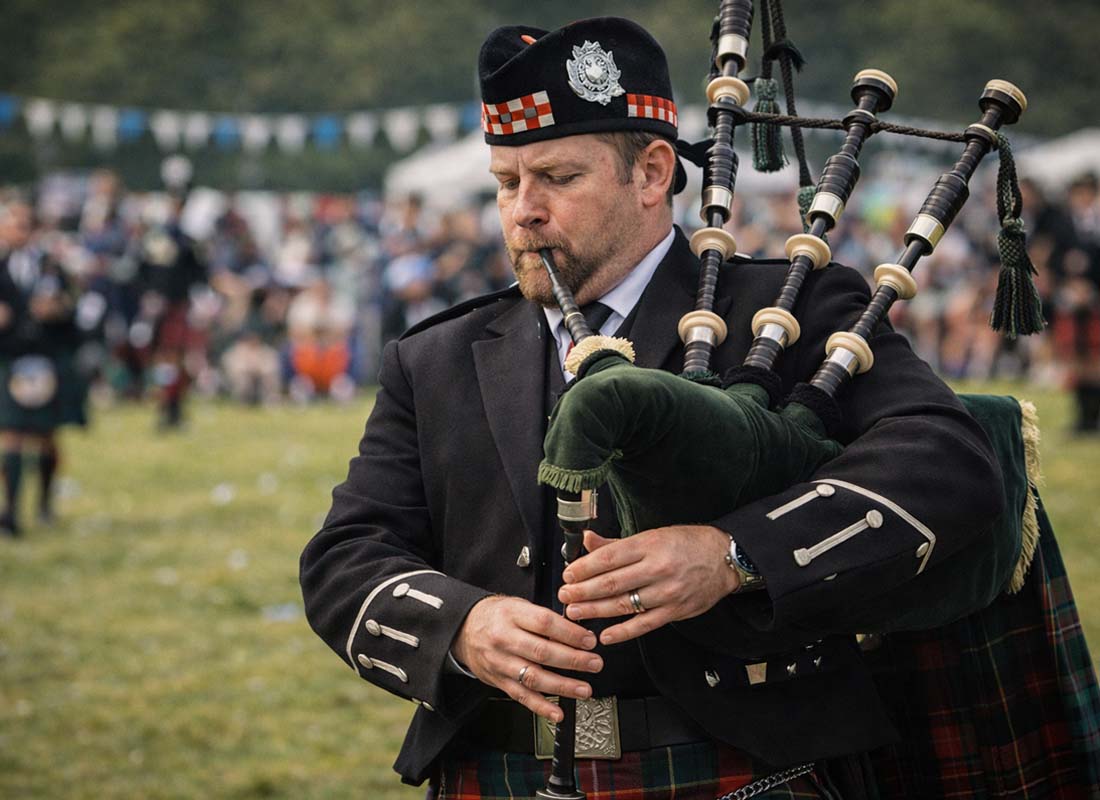
The technical challenge that defines bagpipe medley performance lies in creating seamless transitions between tunes. Since the drones produce constant sound and the chanter cannot easily rest, pipers must employ various sophisticated techniques to signal tune changes while maintaining the continuous flow that characterizes bagpipe music.
The most common transition technique involves holding specific notes longer than written, creating a brief moment of stasis that signals to both fellow performers and listeners that a change is coming. A piper might hold a final low A for several extra beats before launching into the next tune, giving everyone time to prepare mentally for the shift. In ensemble settings, the entire band executes these holds together with absolute precision, as even a half-beat discrepancy between pipers destroys the unity of the transition. Drummers play a crucial role during transitions, often providing rhythmic signals through specific patterns or rolls that announce the impending change.
Key relationships between consecutive tunes significantly impact the effectiveness of transitions. Moving from a tune in A major to one in D major creates a sense of lift and forward momentum, as the new key feels brighter and more energized. Conversely, shifting from D major to B-flat major introduces a darker, more grounded quality. Experienced arrangers use these key changes strategically to build emotional arcs within their medleys, creating moments of tension and release that keep audiences engaged. Some contemporary medleys include modulations within individual tunes, further expanding the harmonic palette available to arrangers.
Grace note patterns function as musical punctuation in bagpipe medleys, providing emphasis and articulation that help delineate tune boundaries. A distinctive throw or grip played simultaneously by all pipers can effectively announce the start of a new section, while specific embellishment patterns associated with particular tune types help listeners orient themselves within the medley’s structure. The challenge lies in making these technical necessities sound musical rather than mechanical, integrating them smoothly into the overall performance so they enhance rather than interrupt the flow.
The Role of Harmony and Arrangement in Modern Medleys
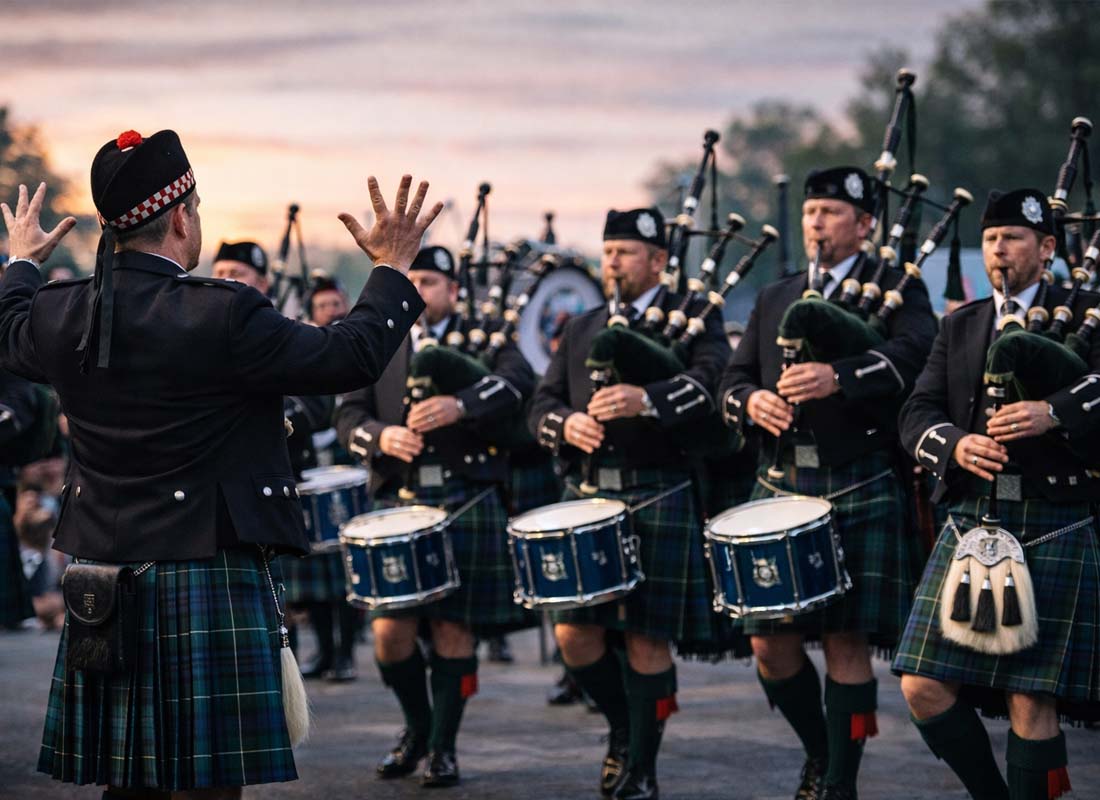
Contemporary bagpipe medleys increasingly feature sophisticated harmony arrangements that add richness and complexity to the traditional single-melody-line approach. While earlier generations of pipe bands focused primarily on unison playing, modern top-grade bands employ two, three, or even four-part harmonies that create a fuller, more orchestral sound from the bagpipes.
Effective harmony writing for bagpipes requires understanding the instrument’s limitations and strengths. The bagpipe’s limited nine-note range restricts the harmonic possibilities compared to instruments with wider ranges, forcing arrangers to be creative with voice leading and chord construction. The constant presence of the drones in A and A an octave lower means any harmony must work with these pitches, which can be both a constraint and an opportunity for creating unique harmonic colors. The best harmony arrangements enhance the melody rather than competing with it, supporting and enriching the main tune while allowing it to remain clearly audible.
- Multi-part harmony sections create rich textures
- Countermelodies that provide interest during repetitions
- Rhythmic variations between parts for added complexity
- Strategic unison passages for maximum impact
- Dynamic contrast through texture changes
- Extended developmental sections exploring musical themes
Counter-melodies offer another layer of sophistication in modern medleys. Rather than simply harmonizing the main melody, some arrangers create independent melodic lines that interweave with the primary tune, creating polyphonic textures that add depth and interest. This approach works particularly well during repeated sections, where the counter-melody prevents the repetition from becoming monotonous. The technical challenge for bands lies in balancing these various lines so each remains audible and contributes to the overall musical effect.
Texture changes within medleys provide dynamic contrast even though bagpipes cannot play louder or softer in the traditional sense. By moving from unison playing to multi-part harmony and back again, arrangers create the illusion of dynamic variation. A passage where all pipers play the melody in unison produces maximum power and impact, while sections featuring delicate harmony work can feel relatively softer and more intimate. Strategic deployment of these textural changes throughout a medley helps maintain listener interest and creates dramatic high points.
Learning to Play and Appreciate Bagpipe Medleys

For aspiring pipers looking to master medley performance, the journey begins with thoroughly learning individual tunes before attempting to connect them. Each tune in your medley should be so deeply ingrained that you can play it flawlessly while thinking about something else entirely. This level of mastery frees your mind to focus on ensemble coordination, expression, and the transition points between tunes. Many pipers make the mistake of trying to learn entire medleys too quickly, resulting in shaky technique and uncertain transitions that undermine the overall performance.
Practicing with a metronome develops the rock-solid timing essential for ensemble playing. While musical expression involves subtle tempo variations and rhythmic flexibility, maintaining a steady underlying pulse allows multiple pipers to stay perfectly synchronized. Recording your practice sessions and listening critically reveals problems you might miss while playing. The microphone hears things differently than your ears while you’re blowing pipes, exposing timing issues, embellishment inconsistencies, and tonal problems that need addressing. Developing honest self-assessment skills accelerates improvement dramatically.
When constructing your own medley, whether for competition or performance, start by choosing tunes you genuinely love and connect with emotionally. Your passion for the material communicates itself to audiences, making even technically imperfect performances compelling. Consider the overall emotional arc you want to create – should your medley build gradually to an exciting climax, or perhaps start with high energy before pulling back for a contemplative slow air? Think about key relationships and tempo compatibility between tunes, ensuring smooth transitions that feel natural. Most importantly, play your planned medley for experienced pipers and listen to their feedback, remaining open to suggestions even if they challenge your initial vision.
The Cultural Significance of Bagpipe Medleys in Modern Society
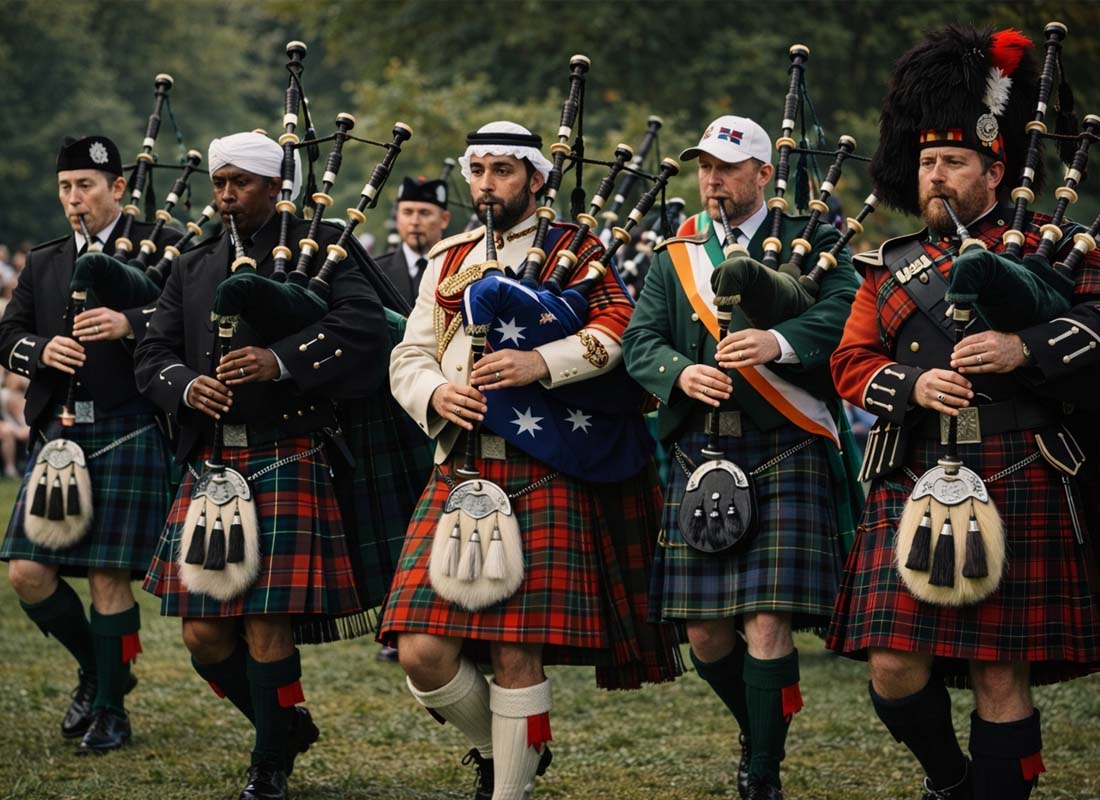
Bagpipe medleys serve as living bridges between Scotland’s rich historical heritage and contemporary cultural expression. When you hear a pipe band performing a medley that includes centuries-old tunes alongside brand-new compositions, you’re witnessing the continuation of traditions that connect modern Scots with their ancestors. Many traditional tunes carry stories of battles won and lost, of heroes celebrated and fallen comrades mourned, of daily life in the Highlands before industrialization changed everything. These tunes preserve aspects of Scottish history and identity that might otherwise be forgotten.
Yet bagpipe medleys remain vital and relevant rather than mere museum pieces precisely because the tradition continues to evolve. Contemporary pipers honor their heritage while pushing creative boundaries, ensuring that bagpipe music speaks to modern audiences in contemporary language. Young composers write new tunes that reflect current sensibilities and experiences while respecting the fundamental characteristics that make bagpipe music distinctive. This balance between preservation and innovation keeps the tradition alive and meaningful for new generations of pipers and listeners.
The global community of bagpipers extends far beyond Scotland’s borders, with active pipe bands and solo competitors throughout North America, Australia, New Zealand, and beyond. These international pipers bring diverse perspectives and influences to the tradition, sometimes incorporating elements from their own cultures into their bagpipe playing. The result is a rich, multicultural bagpipe scene that respects its Scottish roots while embracing global possibilities. Annual competitions like the World Pipe Band Championships bring this international community together, fostering exchanges of ideas and approaches that continue to enrich the entire tradition.
The Future of Bagpipe Medley Performance

Looking ahead, bagpipe medleys seem poised for continued evolution and experimentation. Young pipers coming up through the ranks today have access to more learning resources, recording technology, and global connections than any previous generation. They’re exposed to wider musical influences beyond the traditional bagpipe repertoire, incorporating ideas from classical music, jazz, rock, and world music traditions. This cross-pollination promises to yield exciting new directions for medley composition and performance.
Technology plays an increasing role in how medleys are created, practiced, and shared. Recording software allows arrangers to experiment with harmony parts and tune combinations before bringing them to the full band, saving rehearsal time and allowing more complex arrangements. Video platforms enable pipers worldwide to study performances by top bands, learning techniques and approaches that might have remained regional secrets in earlier eras. Online communities provide forums for discussing medley construction, sharing arrangements, and debating the merits of various approaches to the art form.
Competition standards continue to rise as bands push each other to greater heights of technical precision and artistic expression. What seemed impossibly complex twenty years ago has become standard practice for top-grade bands today. This escalation drives innovation as bands search for ways to distinguish themselves from competitors, leading to increasingly sophisticated arrangements and performance concepts. At the same time, there’s growing appreciation for simplicity and melodic beauty, with some judges and audiences pushing back against arrangements that prioritize complexity over musicality. The tension between these opposing forces will likely shape the future direction of competition medleys.
Experiencing Bagpipe Medleys as a Listener
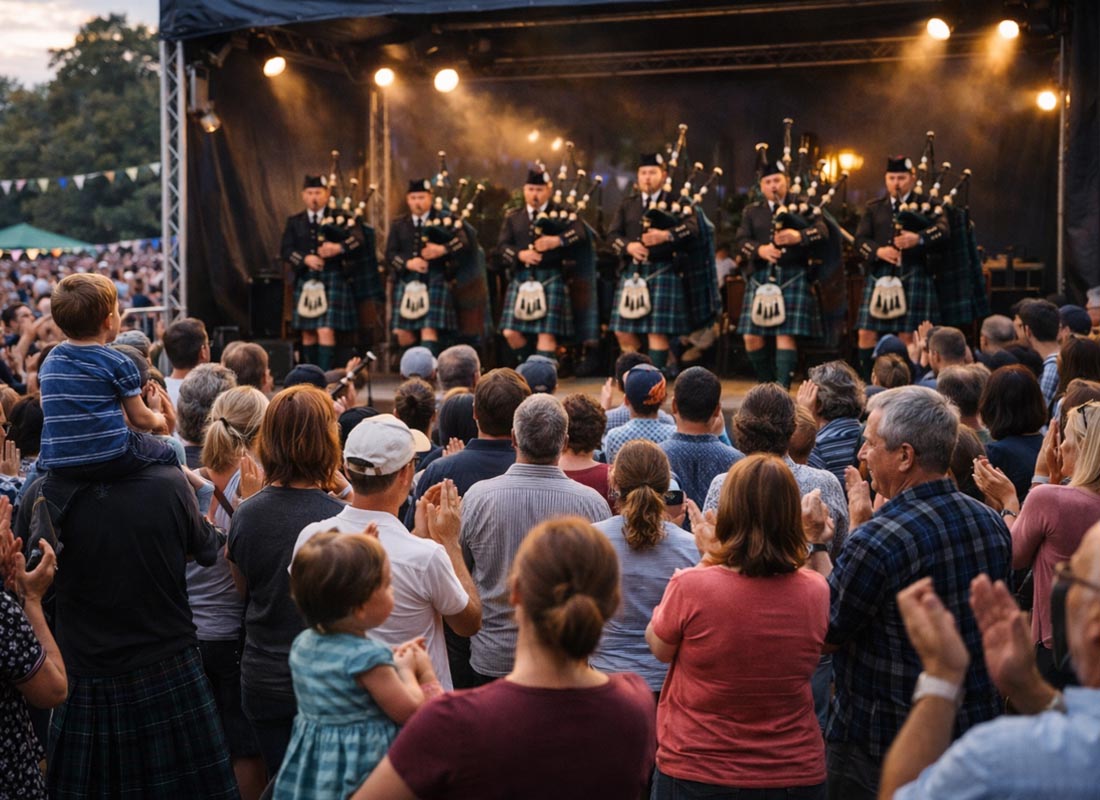
Even if you never intend to play the bagpipes yourself, developing an ear for what makes great medley performances can deepen your appreciation of this remarkable musical tradition. Start by listening to recordings of top-grade bands, paying attention to how they construct their medleys and create transitions between tunes. Notice the balance between melody and harmony, the way tempo changes affect emotional impact, and how tune selection creates narrative flow through the performance.
Attending live performances offers dimensions of experience that recordings cannot capture. The physical presence of a pipe band creates visceral impact – you don’t just hear the music, you feel it resonating in your chest and bones. The visual spectacle of kilted pipers and drummers in perfect synchronization adds to the total experience. Watching how pipe majors communicate with their bands through subtle gestures provides insight into the coordination required for successful ensemble playing. If possible, attend competitions where you can compare different bands’ approaches to medley construction and performance.
When you encounter bagpipe medleys in various contexts – at weddings, military ceremonies, or street performances – take a moment to consider what you’re hearing. Recognize the skill required to play multiple tunes continuously while maintaining tuning and coordination. Appreciate the centuries of tradition behind even the newest compositions. Notice how the music affects you emotionally, creating feelings of excitement, solemnity, joy, or melancholy depending on the context and tune selection. This mindful listening enriches your experience and connects you more deeply with the cultural heritage the music represents.
Frequently Asked Questions About Bagpipe Medleys
For beginners starting with the practice chanter, expect six to twelve months before moving to full bagpipes. Once comfortable on the pipes, learning a simple three-tune medley takes several weeks of dedicated practice. Complex competition medleys with harmony parts and challenging transitions can take months to master, even for experienced pipers.
MSR stands for March, Strathspey, Reel – the traditional competition format that starts with a march, transitions into a strathspey with distinctive Scottish rhythm, and finishes with a fast reel. Modern formats expand beyond this to include slow airs, jigs, hornpipes, and contemporary compositions in creative sequences.
Yes! Modern medleys frequently blend traditional tunes with original compositions. Top-grade bands often commission new pieces from composers or have pipe majors write custom material. This combination of centuries-old traditions with cutting-edge compositions keeps the art form vibrant and innovative.
Pipers use several techniques, including holding notes longer to signal changes, using grace note patterns as musical punctuation, coordinating with drummers for rhythmic signals, and selecting tunes with compatible keys. In pipe bands, all musicians must execute transitions with perfect unity through extensive rehearsal.
Competition medleys prioritize technical excellence and originality to impress judges, typically lasting five to seven minutes with challenging passages. Wedding medleys focus on emotional impact and recognition, featuring well-known tunes that enhance the ceremony with moderate tempos and dignified pacing.
Reading music helps but isn’t required. Many pipers learn through listening and memorization, as bagpipe tradition has strong roots in oral transmission. However, music reading skills speed up learning and make exploring new tunes easier as you progress in your piping journey.
Conclusion: The Timeless Appeal of Bagpipe Medleys

A bagpipe medley represents far more than simply stringing together a few tunes and playing them in sequence. It embodies centuries of Scottish musical tradition, countless hours of dedicated practice, sophisticated artistic decisions about arrangement and expression, and the ongoing vitality of a living cultural heritage. From the continuous drone that characterizes all bagpipe music to the intricate embellishments that provide articulation and emphasis, every aspect of a bagpipe medley reflects the unique character of this remarkable instrument.
Whether performed by competition-level Grade 1 bands at the World Championships, solo pipers at intimate wedding ceremonies, or military pipe bands at state occasions, bagpipe medleys connect us with Scottish history and culture in profound ways. They remind us that traditions need not be static or frozen in time to remain meaningful – instead, the most vital traditions evolve and adapt while maintaining their essential character and connection to the past.
The next time you hear those distinctive drones begin their steady hum and the chanter launches into the opening tune of a medley, you’ll have a deeper understanding of what makes this musical form so special. You’ll recognize the technical challenges the pipers are navigating, appreciate the artistic choices reflected in tune selection and arrangement, and connect with the cultural significance embedded in every note. That awareness transforms casual listening into genuine appreciation of one of Scotland’s greatest contributions to the world’s musical heritage.