
Blog
Why Was Prince Charlie Named After A Jacket? The Complete Historical Truth Revealed
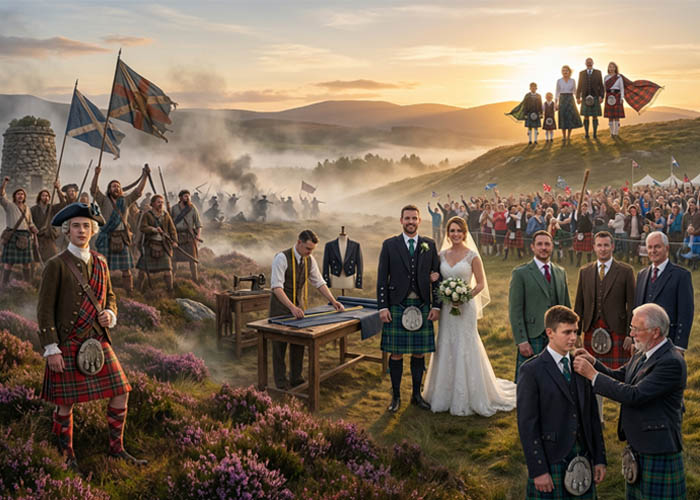
Have you ever wondered about the connection between Scottish royalty and formal Highland wear? The question “Why was Prince Charlie named after a jacket?” is one of the most common misconceptions in Scottish fashion history. The truth might surprise you because the story is actually backward from what most people think. Prince Charles Edward Stuart, famously known as Bonnie Prince Charlie, was not named after any piece of clothing. Instead, the elegant Prince Charlie jacket that graces formal Scottish occasions today was named in his honor, decades after his death. This fascinating tale connects rebellion, romance, and Scottish heritage in ways that continue to influence modern formal wear across the globe.
Understanding this connection requires exploring the dramatic life of a Scottish prince, the failed rebellion that made him a legend, and how 20th-century tailors transformed his memory into one of the most recognized pieces of Highland dress. The Prince Charlie jacket represents far more than elegant tailoring. It embodies Scottish pride, cultural preservation, and the enduring power of historical figures to inspire generations long after their time has passed.
The Real Bonnie Prince Charlie: Scotland’s Legendary Royal Rebel
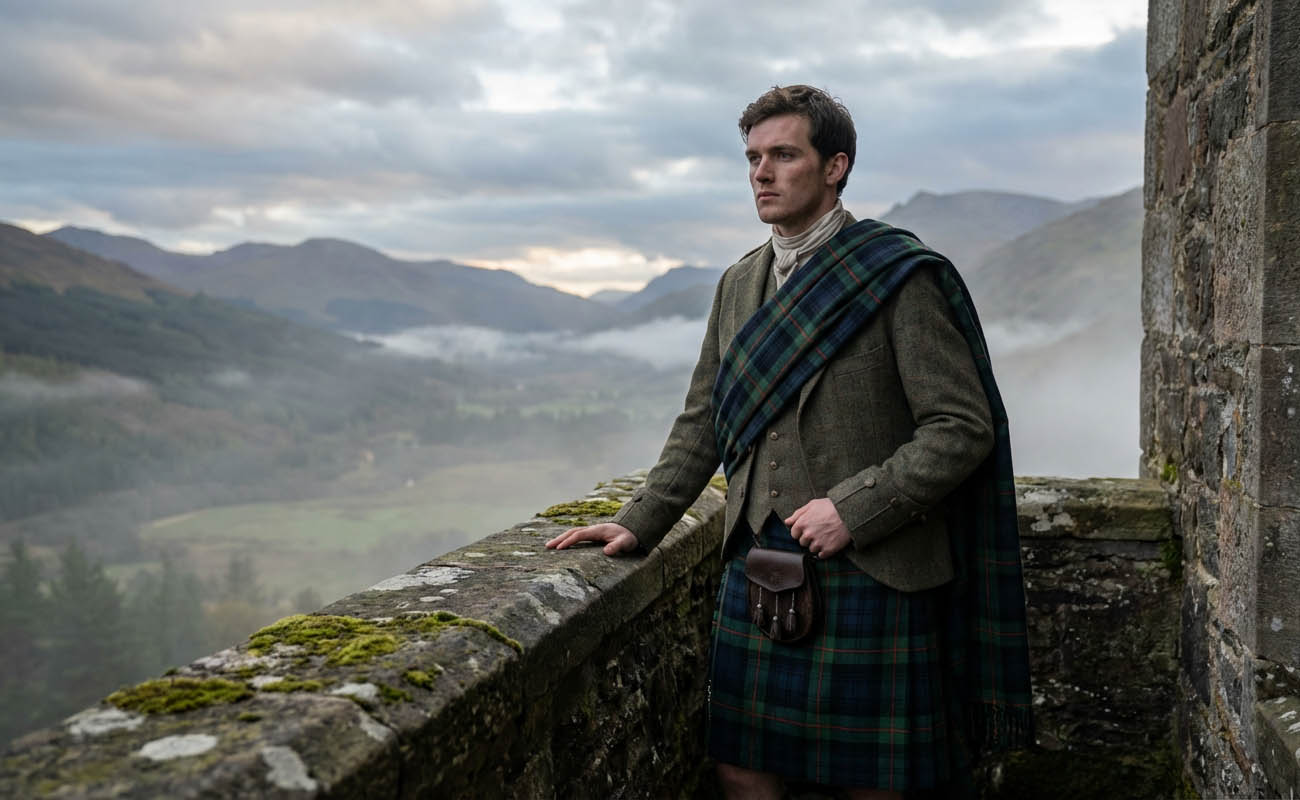
Charles Edward Stuart was born on December 31, 1720, in Rome, Italy, where his family lived in exile after losing the British throne. As the grandson of King James II and VII, who was deposed in 1688, young Charles grew up surrounded by courtiers who called him the rightful heir to the English, Scottish, and Irish crowns. His father, James Francis Edward Stuart, was known as the Old Pretender, while Charles himself earned the nickname the Young Pretender. These titles reflected the family’s persistent claim to a throne they had lost but never forgotten.
The Stuart family believed deeply in the divine right of kings, and young Charles was raised with one clear purpose: to reclaim what they saw as their birthright. His childhood in the palazzo gifted by Pope Clement XI was privileged yet filled with the weight of expectation. Every lesson, every conversation, every preparation pointed toward the day he would lead an army to restore Stuart rule. That day would come in 1745, when Charles was just 24 years old, setting in motion events that would cement his place in Scottish legend forever.
Despite his Italian upbringing, Charles became a symbol of Scottish resistance and Highland culture. His charisma, courage, and unwavering determination captured the imagination of supporters and historians alike. Even today, more than two centuries after his death, the name Bonnie Prince Charlie evokes romantic images of tartan-clad warriors, misty Highland glens, and the spirit of Scottish independence that refused to die even in defeat.
The 1745 Jacobite Rising: When Charles Became A Legend
In July 1745, Prince Charles Edward Stuart landed on the Scottish island of Eriskay with a small group of supporters, minimal supplies, and enormous ambition. Without the major French backing that had been hoped for, Charles managed to convince Scottish clan chiefs to support his cause by presenting them with a stark choice: rise with him and possibly face the British government’s military might, or abandon him and their principles. His persuasive charm and passionate belief in his mission proved powerful enough to rally the Highland clans to his banner.
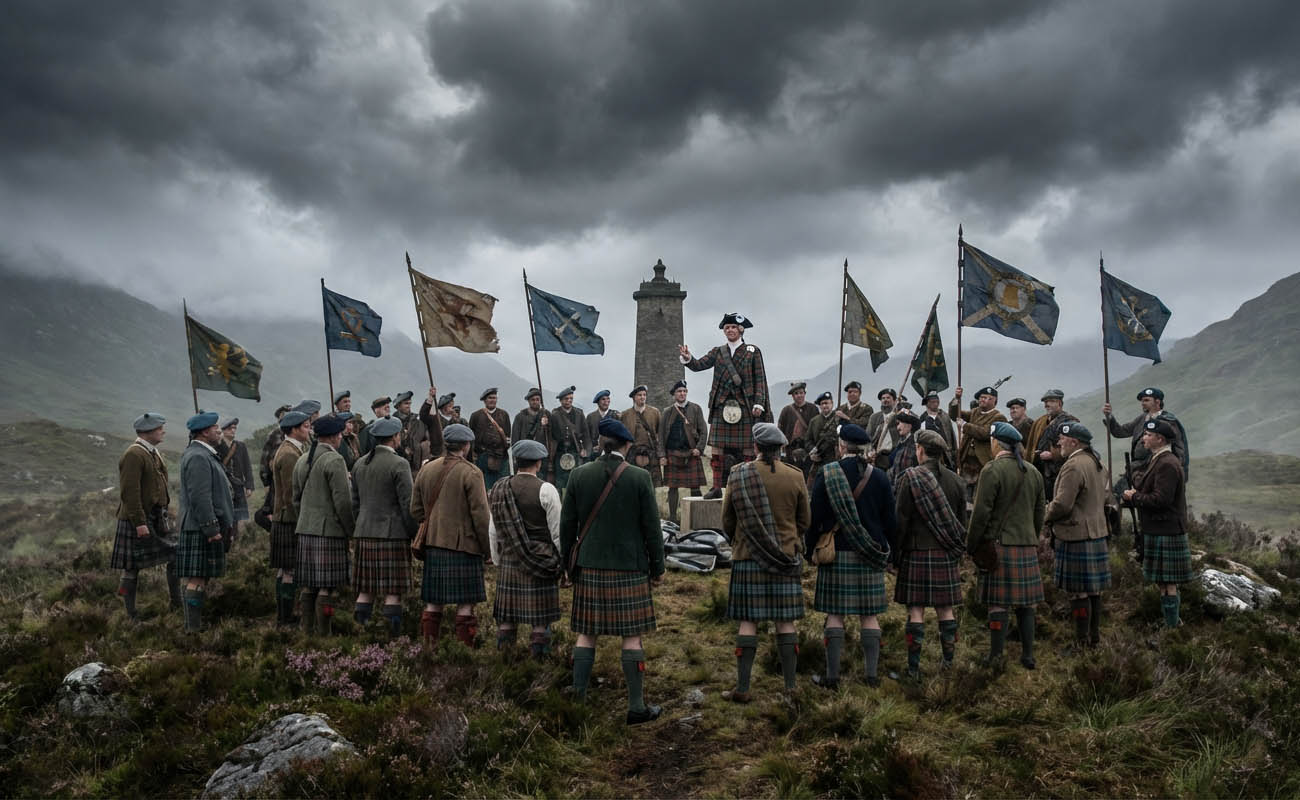
On August 19, 1745, at Glenfinnan in the Scottish Highlands, Charles raised his father’s standard and officially launched the Jacobite Rebellion. Within weeks, his army had grown to 3,000 men as clan after clan joined the cause. The initial success was remarkable. In September, the Jacobite forces captured Edinburgh, Scotland’s capital, and won a decisive victory at the Battle of Prestonpans against government forces. Charles held court at Holyrood Palace, the ancient seat of Scottish kings, and for a brief moment, it seemed his dream might actually succeed.
Emboldened by these victories, Charles made the fateful decision to march south into England, aiming for London itself. The Jacobite army pushed as far as Derby, just 150 miles from the British capital, causing panic among the government and citizens alike. However, the promised English support never materialized, and French assistance remained absent. Faced with two converging government armies and dwindling supplies, Charles’s advisors convinced him to retreat to Scotland in December 1745. This decision marked the beginning of the end for the Jacobite cause.
The Battle of Culloden: A Dream Dies on Scottish Soil
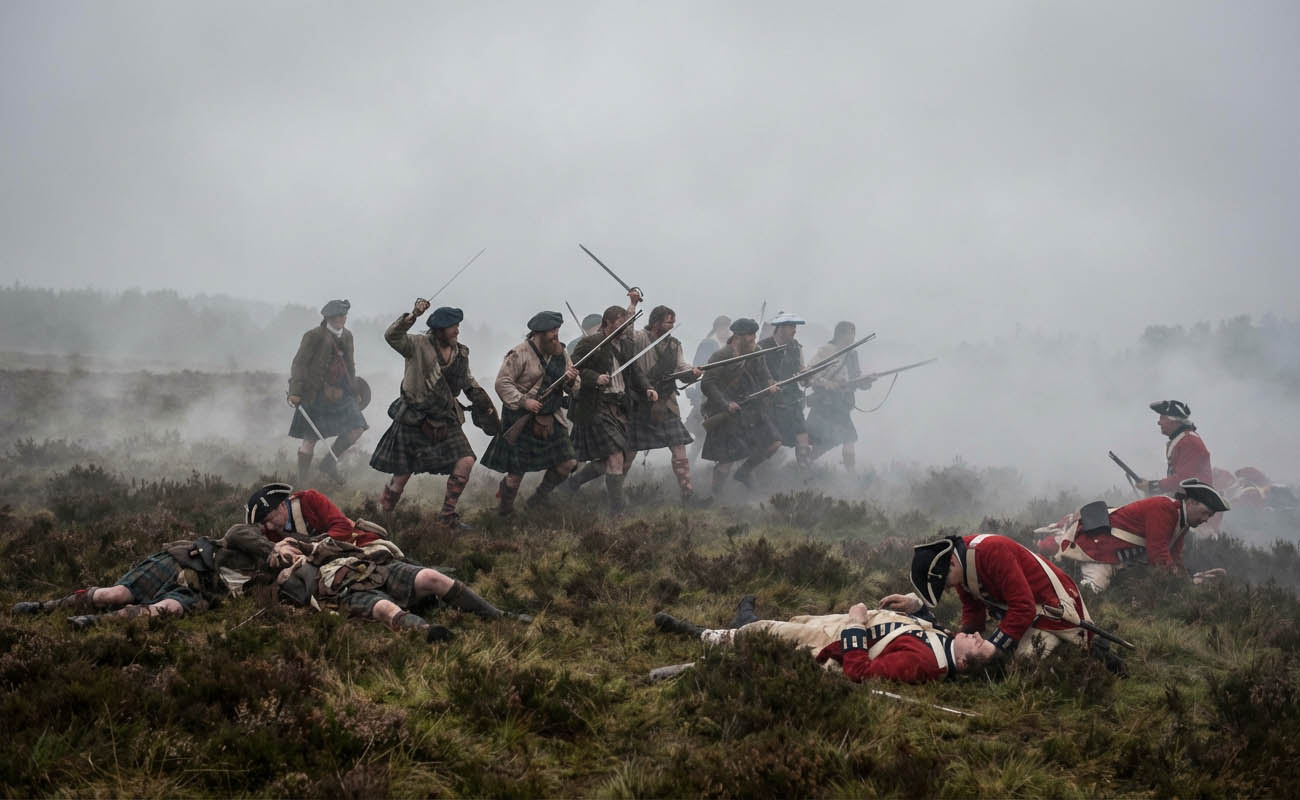
On April 16, 1746, on the bleak moorland near Inverness known as Culloden, the Jacobite army faced the forces of the Duke of Cumberland in what would become the last pitched battle fought on British soil. The Jacobite forces were exhausted, hungry, and outnumbered by the well-trained and well-equipped government troops. In less than an hour, the battle was over, with approximately 1,600 Jacobite soldiers killed. The Highland charge, which had served them so well in previous battles, proved no match for the devastating artillery and disciplined musket fire of Cumberland’s army.
The aftermath of Culloden was brutal beyond the battlefield itself. Government forces hunted down surviving Jacobites with ruthless efficiency, earning the Duke of Cumberland the grim nickname “Butcher Cumberland” for the savagery of the reprisals. Wounded Jacobite soldiers were executed where they lay, and the Highland way of life faced systematic destruction. The British government was determined that such a rebellion would never happen again.
Bonnie Prince Charlie escaped the battlefield and spent five months hiding in the Scottish Highlands and islands, constantly evading capture despite a bounty of £30,000 on his head. His escape became the stuff of legend, immortalized in folk songs like “The Skye Boat Song.” Remarkably, despite the enormous reward, no Highlander betrayed him. In September 1746, Charles finally boarded a ship to France, never to lead an army again. He would spend the remaining 42 years of his life in exile, dying in Rome in 1788 at age 67, his dreams of restoration unfulfilled but his legend secure.
How Highland Dress Was Banned and Then Reborn
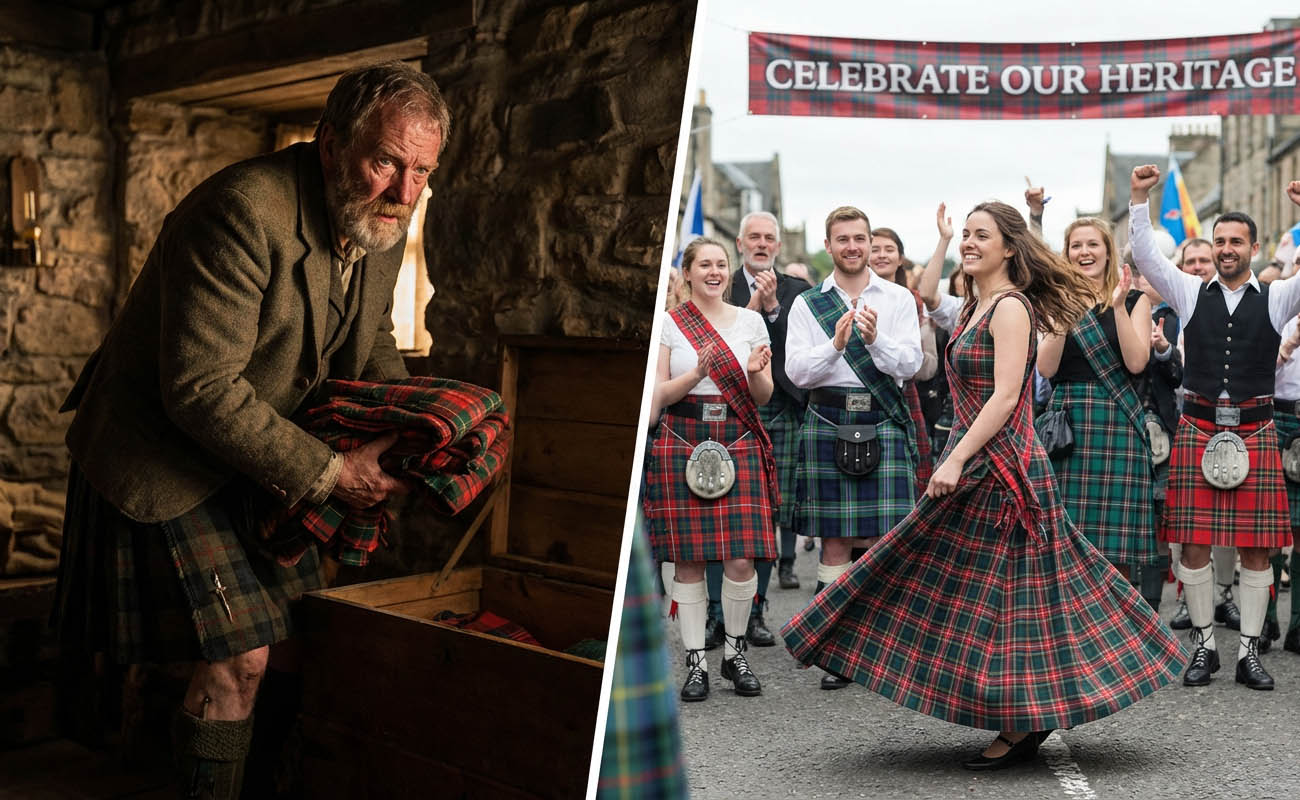
The British government’s response to the Jacobite rebellion went far beyond military defeat. They aimed to destroy the cultural foundations that had made Highland resistance possible. The Dress Act of 1746, also known as the Dressing Act, banned all traditional Highland garments, including kilts, tartan, and plaids. The wearing of Highland dress and the bearing of arms were forbidden, and the feudal relationships that underpinned clan chiefs’ power over their clansmen were abolished. The penalty for defying this ban was severe: six months imprisonment for a first offense, and seven years transportation to overseas plantations for a second.
This cultural suppression lasted for 36 years, from 1746 to 1782. During this time, the only people legally allowed to wear kilts and tartan were soldiers serving in Highland regiments of the British Army, who wore different tartans to distinguish their units. Ironically, this military exception would prove crucial in preserving Highland dress traditions and eventually transforming them into a source of British military pride rather than rebellion.
When the ban was finally lifted in 1782, Highland dress was no longer everyday wear for most Scots. Instead, it had transformed into a powerful symbol of Scottish identity and cultural heritage. The Romantic movement sweeping through Europe in the late 18th and early 19th centuries embraced Highland culture as noble, ancient, and picturesque. Writers like Sir Walter Scott romanticized the Jacobite cause and Highland traditions, making them fashionable among the British aristocracy and middle classes who had once feared them.
The transformation reached its peak in 1822 when King George IV visited Edinburgh, the first reigning monarch to visit Scotland in over 170 years. Sir Walter Scott orchestrated the visit as a spectacular celebration of Highland culture, encouraging clan chiefs to wear their tartans in full Highland dress. This pageantry helped the kilt become identified with all of Scotland, even though nine out of ten Scots lived in the Lowlands and had never traditionally worn Highland dress. From this point forward, tartan and kilts became Scotland’s national dress, embraced by Highlanders and Lowlanders alike as symbols of Scottish pride and heritage.
The Birth of the Prince Charlie Jacket in the 1920s
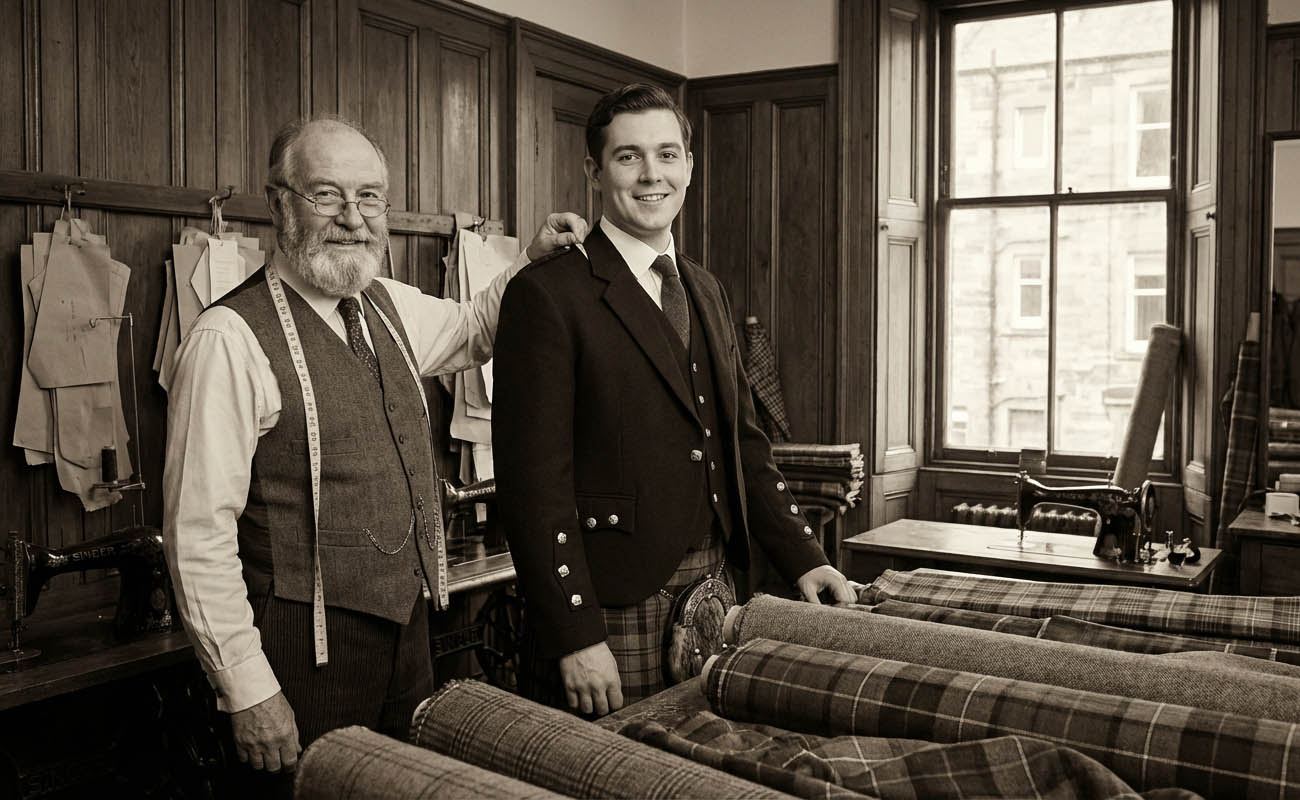
The Prince Charlie jacket as we know it today did not exist during Bonnie Prince Charlie’s lifetime or even in the century following his death. This formal Highland jacket first appeared in tailor catalogs in the early 1920s, initially listed as a coatee before being called a Prince Charlie over the following decades. The timing is significant: the 1920s were the Jazz Age, a period of innovation in fashion and a breaking away from Victorian formality toward more modern, streamlined designs.
Tailors created the Prince Charlie jacket as a contemporary alternative to the traditional doublet that older generations wore for formal Highland occasions. The design brilliantly combined elements from several sources: the military-style coatee with its short waist, the elegance of a jazz-age tuxedo jacket, and distinctive Highland embellishments like braided epaulets and silver buttons. The jacket was marketed toward younger men who wanted formal Highland wear that felt fresh and modern rather than antiquated.
- Short-cropped fit ending just at the kilt’s waistband
- Long tails extending down the back for dramatic flair
- Silk or satin-faced lapels add luxury and formality
- Chrome or silver-toned decorative buttons arranged in distinctive patterns
- Braided epaulets on the shoulders echo military dress
- Available primarily in black, though navy, green, and other colors exist
The decision to name this new design after Bonnie Prince Charlie was clever marketing by tailors. Charles Edward Stuart had been depicted in numerous paintings wearing tartan coats and doublets, creating a romantic association between him and Highland fashion. The common belief is that naming it after Prince Charlie was creative marketing by tailors, as the jacket was created as a modern alternative to the formal doublet for younger gentlemen. By invoking his name, tailors connected their contemporary design to Scotland’s most romantic historical figure, lending instant heritage and prestige to what was essentially a brand-new garment.
Why The Jacket Honors Charles Edward Stuart’s Legacy
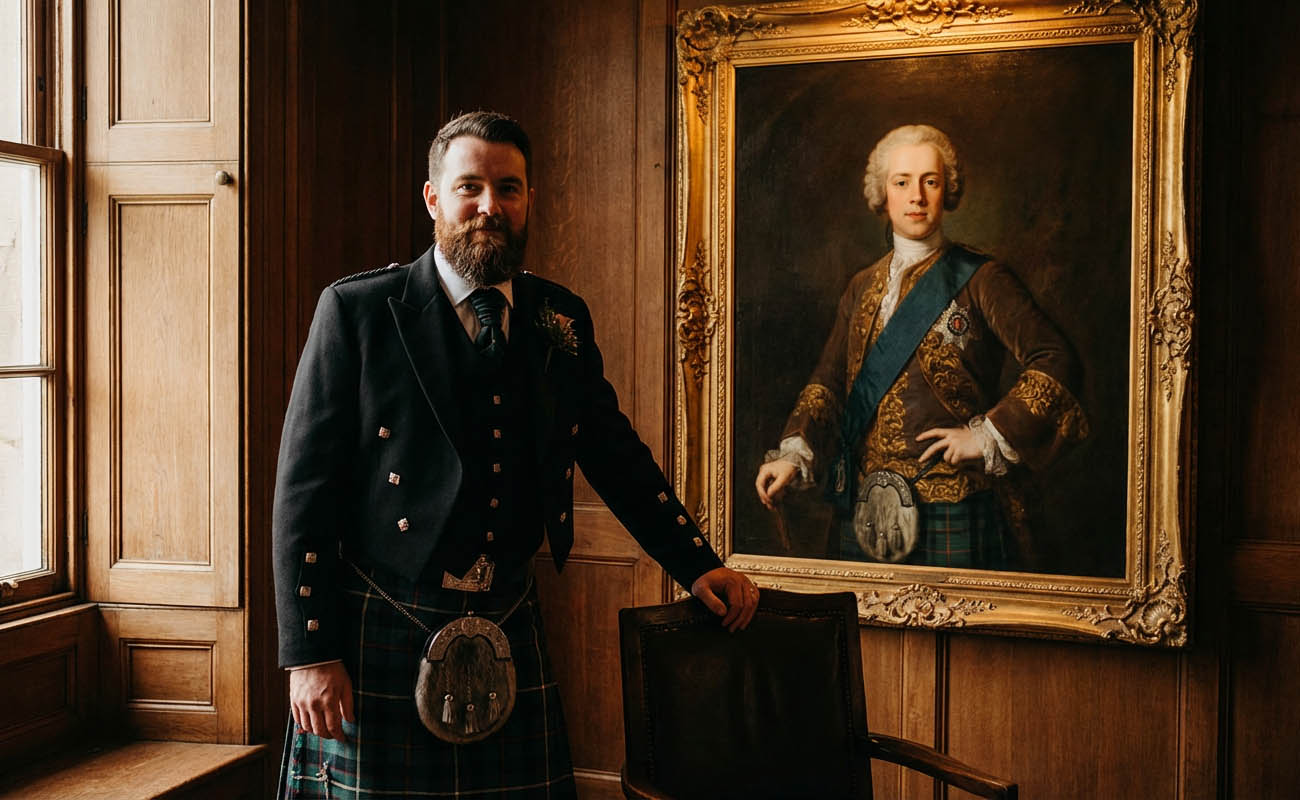
The Prince Charlie jacket serves as more than just formal wear; it’s a tangible connection to one of the most dramatic chapters in Scottish history. While Bonnie Prince Charlie’s military campaign failed, his legacy proved far more enduring than any battlefield victory. He became a symbol of Scottish courage, determination, and the refusal to surrender cultural identity even in defeat. The romanticization of his story transformed a failed rebellion into an inspiring tale of noble struggle against overwhelming odds.
Charles Edward Stuart never designed the jacket that bears his name, nor did he commission it or even know it would exist. The Prince Charlie jacket was only created in the early 20th century, long after his time, and the designers were tailors and artisans who created this distinctive style of formal Scottish attire. What he did provide was the inspiration and the legend that made such a tribute meaningful. His image, frequently depicted in tartan and Highland dress in portraits and engravings, created an enduring visual association between his person and Scottish formal wear.
The jacket’s name also reflects how Scottish identity evolved after the Jacobite rebellions. What began as symbols of rebellion and resistance, such as tartan and kilts, were eventually reclaimed and reimagined as symbols of Scottish pride within the United Kingdom. The Prince Charlie jacket embodies this transformation: it honors a rebel prince while serving as formal wear for occasions celebrating Scottish culture and heritage within the modern world.
Today, when someone wears a Prince Charlie jacket to a wedding, ceilidh, graduation, or formal Highland gathering, they’re participating in a tradition that connects them to centuries of Scottish history. They’re honoring not just Bonnie Prince Charlie himself, but the entire story of Scottish cultural survival, adaptation, and pride that his legend represents.
Modern Prince Charlie Jackets: Tradition Meets Contemporary Style
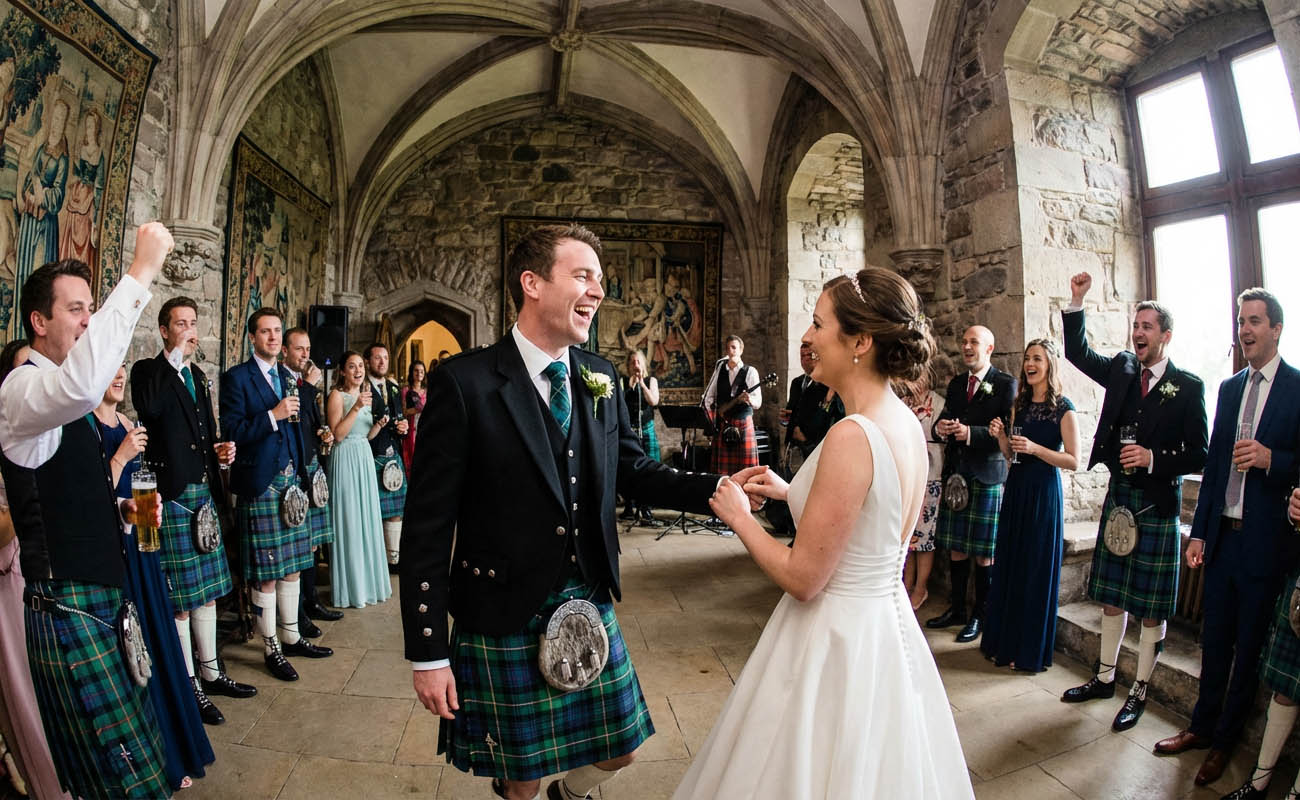
Since becoming established in Scottish formal wear during the mid-20th century, the Prince Charlie jacket has remained remarkably consistent in its core design. It continues to be the most formal option for Highland dress, equivalent to a tuxedo in international formal wear standards. First advertised in the 1920s tailor catalogs as the trendy option for daring young men, the Prince Charlie remains the most formal kilt jacket worn today, representing the glamorous Highland take on black or white tie. Its timeless elegance has ensured its popularity across generations.
The jacket is traditionally paired with specific accessories to create the complete formal Highland ensemble. A matching waistcoat (vest), either three-button or five-button style, is standard, typically in black barathea wool matching the jacket. A crisp white shirt, similar to a tuxedo shirt, provides the foundation, usually worn with a black bow tie for the most formal occasions. The ensemble also includes a full dress sporran, decorated kilt hose with flashes, and ghillie brogues to complete the look.
While black remains the classic and most popular color, modern Prince Charlie jackets are available in several sophisticated options. Navy blue offers a traditional alternative with slightly less formality, while forest green provides a distinctive choice for those wanting to stand out. Royal blue creates a bold statement, and some tailors even offer burgundy or gray options for special preferences. However, regardless of color choice, the essential design elements remain consistent, maintaining the jacket’s distinctive character.
The Prince Charlie jacket adapts well to both Highland kilts and tartan trews (trousers), making it versatile for different body types and personal preferences. It works equally well for weddings, formal dinners, Highland balls, military functions, and graduation ceremonies. Many Scottish families consider purchasing or renting a Prince Charlie outfit a significant milestone, often marking important life events like a young man’s first formal occasion or a groom’s wedding day. Quality retailers like Scotland Kilt Collection offer both purchase and rental options to accommodate different needs and budgets.
Prince Charlie vs. Other Highland Jackets: Understanding the Differences
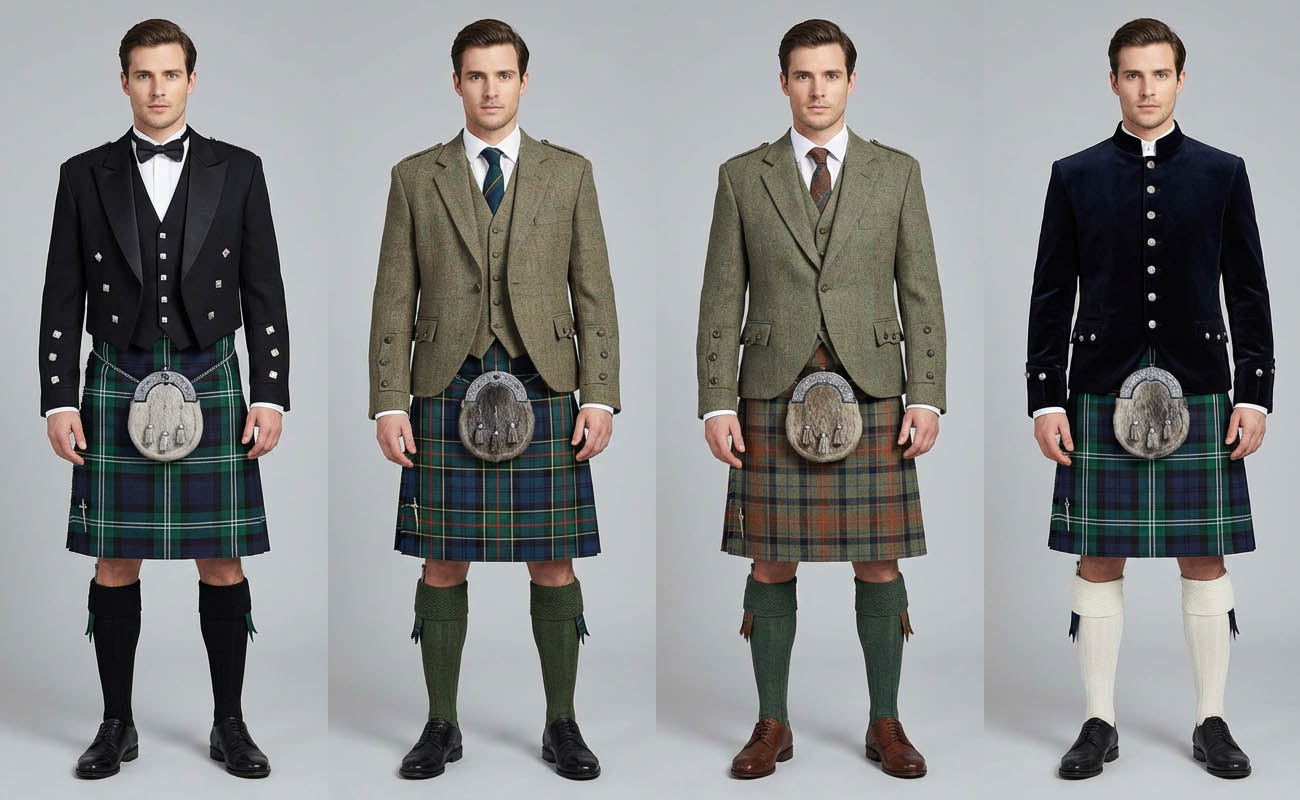
While the Prince Charlie jacket reigns as the most formal Highland option, understanding the alternatives helps appreciate what makes it unique. The Argyll jacket is the most common alternative, featuring a simpler design with a single-button closure and less ornate detailing. It’s considered slightly less formal and more versatile, making it suitable for business functions, less formal weddings, and daytime events. The Argyll’s fitted design lacks the dramatic tails of the Prince Charlie, creating a more understated silhouette.
The Regulation Doublet represents maximum formality and military heritage, featuring elaborate braiding, ornate button arrangements, and a design closely connected to military dress uniforms. It’s typically reserved for the most prestigious occasions or military functions. The Montrose Doublet offers another highly formal option with distinctive design features, though it’s less commonly seen than the Prince Charlie at civilian events.
For daytime formal occasions, the Braemar jacket provides a tweed alternative that maintains formality while being more appropriate for outdoor Highland games, country weddings, or less formal celebrations. The Brian Boru jacket draws inspiration from Irish formal wear while maintaining Highland dress conventions, offering another distinctive option for those seeking something different.
- Formality Level: Prince Charlie ranks as the most formal civilian option, equivalent to black-tie international standards
- Tail Design: Prince Charlie features distinctive long tails; most other jackets do not
- Occasion Suitability: Prince Charlie excels at evening events, weddings, and prestigious gatherings
- Historical Connection: Prince Charlie links directly to Scotland’s most romantic historical figure
- Versatility: Argyll and Braemar jackets offer more versatile styling for various formality levels
How to Choose and Wear a Prince Charlie Jacket Properly
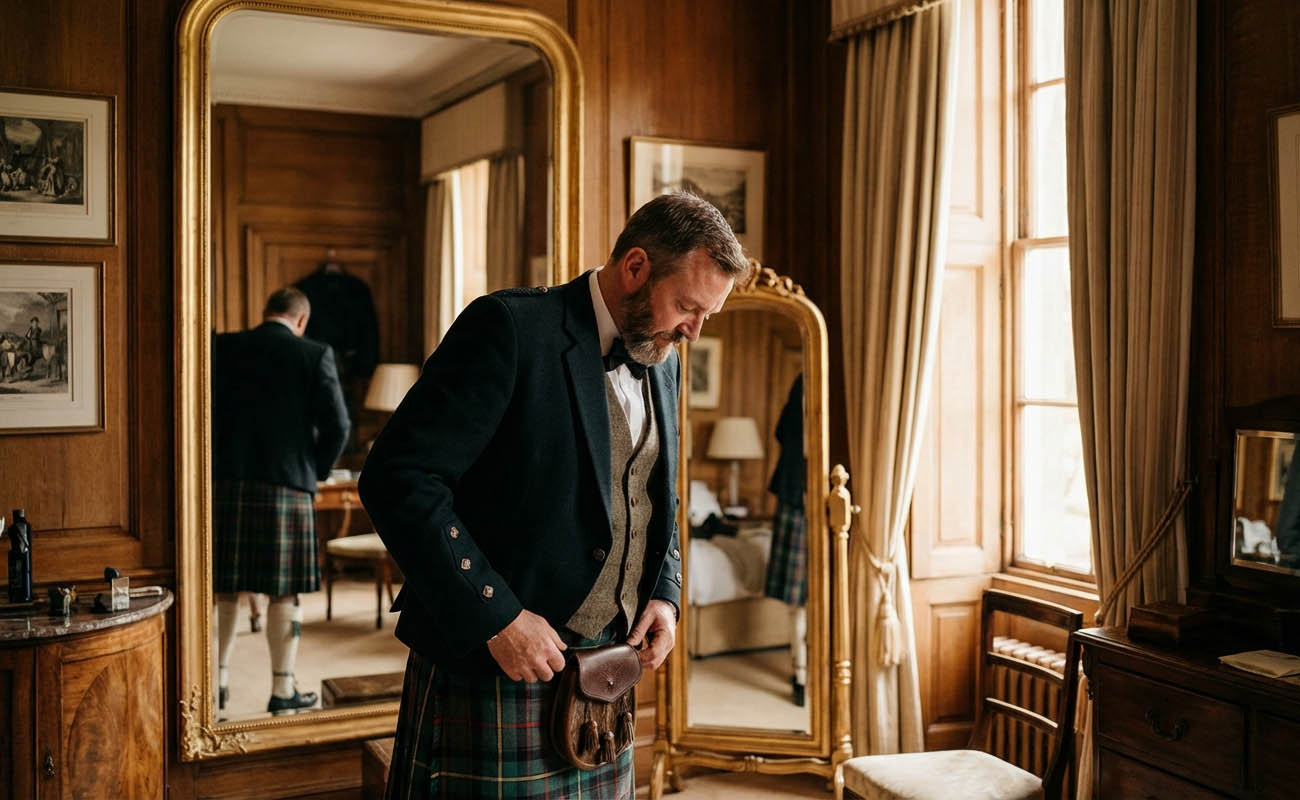
Selecting the right Prince Charlie outfit requires understanding both practical considerations and cultural traditions. First, determine the formality level of your event. For black-tie weddings, formal balls, and evening celebrations, the Prince Charlie excels. For daytime events or less formal occasions, consider whether an Argyll or Braemar jacket might be more appropriate. Understanding this distinction helps ensure your attire matches the occasion’s tone.
Sizing proves crucial for achieving the proper Highland dress appearance. The jacket should fit close to the body without being tight, with sleeves ending at the wrist bone. The cropped waist should end precisely at the top of the kilt, while the tails should hang straight down the back. Most reputable Highland wear shops, like Scotland Kilt Collection, offer fitting services to ensure proper proportions. Many people choose to rent their first Prince Charlie outfit before committing to purchase, allowing them to experience the garment and understand what features matter most to them.
Pairing the jacket with appropriate accessories completes the ensemble. Choose a tartan that reflects your heritage, whether through clan affiliation, family connection, or regional association. If you have no Scottish connection, various universal and district tartans are available for anyone to wear. The shirt should be formal white or off-white, the sporran should match the occasion’s formality, and kilt hose should coordinate with your overall color scheme.
Understanding wearing etiquette demonstrates respect for Highland dress traditions. The jacket buttons should remain fastened when standing, and the sporran should hang at the appropriate height in front. Kilt length should fall to the center of the knee, and hose should be properly garted. While some traditions remain strict, modern Highland dress also allows for personal expression within established guidelines. The key is balancing respect for tradition with personal comfort and style.
The Global Impact of Prince Charlie Jackets Today
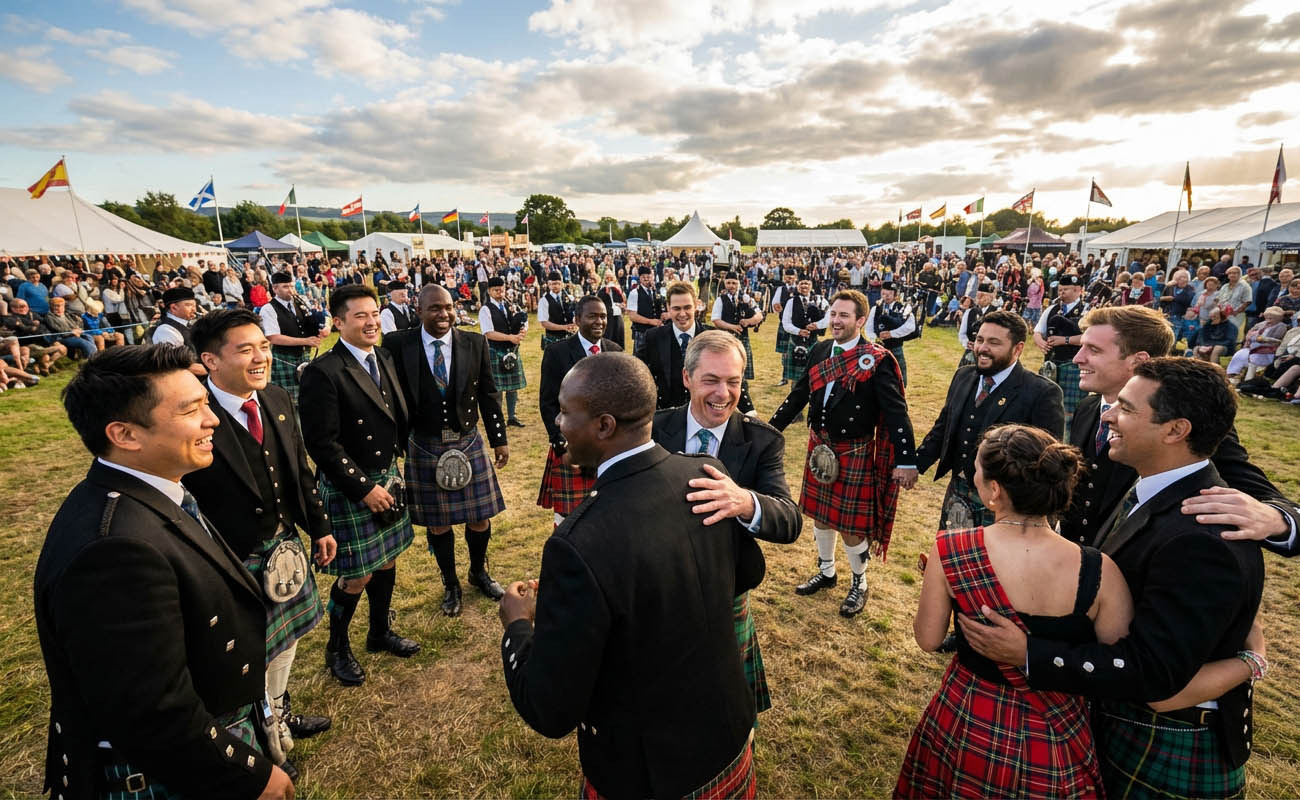
What began as a Scottish formal wear innovation has spread across the globe wherever Scottish diaspora communities have settled. In Canada, where over 15 percent of the population claims Scottish descent, Prince Charlie jackets regularly appear at weddings, Highland games, and cultural celebrations. The United States, with 8.3 percent claiming Scottish heritage, has embraced Highland formal wear enthusiastically, particularly in regions with strong Scottish-American communities.
Australia and New Zealand, both with significant Scottish populations from historical immigration, have vibrant Highland dress traditions. Pipe bands, Highland games, and Scottish cultural societies in these countries maintain high standards for formal wear, with Prince Charlie jackets being the preferred choice for their most important occasions. Even in unexpected locations worldwide, Scottish heritage organizations preserve these traditions, ensuring that Highland formal wear remains relevant and vital.
The jacket has also influenced mainstream fashion in subtle ways. Designers have drawn inspiration from its tailored elegance, dramatic tails, and decorative detailing for fashion collections that reinterpret Highland elements for contemporary audiences. Fashion houses, including Alexander McQueen and Vivienne Westwood, have incorporated tartan and Highland-inspired elements into haute couture, bringing these traditionally Scottish elements to international runways and red carpets.
Beyond fashion, the Prince Charlie jacket serves an important cultural preservation function. It keeps alive the memory of historical events, maintains craftsmanship traditions in tailoring and weaving, and providesa tangible connection to Scottish heritage for people whose families left Scotland generations ago. Every time someone chooses to wear a Prince Charlie jacket, they participate in a living tradition that bridges past and present, connecting them to a story that began centuries ago with a young prince’s impossible dream.
Frequently Asked Questions About Prince Charlie Jackets
The Prince Charlie jacket first appeared in tailor catalogs in the early 1920s as a modern alternative to traditional Highland doublets for formal occasions.
The Prince Charlie features distinctive long tails, ornate silver buttons, braided epaulets, and satin-faced lapels, making it the most formal Highland dress option.
Yes, anyone can wear a Prince Charlie jacket to formal Scottish events, regardless of Scottish heritage, though choosing an appropriate tartan is recommended.
Prince Charlie jackets are perfect for weddings, formal balls, military functions, graduations, and any black-tie Highland dress occasion.
No, Highland dress is welcomed by people of all backgrounds attending Scottish cultural events, though respecting traditions and choosing universal tartans is appreciated.
Black is the classic and most popular choice, though navy blue, forest green, and royal blue are also acceptable formal options.
The jacket should fit close to the body, with sleeves ending at the wrist bone and the cropped waist ending precisely at the top of the kilt.
Conclusion: A Legacy Woven Into Fabric
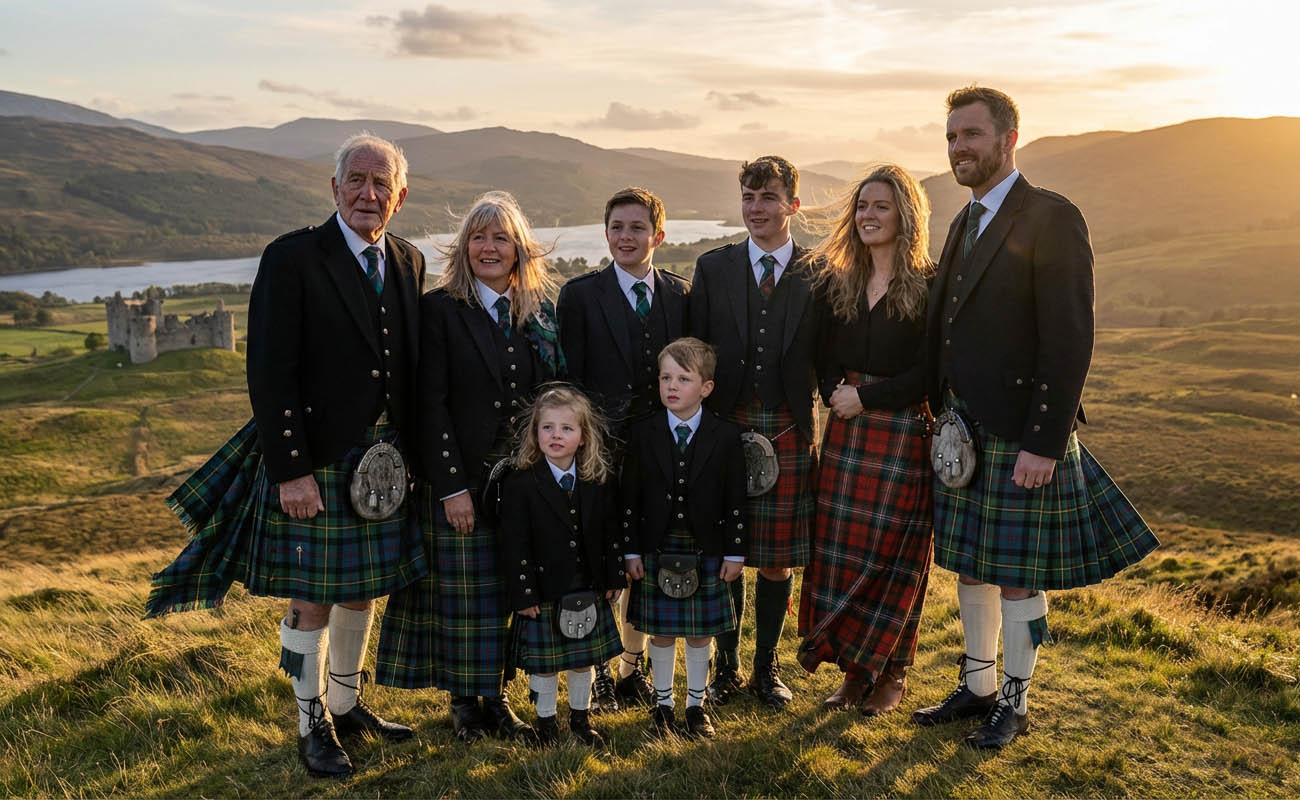
The question “Why was Prince Charlie named after a jacket?” reveals one of history’s interesting inversions. Prince Charles Edward Stuart, Bonnie Prince Charlie, lived and died never knowing that his legacy would eventually be woven into the fabric of Scottish formal wear. The jacket that bears his name came into existence nearly 180 years after his famous rebellion, created by practical tailors seeking to modernize Highland formal wear for a new generation while connecting it to Scotland’s most romantic historical figure.
Yet this reversal of chronology doesn’t diminish the jacket’s significance or the appropriateness of its name. Charles Edward Stuart’s failed rebellion preserved something more enduring than political power. It crystallized Scottish identity, transformed tartan and Highland dress from regional clothing into national symbols, and created a legendary figure whose name alone evokes courage, romance, and unshakable determination. The Prince Charlie jacket honors this legacy every time someone fastens its buttons and adjusts its distinctive tails.
Today’s wearers of Prince Charlie jackets participate in a tradition that encompasses rebellion and reconciliation, defeat and cultural victory, historical preservation and contemporary style. They connect to a story that spans from a Roman palazzo where a prince was born, through battlefields where dreams died, to modern celebrations where Scottish heritage thrives. The jacket itself, with its elegant lines and careful craftsmanship, embodies the same qualities that made Bonnie Prince Charlie a legend: style, boldness, and unmistakable Scottish character that refuses to be forgotten or diminished by time’s passage.