

Blog
How To Play The Bagpipe: A Beginner’s Guide

Learning to play the bagpipes is a rewarding journey that connects you with centuries of Celtic tradition and musical heritage. Whether you’ve been captivated by the haunting melodies at a Highland gathering or inspired by military pipe bands, this comprehensive guide will walk you through everything you need to know to start your bagpiping journey. Many beginners feel overwhelmed by the instrument’s complexity, but with the right approach and dedication, anyone can learn to play this magnificent instrument.
The bagpipes are more than just a musical instrument; they represent cultural identity, historical significance, and artistic expression. From Scottish weddings to military ceremonies, the sound of bagpipes evokes powerful emotions and creates unforgettable moments. This guide will break down the learning process into manageable steps, helping you avoid common mistakes and progress efficiently from your first practice session to playing complete tunes. With proper guidance, quality equipment, and consistent practice, you’ll be amazed at how quickly you can master the basics and begin playing recognizable melodies.
Understanding The Bagpipe Instrument

The Great Highland Bagpipe consists of several interconnected components that work together to produce its distinctive sound. The bag itself acts as an air reservoir, typically made from synthetic materials or hide, which the player fills with air using a blowpipe. Three drones extend from the bag, producing constant background notes that create the instrument’s characteristic harmonic foundation. The chanter is the melody pipe where you’ll place your fingers to play different notes, featuring eight finger holes that produce a nine-note scale. Each component plays a crucial role in creating the powerful, resonant sound that makes bagpipes instantly recognizable across the world.
Understanding how each component functions is crucial before you begin playing. The drones include one bass drone and two tenor drones, all tuned to specific pitches that complement the chanter’s scale. The blowpipe includes a non-return valve that prevents air from escaping when you breathe in, allowing continuous sound production. This mechanical system requires coordination between breathing, arm pressure on the bag, and finger movements on the chanter to maintain steady sound and proper tuning. The complexity might seem daunting initially, but breaking down each element makes the learning process manageable and logical.
Modern bagpipes have evolved significantly from their ancient predecessors, incorporating synthetic materials that require less maintenance than traditional hide bags. The reeds, which vibrate to produce sound, can be made from natural cane or synthetic materials, each offering different tonal qualities and durability. Learning about these components helps you make informed decisions when purchasing your instrument and troubleshooting issues as you progress. Quality instruments produce better sound and are easier to learn on, making your initial investment an important consideration. Professional pipers often emphasize that starting with a well-made instrument, even if it costs more upfront, saves frustration and accelerates learning significantly.
Why Start With A Practice Chanter
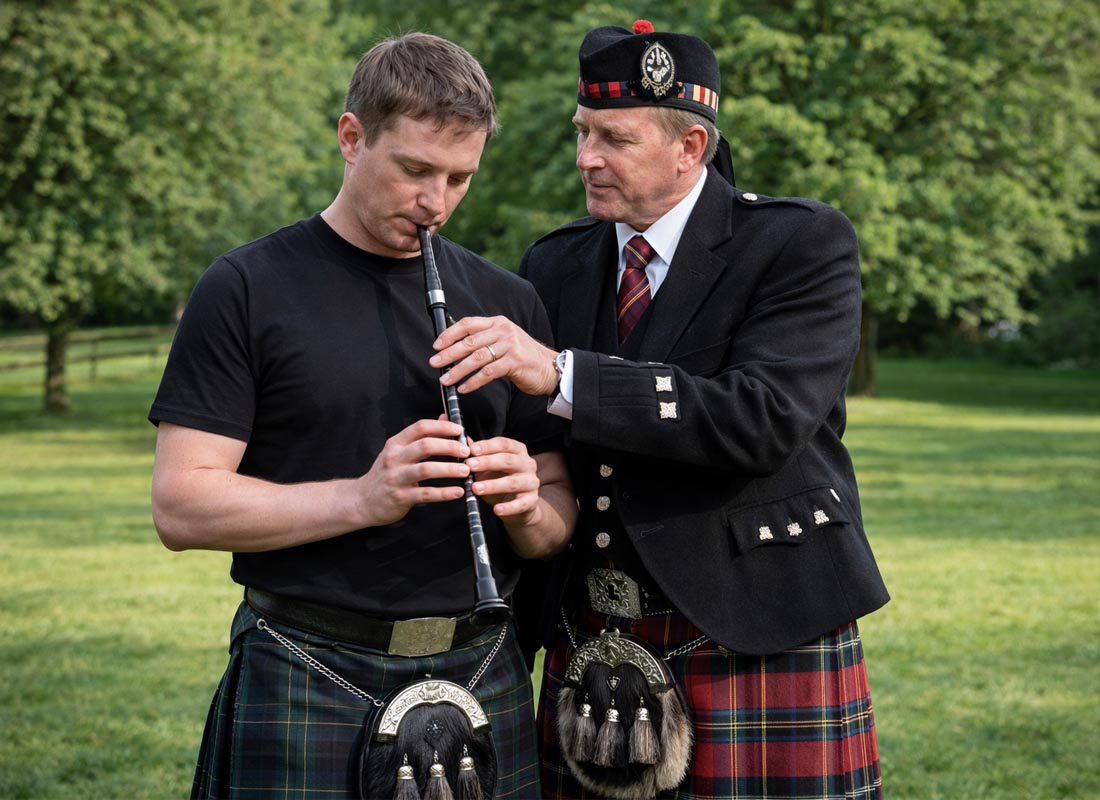
Every aspiring bagpiper must begin their journey with a practice chanter, a simplified version of the bagpipe’s melody pipe that requires no bag or drones. This essential tool allows you to focus entirely on finger technique, note reading, and melody playing without the complexity of managing air pressure and drone tuning. The practice chanter is significantly quieter than full bagpipes, making it perfect for practicing in apartments or homes without disturbing neighbors. Most importantly, it teaches you proper finger positioning, gracenote techniques, and embellishments that form the foundation of bagpipe music. This focused approach ensures you build solid fundamentals before tackling the additional challenges of full pipes.
Starting with a practice chanter typically takes three to six months before transitioning to full pipes, though this timeline varies based on your practice dedication and musical background. During this period, you’ll learn the nine notes of the bagpipe scale, develop muscle memory for finger movements, and begin learning simple tunes and exercises. The practice chanter costs significantly less than full bagpipes, allowing you to invest in quality instruction and music resources while determining your commitment to the instrument. Some beginners worry this extended practice chanter period feels slow, but experienced pipers universally agree that rushing this stage leads to problems that take years to correct.
Many beginners make the mistake of rushing to full pipes before mastering the practice chanter, leading to frustration and poor technique. Professional pipers continue using practice chanters throughout their careers for warming up, learning new tunes, and practicing quietly. Your practice chanter will become your constant companion, small enough to carry anywhere and available whenever you have a few minutes to practice. This accessibility makes it easier to build consistent practice habits, which are essential for progress in bagpiping. The portability means you can practice during lunch breaks, while traveling, or any time you have a spare moment to refine your skills.
Essential Bagpipe Techniques For Beginners

Proper Finger Positioning
Mastering correct finger placement on the practice chanter establishes the foundation for all your future bagpiping. Your fingers should remain close to the holes, lifting only slightly to change notes rather than raising high above the chanter. This minimal movement allows for faster, cleaner transitions between notes and conserves energy during long playing sessions. The top hand (typically left for right-handed players) covers the top four holes, while the bottom hand covers the lower four holes, with thumbs supporting the chanter from behind. The positioning might feel awkward initially, but consistent practice makes it feel natural within a few weeks.
Each finger must seal its corresponding hole completely to prevent air leaks that create squeaks or unclear notes. Many beginners struggle with the pinky fingers, which are naturally weaker and require dedicated strengthening exercises. Your wrists should remain relatively straight, avoiding excessive bending that causes tension and fatigue. Regular practice builds the muscle memory needed for your fingers to automatically find the correct positions without visual guidance. Professional pipers can play complex tunes in complete darkness because their finger positioning has become so automatic through thousands of practice repetitions.
Understanding Gracenotes And Embellishments
Gracenotes are the decorative notes that give bagpipe music its distinctive character and rhythmic drive. These lightning-fast notes occur between melody notes, executed so quickly they’re almost imperceptible individually but create the instrument’s characteristic lilt when combined. The most basic gracenote involves quickly lifting and lowering the top finger (High G) while maintaining the melody note underneath. More complex embellishments include doublings, grips, taorluaths, and birl, each adding specific rhythmic patterns to the music. These embellishments distinguish bagpipe music from other instruments and give it the distinctive sound that people recognize instantly.
Learning gracenotes requires patience and slow, deliberate practice before gradually increasing speed. Beginners often rush this process, creating sloppy embellishments that muddy the melody rather than enhancing it. Your instructor or tutorial resources will introduce gracenotes systematically, starting with simple single gracenotes before progressing to complex combinations. These embellishments aren’t merely decorative; they’re essential for properly executing traditional bagpipe music and maintaining the instrument’s steady rhythmic pulse. Many pipers spend years perfecting their gracenote technique, constantly refining the crispness and precision of these rapid ornamentations.
Choosing Your First Bagpipes

- Material Quality: Select instruments with synthetic bags for easier maintenance and consistent air-tightness compared to traditional hide
- Reed Type: Synthetic reeds offer stability and durability, ideal for beginners who haven’t developed reed adjustment skills
- Drone Design: Ensure drones have stable, easy-to-tune mechanisms with secure thread connections
- Chanter Quality: The chanter should be well-tuned with responsive reeds that aren’t overly difficult to play
- Manufacturer Reputation: Research established brands with good customer support and quality control standards
When purchasing your first set of bagpipes, expect to invest between $800 to $1,500 for a quality beginner instrument from reputable manufacturers. Avoid extremely cheap instruments advertised online, as these often have poor tuning, difficult reeds, and construction issues that make learning frustrating or impossible. Many pipe bands and instructors can recommend specific models suitable for beginners, and some shops offer rental programs that let you try instruments before purchasing. Taking time to research and select quality equipment pays enormous dividends in your learning experience and long-term satisfaction with the instrument.
If you’re looking for high-quality bagpipes and authentic Scottish accessories, Scotland Kilt Collection offers an excellent selection of professional-grade bagpipes suitable for both beginners and experienced pipers. Their collection features instruments crafted with attention to detail and traditional craftsmanship, ensuring you get reliable, well-tuned bagpipes that will serve you well throughout your learning journey. Beyond bagpipes, they also provide comprehensive learning resources, practice chanters, and maintenance supplies, making them a one-stop destination for aspiring pipers. Their experienced staff can guide you in selecting the right instrument based on your skill level and budget, ensuring you make an informed investment in quality equipment.
Consider buying used bagpipes from reputable sources to save money while still obtaining quality instruments. Experienced pipers often upgrade their equipment, selling well-maintained beginner instruments at reasonable prices. Always inspect used bagpipes carefully or have a knowledgeable piper examine them before purchasing, checking for cracks, proper tuning, and functional components. Your first bagpipes don’t need to be professional-grade instruments, but they must be functional and properly set up to support your learning. A poorly made instrument creates unnecessary obstacles that can discourage even the most dedicated beginner.
Creating An Effective Practice Routine

Consistent, focused practice is the single most important factor in learning bagpipes successfully. Beginners should aim for at least 30 minutes daily on the practice chanter, broken into multiple short sessions if necessary to maintain concentration and prevent fatigue. Quality practice means focused attention on specific techniques, scales, or tunes rather than mindlessly playing through familiar material. Start each session with scale exercises and gracenote drills to warm up your fingers and reinforce fundamental techniques before moving to tune practice. This structured approach ensures you’re always working on improvement rather than simply playing what you already know comfortably.
Track your progress by recording yourself regularly, allowing you to hear issues with timing, gracenotes, or tone that you might miss while playing. Set specific, achievable goals for each practice session, such as mastering a particular embellishment or memorizing a section of a new tune. Vary your practice routine to maintain interest and address different aspects of playing, including technique exercises, tune learning, and playing for enjoyment. Remember that plateau periods are normal; progress isn’t always linear, and persistent practice eventually leads to breakthroughs. Many pipers find keeping a practice journal helpful for tracking what they’ve worked on and identifying areas needing more attention.
When you transition to full bagpipes, practice sessions become more complex as you manage multiple elements simultaneously. Begin with short sessions focused on steady blowing and maintaining consistent pressure before attempting tunes. Practice striking in (starting the pipes) and cutting off (stopping cleanly) until these become smooth and controlled. Drone tuning requires a trained ear and patience, so don’t become frustrated if it takes time to develop this skill. Many pipers practice drone tuning separately from playing tunes, dedicating specific time to developing their tuning ear. Environmental factors like temperature and humidity affect tuning, so learning to make quick adjustments becomes an essential skill as you progress.
Learning To Read Bagpipe Music
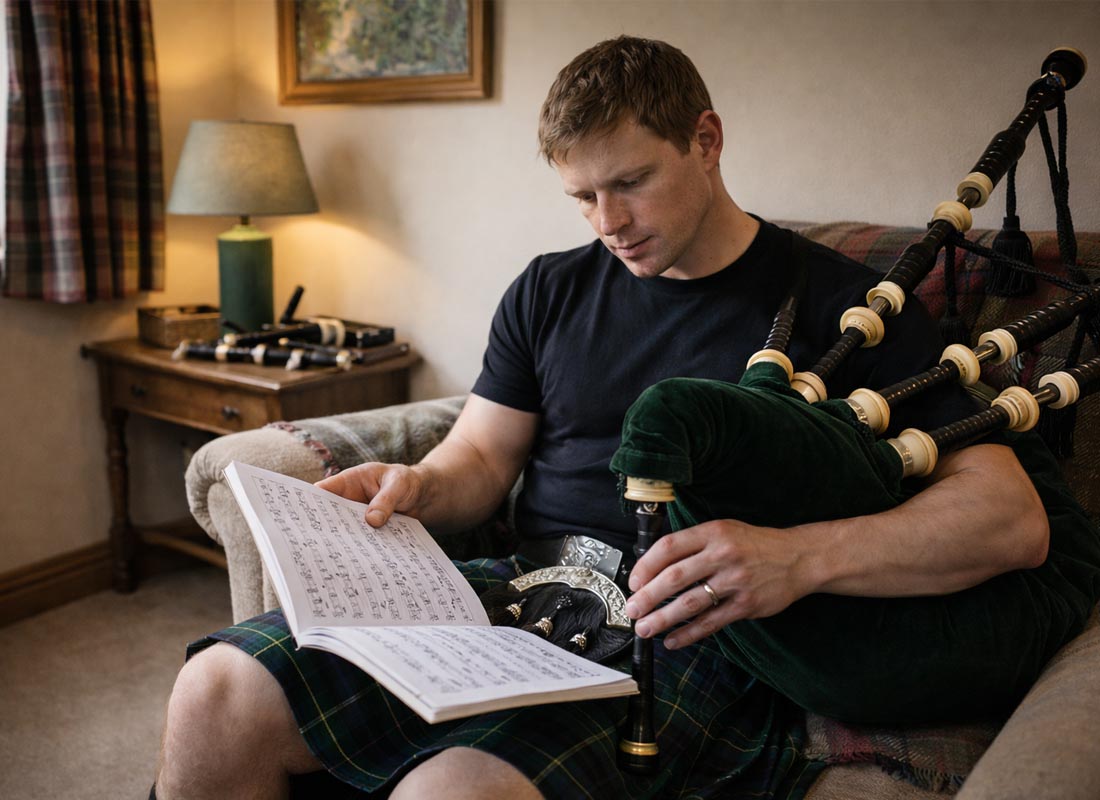
Bagpipe music uses standard musical notation with specific conventions that differ slightly from those of other instruments. The bagpipe scale consists of nine notes: Low G, Low A, B, C, D, E, F, High G, and High A, written on the treble clef. Unlike many instruments, bagpipes cannot play accidentals (sharps or flats outside the scale), limiting the keys of music you can perform, but simplifying reading once you understand the system. Gracenotes are indicated by small notes with slashes through their stems, positioned before the melody notes they embellish. This notation system might look intimidating initially, but it’s actually quite logical once you understand the basic conventions.
Traditional bagpipe music often uses a time signature of 2/4, 3/4, 4/4, 6/8, or 9/8, with different rhythms suited to specific types of tunes like marches, strathspeys, reels, jigs, and slow airs. Understanding time signatures helps you interpret the rhythmic feel and tempo of different tune styles. Many beginners find 2/4 marches the easiest starting point, as their steady, predictable rhythm matches their natural walking pace. As you progress, you’ll learn to recognize different tune types by their rhythmic patterns and melodic characteristics. Each tune type has its own feel and traditional playing style that you’ll gradually absorb through exposure and practice.
Modern pipers have access to extensive online tune databases, sheet music collections, and learning apps that supplement traditional paper books. However, many experienced pipers emphasize learning tunes by ear as well as from written music, as this develops your musical memory and understanding of tune structure. Start with simple, well-known tunes that use basic notes and limited embellishments before progressing to more complex pieces. Popular beginner tunes include “Amazing Grace,” “Scotland the Brave,” and simple marches that reinforce fundamental techniques while building your repertoire. As your skills develop, you’ll naturally gravitate toward more challenging pieces that showcase advanced techniques and musicality.
Common Beginner Mistakes To Avoid
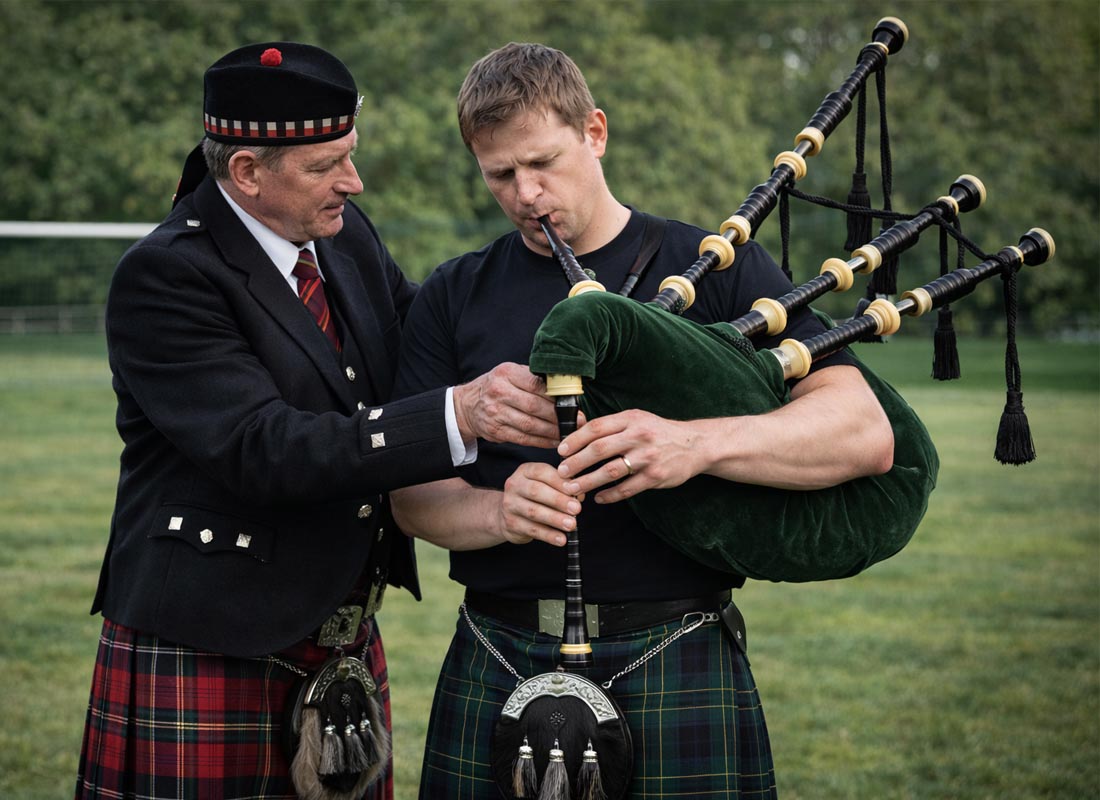
One of the most frequent errors new pipers make is transitioning to full bagpipes too quickly, before developing solid chanter technique and gracenote execution. This rush leads to developing bad habits that become increasingly difficult to correct as they become ingrained. Spend adequate time on the practice chanter until your instructor confirms you’re ready for pipes, typically demonstrated by smooth, accurate playing of several complete tunes with proper embellishments. Patience during this foundation-building phase pays enormous dividends in your long-term development as a piper. The excitement to play full pipes is understandable, but premature advancement creates problems that can take years to fix.
Another common mistake involves improper practice habits, such as practicing mistakes repeatedly without correction or avoiding difficult sections of tunes. When you practice errors, you’re training your muscle memory to repeat those errors, making them harder to eliminate later. Instead, slow down difficult passages, practice them in isolation, and gradually increase speed only when you can play them correctly consistently. Many beginners also neglect regular practice, assuming weekend sessions can compensate for daily practice, but bagpiping requires consistent repetition to build and maintain the necessary muscle memory and coordination. Even ten minutes of daily practice proves more effective than occasional longer sessions.
Poor posture and tension represent physical mistakes that cause fatigue and limit progress. Standing or sitting with a relaxed, natural posture allows efficient breathing and reduces muscle strain during extended playing. Excessive tension in hands, arms, or shoulders restricts fluid finger movement and causes unnecessary fatigue. Many beginners also neglect instrument maintenance, leading to tuning problems, squeaking reeds, or bag leaks that make playing frustrating. Learning basic maintenance like reed adjustments, bag seasoning, and drone tuning saves money on professional repairs and helps you understand your instrument better. Regular maintenance prevents small issues from escalating into major problems that require expensive professional intervention.
Finding A Qualified Bagpipe Teacher

Working with an experienced instructor dramatically accelerates your learning and helps you avoid developing bad habits that hinder progress. A qualified teacher provides personalized feedback, corrects technique errors immediately, and structures your learning progression appropriately for your skill level. Look for instructors certified by recognized piping organizations or with significant performance and teaching experience. Many pipe bands offer group lessons for beginners, providing structured instruction at affordable prices while connecting you with fellow learners and the wider piping community. The social aspect of group lessons also provides motivation and accountability that helps many students stay committed to their practice.
If in-person instruction isn’t available in your area, online lessons have become increasingly effective through video conferencing technology. Virtual lessons allow you to work with top instructors regardless of geographic location, though they require more self-discipline and may miss some nuances of in-person teaching. Supplement formal lessons with online resources like tutorial videos, instructional websites, and piping forums where experienced pipers answer questions and share advice. However, these resources should complement rather than replace personalized instruction from a qualified teacher. Scotland Kilt Collection also provides learning resources and can connect you with experienced instructors who understand the unique challenges beginners face when starting their bagpiping journey.








Many successful pipers learn within pipe band settings, where regular group practices provide structure, motivation, and performance opportunities. Pipe bands welcome beginners and typically provide instruction as part of membership, creating a supportive learning environment. Playing with others helps develop timing, tuning skills, and musical expression while building lasting friendships with fellow pipers. Research local pipe bands in your area and attend their practices or performances to determine if their teaching approach and musical style align with your goals. The camaraderie within pipe band communities creates lifelong friendships and provides endless opportunities for musical growth and performance experience.
Maintaining Your Bagpipes
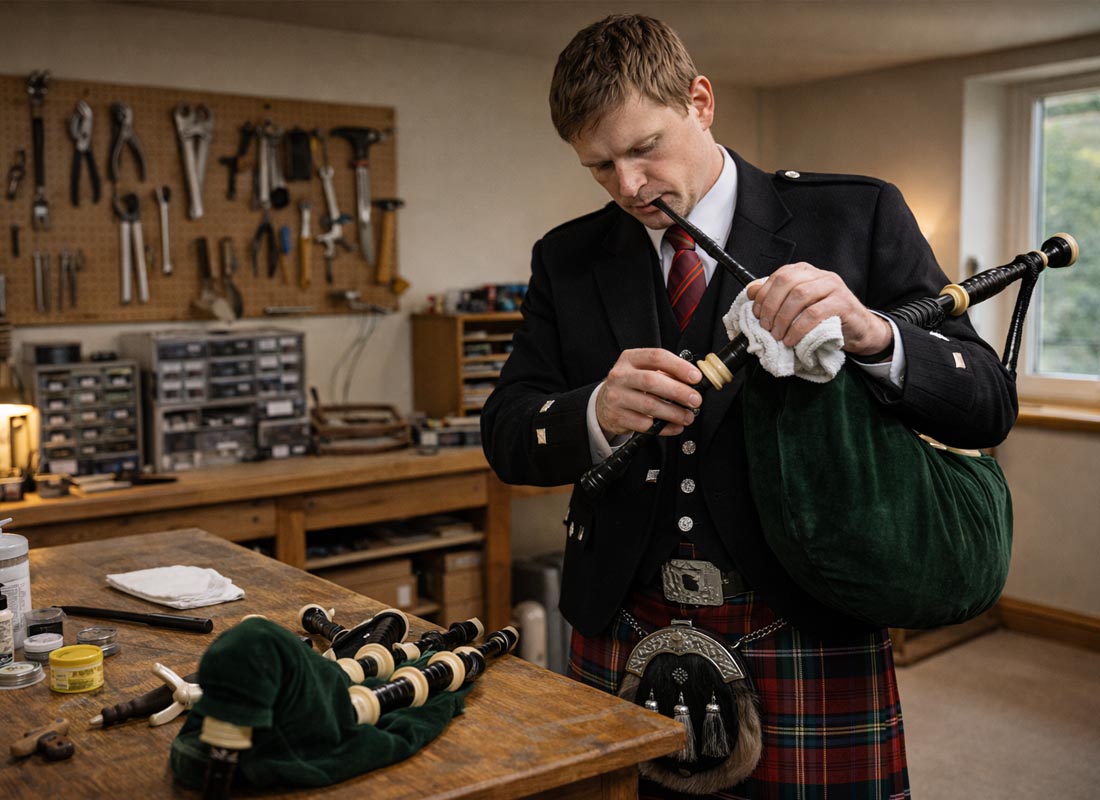
Basic Maintenance Tasks
- Daily Care: Empty moisture from the blowpipe and bag after each playing session to prevent mold and reed damage
- Weekly Maintenance: Check hemp on pipe joints, ensuring airtight seals without excessive tightness
- Monthly Tasks: Season synthetic bags according to manufacturer instructions and inspect reeds for damage
- Quarterly Checks: Thoroughly clean chanter and drones, removing accumulated moisture and debris
- Annual Service: Consider professional maintenance for complete instrument inspection and optimization
Proper maintenance ensures your bagpipes remain playable, in tune, and looking good for years. Hemp wrapping on pipe joints requires occasional rewinding when pipes become loose, using traditional hemp cord and wax to create airtight, secure connections. Synthetic bag seasoning products prevent internal moisture buildup that damages reeds and affects tone quality. Learn to make minor reed adjustments yourself, such as scraping cane reeds or adjusting synthetic reed bridles, though major reed work should be left to experienced professionals until you develop these skills. Understanding basic maintenance empowers you to keep your instrument in optimal playing condition rather than depending entirely on professional technicians.
Store your bagpipes in a protective case when not playing to prevent damage from impacts, dust, or environmental factors. Avoid extreme temperature changes or high humidity environments that can affect wood components and reed behavior. Many pipers keep their instruments in climate-controlled spaces and allow them to acclimate to room temperature before playing. Regular maintenance prevents small issues from becoming major problems, saving money on repairs and ensuring your bagpipes are always ready to play. As you become more experienced, you’ll develop your own maintenance routine tailored to your specific instrument and playing frequency, learning to recognize when something sounds or feels off and addressing it promptly.
Conclusion

Learning to play the bagpipes is a challenging but immensely rewarding endeavor that connects you with rich musical traditions and a worldwide community of passionate pipers. Success requires patience, consistent practice, quality instruction, and a properly maintained instrument. Start with a practice chanter and dedicate yourself to mastering fundamental techniques before transitioning to full bagpipes. Find a qualified teacher or supportive pipe band to guide your learning journey and provide regular feedback on your progress.
Remember that every accomplished piper began exactly where you are now, struggling with basic finger movements and simple tunes. The journey from beginner to proficient player takes years, but each step forward brings new satisfaction and musical achievement. Embrace the learning process, celebrate small victories, and don’t become discouraged by temporary setbacks or plateaus. With dedication and proper guidance from resources like Scotland Kilt Collection for quality instruments and learning materials, you’ll soon be playing the stirring melodies that first inspired you to pick up this magnificent instrument. The bagpipes await your commitment to unlock their powerful voice and timeless beauty.
Frequently Asked Questions
Most beginners spend 3-6 months on the practice chanter before moving to full bagpipes. With consistent daily practice of 30 minutes, you can play simple tunes within 6 months and become proficient in 2-3 years. Your progress depends on practice, dedication, and quality instruction.
While self-teaching is possible using online resources, working with a qualified instructor dramatically accelerates learning and prevents bad habits. Many successful pipers learn through pipe bands or online lessons. Self-taught players often need to correct technique issues later, which takes more time than learning correctly from the start.
Quality beginner bagpipes range from $800 to $1,500. Avoid extremely cheap instruments under $500, as they often have tuning and quality issues. Consider buying from reputable sources like Scotland Kilt Collection for reliable, well-crafted instruments. Used bagpipes from experienced pipers can save money while maintaining quality.
Yes, every bagpiper must start with a practice chanter. This simplified instrument lets you master finger technique, gracenotes, and melodies without managing air pressure and drones. Skipping this step leads to poor technique and frustration. Even professional pipers use practice chanters daily for warming up and learning new tunes.
The biggest challenge is coordinating steady air pressure, finger movements, and gracenote execution simultaneously. Beginners also struggle with drone tuning and maintaining a consistent tone. Physical stamina for blowing and arm pressure develops over time. Starting with proper practice chanter technique makes the transition to full pipes much easier.
Absolutely! Many successful pipers start as adults. Unlike some instruments, bagpipes don’t require starting young. Adult learners often progress faster due to better discipline and practice consistency. Physical fitness helps with breath control, but most adults can build the necessary stamina within weeks of regular practice.
Scotland Kilt Collection offers excellent quality bagpipes suitable for beginners and experienced pipers. They provide professional-grade instruments, practice chanters, and learning resources. Look for retailers with good reviews, certified instructors on staff, and after-sales support. Avoid marketplace sellers with suspiciously low prices and no bagpipe expertise.