
Blog
What Do Scottish People Look Like? A Complete Guide to Scottish Physical Characteristics
Scotland, a nation rich in history and culture, has long fascinated people worldwide with its stunning landscapes and distinctive heritage. One question that often arises among travelers, genealogy enthusiasts, and those curious about different cultures is: What do Scottish people look like? This comprehensive guide examines the physical characteristics, genetic heritage, and diverse appearances within the Scottish population today.
Understanding Scottish Ancestry and Genetic Background
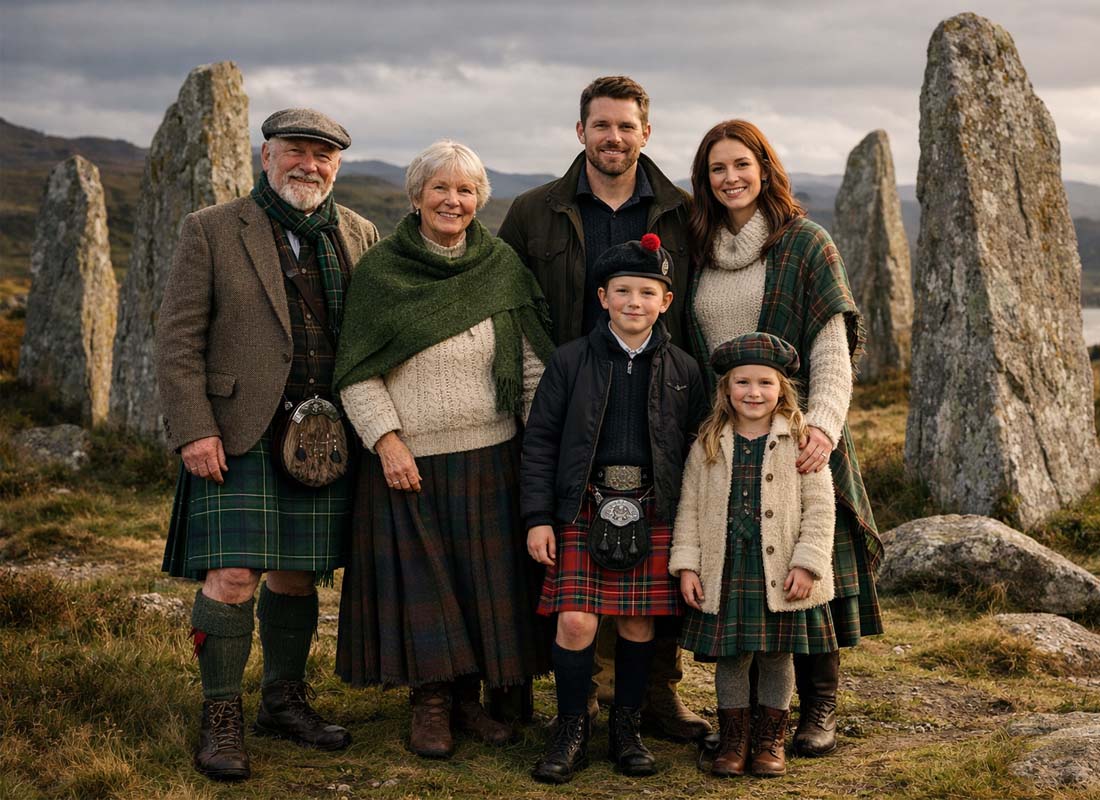
The physical appearance of Scottish people reflects thousands of years of complex history and migration patterns. Scotland’s genetic makeup is a combination of ancient Celtic roots and Norse Viking influences, particularly in the northern islands and coastal regions. Anglo-Saxon migrations also contributed to the genetic diversity, especially in the Scottish Lowlands and border regions near England. This unique blend creates a fascinating tapestry of physical characteristics that distinguish Scottish people from other populations.
Scottish ancestry traces back primarily to the Picts, an ancient Celtic people who inhabited Scotland before the Roman conquest. Later migrations brought Gaelic-speaking Scots from Ireland, who settled in western Scotland and eventually gave the country its name. The Viking invasions during the medieval period left lasting genetic markers, particularly in Orkney, Shetland, and the Hebrides islands. This blend of Celtic, Norse, and Anglo-Saxon heritage creates the foundation for understanding Scottish physical characteristics today.
Modern genetic studies reveal that Scottish people share significant DNA with other Celtic populations in Ireland, Wales, and Cornwall. However, regional variations exist throughout Scotland, with different areas showing stronger influences from specific ancestral groups. The Highlands typically show more Gaelic and Norse heritage, while the Lowlands demonstrate greater Anglo-Saxon influence. These genetic differences, though subtle, contribute to the physical diversity observed across Scotland’s regions.
The geological isolation of Scotland’s islands and Highland valleys historically limited gene flow between communities. This geographic separation allowed certain physical traits to become concentrated in specific areas through a process called genetic drift. Over centuries, these isolated communities developed distinctive local characteristics that remained relatively stable until modern transportation and communication increased mobility.
Common Physical Features Among Scottish People
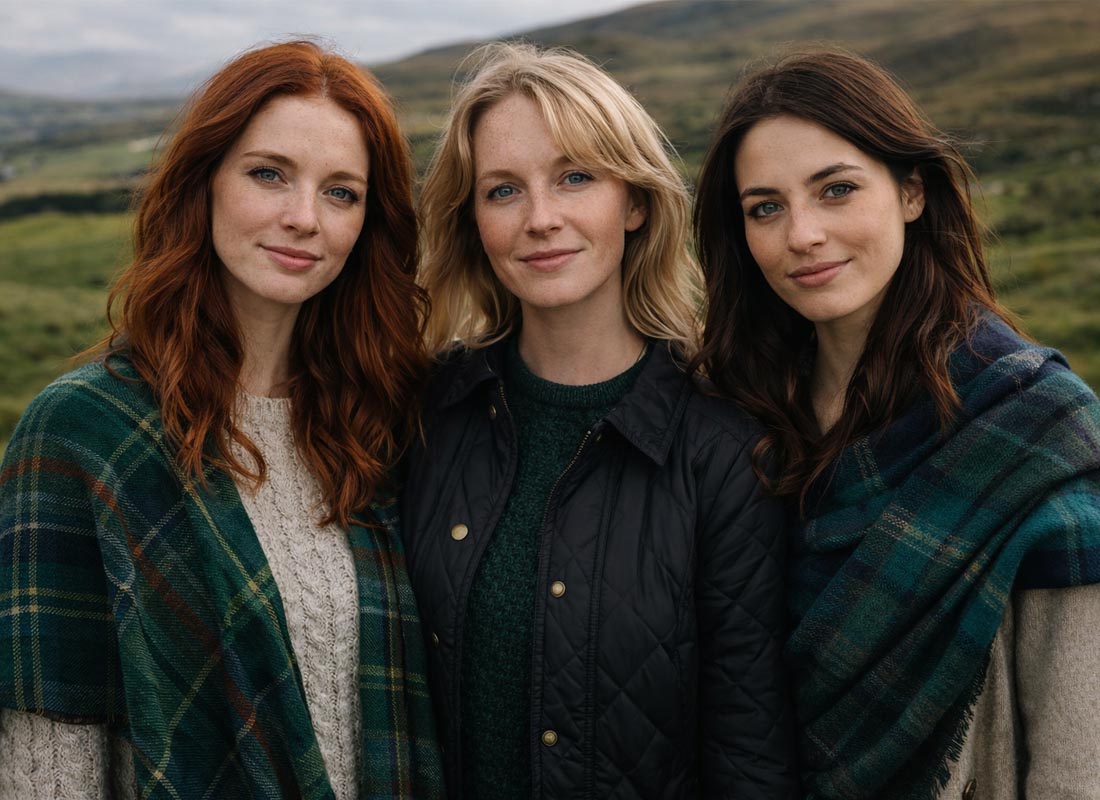
When discussing typical Scottish appearance, it’s important to recognize that significant diversity exists within the population. However, certain physical traits appear more frequently among people of Scottish descent. Fair skin is perhaps the most commonly associated feature, with Scotland having one of the highest percentages of pale complexions globally due to the northern latitude and historically limited sun exposure. This characteristic developed over millennia as an adaptation to the low-light environment.
Hair color among Scottish individuals ranges widely, though lighter shades predominate. Red hair appears in Scotland at higher rates than almost anywhere else in the world, with approximately 13% of the population carrying the distinctive ginger hue. This genetic trait comes from a mutation in the MC1R gene and appears most frequently in Celtic populations. Beyond red hair, many Scottish people have brown, blonde, or auburn hair, with darker shades also common, particularly in certain regions. The variety of hair colors reflects the diverse ancestry of the Scottish people.
Eye color distribution in Scotland leans toward lighter shades, with blue and green eyes appearing frequently. Gray eyes also occur commonly among the Scottish population, creating a distinctive stormy appearance that many consider characteristically Scottish. However, brown eyes are certainly not unusual, especially among those with mixed ancestry or darker hair colors. The combination of fair skin with light eyes creates the stereotypical Scottish appearance many people envision, though this represents only one variation among many.
Facial features among Scottish people vary considerably, but some patterns emerge. Many individuals of Scottish descent have well-defined cheekbones and strong jawlines, characteristics often associated with Celtic ancestry. Nose shapes range from straight to slightly upturned, with no single type dominating. Face shapes commonly include oval, square, and heart-shaped structures, reflecting the diverse genetic background. Some researchers note that certain Highland populations show slightly broader facial structures, potentially reflecting Norse genetic influence.
Scottish Regional Physical Differences: A Complete Breakdown

Scotland’s geography has historically created somewhat isolated communities, leading to distinct regional characteristics. The Scottish Highlands, with their rugged terrain and historically Gaelic-speaking population, often show stronger Celtic features. People from Highland regions may exhibit slightly different facial structures and coloring compared to their Lowland counterparts. The mountain valleys that characterize the Highlands created natural barriers that kept communities relatively isolated for centuries.
| Region | Common Features |
|---|---|
| Highlands | Red/auburn hair, very fair skin, stocky build, Celtic features |
| Lowlands | Brown/blonde hair, fair skin, mixed features, Anglo-Saxon influence |
| Orkney & Shetland | Blonde hair, fair skin, taller height, Norse/Viking heritage |
| Western Isles | High red hair rate, very fair skin, strong Gaelic features |
When comparing Highland vs Lowland Scottish appearance, the differences are quite noticeable. Highland Scots typically display stronger Celtic features with red or auburn hair and very fair skin, while Lowland Scots show more Anglo-Saxon influence with brown or blonde hair and mixed facial features.
The Northern Isles of Orkney and Shetland demonstrate the most visible Norse influence. Orkney and Shetland people’s features are distinctly different from those of mainland Scotland. These island populations demonstrate the strongest Norse influence, with residents often possessing blonde hair, fair skin, and taller average heights characteristic of their Viking heritage. Scottish Viking heritage is most evident in these northern communities, where genetic studies confirm stronger DNA connections to Norwegian populations than other Scottish regions.
Lowland Scots, particularly those from the Central Belt and Borders regions, often show more Anglo-Saxon influence in their appearance. This area experienced greater English migration and cultural exchange throughout history. Physical characteristics here may include slightly darker average hair colors and features common throughout Britain. The proximity to England and historical trade routes facilitated greater genetic mixing in these regions.
The Western Isles and West Coast populations maintain a strong Gaelic heritage, with physical traits reflecting ancient Celtic ancestry. These regions often show the highest concentrations of red hair and the fairest skin tones. Island communities, with their historically limited gene pools, sometimes display distinctive local characteristics passed down through generations. The isolation of island life created unique genetic signatures that genetic researchers can still identify today.
Edinburgh and Glasgow, as major urban centers, have historically attracted migrants from across Scotland and beyond. These cities demonstrate the most diverse physical appearances, with populations representing all Scottish regions plus international immigration. Urban Scottish populations often show more mixed features, reflecting the cosmopolitan nature of city life.
Why Scottish People Have Red Hair: The Genetic Explanation
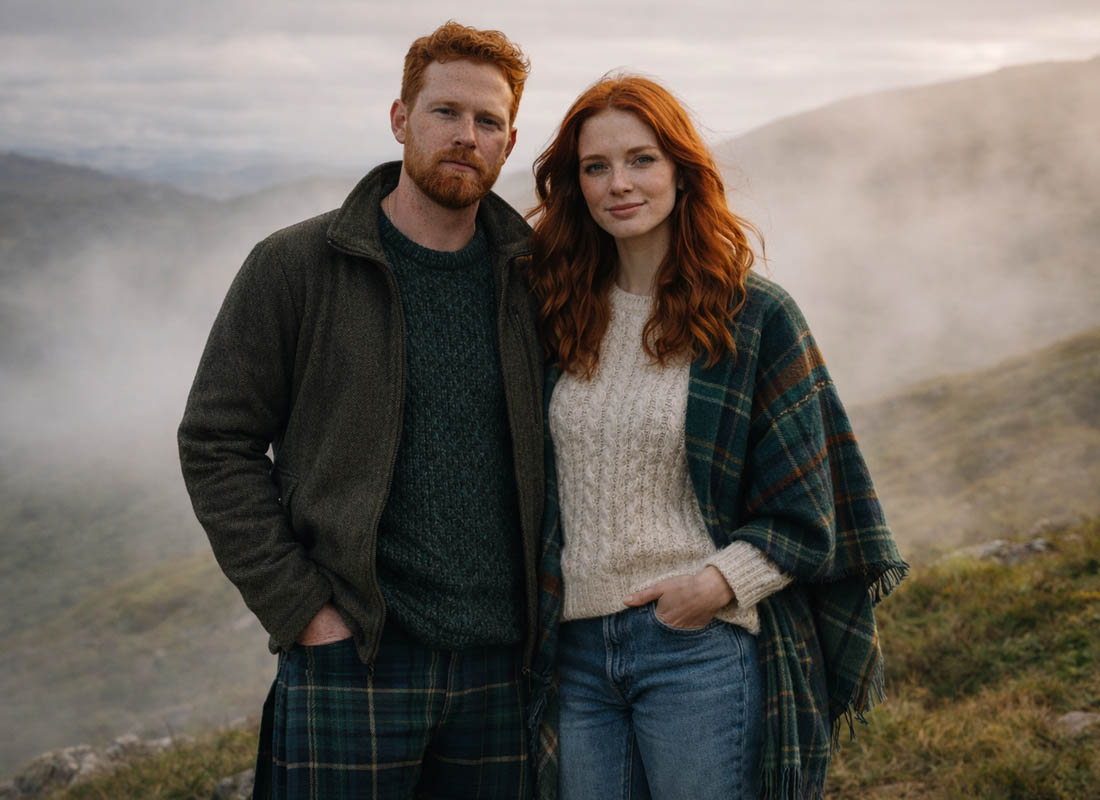
Many people wonder why Scottish people have red hair at such high rates. The genetic mutation responsible for red hair (MC1R gene) likely originated in Celtic populations thousands of years ago and became concentrated in Scotland through geographic isolation and genetic drift.
Red-haired Scots often possess accompanying features, including extremely fair skin, freckles, and light-colored eyes. The MC1R gene variant responsible for red hair also affects skin pigmentation, making redheads particularly susceptible to sunburn. This genetic package creates a distinctive appearance instantly recognizable worldwide as characteristically Scottish or Irish. The pale skin associated with red hair developed as an adaptation to maximize vitamin D production in Scotland’s low-light environment.
Beyond natural red hair, many Scottish people carry the recessive gene without displaying red hair themselves. These carriers may have auburn or strawberry blonde hair, or they might pass the trait to their children. The gene’s persistence in the Scottish population reflects both genetic drift and the historical isolation of many Scottish communities. Two parents carrying the recessive gene have a 25% chance of having a red-haired child.
The cultural significance of red hair in Scotland extends beyond genetics. Throughout history, red hair has been associated with Scottish identity and Celtic heritage. While sometimes subject to teasing in childhood, many red-haired Scots embrace this distinctive feature as part of their cultural identity. The international recognition of red hair as a Scottish characteristic has made it a source of pride for many.
Skin Tone and Complexion Characteristics
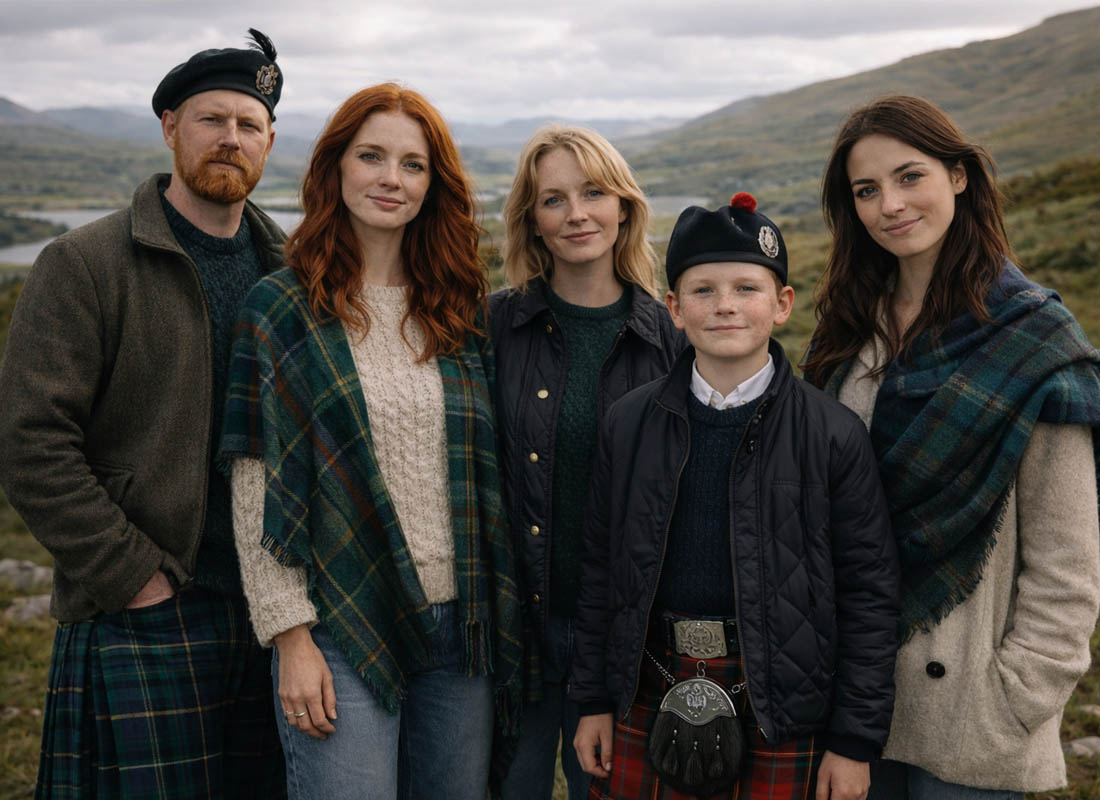
Scottish people generally have fair to very fair skin, ranking among the palest populations globally. This characteristic results from Scotland’s northern latitude, where lower UV exposure over thousands of years reduced the evolutionary need for darker skin pigmentation. The cloudy, overcast climate that characterizes much of Scotland further limits sun exposure for the population. This adaptation allowed maximum vitamin D synthesis from limited sunlight.
Many Scottish individuals have skin that burns easily and tans minimally, a characteristic associated with Types I and II on the Fitzpatrick skin classification scale. Freckles appear commonly, particularly among those with red or lighter hair colors. These small pigmented spots result from melanin clustering in response to sun exposure and genetic factors. The distribution and intensity of freckles vary widely among individuals.
However, modern Scotland’s population includes increasing diversity, with immigration bringing people from various ethnic backgrounds. Cities like Glasgow and Edinburgh now host multicultural populations, though discussions of “traditional” Scottish appearance typically reference the historic indigenous population. Contemporary Scotland embraces this diversity while maintaining pride in its Celtic heritage. Second and third-generation immigrants of Scottish nationality may display very different physical characteristics while being equally Scottish in identity.
The fair skin characteristic of many Scottish people requires special consideration in terms of sun protection. Scotland has high rates of skin cancer relative to its limited sunshine, precisely because fair-skinned populations are more vulnerable to UV damage. This biological reality reflects the evolutionary adaptation to low-light environments.
Height and Body Type Among Scottish People
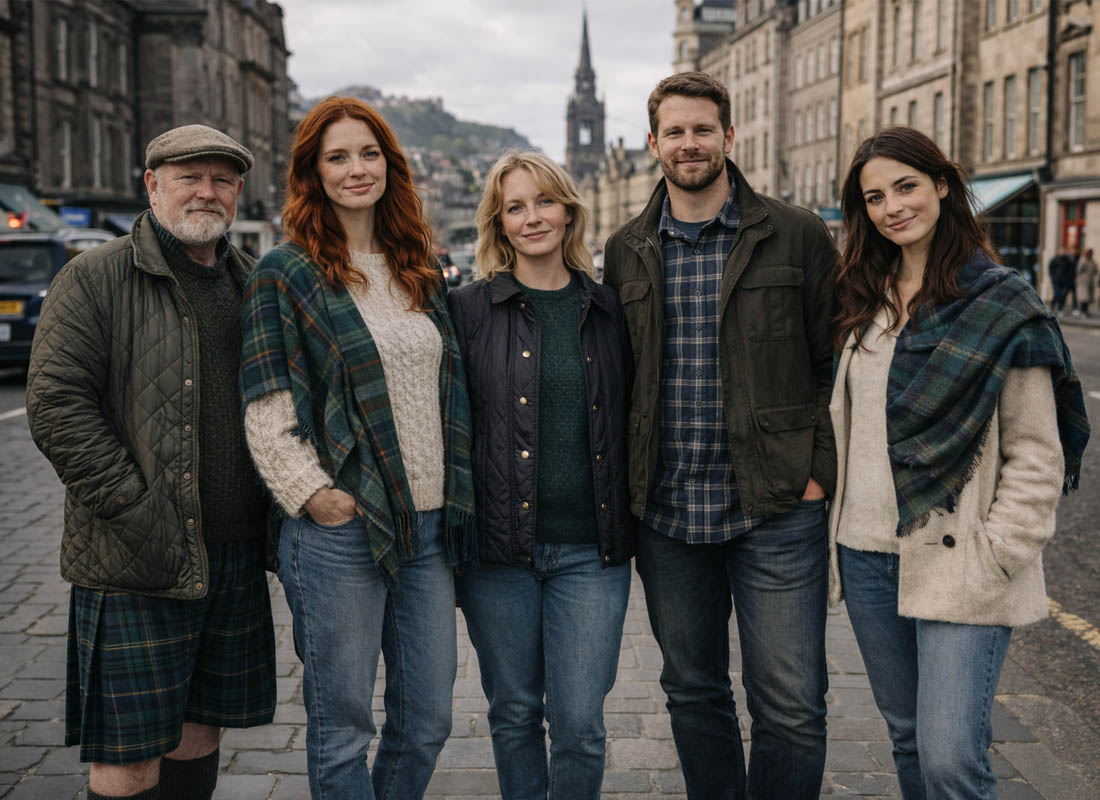
Average height among Scottish people falls within typical European ranges, though historical data shows variation over centuries. Modern Scottish men average around 5’10” (178 cm), while women average approximately 5’4″ (163 cm). These figures have increased over the past century due to improved nutrition and healthcare. Historical records suggest earlier Scottish generations were somewhat shorter on average.
Body types among Scottish people vary widely, as with any population. The stereotype of robust, stocky builds has some historical basis, particularly in Highland communities where physical labor and harsh climate conditions favored stronger, more compact physiques. However, contemporary Scottish people display the full range of body types found in modern developed nations. Urban and rural populations may show slight differences in average build.
Regional differences in build occasionally appear, with Highland and Island populations historically showing slightly stockier average builds compared to urban Lowland populations. These differences have diminished in modern times as geographic isolation has decreased and mobility has increased. The physical demands of traditional Highland life, including farming rocky terrain and working in harsh weather, may have contributed to the historical prevalence of stronger builds.
Athletic builds are common among younger generations who benefit from modern nutrition and opportunities for exercise. Scotland’s strong sporting culture, including football, rugby, and Highland games, promotes physical fitness. However, like many developed nations, Scotland also faces challenges with obesity and sedentary lifestyles in the modern era.
Common Misconceptions About Scottish Appearance
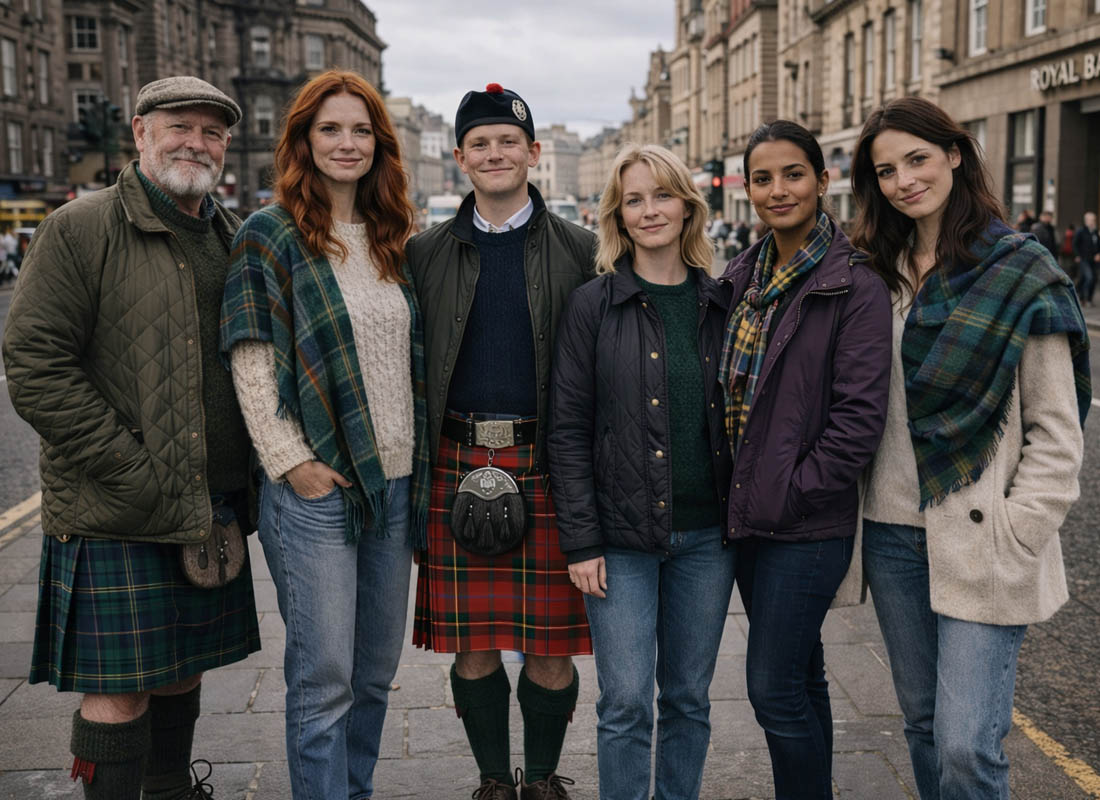
Several stereotypes about Scottish physical appearance persist despite lacking universal accuracy. The image of all Scots having red hair represents perhaps the most common misconception. While Scotland has the highest percentage of redheads globally, approximately 87% of the population has other hair colors. The prominence of red hair in Scottish imagery and media creates an exaggerated perception of its frequency.
Another misconception suggests that all Scottish people have pale skin and light eyes. While these traits appear frequently, plenty of Scots have darker coloring, brown eyes, and olive-toned skin, particularly in southern regions or among those with mixed ancestry. The diversity within Scotland’s population defies simple categorization. Historical mixing with darker-haired Celtic populations and later migrants created significant variation.
The stereotype of Scots wearing traditional Highland dress daily also misrepresents modern Scottish culture. While kilts and tartan hold cultural significance and appear at formal events, weddings, and celebrations, contemporary Scottish people dress similarly to other Western populations in daily life. The romanticized image of kilted Highlanders reflects historical and ceremonial traditions rather than everyday reality.
Some people mistakenly believe all Scottish people have distinct accents that sound the same. In reality, Scotland has numerous regional dialects and accent variations, from the distinctive Glaswegian accent to the softer tones of the Borders. These linguistic differences often correlate with regional populations and historical settlement patterns.
Scottish Features in a Modern Context
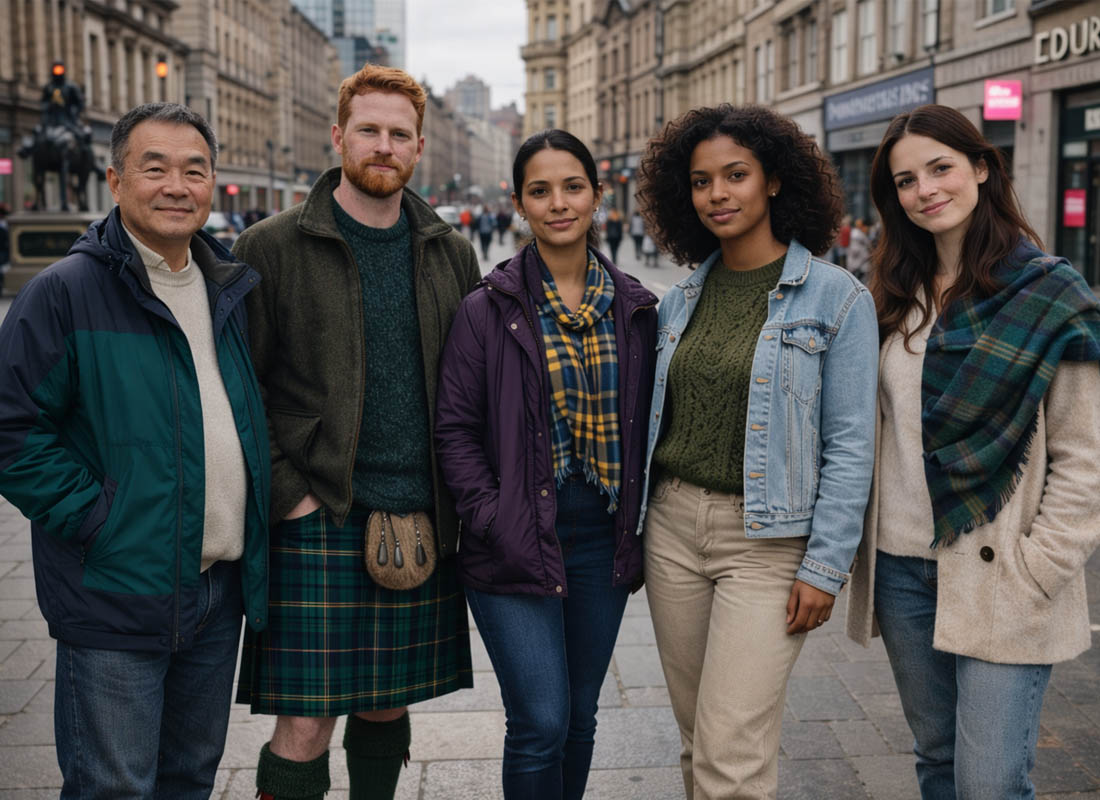
Today’s Scotland represents a multicultural society where traditional physical characteristics blend with increasing diversity. Immigration from Europe, Asia, Africa, and other regions has enriched Scotland’s genetic and cultural landscape. Modern Scottish identity encompasses people of all backgrounds who call Scotland home. The definition of “Scottish appearance” continues to evolve with demographic changes.
Genetic testing and ancestry research have become increasingly popular, allowing people of Scottish descent worldwide to explore their heritage. These technologies reveal the complex migrations and intermixing that created the Scottish gene pool. Many individuals discover unexpected ancestral connections, highlighting how physical appearance provides only partial insight into genetic heritage. DNA testing has revolutionized the understanding of Scottish genetic history.
The Scottish diaspora, particularly in countries like Canada, Australia, New Zealand, and the United States, maintains strong connections to Scottish heritage. Millions of people worldwide claim Scottish ancestry, and many retain physical characteristics associated with Scottish origins. These diaspora communities often show interest in traditional Scottish appearance as part of their heritage exploration.
Key Physical Traits: Quick Reference
For those seeking a concise overview of common Scottish physical characteristics, here are the most frequently observed features:
- Skin: Fair to very fair complexion, often with freckles
- Hair: Red, auburn, blonde, light brown, or dark brown
- Eyes: Blue, green, gray, or brown
- Build: Variable, historically stocky in some regions
- Height: Average European ranges (men ~5’10”, women ~5’4″)
- Facial Features: Well-defined cheekbones, various nose and face shapes
Distinguishing Features from Other Celtic Populations
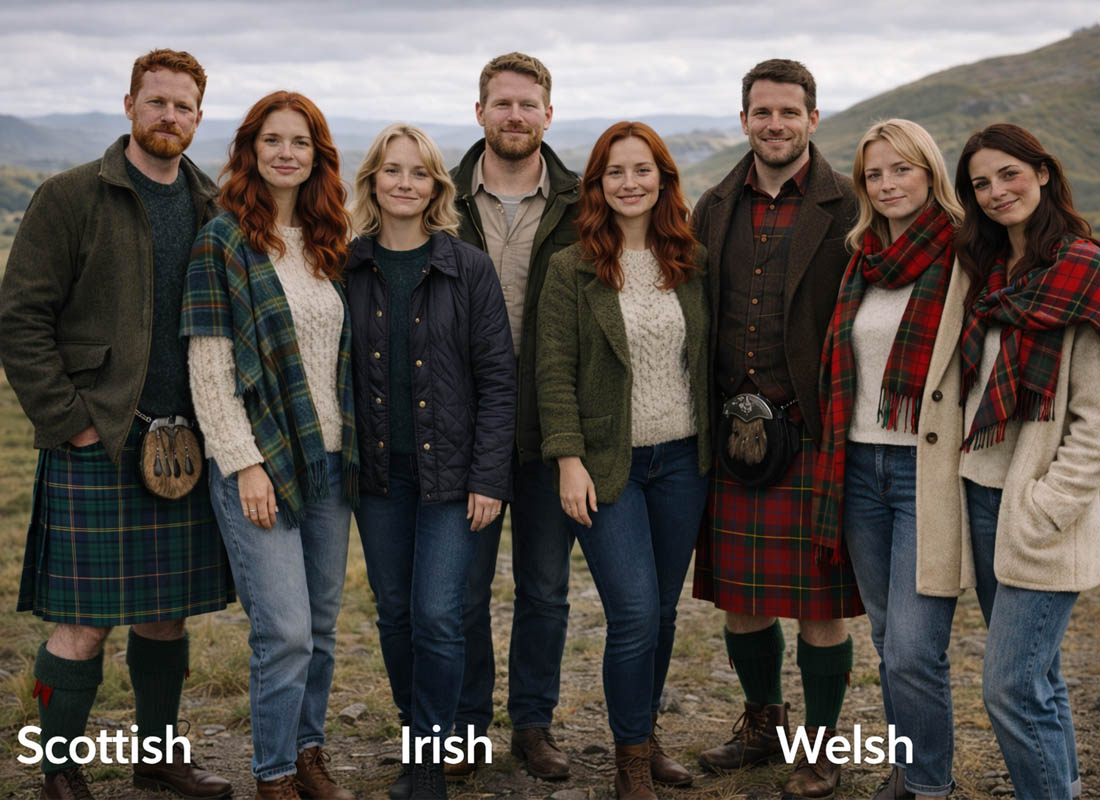
Scottish people share many physical characteristics with other Celtic populations, particularly the Irish and Welsh. However, subtle differences sometimes appear. The Norse genetic influence appears stronger in Scotland, especially in northern regions, potentially contributing to slightly different facial structures and higher frequencies of blonde hair compared to Ireland. These Scandinavian genetic markers distinguish Scottish populations from their Celtic cousins.
Regional accents and cultural practices often provide more reliable distinguishing features than physical appearance alone. The Scottish accent, with its various regional dialects, immediately identifies someone as Scottish even when physical features might be ambiguous. Cultural markers like surnames, family tartans, and regional traditions offer additional identification beyond mere physical appearance. The distinctive rolling “r” sound in Scottish speech represents one identifying feature.
Welsh populations, another Celtic group, tend to show slightly darker average coloring than Scots, though considerable overlap exists. Irish people share the highest rates of red hair with Scots, making these populations particularly difficult to distinguish by appearance alone. Genetic studies show Scottish and Irish populations are closely related, with significant historical migration between the two countries.
The Role of Environment in Scottish Physical Traits
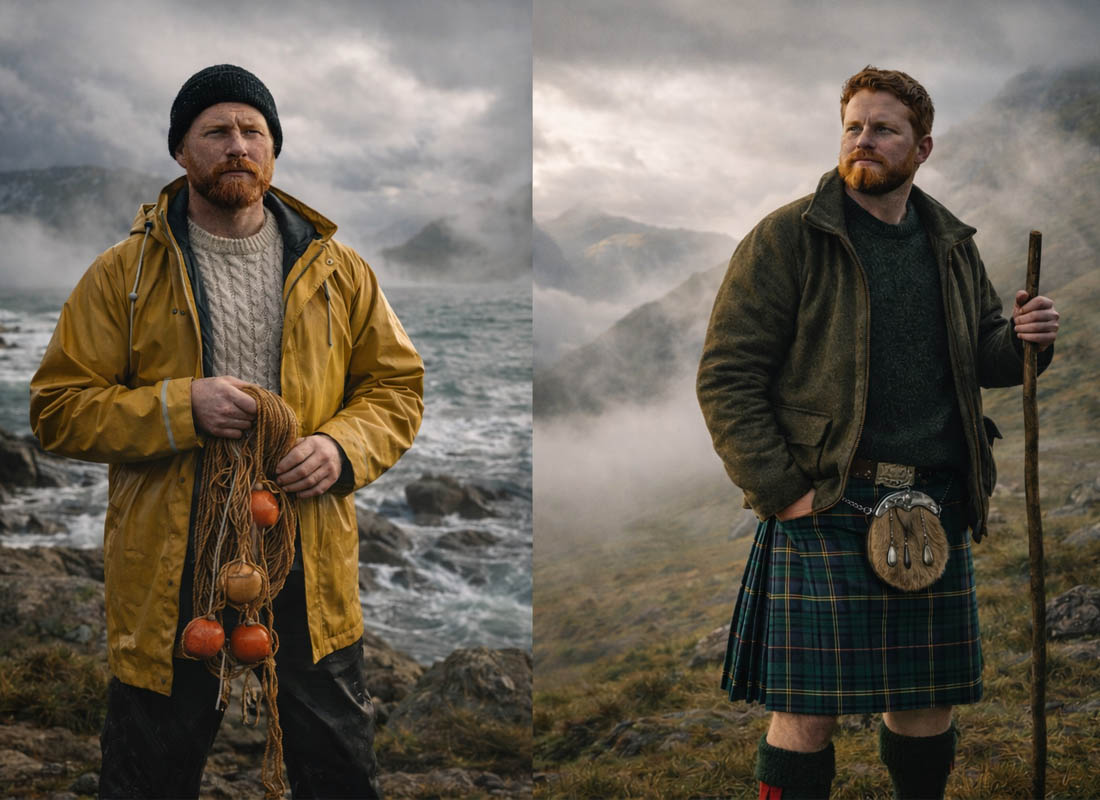
Scotland’s climate and geography significantly influenced the physical characteristics of its historical population. The northern latitude, limited sunshine, and often harsh weather conditions created selective pressures favoring fair skin that could maximize vitamin D production from limited UV exposure. This environmental adaptation occurred over thousands of years. The body’s need for vitamin D, essential for bone health and immune function, drove this evolutionary change.
The rugged Highland terrain and island geography created isolated communities where certain genetic traits became concentrated through founder effects and genetic drift. Mountain valleys and island populations often developed distinctive local characteristics through generations of intermarriage within small communities. These regional variations remain partially visible today, though modern mobility has reduced geographic isolation. Small founding populations on remote islands amplified certain genetic traits.
Coastal populations, particularly in fishing communities, developed physical adaptations to maritime life and harsh weather conditions. These communities often showed robust builds and weather-resistant skin characteristics that helped them thrive in challenging environments. The physical demands of fishing and seafaring may have selected for certain body types over generations.
Scotland’s diet, historically based on oats, fish, root vegetables, and limited dairy, also influenced physical development. Nutritional factors affect growth patterns and body composition, though modern Scottish diets have diversified considerably. The traditional Scottish diet was adapted to what could be grown or caught in the challenging Scottish environment.
Genetic Research and Scottish DNA

Modern genetic research has provided fascinating insights into Scottish ancestry and physical characteristics. DNA studies reveal that Scottish people carry genetic markers from multiple ancient populations. The Pictish genetic contribution remains somewhat mysterious, as this ancient population left limited written records. However, genetic analysis suggests strong continuity between ancient Scottish populations and modern inhabitants.
Y-chromosome studies trace paternal lineages, showing strong Norse influence in northern Scotland and Celtic markers predominating elsewhere. Mitochondrial DNA, inherited maternally, tells similar stories of ancient migrations and settlements. These genetic tools allow researchers to map how different ancestral groups contributed to modern Scottish populations and their physical characteristics.
Genetic research also reveals that many Scottish people carry Neanderthal DNA, as do most non-African populations worldwide. This ancient genetic heritage contributes minimally to modern appearance but represents humanity’s complex evolutionary history. The percentage of Neanderthal DNA in Scottish populations is typical for European populations.
Frequently Asked Questions About Scottish Appearance
No, only about 13% of Scottish people have red hair. While Scotland has the highest percentage of redheads globally, the majority of Scots have brown, blonde, or auburn hair. Red hair is most common in the Highland and Western regions, but it’s far from universal across Scotland.
Blue eyes are the most common in Scotland, followed by green and gray. However, brown eyes are also quite common, especially among people with darker hair or mixed ancestry. The distribution of eye colors varies by region, with lighter shades more prevalent in areas with stronger Norse influence.
Scottish people have average heights similar to those of other Northern Europeans. Men average around 5’10” (178 cm) and women around 5’4″ (163 cm). People from Orkney and Shetland tend to be slightly taller due to Norse heritage, while traditional Highland populations showed more compact builds.
Physical appearance alone cannot reliably distinguish Scottish from Irish people, as both share strong Celtic heritage and similar features including fair skin and high rates of red hair. The main differences lie in accents, cultural traditions, and subtle genetic markers. Scottish populations show stronger Norse influence, particularly in northern regions.
Conclusion: The Diversity of Scottish Appearance
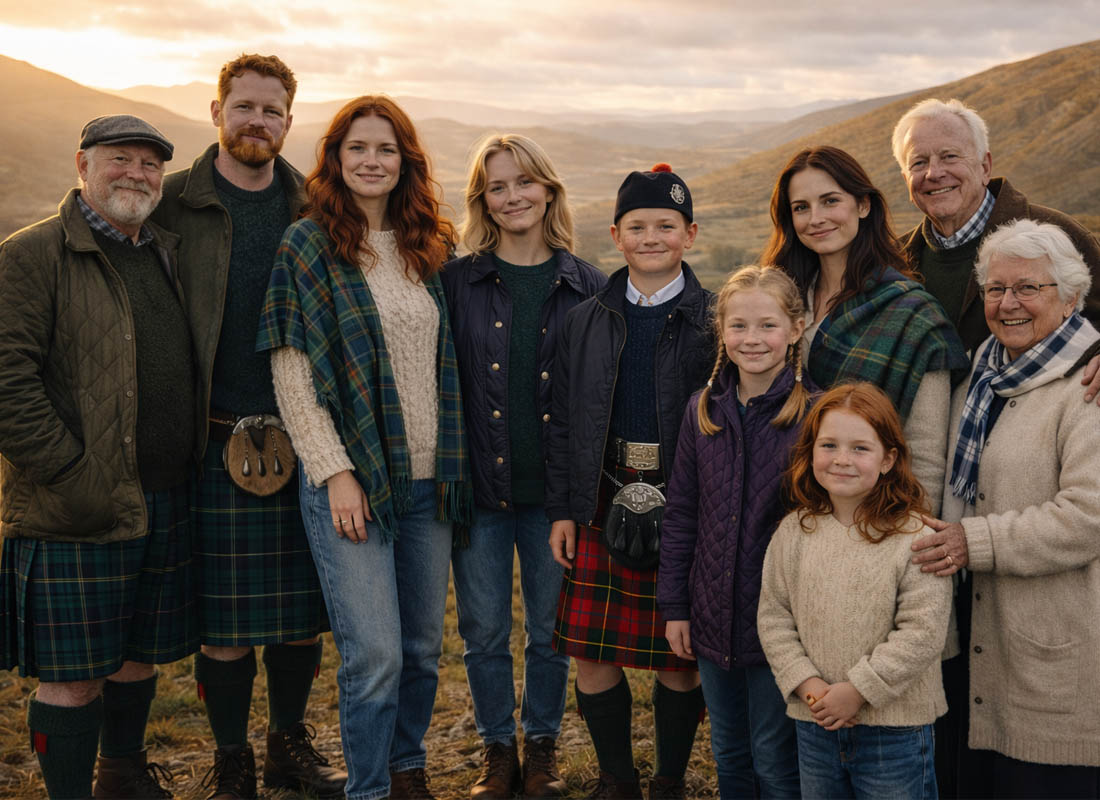
Understanding what Scottish people look like requires acknowledging both common patterns and significant diversity. While certain traits like fair skin, varied hair colors, including distinctive red shades, and light eyes appear frequently, Scottish physical appearance encompasses much more variation than stereotypes suggest. Regional differences, individual genetic variation, and modern multicultural influences all contribute to the rich tapestry of Scottish appearance.
The question “what do Scottish people look like?” ultimately has no single answer. Scottish physical characteristics reflect thousands of years of history, migration, and adaptation to the northern environment. From the red-haired Highlander to the blonde Orkney Islander, from urban Glaswegians to rural Borderers, Scottish people display remarkable diversity while sharing a common cultural heritage. Each region of Scotland contributes its own unique characteristics to the overall picture.
For those researching Scottish ancestry, traveling to Scotland, or simply satisfying curiosity about this fascinating nation, remember that physical appearance represents just one aspect of Scottish identity. The true essence of being Scottish encompasses language, culture, history, and shared values that transcend any single physical description. Whether someone matches the stereotypical image of a Scot or not, their connection to Scotland’s rich heritage defines their Scottish identity far more than hair color or eye shade ever could.
Scotland’s physical diversity reflects its complex history and continues evolving with each generation. Understanding this complexity helps appreciate the nation’s rich genetic heritage while respecting the individual variation that makes each Scottish person unique. Modern Scotland celebrates both its distinctive Celtic heritage and its evolving multicultural identity, recognizing that Scottish appearance encompasses far more diversity than any simple description can capture.