
Blog
What is A Glengarry Hat? Complete Guide to Traditional Scottish Headwear

The Glengarry hat represents one of the most iconic symbols of Scottish heritage and military tradition worldwide. This distinctive boat-shaped cap has journeyed through centuries of Scottish history, transforming from a simple Highland accessory into internationally recognized ceremonial headwear. Whether you’ve spotted it atop Scottish soldiers during formal parades, pipe band members at Highland games, or traditional dress enthusiasts celebrating their heritage, the Glengarry carries profound cultural significance worth exploring.
In this comprehensive guide, we’ll explore everything about the Glengarry bonnet, from its 18th century origins in the Scottish Highlands to modern-day wearing occasions. You’ll discover why this traditional Scottish cap continues to capture hearts and maintain its prestigious place in military regiments and civilian wardrobes throughout Scotland and beyond.
The History and Origins of the Glengarry Bonnet
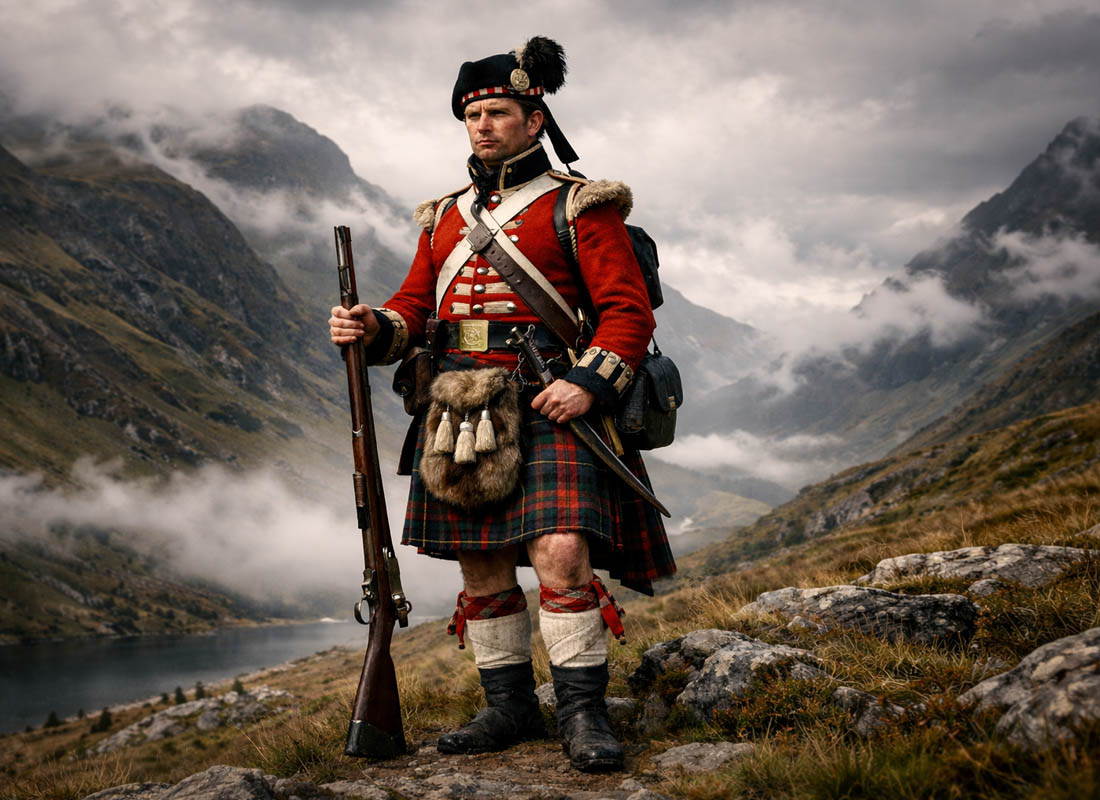
The Glengarry hat derives its name from Glen Garry, a picturesque valley region in the Scottish Highlands known for stunning landscapes and robust clan traditions. The hat emerged during the early 19th century as a practical alternative to larger, more cumbersome headwear that Highland regiments previously utilized. Historical records indicate that the Glengarry Fencibles, a military regiment formed in 1794, first wore this distinctive design under the command of Alexander Ranaldson MacDonell of Glengarry.
Originally conceived as military dress for Highland regiments serving in the British Army, the Glengarry proved exceptionally practical for soldiers. Unlike the traditional Balmoral bonnet, which appeared more formal and decorative, the Glengarry’s boat-shaped design made it simple to fold and transport during military campaigns. This functionality ensured its rapid adoption throughout Scottish regiments during the 1800s, eventually becoming the standard piper’s hat by the 1860s, except for certain regiments like the Black Watch.
The Victorian era witnessed the Glengarry reaching unprecedented popularity when Queen Victoria and Prince Albert embraced Scottish culture at Balmoral Castle. This royal endorsement transformed the hat from a regional Highland accessory into a fashionable item throughout Britain and Commonwealth nations. The Glengarry became a powerful statement of Scottish pride and a tangible connection to Highland traditions that countless people worldwide cherished deeply.
Physical Characteristics and Design Features of the Glengarry Cap
The Glengarry hat showcases a distinctive boat-shaped design that immediately distinguishes it from other Scottish hats and caps. Constructed typically from thick wool fabric, the hat features a creased crown running lengthwise down the center, creating the characteristic boat silhouette. The sides fold flat with two ribbons, traditionally black and made of silk or comparable fabric, hanging freely from the back to add traditional flair without being tied.
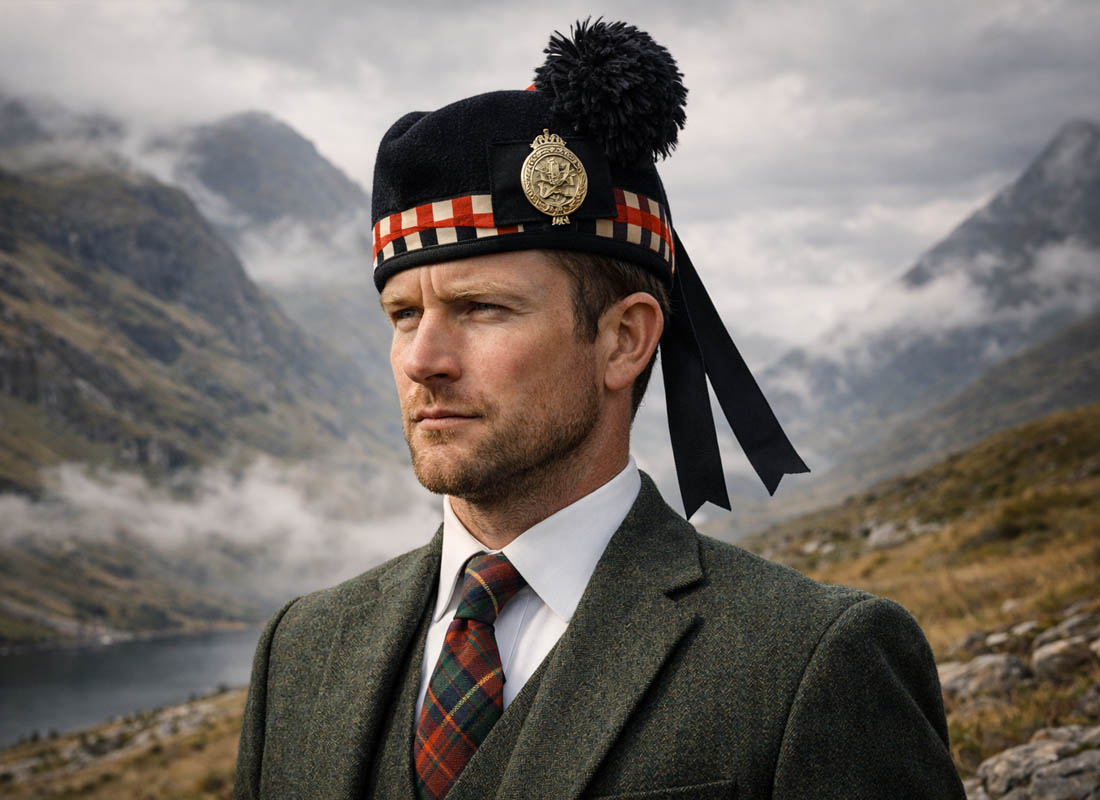
A toorie, which represents a small cylindrical pompom traditionally crafted from fur or felt, sits prominently atop the crown at the front peak. This decorative element historically indicated military rank or regiment affiliation, with different colors signifying various Highland regiments or positions. The hat typically includes checkered dicing patterns around the base, featuring red, white, and blue combinations for royal regiments or red, white, and green for other units.
Key Components of Traditional Glengarry Hats:
- Boat-shaped crown with a central lengthwise crease creating a distinctive profile
- Ribbon tails hanging down the backside provide decorative movement
- Toorie (pompom) positioned at the front peak for regimental identification
- Dicing pattern checkered band around the headband representing military heritage
- Badge mounted on the left side displaying the clan crest, rosette cockade, or regimental insignia
- Soft lining made from silk or a comfortable material for the wearer’s comfort
The hat typically measures approximately 10-11 inches in length and sits snugly without requiring chinstrap. Quality construction features reinforced stitching at stress points, particularly where ribbons attach and along crown seams. Authentic Glengarry hats maintain their boat shape through years of regular wear when properly cared for.
Military Significance and Highland Regiment Traditions
The Glengarry bonnet holds profound significance throughout military history, particularly within Scottish Highland regiments and Commonwealth forces. Various Highland regiments adopted the Glengarry as standard undress headwear during the mid-1800s, with each unit incorporating unique identifying features through badge mounts, toorie colors, and dicing patterns. Between 1868 and 1897, many regular British soldiers sported the Glengarry as an everyday military cap.
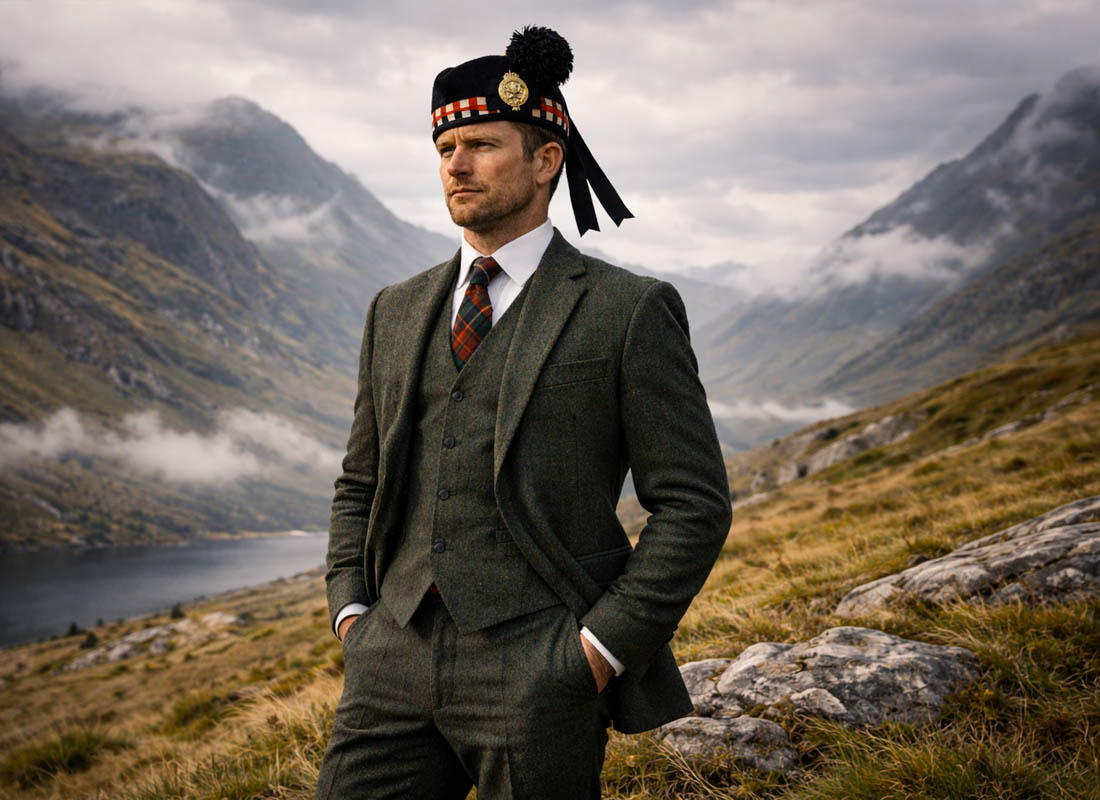
Famous regiments, including the Black Watch, Argyll and Sutherland Highlanders, and Scots Guards, maintain long-standing associations with Glengarry headwear. These elite units wear the hat with distinctive regimental badges pinned to the left side, displaying their unit’s heraldry with tremendous pride. The tradition continues robustly today, with Scottish regiments maintaining the Glengarry asan integral part of ceremonial dress uniforms, particularly during formal parades, memorial services, and traditional military events.
Canadian military forces enthusiastically adopted the Glengarry, with several regiments including Scottish-heritage units incorporating it into dress uniforms. By World War II, the Glengarry returned as standard headwear for all Scottish regiments in the British Army. This cross-cultural military adoption demonstrates how the Glengarry transcended its Scottish origins to become a universal symbol of Highland military tradition and regimental pride worldwide.
Types and Variations of Glengarry Hats
Traditional Glengarry hats come in several distinct variations, each serving specific purposes within military and civilian contexts. The plain Glengarry represents the most traditional style, popular in both civilian and military services, featuring a simple boat appearance without elaborate patterns. This variation suits everyday Highland dress and casual Scottish events where understated elegance proves appropriate.
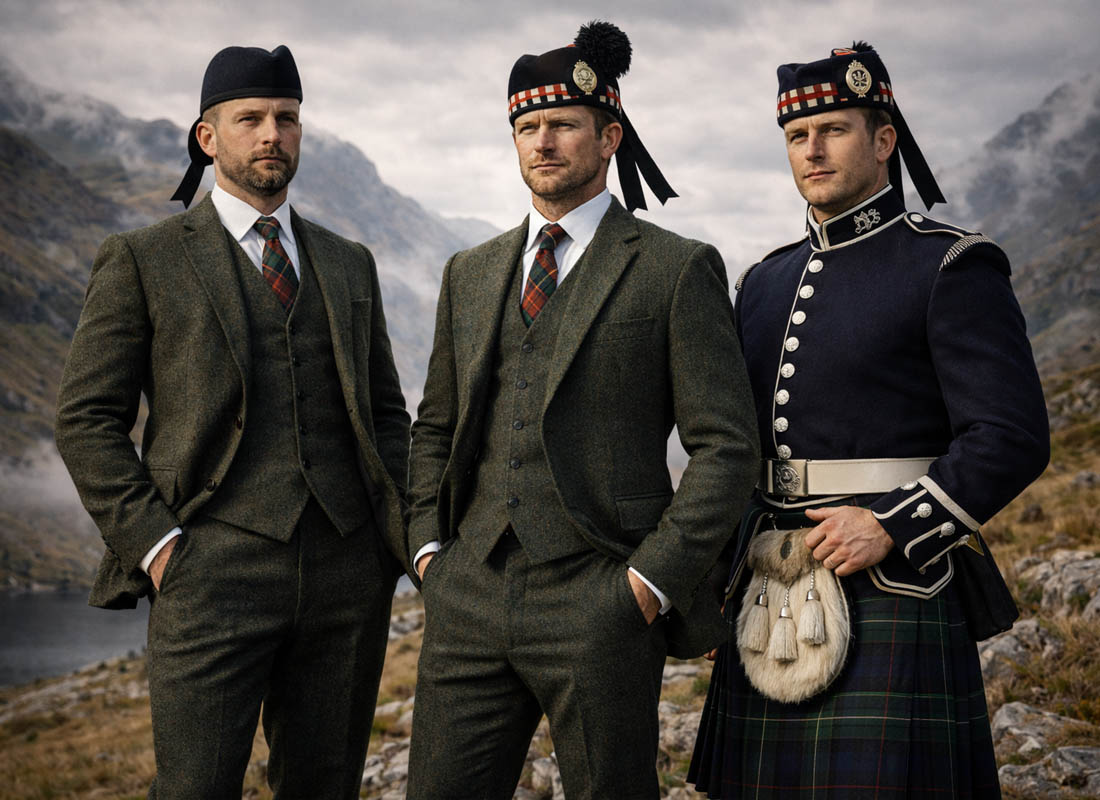
The diced Glengarry features distinctive checkered patterns around the base and earned its particular name specifically because of these decorative elements. This variation maintains strong connections with Scottish regimental members and bagpipe bands who perform at Highland games and cultural festivals. The primary dicing colors include red, white, and black combinations that signify regimental affiliations and military heritage.
Regimental Glengarries represent the most formal variation, introduced during the 18th century and maintaining continuous association with military units and Highland regiments. These specialized hats feature additional embellishments, including clan crests, regimental badges, and military insignia mounted prominently on the left side. Not everyone can wear authentic regimental Glengarries, as they remain reserved for active or former members of specific military units and pipe bands.
How to Wear a Glengarry Hat Properly with Highland Dress
Wearing a Glengarry bonnet correctly requires attention to traditional positioning and time-honored etiquette that Scottish culture values deeply. The hat should sit squarely on the head with the front peak positioned approximately one inch above the eyebrows, ensuring both comfort and proper military bearing. The ribbons should hang naturally down the right rear side without being tucked in, tied, or excessively adjusted during wear.
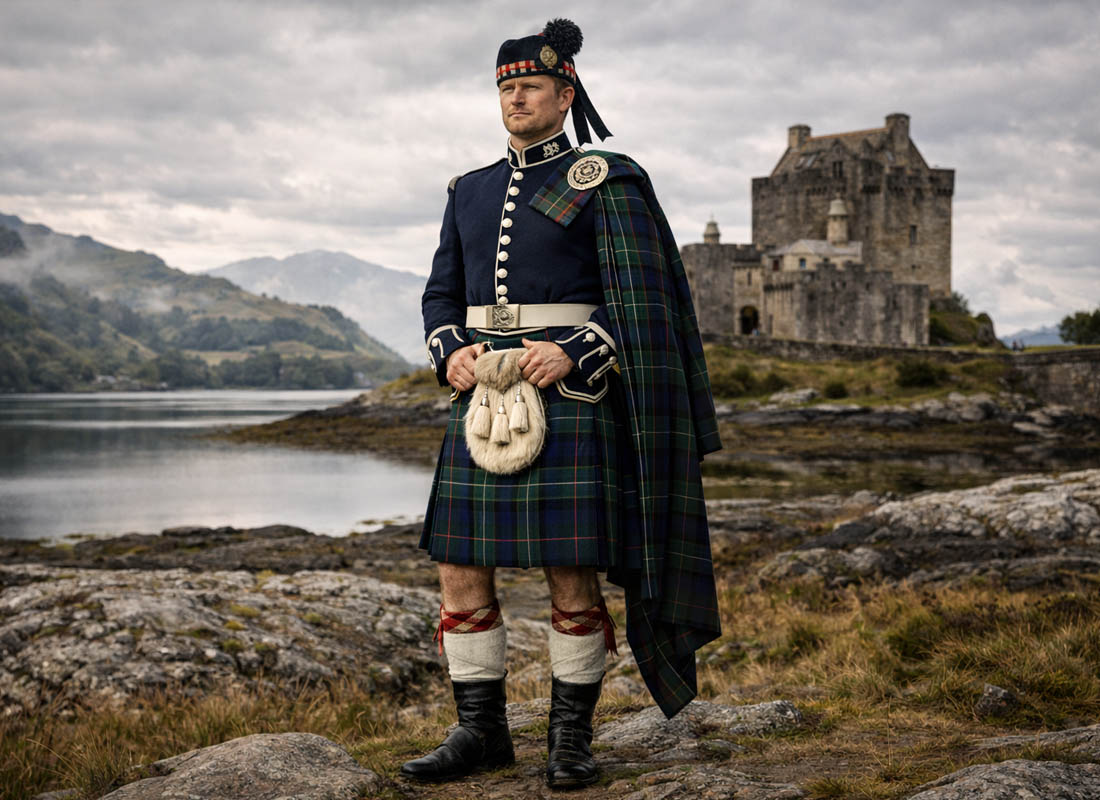
The toorie must be positioned directly at the front center of your forehead when viewing the wearer face-on, creating a balanced, symmetrical appearance. Tilting the Glengarry to either side is considered improper form and significantly detracts from the dignified appearance this Scottish headwear conveys. When wearing the hat with formal Highland dress, including kilts, kilt jackets, sporrans, and other kilt accessories, the entire ensemble should present a coordinated and respectful Scottish appearance.
To adjust a Scottish Glengarry hat for optimal fit, place it on your head so the point centers over your right eye with the cap badge visible on the right side. You can improve fit by stuffing tissue paper or cotton balls inside the crown, though visiting a professional tailor for proper resizing produces the best long-term results. Following traditional hat etiquette, always remove your Glengarry indoors unless attending specific military ceremonies or formal Scottish events where covered heads remain acceptable.
Glengarry in Pipe Bands and Traditional Scottish Events
Pipe bands throughout Scotland and worldwide have adopted the Glengarry as standard headwear, making it synonymous with traditional Scottish music performance and bagpipe culture. When attending Highland games events or watching pipe bands marching in cultural parades, the synchronized appearance of their Glengarry hats contributes significantly to visual impact and ensemble unity. The hat serves both practical functions, protecting performers from weather elements while maintaining strict traditional appearance standards.
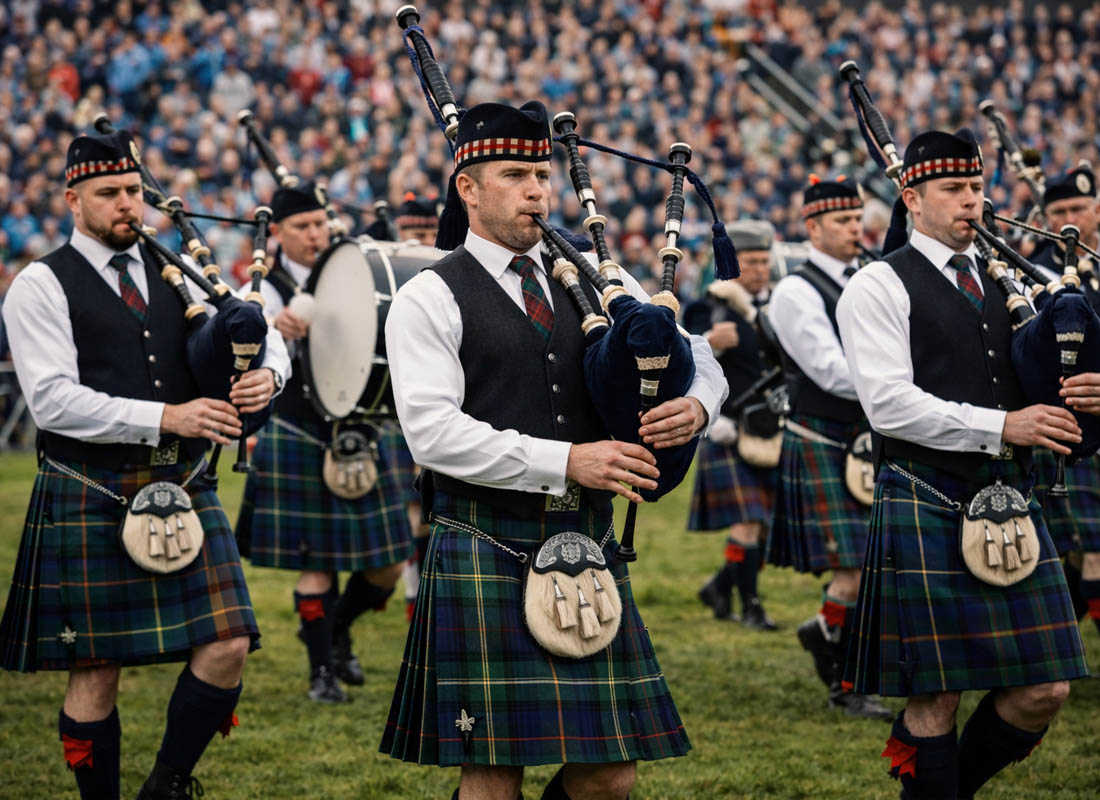
Competition pipe bands demonstrate particular pride in their Glengarry hats, frequently customizing them with unique regimental badges, band insignia, or clan crests that identify their organization. The hats become an integral part of the band’s identity and help create a disciplined military-style presentation that competition judges carefully evaluate. Band members learn meticulous Glengarry maintenance, keeping wool carefully brushed, ribbons properly pressed, and toories securely attached for optimal appearance.
Cultural festivals celebrating Scottish heritage invariably feature Glengarry hats worn proudly by participants, organizers, performers, and attendees alike. Whether experiencing Edinburgh’s Royal Military Tattoo, local Highland games throughout North America, Burns Night celebrations, or Scottish weddings and ceilidhs, the Glengarry serves as a visible connection to cherished Highland traditions. The hat bridges generations beautifully, worn with equal pride by young Scottish dancers and elderly clan members maintaining family heritage.
Key Differences Between Glengarry and Balmoral Bonnets
While both Glengarry and Balmoral represent traditional Scottish caps with deep cultural roots, they differ substantially in design, usage, and historical context. The Balmoral bonnet features a distinctive, round, flat top with toorie positioned centrally, resembling a tam-o’-shanter in overall shape and appearance. Conversely, the Glengarry displays its signature boat shape with toorie positioned at the front peak rather than the center, creating a fundamentally different silhouette.
The Balmoral typically appears more suitable for casual wear and frequently accompanies everyday Highland dress or informal Scottish attire at relaxed gatherings. The Glengarry, carrying military heritage and structured appearance, tends toward formal occasions, ceremonial events, military functions, and traditional Scottish celebrations. However, both Scottish hats remain perfectly acceptable choices for wearing with kilts and complete Highland dress, with personal preference and specific event requirements guiding appropriate selection.
Historically, military regiments established clear distinctions regarding when soldiers should wear each hat type during different duties. Some Highland regiments designated the Balmoral for service dress while specifically reserving the Glengarry for full ceremonial uniform and formal military parades. These regimental traditions vary considerably by unit and have evolved significantly over centuries, but understanding these distinctions helps modern wearers choose appropriately for different Scottish dress occasions and cultural events.
Modern Uses of Glengarry Hats and Contemporary Fashion
Today’s Glengarry hat extends far beyond traditional military and pipe band usage into mainstream fashion expressions and cultural celebrations worldwide. Scottish diaspora communities globally wear Glengarry hats to weddings, formal dinners, Highland games, and cultural celebrations as a meaningful way of honoring their ancestral heritage. The hat has become an essential component of formal Highland dress for men attending Scottish-themed events, particularly when wearing a complete kilt outfit with sporran, sgian dubh, and other traditional kilt accessories.

Fashion designers occasionally incorporate Glengarry-inspired elements into contemporary collections, drawing upon the hat’s distinctive boat-shaped silhouette and deep cultural resonance. While these fashion interpretations may not follow traditional construction methods exactly, they demonstrate the Glengarry’s enduring visual appeal and remarkable ability to inspire modern design aesthetics. Specialty retailers offer Glengarry hats in various colors and materials beyond traditional black wool, including tartan patterns, brown variations, and even women’s versions with modified styling.
The tourism industry throughout Scotland features Glengarry hats prominently in gift shops, heritage centers, and traditional Scottish stores where international visitors purchase them as authentic souvenirs of their Scottish experience. While some mass-produced tourist versions lack the quality craftsmanship of traditional military or pipe band Glengarries, they effectively spread awareness of Scottish culture globally. Many individuals who initially purchase tourist Glengarries eventually seek higher-quality versions as they develop deeper connections to Scottish traditions and Highland heritage.
Choosing and Purchasing Quality Glengarry Bonnets
Selecting quality Glengarry requires understanding what distinguishes well-crafted examples from inferior products available in tourist markets. Authentic Glengarry hats should feature construction from dense wool fabric that maintains a boat shape and provides appropriate weight and substance fora dignified appearance. The stitching must be even and reinforced at critical stress points, particularly where ribbons attach, around badge mounts, and along crown seams. Properly constructed Glengarry will serve faithfully for years with appropriate care and storage.
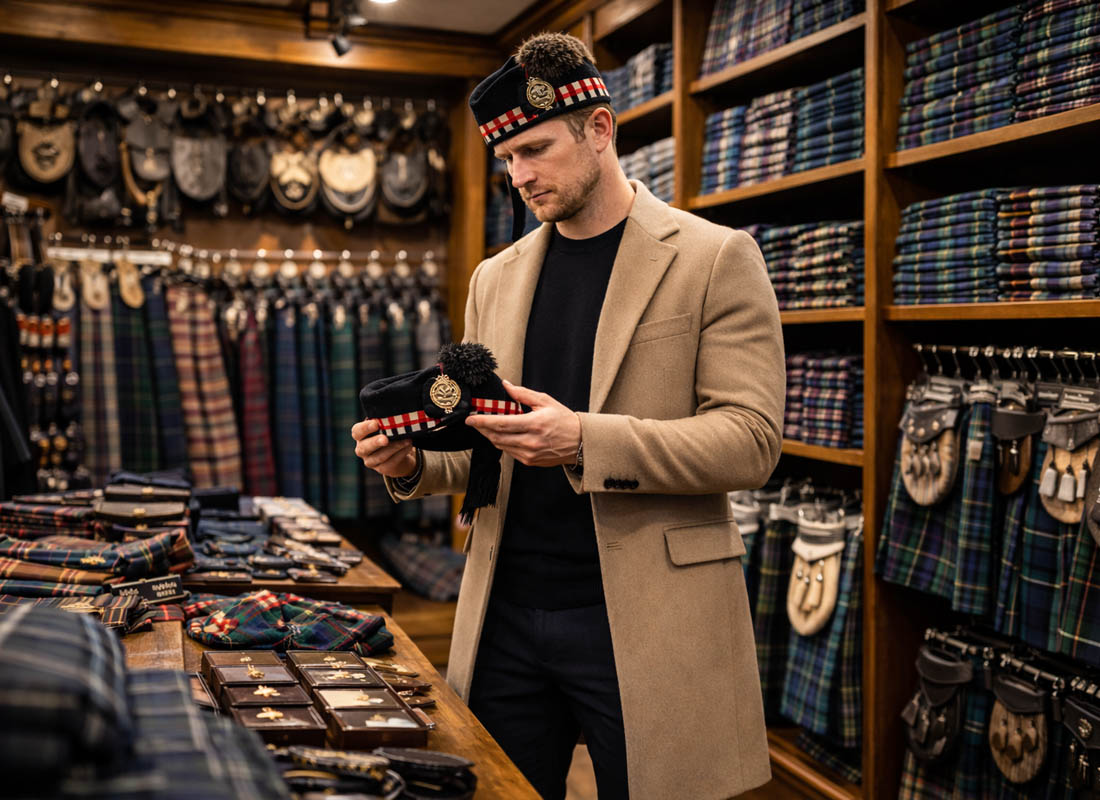
Reputable suppliers specializing in Highland dress, Scottish clothing, and military uniforms offer the best selection of quality Glengarry hats with traditional specifications. Scotland Kilt Collection, for instance, provides authentic Glengarry bonnets crafted with traditional specifications and quality materials that honor Scottish heritage. These established retailers understand authentic construction requirements and can guide purchasers toward appropriate choices for intended use, whether military, pipe band, or civilian Highland dress. Custom-fitted Glengarries provide optimal comfort and appearance, though quality ready-made versions in standard sizes work excellently for most wearers.
What to Look for When Buyinga Glengarry Hat:
- Thick wool construction maintains traditional boat shape and structure
- Secure toorie attachment with quality fur or felt material
- Properly sewn ribbons hanging evenly without twisting or bunching
- Comfortable lining with leather or fabric sweatband for head protection
- Badge mount area on the left side for clan crest or regimental insignia
- Authentic dicing pattern if choosing regimental or pipe band style
When trying on the Glengarry bonnet, ensure it sits comfortably without creating pressure points and doesn’t slide forward or backward during normal head movement. The interior should feature a quality sweatband protecting wool from moisture while enhancing overall comfort. Check that the toorie attaches securely and the ribbons hang evenly. Quality Glengarry hats typically cost between $50 and $150, depending on craftsmanship, customization, and materials used.
Proper Care and Maintenance for Your Glengarry Hat
Proper care ensures your Glengarry hat maintains a pristine appearance and structural integrity for years of proud wearing at Scottish events. Wool Glengarries require regular brushing with a soft-bristle hat brush to remove dust particles and maintain the fabric’s natural appearance. Always brush following the weave direction, using gentle strokes that clean without damaging delicate wool fibers. After wearing at Highland games or formal events, allow the hat to air out completely before storing to prevent moisture buildup and unwanted odor development.
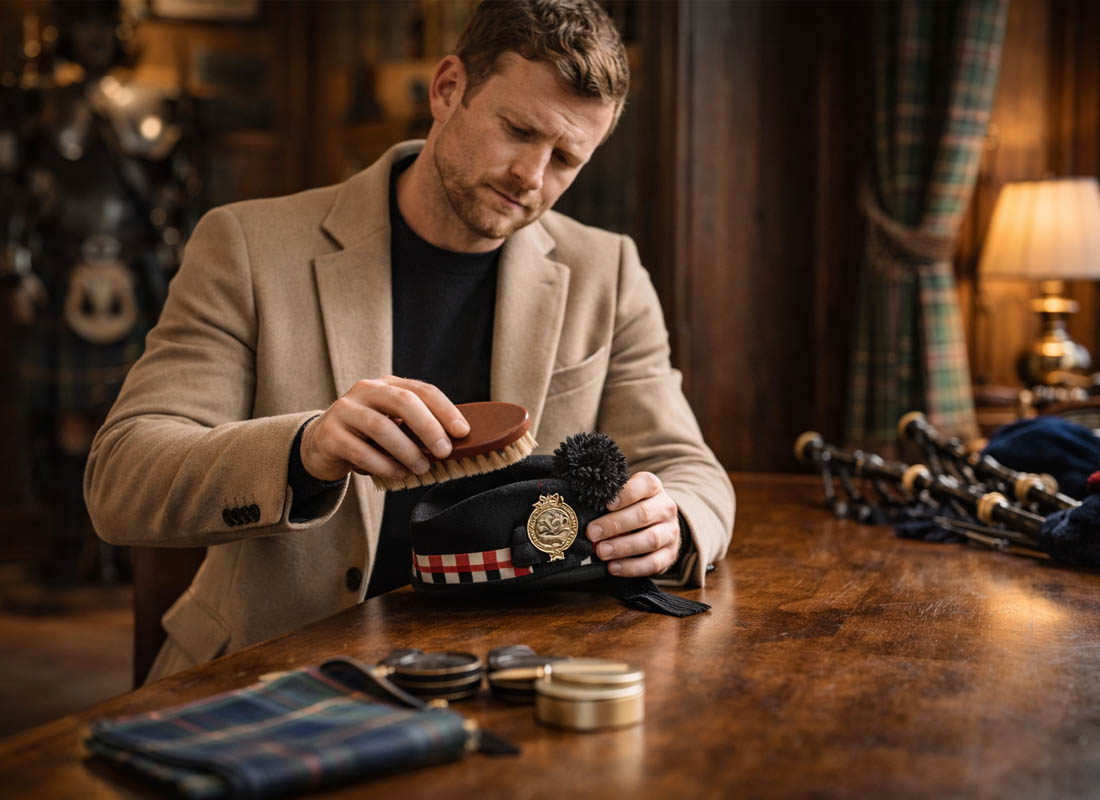
Storage requires keeping Glengarry in a cool, dry location away from direct sunlight, which can fade premium wool over time and damage its traditional appearance. Many owners utilize hat boxes or dedicated storage bags to protect their Glengarries from dust accumulation and potential crushing damage. Avoid hanging a hat by its ribbons, as this causes distortion and stretching of ribbon attachments. Instead, store it flat or on a properly sized hat stand that supports a boat-shaped structure without stretching the headband.
If your Glengarry becomes wet during outdoor Scottish events or Highland games, allow it to dry naturally at room temperature rather than using artificial heat sources that cause shrinking or structural distortion. Never place wool Glengarry in a washing machine or dryer, as this will irreparably damage the traditional shape. For serious stains or significant damage, consult a professional hat cleaner familiar with Scottish military headwear rather than attempting aggressive home cleaning that might ruin the hat permanently.
Glengarry Hat as a Symbol of Scottish Heritage and Pride
The Glengarry bonnet serves as a powerful symbol representing Scottish heritage, military tradition, and cultural pride across generations. For individuals with Scottish ancestry, wearing a Glengarry at weddings, ceilidhs, Highland games, or Burns Night celebrations provides a tangible connection to ancestral homeland and cherished family traditions. The hat transcends a simple fashion accessory, embodying centuries of Highland history, military service, and cultural resilience that define Scottish identity.
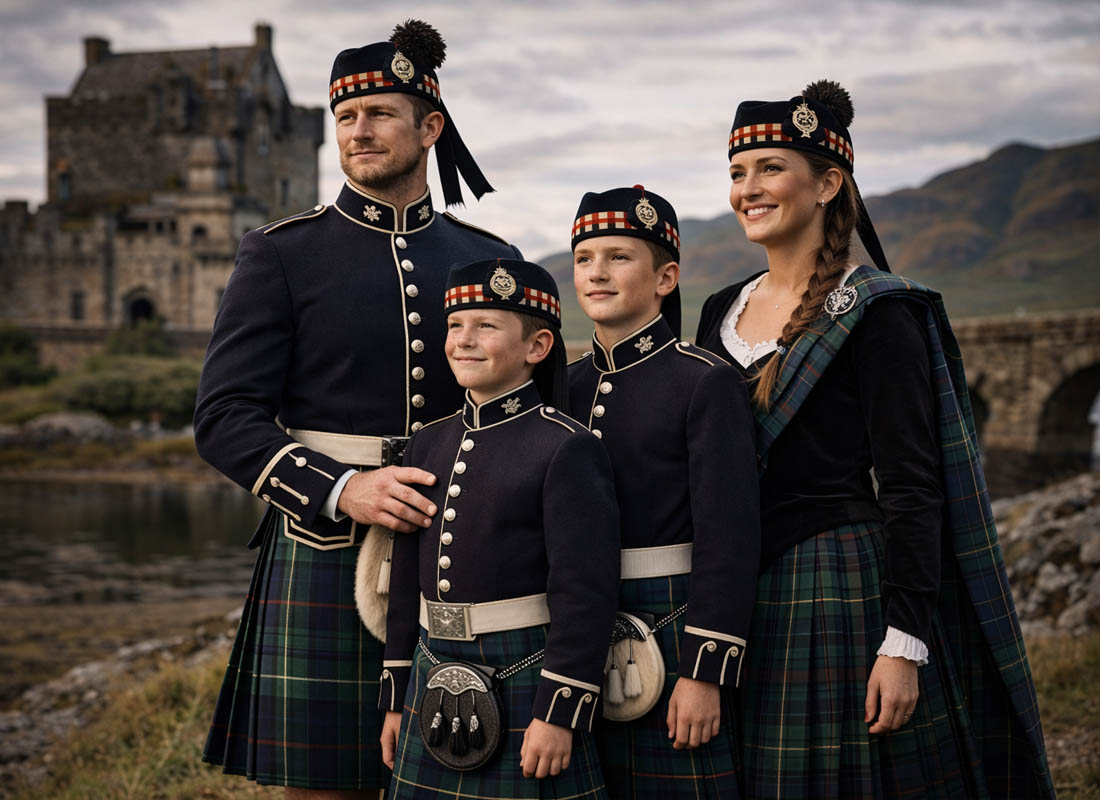
Within pipe band culture, the Glengarry represents unity, discipline, and dedication to preserving traditional Scottish music and performance arts. Band members wear their Glengarries with tremendous pride, understanding they carry forward traditions established by generations of Scottish musicians and Highland performers. The synchronized appearance of pipe band Glengarries during competitions and public performances creates a powerful visual statement about cultural preservation and collective identity.
For Scottish military regiments and veterans, the Glengarry holds especially profound significance as a representation of service, sacrifice, and regimental brotherhood. The specific dicing patterns, clan crests, and regimental badges adorning military Glengarries tell stories of historic battles, honored traditions, and the continuing legacy of Highland military excellence. Wearing a regimental Glengarry serves as a visible reminder of duties performed and comrades served alongside throughout military careers.
Where to Wear a Glengarry Hat and Appropriate Occasions
Understanding appropriate occasions for wearing a Glengarry hat helps ensure you honor Scottish traditions while looking properly dressed for various events. Formal occasions, including Scottish weddings, ceilidhs, formal dinners, and Highland balls, represent ideal opportunities for wearing a Glengarry with complete Highland dres,s including kilt, sporran, kilt jacket, and other traditional kilt accessories. The hat complements formal Scottish attire beautifully while demonstrating respect for cultural traditions.
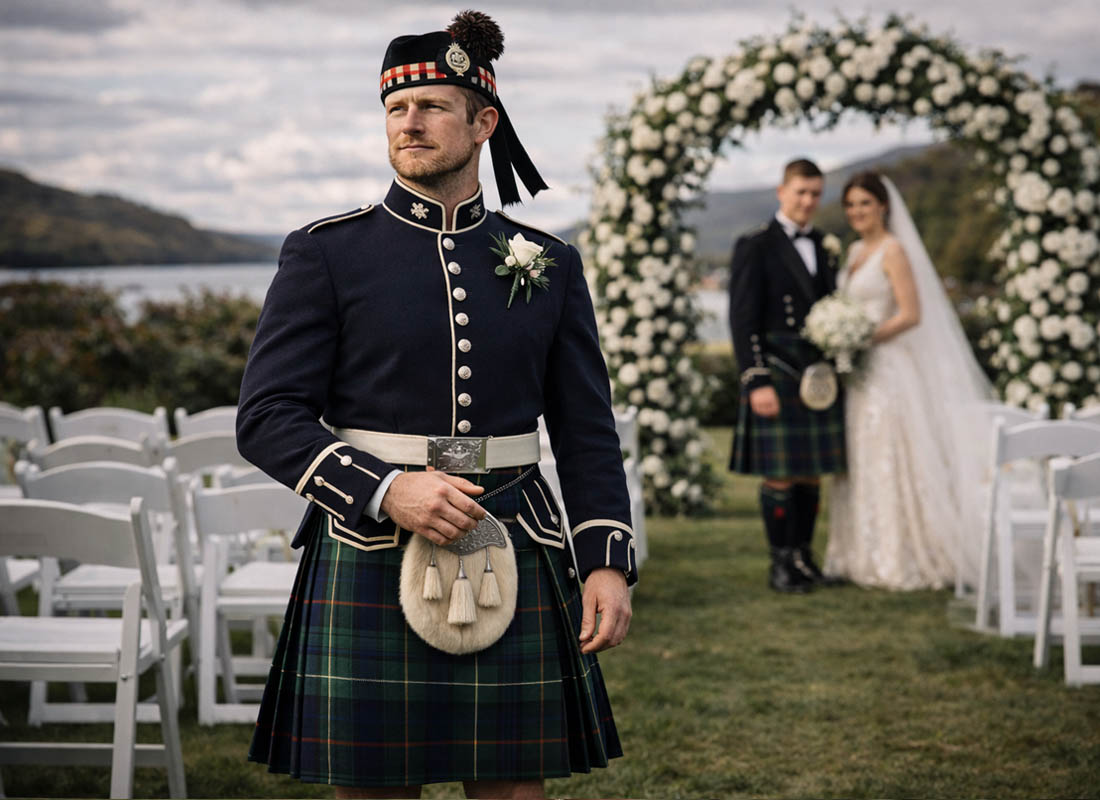
Highland games and Scottish festivals throughout Scotland and worldwide provide perfect venues for wearing Glengarry hats, whether participating as a competitor, performer, or enthusiastic spectator. These cultural celebrations welcome traditional Scottish headwear and create an appropriate atmosphere for displaying Scottish heritage with pride. Many attendees wear Glengarries alongside complete Highland dress or casual Scottish clothing, depending on their participation level and personal preferences.
Military ceremonies, remembrance services, and regimental reunions represent occasions where Glengarry hats carry special significance for current and former service members. Veterans wearing regimental Glengarries honor their military service and fallen comrades while maintaining a visible connection to Highland military traditions. Pipe band performances at public events, parades, and competitions always feature Glengarries as a standard uniform component, making them essential for any serious pipe band member.
Conclusion: The Enduring Legacy of Glengarry Bonnet
The Glengarry hat represents far more than traditional Scottish headwear; it embodies centuries of Scottish military tradition, Highland heritage, cultural pride, and expert craftsmanship. From its 18th century origins in Glen Garry through its adoption by Highland regiments to its current status as an internationally recognized symbol of Scottish culture, the Glengarry has proven remarkable staying power and continued relevance. Whether worn by soldiers on ceremonial duty, pipe band members in competition, or civilians celebrating their Scottish roots at Highland games and cultural festivals, this distinctive boat-shaped cap connects wearers to a profound historical legacy.
Understanding the Glengarry’s rich history, proper wearing techniques, military significance, and cultural importance enhances appreciation for this remarkable piece of Scottish tradition and Highland dress. As Scottish culture continues thriving both throughout Scotland and among global diaspora communities, the Glengarry bonnet remains a visible and meaningful connection to Highland heritage and ancestral traditions. For anyone exploring Scottish dress traditions, honoring family ancestry, or seeking an authentic connection to Scottish military heritage, the Glengarry offers a dignified and authentic way to display pride in Scottish culture and centuries of Highland history that shaped this iconic traditional Scottish cap.
FAQs About the Glengarry Hat
A Glengarry is a traditional Scottish boat-shaped cap made from wool, featuring a distinctive creased crown, ribbons hanging from the back, and a toorie (pompom) at the front. Originally worn by Highland military regiments, it’s now popular in pipe bands and Scottish cultural events.
Position the Glengarry one inch above your eyebrows with the toorie centered at the front. The ribbons should hang naturally down the right side at the back. Keep the hat level without tilting, and remove it indoors following traditional etiquette.
A Glengarry has a boat-shaped design with the toorie at the front peak, while a Balmoral features a round, flat top with the toorie in the center. Glengarries are typically worn for formal military occasions, whereas Balmorals suit casual Highland dress.
Quality Glengarry hats are available from Highland dress specialists like Scotland Kilt Collection, military uniform suppliers, and Scottish heritage stores. Authentic wool Glengarries typically cost $50-$150, depending on quality and customization.