
Blog
What Are Scottish People Known For: Heritage, Innovation & Culture

Scotland, a nation nestled in the northern part of the United Kingdom, has captured the world’s imagination for centuries. From misty highlands to vibrant cities, Scottish people have left an indelible mark on global culture, science, and innovation. But what exactly makes the Scots so remarkable? This comprehensive guide explores everything from their groundbreaking inventions to their warm hospitality, rich traditions, and unique cultural identity that continues to inspire people worldwide. Whether you’re planning a trip to Scotland, researching your ancestry, or simply curious about this fascinating country, understanding what Scottish people are truly known for reveals a nation of extraordinary depth and influence.
The Innovative Spirit: Scottish Inventions That Changed the World

Scottish people are globally celebrated for their extraordinary contributions to science, technology, and medicine. Despite being a relatively small nation with a population of just over 5 million, Scotland has produced an astonishing number of world-changing inventions that have shaped modern life in countless ways. This innovative spirit stems from a deep-rooted emphasis on education and intellectual curiosity that has been part of Scottish culture for centuries. The Scottish Enlightenment of the 18th century fostered an environment where creative thinking and scientific inquiry flourished, establishing a legacy that continues today with cutting-edge research in fields ranging from renewable energy to medical technology.
Alexander Graham Bell, born in Edinburgh in 1847, revolutionized global communication with his invention of the telephone in 1876. His work was inspired by his mother and wife, both of whom were deaf, driving him to explore ways to transmit sound over distance. John Logie Baird from Helensburgh demonstrated the first working television system in 1926, forever changing how people consume entertainment and information across the globe. Perhaps most remarkably, Alexander Fleming’s accidental discovery of penicillin in 1928 has saved countless millions of lives and opened the door to modern antibiotic medicine, transforming healthcare as we know it.
- The Steam Engine Enhancement: James Watt’s improvements in 1769 made the steam engine practical and efficient, fueling the Industrial Revolution
- The Telephone: Alexander Graham Bell’s 1876 invention transformed global communication forever
- Television: John Logie Baird brought moving pictures into homes worldwide starting in 1926
- Penicillin: Alexander Fleming’s 1928 discovery created the foundation for modern antibiotics
- The Refrigerator: William Cullen demonstrated the first artificial refrigeration in 1748
- The ATM Machine: Scottish engineer John Shepherd-Barron invented the cash machine in 1967
- The Pedal Bicycle: Kirkpatrick Macmillan created the first pedal-driven bicycle in the 1830s
- Radar Technology: Robert Watson-Watt pioneered radar systems in the 1930s
- Dolly the Sheep: The first cloned mammal was created at Edinburgh’s Roslin Institute in 1996
Beyond these famous inventions, Scots also contributed the pneumatic tire, the hypodermic syringe, fingerprinting techniques, and even the modern flush toilet. These inventions demonstrate the Scottish knack for practical problem-solving combined with visionary thinking. From everyday conveniences like the bicycle and refrigerator to life-saving medical breakthroughs, Scottish innovators have consistently pushed the boundaries of what’s possible. Their contributions span multiple fields, including transportation, medicine, communications, and engineering, proving that Scotland’s impact on the modern world extends far beyond its geographic size.
Rich Cultural Heritage: Tartans, Kilts, and Highland Traditions
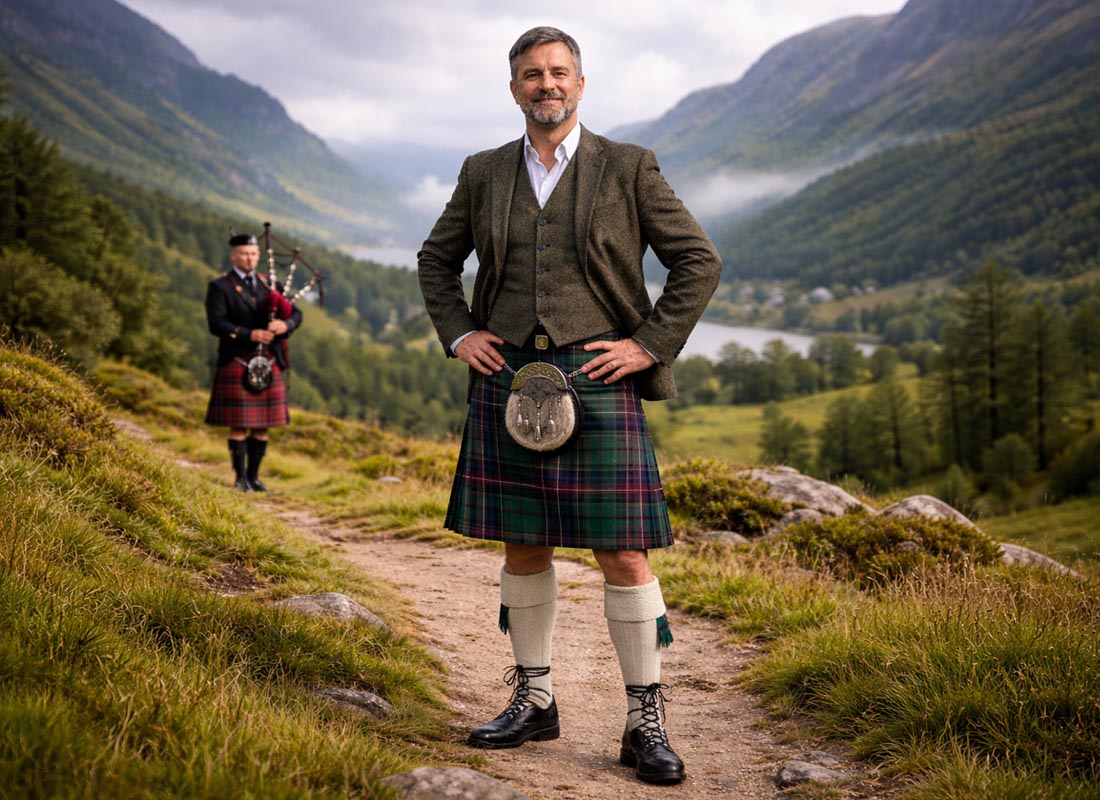
Scottish culture is instantly recognizable worldwide through its distinctive symbols and traditions that have endured for centuries. The iconic kilt, traditionally worn by men and adorned with specific tartan patterns, represents one of the most enduring symbols of Scottish identity. Tartan patterns weren’t just decorative choices but carried deep meaning, with different designs indicating clan affiliations, regional origins, and family heritage that stretched back generations. While kilts are now primarily reserved for weddings, formal events, and tourist attractions rather than daily wear, they remain a powerful symbol of Scottish pride and cultural continuity that connects modern Scots to their ancestral past.
Bagpipes, the haunting instrument synonymous with Scotland, have provided the soundtrack to Scottish life for over 600 years. These distinctive instruments can be heard at everything from joyous celebrations to solemn military ceremonies, their unique sound evoking both triumph and melancholy in equal measure. Alongside bagpipes, traditional Scottish music features fiddles and accordions, creating a rich musical tapestry that has influenced folk music traditions worldwide. The Highland Games, which date back potentially to the 11th century, showcase Scottish athleticism through unique competitions like caber tossing, hammer throwing, stone putting, and tug-of-war, all while celebrating clan heritage and community bonds that remain central to Scottish identity.
Scotland’s cultural richness extends to its literary contributions as well. Robert Burns, known as Scotland’s national poet, wrote beloved works including “Auld Lang Syne,” which is sung worldwide on New Year’s Eve. Burns Night on January 25th celebrates his life with traditional haggis suppers, poetry readings, and whisky toasts that bring communities together. Sir Walter Scott’s historical novels romanticized Scottish history for audiences worldwide, while modern authors like Ian Rankin and J.K. Rowling continue Scotland’s storytelling tradition. The country’s oral storytelling tradition remains strong through events like the Scottish International Storytelling Festival, where ancient tales and modern narratives interweave. Scotland also boasts over 200 festivals annually, from the world-famous Edinburgh Festival Fringe (the largest arts festival globally) to intimate Highland gatherings that preserve centuries-old customs.
The Scottish Character: Personality Traits and Social Values
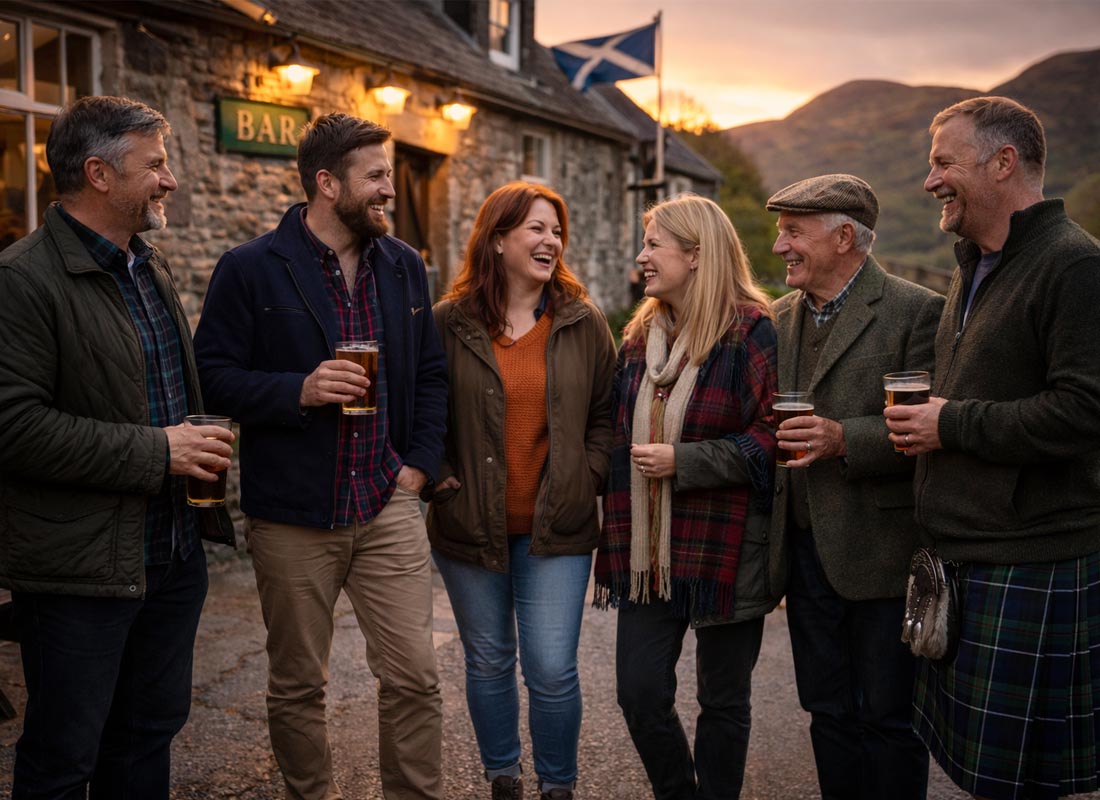
Scottish people are known for a distinctive set of personality traits that set them apart on the world stage. Visitors frequently comment on the warmth and friendliness of Scots once you get to know them, though they can initially seem reserved or polite with strangers. This combination of initial caution followed by genuine warmth creates meaningful connections rather than superficial interactions. Scots are known for their sharp wit and distinctive sense of humor, often characterized by playful banter and self-deprecating jokes that might seem fierce to outsiders but is actually a sign of affection and camaraderie among friends. This humor serves as both a bonding mechanism and a defense against life’s hardships.
Honesty and forthrightness are highly valued traits in Scottish culture that shape daily interactions. Scots prefer direct communication and genuine interactions over pretense or artificial politeness, though this directness is tempered with kindness rather than malice. The stereotype of Scottish frugality, while often exaggerated and sometimes used unfairly in jokes, does reflect a practical approach to money and a cultural emphasis on getting value for what you spend. However, this doesn’t translate to stinginess—many Scots are quite generous, particularly with time, hospitality, and support for their communities during times of need. This generosity extends to charitable giving, with Scots consistently ranking among the most charitable people in the UK.
Core Scottish Values:
- Patriotism: Fierce pride in their country, heritage, and cultural identity
- Resilience: Historical toughness and determination in facing challenges
- Hospitality: Genuine warmth toward visitors once trust is established
- Intellectual Curiosity: Strong emphasis on education and lifelong learning
- Community Spirit: Deep bonds with family, clan, and local communities
- Egalitarianism: Belief in treating people fairly regardless of social status
Scottish people possess a fascinating duality in their character that makes them particularly intriguing. On one hand, they’re deeply practical and down-to-earth, with little patience for pretentiousness or fakery. On the other hand, there’s a strong streak of superstition and spirituality, with many Scots maintaining beliefs in the supernatural, from legendary creatures like the Loch Ness Monster to the fairy folk said to inhabit remote locations. This blend of pragmatism and mysticism, reserved politeness and passionate emotion, creates the complex and captivating character that defines the Scottish people.
Breathtaking Landscapes and Natural Beauty
Scotland is renowned worldwide for its spectacular natural scenery that has inspired artists, writers, and travelers for generations. The dramatic Scottish Highlands feature rugged mountains, deep glens, and sparkling lochs that create some of the most photographed landscapes on Earth. Edinburgh’s skyline, dominated by Edinburgh Castle perched on volcanic rock and the extinct volcano Arthur’s Seat, perfectly balances urban elegance with wild natural beauty. The country’s diverse geography ranges from the rolling hills of the Borders to the remote, windswept islands of the Hebrides and Orkney, each offering distinct character and breathtaking vistas.
The mystical quality of Scottish landscapes is enhanced by the legends that surround them and give them deeper meaning. Loch Ness, home to the legendary monster “Nessie,” attracts visitors hoping to glimpse the elusive creature that has captured imaginations since ancient times. The Isle of Skye offers fairy pools where folklore says the “little people” bathe, while Fingal’s Cave on the Isle of Staffa showcases stunning natural hexagonal basalt columns formed by ancient volcanic activity that inspired composer Felix Mendelssohn. These landscapes aren’t just beautiful—they’re living connections to Scotland’s mythological past and cultural imagination that continue to inspire wonder.
Scotland’s natural beauty changes dramatically with the seasons, offering year-round appeal to visitors. Summer brings long daylight hours perfect for hiking through purple heather-covered moors and exploring ancient Caledonian forests where red deer roam. Autumn transforms the landscape into a tapestry of golden and russet tones, while winter brings snow-capped peaks and the possibility of witnessing the Northern Lights in northern regions. The country’s extensive coastline features dramatic cliffs, sandy beaches, and countless islands, each with its own unique character and charm. This diverse natural heritage has made Scotland a paradise for outdoor enthusiasts, photographers, and anyone seeking a connection with untamed wilderness.
Scotch Whisky: Scotland’s Liquid Gold

Few products are as closely associated with a nation as Scotch whisky is with Scotland. The country boasts over 130 whisky distilleries, giving it the highest concentration of whisky production anywhere in the world. Scotch whisky, known in Gaelic as “uisge beatha” or “water of life,” has been produced in Scotland for centuries—with the earliest written record dating to 1494—and is now exported to over 200 countries. The spirit’s complexity and variety stem from regional differences in production methods, water sources, peat levels, and aging processes that give each whisky its unique character and devoted following.
Scotland’s whisky regions each produce distinctly different flavors that reflect their local environments. Islay whiskies are famous for their peaty, smoky character reminiscent of the island’s maritime environment and traditional production methods. Speyside produces sweeter, more delicate whiskies with notes of fruit and honey, hosting nearly half of Scotland’s distilleries. Highland whiskies vary widely but often feature robust, full-bodied flavors, while Lowland whiskies tend toward lighter, gentler profiles with subtle complexity. Visitors can explore the Whisky Trail through Speyside or attend festivals like the Spirit of Speyside and Islay Festival of Malt and Music, where distilleries open their doors for tastings, tours, and celebrations of Scotland’s national drink.
Beyond whisky, Scotland has recently emerged as a major gin producer, with Scottish gin distilleries winning international awards and creating innovative flavors using local botanicals like heather, thistle, and wild berries. The expertise gained from centuries of whisky production has translated perfectly to crafting exceptional spirits across categories. Whether enjoyed neat, with water, or in classic cocktails, Scottish spirits represent centuries of craftsmanship and tradition passed down through generations. The whisky tourism industry has become a major economic driver, with enthusiasts traveling from around the world to visit distilleries, learn about production methods, and sample rare expressions in the land where they’re created.
Festivals and Celebrations: How Scotland Parties
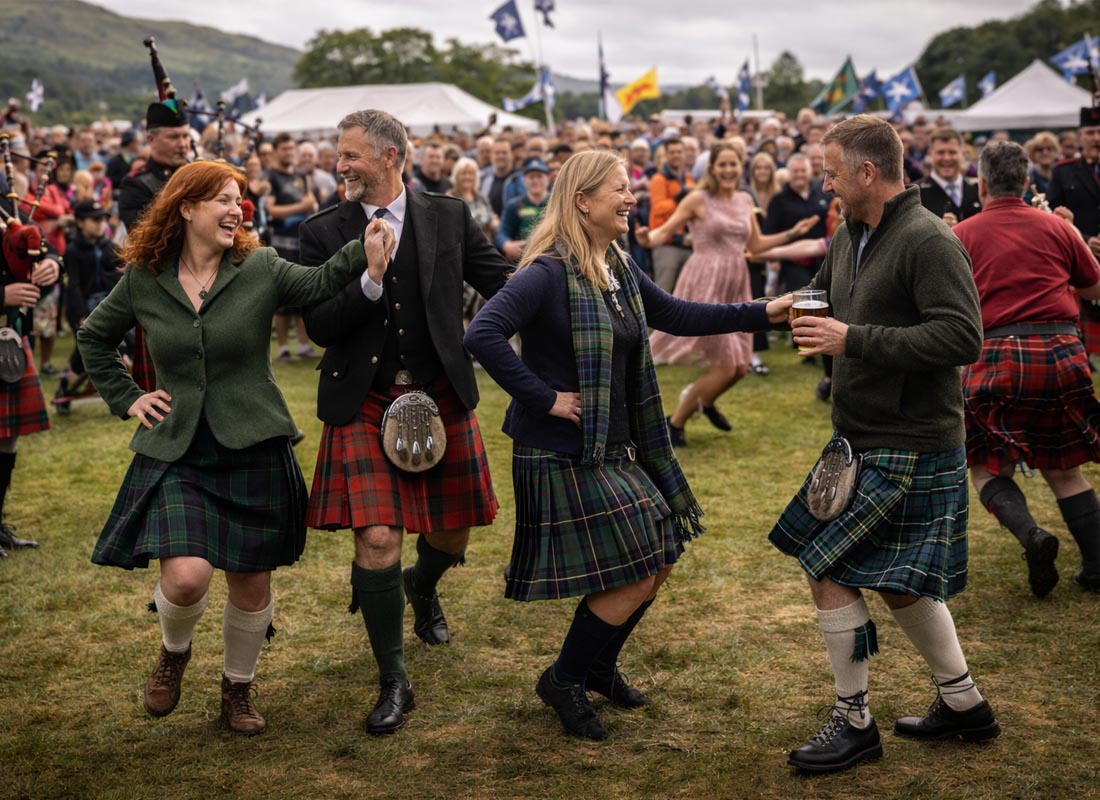
Scottish festivals reflect the nation’s love of community, celebration, and cultural preservation in spectacular fashion. Hogmanay, the Scottish New Year celebration, is legendary for its exuberance and scale that puts celebrations elsewhere to shame. Edinburgh’s Hogmanay festivities span three days with torch-lit processions involving thousands of participants, massive street parties, traditional ceilidh dancing, and spectacular fireworks over the city’s historic skyline. The tradition of “first footing”—where the first person to cross your threshold after midnight brings gifts like coal, shortbread, or whisky—represents good luck and demonstrates the importance of hospitality and community in Scottish culture. Stonehaven’s Hogmanay Fireballs Ceremony features locals swinging blazing fireballs through the streets at midnight to ward off evil spirits in a tradition dating back centuries.
Burns Night on January 25th honors Scotland’s beloved national poet Robert Burns, with traditional suppers featuring haggis, neeps (turnips), and tatties (potatoes). The evening includes recitations of Burns’s poetry, particularly “Address to a Haggis,” along with toasts, songs, and whisky that create a connection to Scottish literary heritage. This celebration has spread worldwide wherever Scottish communities exist, making Burns one of the most internationally celebrated literary figures. The Highland Games, held throughout the summer across Scotland, combine athletic competitions with cultural celebrations featuring bagpipe performances, Highland dancing, and clan gatherings that have remained largely unchanged for centuries.
Major Scottish Festivals Include:
- Edinburgh Festival Fringe: The world’s largest arts festival featuring thousands of performances every August
- Celtic Connections: Glasgow’s massive folk music festival held each January
- Up Helly Aa: Shetland’s Viking fire festivals with torch-lit processions and longship burnings
- Royal Edinburgh Military Tattoo: Spectacular military bands’ performance against Edinburgh Castle backdrop
- T in the Park/TRNSMT: Major contemporary music festivals attracting international acts
- St. Andrew’s Day: November 30th celebration of Scotland’s patron saint
Scotland hosts approximately 200 festivals annually, ranging from intimate village gatherings to massive international events that attract millions. The Edinburgh International Festival, Film Festival, and Jazz & Blues Festival transform the capital into a cultural hub each summer. Whisky festivals celebrate Scotland’s national drink with tastings and tours, while literary events like the Wigtown Book Festival honor Scotland’s rich storytelling tradition. These celebrations aren’t mere entertainment—they’re vital expressions of Scottish identity, community values, and the living evolution of cultural traditions passed down through generations.
Scottish Hospitality and Tourism Experience
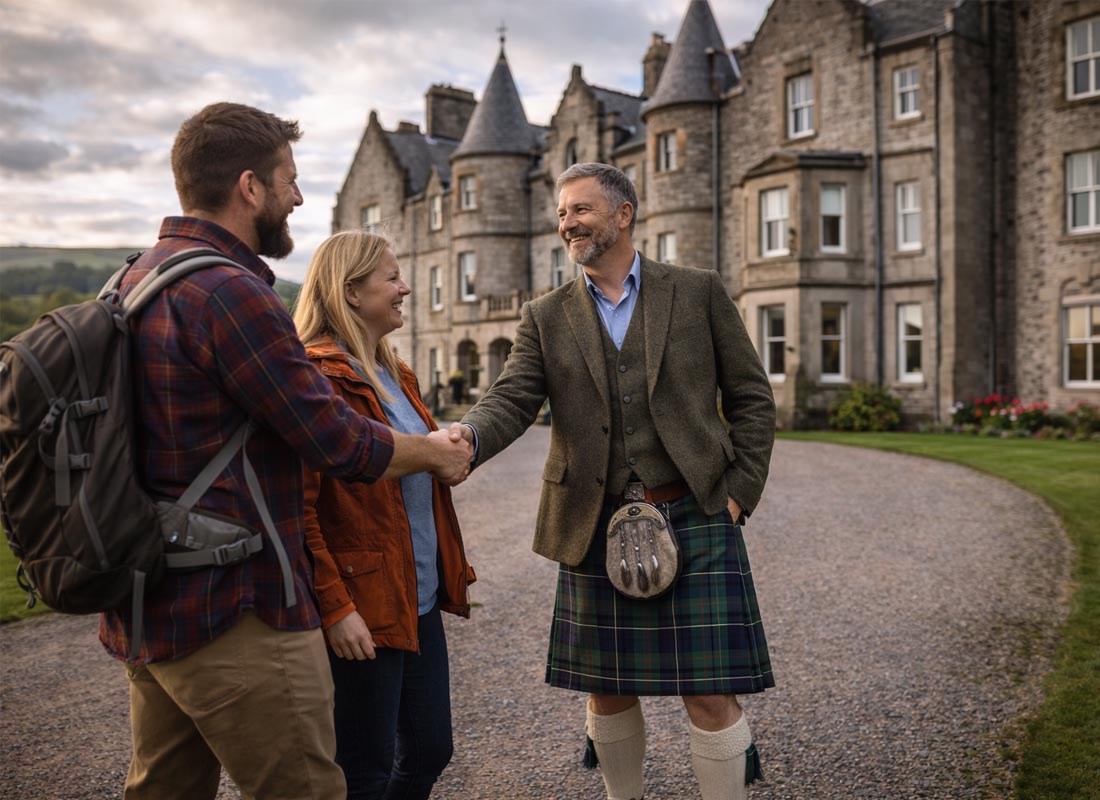
Scottish people have earned a well-deserved reputation for exceptional hospitality that goes beyond mere politeness to genuine warmth. There’s a sincere interest in visitors that makes travelers feel welcomed rather than merely tolerated as tourists. This hospitality tradition runs deep in Scottish culture, rooted in historical practices of offering shelter and sustenance to travelers crossing the rugged Highland terrain where the next village might be miles away. Today’s visitors experience this warmth in everything from chatty pub conversations to helpful directions from strangers and the pride Scots take in sharing their culture, history, and favorite local spots with interested visitors.
The tourism experience in Scotland benefits from this natural friendliness, combined with spectacular attractions spanning history and nature. Edinburgh, the capital, offers a perfect blend of medieval Old Town cobblestones and elegant Georgian New Town architecture, all crowned by the imposing Edinburgh Castle that has stood watch over the city for centuries. Glasgow provides vibrant urban culture, world-class museums, and a thriving music scene that has produced countless influential bands. Beyond the cities, tourists can explore historic battlefields like Bannockburn and Culloden, mysterious prehistoric stone circles like the Ring of Brodgar, and hundreds of romantic castles ranging from well-preserved fortresses to atmospheric ruins.
Scotland’s accommodation options reflect both tradition and modernity to suit every traveler. Visitors can stay in converted castles offering luxury experiences with fine dining and spa facilities, cozy bed-and-breakfasts run by welcoming hosts who share local knowledge and insider tips, or modern hotels in city centers with contemporary amenities. The country’s compact size makes it easy to experience diverse landscapes within short distances—you can have breakfast in Edinburgh, lunch in the Highlands, and dinner on an island. Scottish tour guides are known for their knowledge, humor, and storytelling abilities, bringing history and legends to life in ways that create lasting memories for visitors who often return repeatedly, drawn by both the landscapes and the people.
Physical Appearance and Diversity

The appearance of Scottish people reflects the country’s complex history of migration and cultural mixing over millennia. While stereotypes often depict Scots as red-haired with fair skin, the reality is far more diverse and nuanced. Scotland does have the highest percentage of natural redheads of any country—approximately 13% of the population, with an additional 40% potentially carrying the gene even if their hair is a different color. However, the majority of Scots have brown, blonde, or black hair, along with a wide range of eye colors from blue and green to brown and hazel.
Recent DNA research has revealed surprising diversity in Scottish ancestry that challenges simple narratives. Studies from Scottish universities found genetic markers from nearly 100 different ethnic groups, including Celtic, Norse, Anglo-Saxon, Norman French, and even traces from African and Asian populations due to historical trade and migration patterns. This genetic diversity means there’s no single “Scottish look,” though there are regional variations. Highlanders and Islanders may show stronger Nordic influences with fairer complexions reflecting Viking settlement, while Lowlanders often display more Anglo-Saxon heritage with varied physical traits reflecting their mixed ancestry.
Modern Scotland has become increasingly multicultural, particularly in cities like Edinburgh and Glasgow, where immigrant communities from Asia, Africa, Eastern Europe, and beyond have enriched the nation’s diversity and cultural landscape. The Scottish identity has always been more about cultural affiliation than ethnicity—anyone who embraces Scottish values, culture, and community can be Scottish. This inclusive approach reflects the nation’s welcoming spirit while maintaining pride in the distinctive cultural traditions that define Scotland. Physical appearance matters far less than shared values, community participation, and the spirit of being Scottish at heart.
Frequently Asked Questions About Scottish People
Scottish people are most famous for groundbreaking inventions like the telephone, television, and penicillin. They’re also globally recognized for their distinctive culture featuring kilts, tartan, bagpipes, and world-renowned Scotch whisky.
Yes, Scottish people are genuinely friendly and welcoming to tourists. While they may seem reserved initially, locals take pride in sharing their heritage and often engage in warm conversations with visitors.
Scottish people are known for their sharp wit, self-deprecating humor, honesty, and directness. They display fierce patriotism, strong community bonds, and a unique blend of down-to-earth pragmatism with passionate emotion.
Scotland has the highest percentage of natural redheads at 13%, stemming from Celtic ancestry and the MC1R gene variation. However, most Scots actually have brown, blonde, or black hair.
Scotland is famous for haggis served with neeps and tatties, smoked salmon, Scottish shortbread, and cullen skink soup. The country also produces excellent Aberdeen Angus beef and fresh seafood.
Scottish people primarily speak English with distinctive accents. Scotland also recognizes Scots and Scottish Gaelic, with Gaelic spoken mainly in the Highlands and Islands by around 60,000 people.
Conclusion: The Enduring Legacy of Scottish People
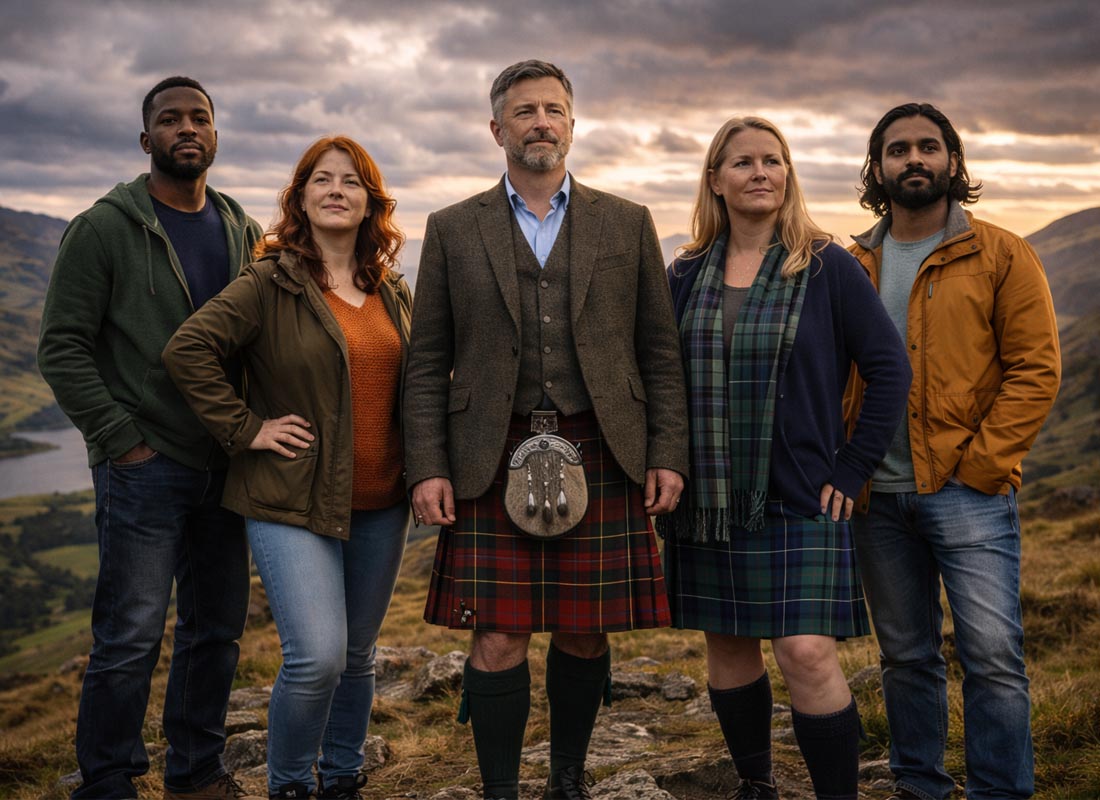
Scottish people are known for an extraordinary combination of characteristics that have influenced the world far beyond their nation’s small geographic size and population. From groundbreaking inventions like the telephone and television to life-saving discoveries like penicillin, Scots have demonstrated remarkable innovative capacity across generations that continues today. Their cultural contributions through music, literature, and festivals have enriched global heritage while maintaining distinctive Scottish traditions that remain vibrant and evolving in the modern era.
The Scottish character combines seemingly contradictory traits—warmth and reserve, practicality and mysticism, fierce independence and strong community bonds—creating a fascinating cultural identity that captivates people worldwide. Their landscapes inspire awe and legend, their whisky delights connoisseurs across continents, and their hospitality welcomes visitors with genuine friendliness that turns strangers into friends. Whether through the skirl of bagpipes echoing across glens, the sight of tartan kilts at celebrations, or the taste of a fine single malt, Scotland offers experiences that connect people to centuries of history while embracing modern innovation.
Understanding what Scottish people are known for reveals a nation that honors its past while continuously shaping the future. From the inventors working in cutting-edge technology to the musicians preserving traditional folk songs, from the whisky makers crafting new expressions to the festival organizers celebrating cultural heritage, Scots continue adding their unique thumbprint to both their own culture and the wider world. This living tradition of excellence, innovation, and cultural pride ensures that Scotland and its people will remain influential and beloved for generations to come. Whether you have Scottish ancestry, plan to visit, or simply admire the nation from afar, the story of the Scottish people offers inspiration, pride, and a deep appreciation for a small country with an enormous impact on human civilization.