
Blog
Discover Traditional Irish Clothing: Heritage Styles Explained
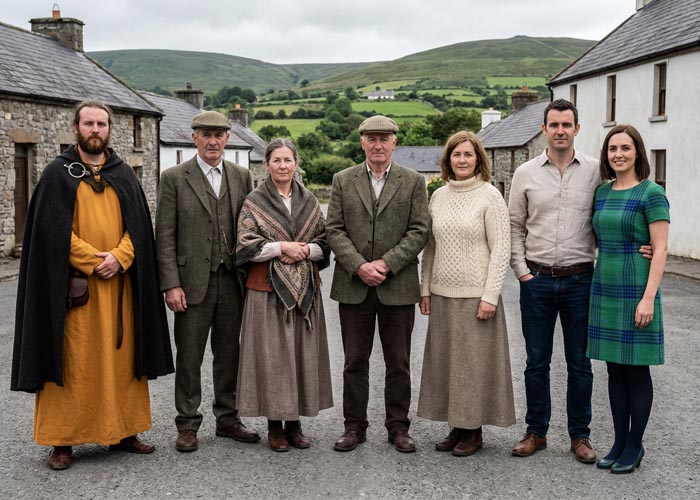
Ireland’s rich cultural heritage is beautifully reflected in its clothing traditions. From ancient Gaelic warriors draped in colorful cloaks to modern fashion enthusiasts wearing Aran sweaters, Irish attire has evolved while maintaining its distinct character. Whether you’re exploring your Celtic roots, planning a trip to Ireland, or simply curious about authentic Irish fashion, understanding traditional Irish dress opens a window into centuries of history. Today, these timeless pieces are experiencing a remarkable revival as people worldwide seek meaningful connections to heritage through what they wear.
The beauty of Irish clothing lies in its perfect marriage of form and function. Every garment was designed to withstand Ireland’s unpredictable weather while expressing the wearer’s identity and status. In 2026, authentic Irish clothing remains highly sought after, with quality Aran sweaters ranging from $80-300, genuine Donegal tweed jackets starting at $200, and traditional accessories available through specialized retailers. Whether you’re investing in a heritage piece or exploring Irish-inspired fashion, this guide will help you navigate the rich world of traditional Irish attire and discover where to find authentic pieces that honor centuries of craftsmanship.
History of Irish Culture Clothing: From Gaelic to Colonial
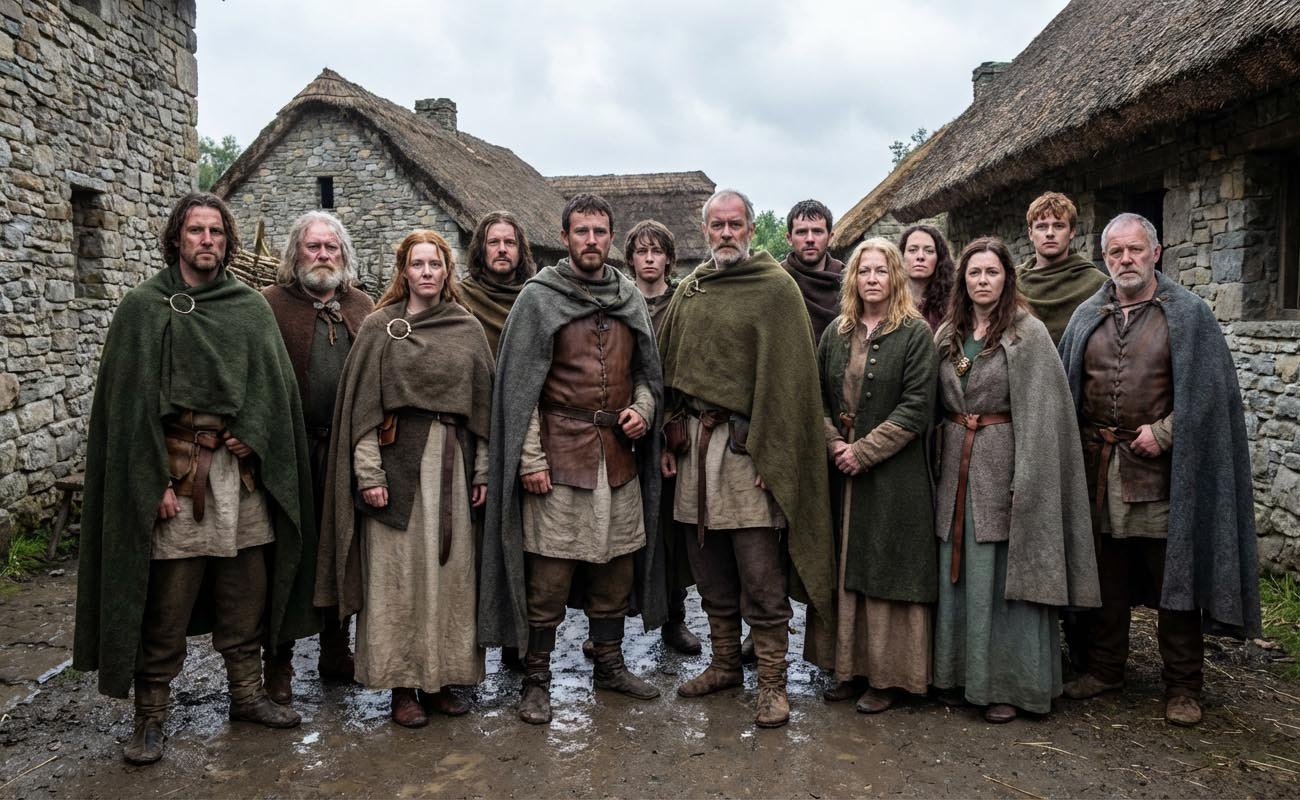
The evolution of Irish clothing spans over a thousand years, shaped by geography, politics, and cultural preservation. Unlike many European nations, Ireland maintained distinctive textile traditions even under foreign rule, making its fashion heritage particularly unique. The story begins in ancient times when the Irish wore garments that set them apart from their neighbors, and continues through periods of suppression and revival that defined the nation’s identity.
Understanding this history requires recognizing that Irish dress wasn’t just about aesthetics—it was political. The English colonizers viewed traditional Irish clothing as a symbol of resistance and actively tried to suppress it through sumptuary laws in the 16th century. These laws specifically banned the wearing of saffron-colored garments and the distinctive Irish mantle, forcing many Irish people to adopt English-style dress or face penalties. Despite these restrictions, many elements of traditional dress survived in rural areas, particularly in the western regions where English influence was less pronounced.
The Great Famine of 1845-1852 dramatically impacted Irish clothing traditions as survival took precedence over cultural preservation. Many skilled weavers and craftspeople either died or emigrated, taking their knowledge with them. However, the late 19th and early 20th centuries saw a cultural revival movement that sought to reclaim and celebrate Irish heritage, including traditional dress. This period gave birth to many of the styles we now associate with Irish clothing, though some were romanticized versions of historical garments rather than exact reproductions.
Ancient Gaelic Dress (Pre-1600s)
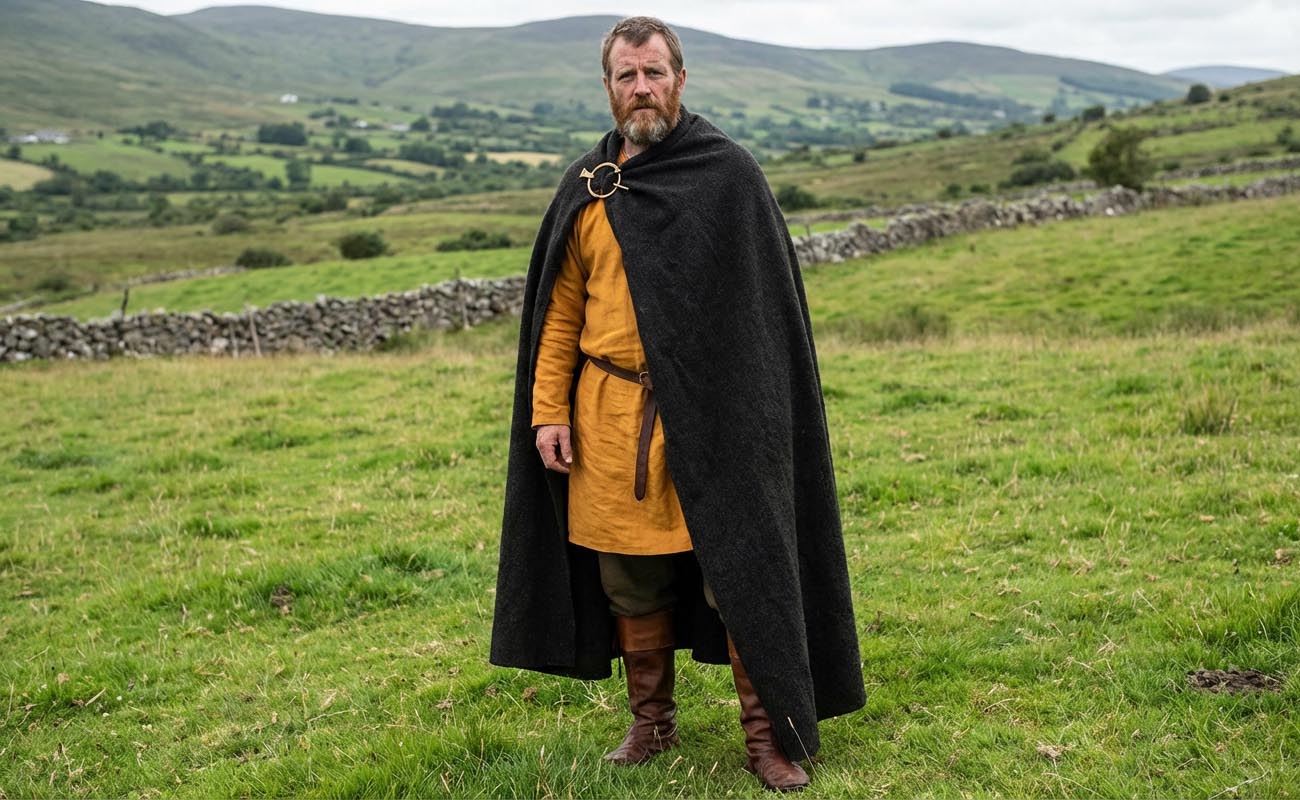
Before English colonization intensified in the 16th century, the Irish wore distinctive clothing that reflected their Gaelic culture and climate needs. The léine (pronounced “lane-ya”) formed the foundation of Irish dress for both men and women. This long linen tunic typically reached the knees for men and the ankles for women, offering comfort and mobility for daily activities. Historical accounts describe the léine as being saffron-yellow in color, achieved by dyeing the linen with natural colorants, including tree bark, leaves, and other plant materials. This bright yellow color became so associated with Irish identity that wearing it was later banned by English authorities.
Over the léine, Irish people wore the brat—a large woolen cloak that served multiple purposes. These cloaks provided essential protection from Ireland’s damp, cold climate and could even double as blankets when traveling. The brat was typically rectangular and could be worn in various ways: draped over both shoulders for maximum warmth, or fastened over one shoulder with an ornate brooch to allow freedom of movement. The quality and decoration of these brooches indicated the wearer’s social status, with nobility sporting elaborate pieces made of gold, silver, or bronze featuring intricate Celtic knotwork designs.
Warriors wore additional protective layers, including the ionar (pronounced “ee-nar”), a short jacket that was pleated at the breast or waist with distinctive split sleeves. Historical woodcarvings suggest these jackets were richly decorated, serving both practical and ceremonial purposes. Footwear consisted of simple leather shoes called bróga, though many common people went barefoot except in the coldest weather. The Irish love of bright colors was evident in all their garments—historical texts mention clothing in reds, blues, greens, and purples, with wealthier individuals wearing garments featuring multiple colors arranged in stripes or checks.
The Evolution into Rural “Irish Clothes” (19th Century)
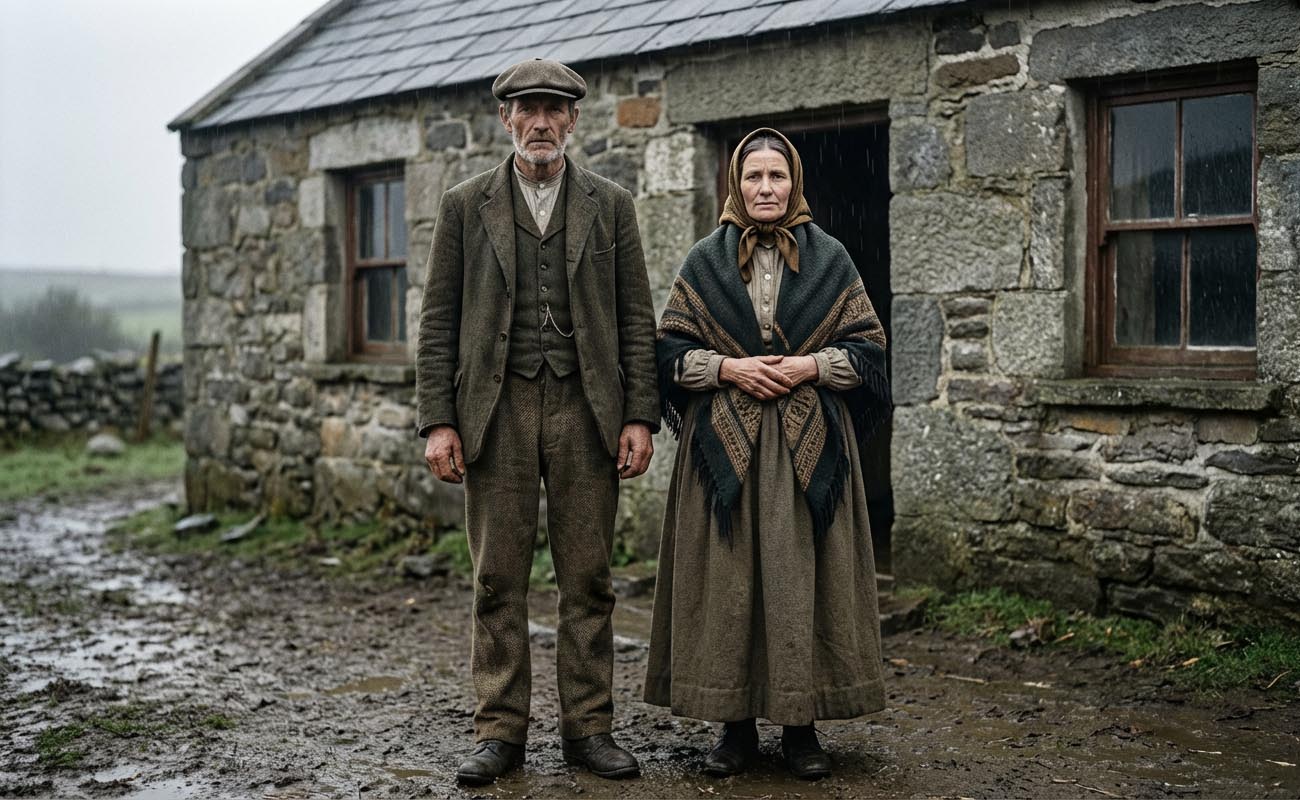
The 1800s marked a profound transformation in Irish dress as colonial policies, economic hardship, and the devastating Great Famine reshaped daily life. By this period, the ancient Gaelic léine and brat had largely disappeared, replaced by simpler garments influenced by English fashion but adapted to Irish needs and available materials. Rural Irish dress emphasized practicality and durability above all else, with garments made to withstand hard farm labor and harsh weather conditions. This was the era of the “peasant” look that many people now mistakenly consider the traditional Irish costume.
Men in rural Ireland wore simple woolen trousers, linen or flannel shirts, and waistcoats, typically in neutral colors like gray, brown, and black that wouldn’t show dirt from farm work. The iconic Irish flat cap emerged as the standard headwear during this period, protecting from rain while allowing good visibility for outdoor work. These tweed caps became so associated with Irish working men that they remain a recognizable symbol of Irish heritage today. Footwear consisted of heavy leather boots for those who could afford them, though many still went barefoot or wore simple brogues.
Women’s dress consisted of long woolen skirts, often in dark colors, paired with white or light-colored blouses and practical aprons. The Galway shawl became an essential item for Irish women during this era, though interestingly, these heavy wool shawls with their distinctive decorative borders were actually woven in Paisley, Scotland, and imported to Ireland, where the fringe was added. Women wore lighter, hand-knitted shawls for everyday use and reserved the expensive Galway shawls for special occasions like Sunday Mass or weddings. These shawls served multiple purposes—providing warmth, modesty, and even a means to carry children or goods.
Despite the hardships of this era, the Irish maintained distinctive elements in their clothing that connected them to their heritage. The Aran sweater emerged from the Aran Islands in the late 19th or early 20th century, featuring complex cable patterns that supposedly had symbolic meanings. Each stitch pattern traditionally held significance: cables represented fishermen’s ropes and wishes for safety at sea, diamonds symbolized wealth and prosperity, and the honeycomb pattern represented the hardworking bee. These sweaters were knitted from unwashed wool that retained its natural lanolin, making them water-resistant and ideal for fishermen braving the Atlantic. The practice of hand-knitting these intricate patterns was passed down through families, with each sweater taking weeks to complete.
Key Elements of Traditional Irish Clothing
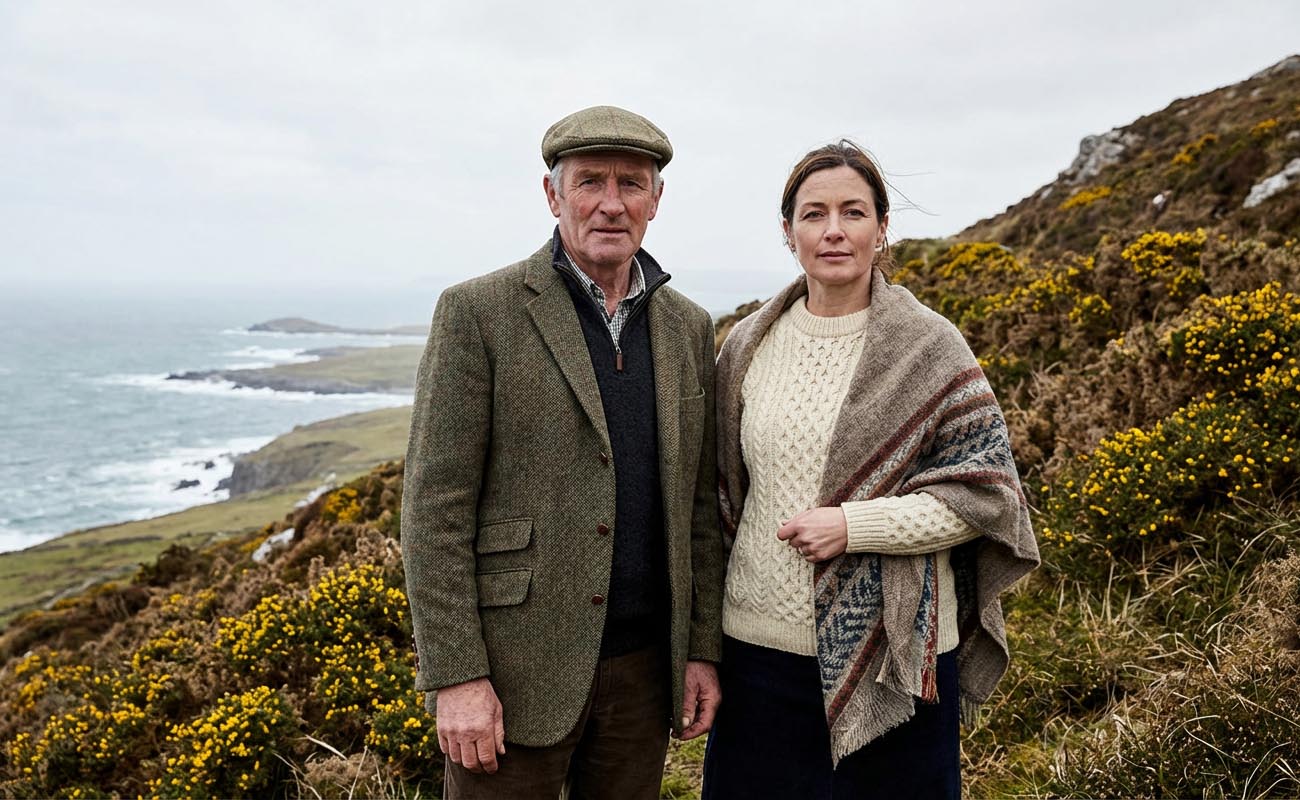
Understanding authentic Irish dress requires familiarity with its signature components that have survived centuries and continue to influence modern Irish fashion. These elements showcase remarkable craftsmanship passed down through generations, combining practical functionality with cultural symbolism. Each piece carries historical significance while remaining relevant to contemporary style, proving that traditional doesn’t have to mean outdated. From textiles to accessories, Irish clothing demonstrates how cultural identity can be woven into every thread.
The versatility of traditional Irish clothing allows these heritage pieces to be incorporated into modern wardrobes without looking costume-like. The key is understanding the original purpose and cultural context of each element. This knowledge enables fashion enthusiasts to wear Irish-inspired pieces authentically and respectfully, whether for everyday wear, special occasions like St. Patrick’s Day, or cultural celebrations. The materials used—primarily wool, linen, and later cotton—were chosen for their availability in Ireland and their suitability to the climate, creating garments that were both beautiful and functional.
For Men: More Than Just a Flat Cap
Modern perceptions of Irish menswear often center on stereotypical images—the flat cap, the Aran sweater, perhaps a tweed jacket. While these items are indeed part of Irish heritage, authentic Irish male attire is far more diverse and sophisticated than tourist shop caricatures suggest. Throughout history, Irish men’s clothing balanced functionality with style, adapting to both rural agricultural work and urban professional life. The evolution of men’s fashion in Ireland reflects broader social changes while maintaining connections to traditional craftsmanship and materials.
The Historical Icons: Workwear & Warriors
The Aran Sweater stands as the most recognizable piece of Irish menswear worldwide, though its true history might surprise many. These cream-colored wool sweaters featuring intricate cable, diamond, and honeycomb patterns originated from the Aran Islands off Ireland’s west coast in the late 1800s or early 1900s. Contrary to romantic myths, the patterns weren’t unique family identifiers used to recognize drowned fishermen—this story appears to be a 20th-century invention. However, the sweaters were definitely practical garments knitted from unwashed wool rich in natural lanolin, providing water resistance for fishermen working in harsh Atlantic conditions. The complex patterns required significant skill and time to create, with a single sweater taking several weeks to complete by hand.
The Aran sweater gained international fame when celebrities like Grace Kelly and Steve McQueen were photographed wearing them in the 1950s and beyond. Today, authentic Irish Aran sweaters are still produced by skilled knitters in Ireland, though modern versions typically use soft merino wool for comfort rather than the coarser, lanolin-rich wool of the originals. Quality hand-knitted Aran sweaters from master Irish knitters can cost upwards of $300, while machine-knitted versions with hand-finished details offer a more affordable option, ranging from $80-150. These sweaters have transcended their workwear origins to become fashion statements worn by people worldwide who appreciate their craftsmanship and heritage.
The Irish Waistcoat served dual purposes throughout the 19th and early 20th centuries as both functional layering and formal wear. Made from tweed, wool, or linen, depending on the season and purpose, waistcoats featured practical pockets for carrying tools, watches, or tobacco. Wealthier men wore elaborate embroidered versions for special occasions, often featuring ornate buttons and silk backs, while working men kept theirs simple and sturdy in dark colors that wouldn’t show wear. The waistcoat tradition continues in Irish formal wear and is particularly popular among traditional Irish musicians and cultural performers who value its connection to heritage.
Tweed Clothing represents perhaps the most enduring element of Irish menswear. Irish tweed, particularly from County Donegal, features distinctive flecked patterns in earth tones created by weaving differently-colored yarns together. Donegal tweed has been produced for centuries, with the industry taking its modern form in the 1880s thanks to philanthropist Alice Rowland Hart and local entrepreneurs like John Magee, who established quality control systems for home weavers. The characteristic “salt and pepper” flecks in Donegal tweed come from incorporating small pieces of colored yarn at irregular intervals during weaving. This durable, weather-resistant fabric was ideal for Irish conditions and became the material of choice for jackets, trousers, and caps worn by Irish men of all social classes.
Modern Men’s Style: Rugged & Refined
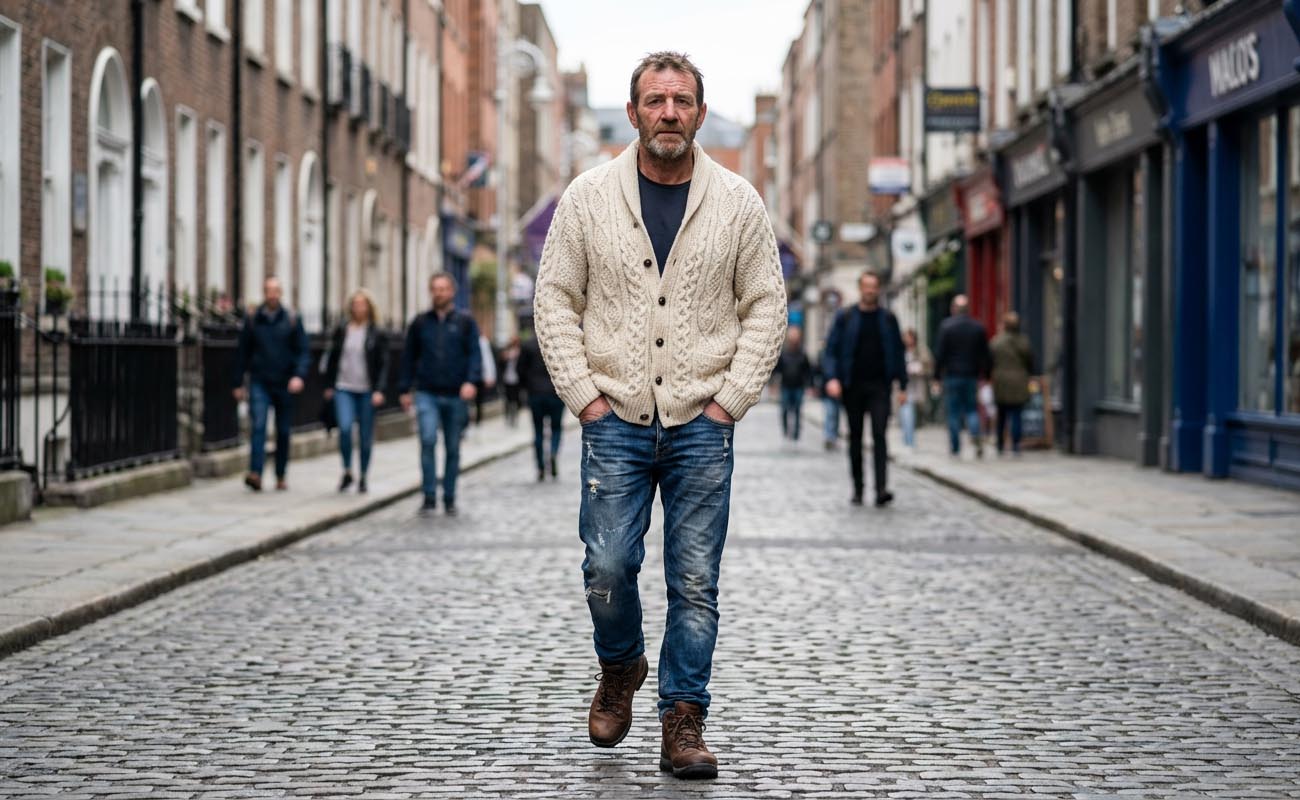
Contemporary Irish menswear successfully blends heritage elements with modern fashion sensibilities, creating looks that honor tradition without appearing dated. The key is understanding how to incorporate these classic pieces into current wardrobes. Young Irish designers and established heritage brands are finding innovative ways to make traditional materials and styles relevant for today’s fashion-conscious consumers, proving that Irish clothing heritage can thrive in the 21st century.
Essential pieces for modern Irish-inspired menswear include:
- Donegal Tweed Jackets: These versatile pieces work equally well in professional and casual settings, offering textured interest through their signature flecked patterns (authentic Irish tweed jackets range from $200-600)
- Contemporary Aran Cardigans: More relaxed than traditional sweaters, cable-knit cardigans in modern cuts provide heritage style with easier everyday wearability ($90-200)
- Quality Flat Caps: Now available in various tweeds and fabrics, these caps have evolved from pure workwear to stylish accessories worn across all social classes ($30-80)
- Linen Grandfather Shirts: Inspired by traditional collarless Irish work shirts, modern versions in crisp linen offer a relaxed yet refined look perfect for casual occasions ($50-120)
The modern approach to Irish menswear emphasizes quality materials and craftsmanship over fast fashion. Irish wool remains prized for its durability, warmth, and natural water-resistance properties. Merino wool, now commonly used in Aran knitwear, offers superior softness and breathability compared to traditional coarser wools while maintaining excellent thermal regulation—keeping wearers warm in winter and cool in summer. Contemporary Irish fashion brands are also focusing on sustainability, with many using ethically sourced wool from Irish sheep farms and supporting local craftspeople and traditional weaving mills that have operated for generations. Retailers like Scotland Kilt Collection offer curated selections of authentic Irish menswear alongside Celtic attire, making these heritage pieces accessible to international customers seeking quality traditional clothing.
For Women: From Galway Shawls to Modern Style
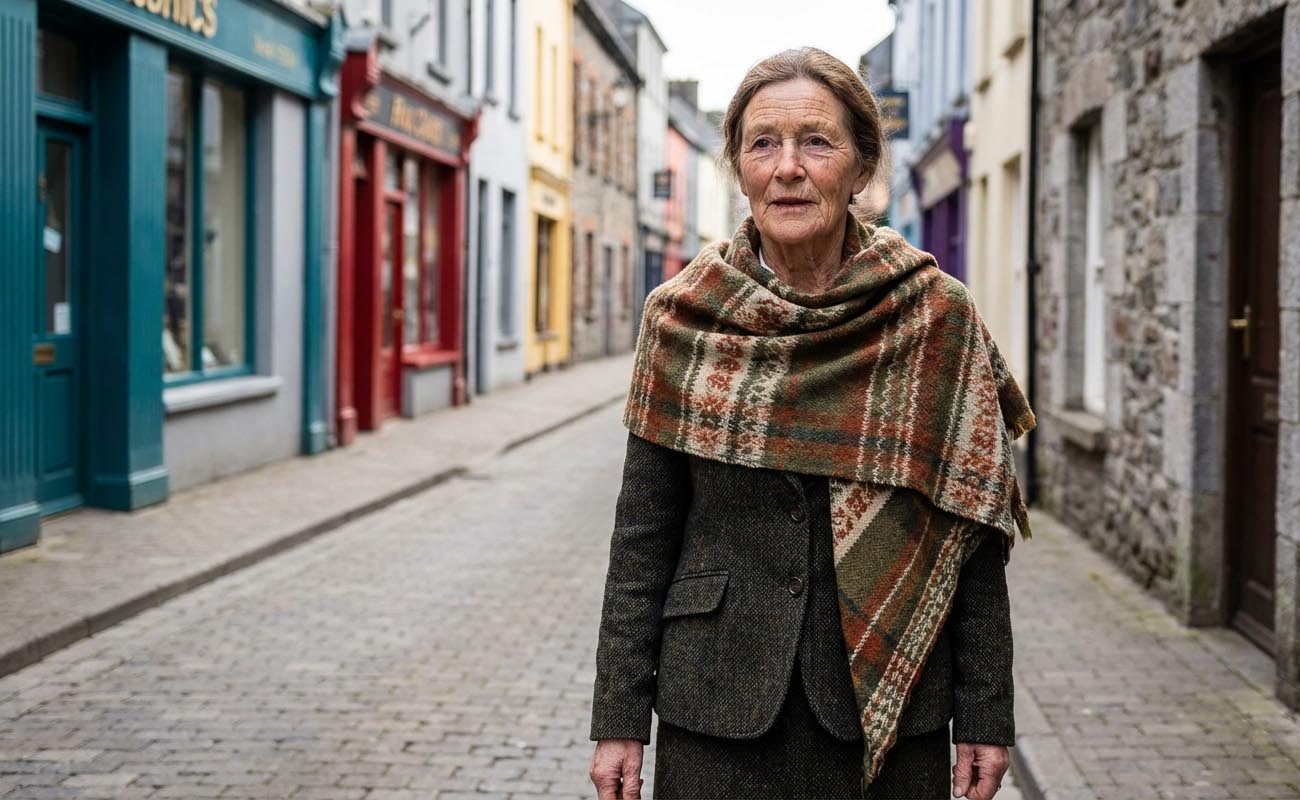
Irish women’s traditional clothing evolved from practical necessities into symbols of cultural identity and feminine grace. The garments worn by Irish women throughout history reflect their roles in society, the demands of their work, and their resilience in maintaining cultural traditions despite external pressures. From ancient Gaelic noblewomen in flowing linen dresses to 19th-century farmers’ wives in woolen skirts and shawls, Irish women’s fashion tells a story of adaptation and preservation.
The Historical Icons
The Galway Shawl holds a special place in Irish women’s clothing history, though its origins might surprise many. These heavyweight winter shawls, worn from the late 19th century until the 1950s, were actually woven on hand jacquard looms in Paisley, Scotland, using cotton warp and wool weft. The shawls featured a solid-colored center with a decorative, multicolored, wide border and fringe—the fringe being the only element added in Ireland, typically at the Galway Woollen Mills. Despite being called “velvet” or “fur” shawls by weavers, they contained neither material; the names referred to the soft, velvet-like nap achieved through heavy milling during finishing.
These expensive shawls were treasured possessions, often inherited or purchased for a bride’s trousseau. Women reserved them for special occasions like Sunday Mass, weddings, or important social events, wearing simpler hand-knitted shawls for everyday work. The pattern and colors of a woman’s Galway shawl, along with how she wore it, often indicated her status and sometimes even her regional identity. Historical photographs from the early 1900s, particularly those taken by French photographers Marguerite Mespoulet and Madeleine Mignon-Alba in 1913, provide valuable documentation of Irish women wearing these distinctive garments in Claddagh and other Irish communities.
Traditional Irish Women’s Dresses in the 19th century typically consisted of long woolen skirts (often reaching the ankles), paired with white or light-colored linen blouses and practical aprons. For special occasions or among wealthier families, women wore dresses made from finer materials, including imported silks and satins, often decorated with Irish lace—particularly Carrickmacross or Limerick lace, which became fashionable in the 18th and 19th centuries. The discovery of the “Moy Bog Gown” in 1931 provided archaeologists with rare physical evidence of earlier Irish women’s dress; this 14th-century garment fragment showed a front-buttoned bodice, calf-length skirt, long fitted sleeves, and rounded neckline, all crafted from rough brown wool twill.
Irish Lace became an important element of Irish women’s fashion, particularly in collars, cuffs, and decorative trim on dresses and shawls. Carrickmacross lace and Limerick lace represented distinctly Irish craft traditions that provided income for many women, particularly during and after the Great Famine. The intricate patterns and high-quality craftsmanship of Irish lace gained international recognition, with pieces being exported to wealthy customers throughout Europe and America. Today, antique Irish lace pieces are highly collectible, and the craft continues in Ireland, though on a much smaller scale than historically.
The Modern Evolution: Heritage You Can Wear
Contemporary Irish women’s fashion brilliantly combines traditional elements with modern design, creating pieces that honor heritage while embracing current trends. Irish designers and heritage brands offer women’s Aran knitwear in diverse styles—from classic crew neck sweaters to sophisticated turtlenecks, cozy tunic styles, and elegant cardigans with various closures, including buttons, zippers, and buckles. Modern Aran pieces come in both traditional cream/off-white (báinín) and contemporary colors inspired by Ireland’s landscapes: moss green, heather purple, slate grey, and ocean blue. Prices for quality women’s Aran sweaters range from $85-250 depending on whether they’re machine-knitted or hand-crafted.
The versatility of Irish wool knitwear allows it to transition seamlessly between casual and dressed-up occasions. A cable-knit Aran sweater pairs perfectly with jeans for a relaxed weekend look, layers over dresses for boho-chic styling, or complements tailored pieces for professional settings. The breathable, moisture-wicking properties of merino wool make these garments suitable for year-round wear, adapting to the wearer’s body temperature—warm enough for winter but comfortable enough not to cause overheating. This natural temperature regulation is why wool remains superior to synthetic materials despite modern technological advances.
Modern Irish shawls, ponchos, and capes offer women elegant ways to incorporate traditional Irish fashion into contemporary wardrobes. These pieces feature traditional Aran stitch patterns with symbolic meanings: cable and basket stitches represent strength and prosperity, diamond patterns symbolize success, and honeycomb stitches celebrate hard work and its rewards. Contemporary designs often incorporate Celtic symbols like Trinity knots in zipper pulls and other details, connecting wearers to ancient Irish spiritual traditions. The flowing drape of these garments suits various body types and styling preferences, making them accessible to women worldwide who want to express their Irish heritage or simply appreciate quality craftsmanship. Prices for quality Irish wool capes and wraps typically range from $120-300.
Modern Irish Fashion: How to Wear “Ireland Outfits” Today
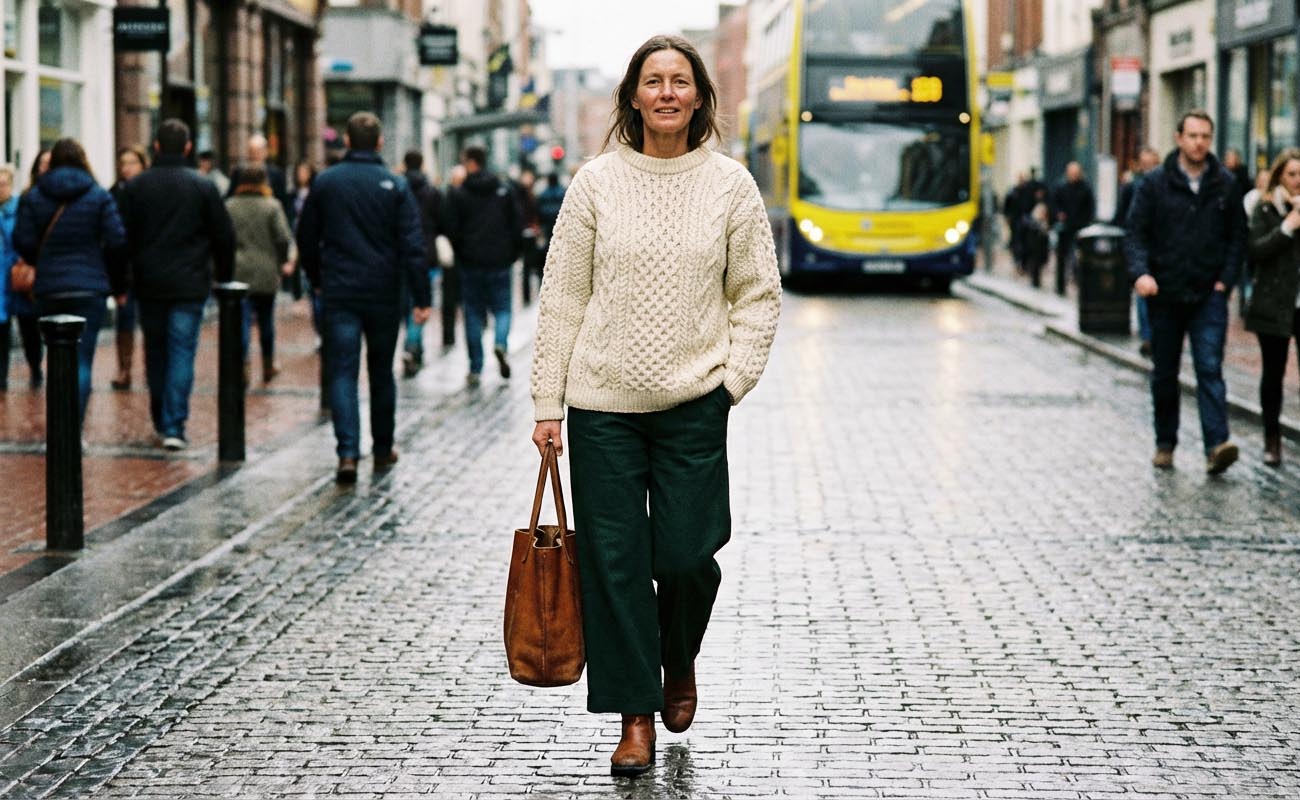
The revival of interest in traditional Irish clothing has inspired creative ways to incorporate heritage elements into everyday modern fashion. The key to successfully wearing Irish-inspired outfits today is balance—honoring tradition while embracing contemporary style sensibilities. Fashion enthusiasts worldwide are discovering that Irish clothing offers timeless appeal that transcends fleeting trends, with quality pieces becoming wardrobe staples that last for years or even decades. Whether you’re dressing for everyday activities or special cultural celebrations, authentic Irish pieces add meaningful depth to your personal style.
The Casual Look (Streetwear Meets Heritage)
Creating an authentic yet modern Irish casual look involves mixing traditional textures and patterns with contemporary streetwear pieces. Start with a quality cable-knit cardigan or Aran sweater in a modern cut—perhaps with a slightly oversized fit for current silhouettes. Layer it over a simple graphic tee featuring Celtic knotwork designs or Irish symbols for a blend of old and new. Pair this with well-fitted dark denim jeans and rugged leather boots to ground the look in contemporary practicality.
For a lighter option suitable for mild weather, consider an Irish linen grandfather shirt worn open over a basic tank top or t-shirt, creating effortless layering that looks put-together without being fussy. The collarless design and natural linen fabric provide a distinctly Irish aesthetic while remaining comfortable and breathable. Accessories make a significant difference—swap a standard winter hat for an authentic Donegal tweed flat cap, or add an Irish wool scarf in traditional patterns. These small touches reference heritage without overwhelming your overall style.
Color choices should reflect authentic Irish palettes rather than tourist-shop stereotypes. Move beyond bright “Kelly green” to embrace the more sophisticated hues found in Ireland’s landscapes: moss green, heather purple, slate grey, charcoal, and natural cream or tan tones. These colors work better with various skin tones and coordinate more easily with existing wardrobes. The “Modern Celt” aesthetic prioritizes comfort and authenticity, proving you don’t need to dress like a 19th-century farmer to show pride in Irish heritage.
For Special Occasions (St. Patrick’s Day & Weddings)
Special occasions offer opportunities to elevate Irish-inspired fashion with more intentional styling and higher-quality pieces. For St. Patrick’s Day celebrations, resist the temptation toward costumey green everything. Instead, incorporate one or two quality Irish pieces like an Aran sweater, tweed blazer, or Irish wool cape as statement items, keeping the rest of your outfit neutral and sophisticated. This approach looks more refined while still clearly celebrating Irish heritage.
For weddings—whether you’re attending or getting married—Irish elements can add meaningful cultural touches. Grooms might wear a custom-tailored Donegal tweed suit or incorporate an Irish wool waistcoat as a nod to heritage. Brides can include Irish lace in their dress details, wear a cloak inspired by traditional Irish cloaks for outdoor ceremonies, or give guests Claddagh rings or Celtic knot jewelry as meaningful favors. Irish wedding traditions like handfasting ceremonies pair beautifully with clothing that honors Celtic heritage, creating cohesive celebrations that tell a complete cultural story.
Cultural events like Irish music sessions, Celtic festivals, or family gatherings celebrating Irish heritage call for outfits that show respect for tradition while remaining practical and comfortable. Women might choose an Aran cardigan over a simple dress, accessorized with a Celtic brooch reminiscent of those used to fasten ancient Irish cloaks. Men can wear tweed jackets paired with crisp shirts and dark trousers, achieving a look that’s both heritage-focused and appropriately formal. The key is letting quality Irish-made pieces speak for themselves rather than accumulating multiple Irish symbols that can appear overwhelming or inauthentic.
Shopping Guide: Where to Find Authentic Irish Clothing in 2026
Finding genuine Irish clothing requires knowing where to look and what to expect in terms of quality and pricing. The market offers options ranging from affordable machine-knitted pieces to investment-worthy hand-crafted items that can last decades. Understanding the difference between authentic Irish-made garments and mass-produced imitations helps ensure your purchase supports traditional craftsmanship and provides the quality you’re paying for.
Top Irish Clothing Categories & Price Ranges
Aran Sweaters & Knitwear:
- Machine-knitted (Irish-made): $80-150
- Machine-knitted with hand-finishing: $120-200
- Hand-knitted by Irish artisans: $250-400
- Vintage/antique authentic pieces: $150-300
Donegal Tweed Garments:
- Tweed flat caps: $30-80
- Tweed scarves: $40-90
- Tweed jackets (men’s): $200-600
- Tweed coats (women’s): $250-700
- Custom-tailored suits: $800-1500
Traditional Accessories:
- Wool shawls and wraps: $60-180
- Irish lace items: $40-200
- Celtic brooches (replica): $25-100
- Leather brogues: $120-300
Where to Buy: Online & Retail Options
Specialized Irish Retailers: Major online retailers specializing in Irish clothing offer worldwide shipping and quality guarantees. Look for retailers that clearly state “Made in Ireland” and provide details about their craftspeople and materials. Scotland Kilt Collection offers an excellent curated selection of authentic Irish and Celtic clothing, combining traditional Irish pieces with complementary Scottish attire for customers seeking quality heritage wear from trusted Celtic sources.
Direct from Irish Brands: Purchasing directly from established Irish manufacturers ensures authenticity and often provides better value. Look for brands based in traditional Irish textile regions like County Donegal for tweed products or the Aran Islands for knitwear. Many family-run businesses now ship internationally and offer detailed information about their production methods and heritage.
Tips for Buying Authentic:
- Check for “Made in Ireland” labels and certifications
- Research the seller’s reputation and history
- Look for detailed product descriptions mentioning specific Irish regions or craftspeople
- Be wary of prices that seem too good to be true—authentic hand-knitted Aran sweaters cannot be produced cheaply
- Read customer reviews focusing on quality and authenticity claims
- Ask about materials—genuine Irish wool has specific characteristics
- Consider shipping times and customs fees for international orders
Famous Materials: The Fabric of Ireland
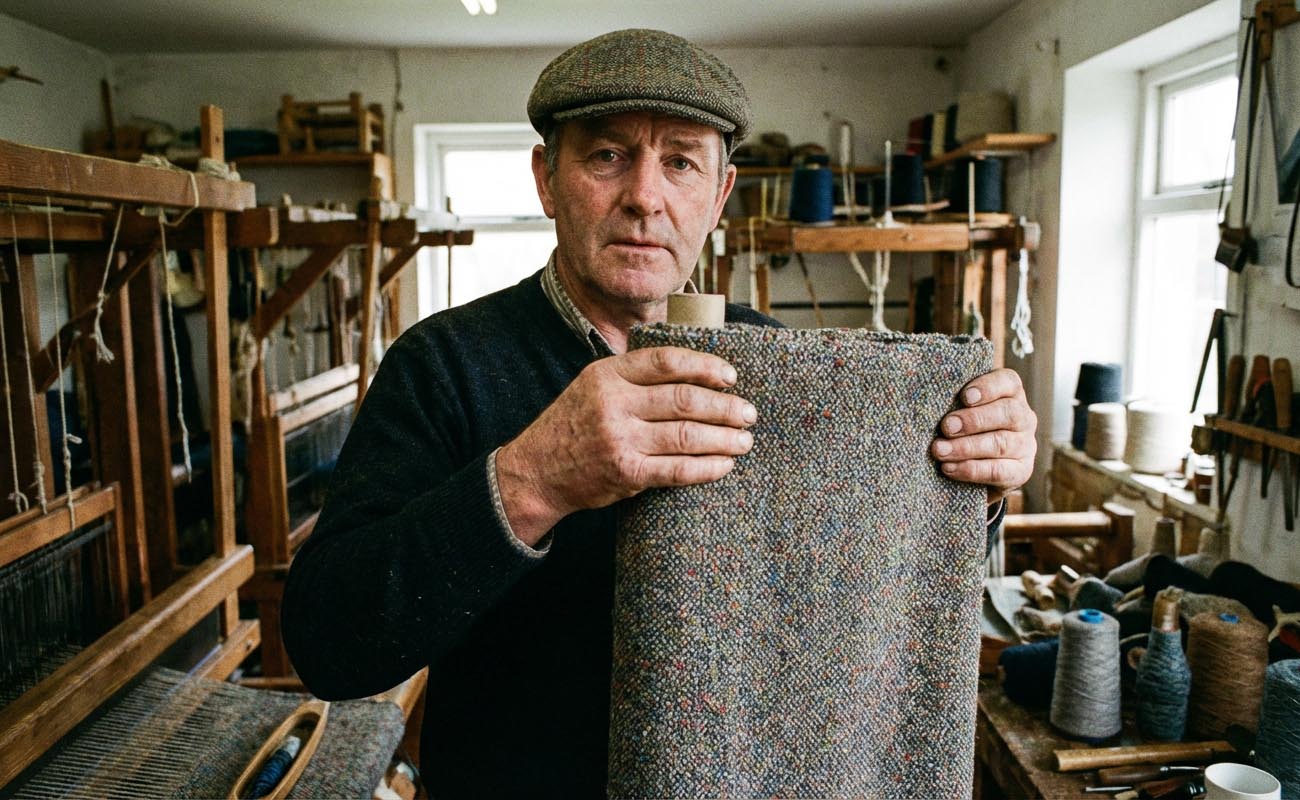
The distinctive fabrics and materials used in Irish clothing tell their own story of the land, climate, and people. Ireland’s textile heritage showcases how geography and available resources shape cultural identity through what people wear. Understanding these materials deepens appreciation for Irish clothing and explains why these fabrics remain relevant in modern fashion despite technological advances in synthetic textiles.
Irish Wool forms the foundation of traditional Irish clothing, with good reason. Wool from Irish sheep, which graze on nutrient-rich grass in Ireland’s temperate climate, produces fibers prized for their quality. Wool’s natural properties make it ideal for Irish weather: it provides excellent insulation, can absorb up to 30% of its weight in moisture without feeling wet, naturally repels water to some degree (especially when it retains lanolin), and remains warm even when damp. These characteristics explain why wool dominated Irish clothing for centuries and continues to be preferred for Aran sweaters, tweed garments, and winter accessories. Modern Irish wool products often use merino wool, which offers superior softness against skin while maintaining all the practical benefits of traditional wool.
Donegal Tweed represents Ireland’s most famous textile export, with its distinctive appearance and quality recognized worldwide. This durable fabric features a plain weave with differently-colored warp and weft threads, with small pieces of colored yarn woven in at irregular intervals, creating the signature flecked or speckled effect sometimes called “salt and pepper.” While Donegal has produced tweed for centuries, the industry took its modern form in the 1880s when philanthropists and entrepreneurs established quality standards and distribution networks. The fabric remains primarily produced in County Donegal, where family-run mills and some remaining home weavers continue centuries-old traditions. Authentic Donegal tweed is currently seeking Protected Geographical Indication (PGI) status from the European Union to protect the name and preserve the craft for future generations.
Irish Linen played an important role in traditional Irish clothing, particularly for undergarments like the ancient léine. Linen, made from flax plants, offers coolness and breathability that make it suitable for the base layer worn close to the skin. Ireland’s cool, damp climate proved ideal for growing flax, and linen production became an important cottage industry, particularly in Ulster. Historical records show that in the late 18th century, the Royal Linen Manufacturers of Ulster distributed thousands of spinning wheels and looms to Donegal homesteads, helping establish the homespun textile industry. While linen production declined dramatically after the Great Famine, modern Irish linen products continue this heritage in items like grandfather shirts and summer clothing.
How to Care for Your Irish Clothing Investment
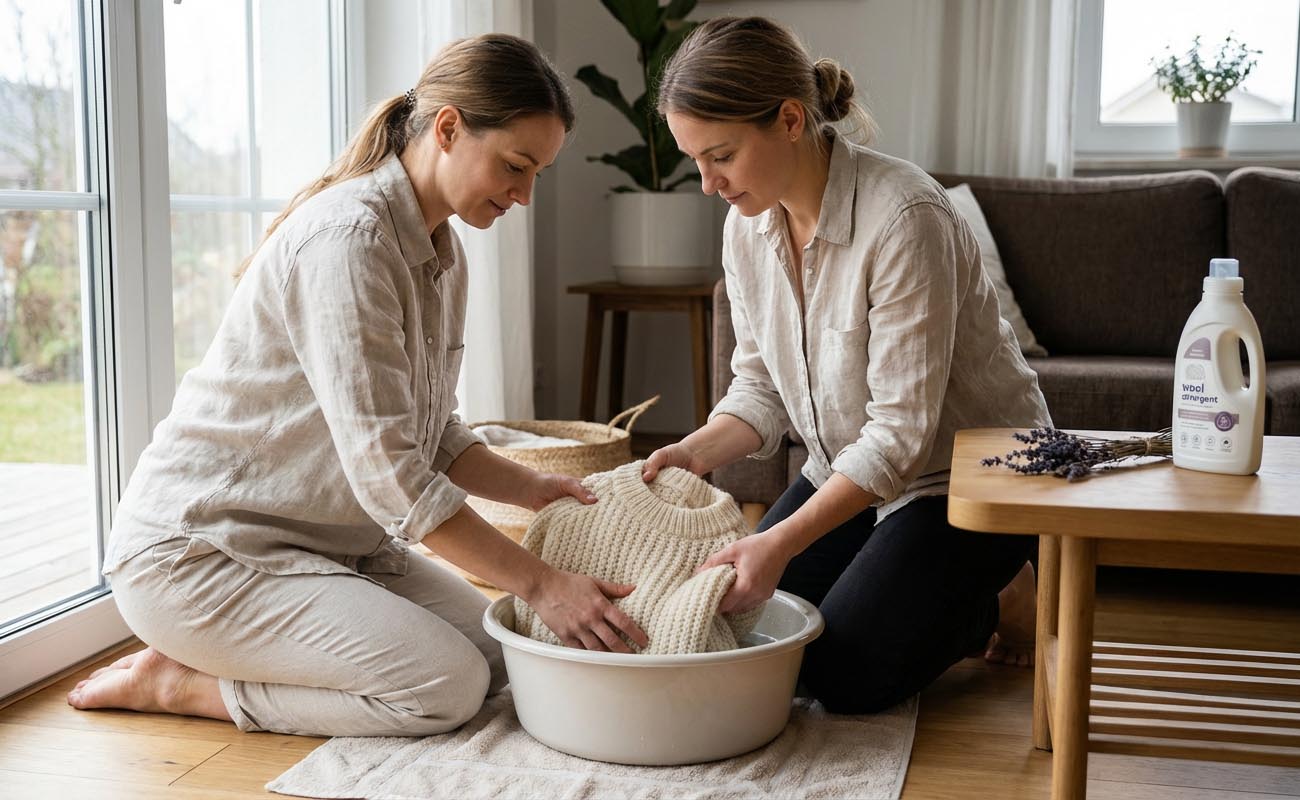
Quality Irish clothing pieces represent significant investments that can last for decades with proper care. Understanding how to maintain these garments ensures they retain their beauty, functionality, and value over time. Traditional materials like wool and linen require specific care techniques that differ from modern synthetic fabrics, but the extra effort pays off in longevity and performance.
Caring for Irish Wool Sweaters: Hand washing in cold water with wool-specific detergent is ideal for Aran sweaters and other Irish knitwear, though some modern merino wool pieces may be machine washable on gentle cycles (always check the label first). Never wring or twist wool garments as this can distort their shape and damage the fibers. Instead, gently squeeze out excess water, reshape the garment to its original dimensions, and lay it flat to dry on a clean towel away from direct heat or sunlight. Avoid hanging wet wool sweaters, as gravity will stretch them out of shape. Store clean, dry sweaters folded rather than hung to prevent stretching, and consider using cedar blocks or lavender sachets for natural moth protection.
Maintaining Donegal Tweed: Tweed’s tightly woven structure makes it naturally resistant to dirt and moisture, requiring less frequent cleaning than many fabrics. Brush tweed garments regularly with a soft clothes brush to remove surface dirt and refresh the fibers. Most tweed pieces should be dry cleaned rather than washed at home, as water can shrink the wool and alter the fabric’s texture. Between cleanings, air out tweed jackets and coats outdoors on dry days to refresh them naturally. Store tweed garments on proper hangers in breathable garment bags—never plastic—and ensure they’re completely clean before long-term storage to prevent moth damage.
General Irish Clothing Care Tips:
- Always read and follow care labels on authentic Irish garments
- Invest in proper storage solutions, including cedar or lavender for natural pest protection
- Address stains immediately using appropriate methods for wool or linen
- Consider professional cleaning for valuable hand-knitted or vintage pieces
- Repair small issues promptly before they become major problems
- Rotate wearing your Irish clothing pieces to extend their lifespan
- Use fabric shavers carefully to remove pills while preserving the garment’s structure
Conclusion: Wear Your Story, Your Way
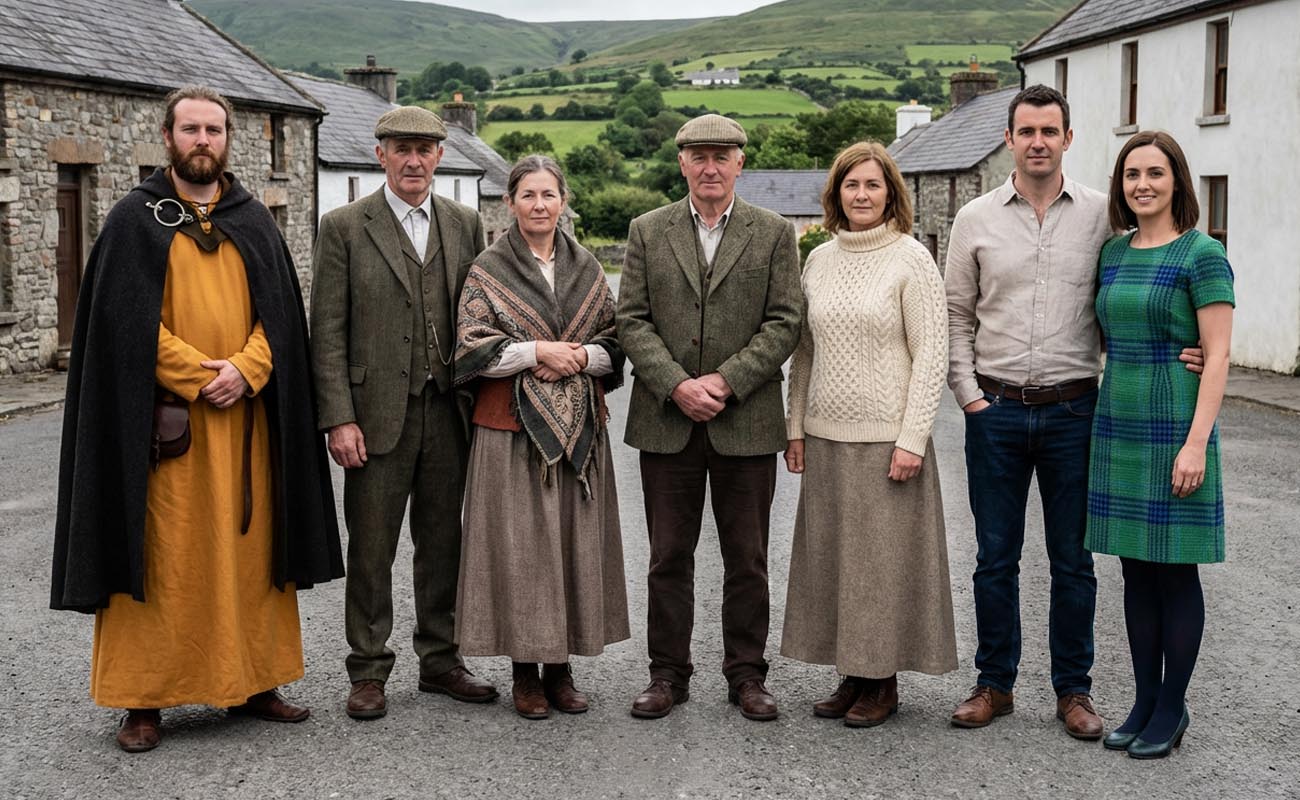
Traditional Irish clothing offers more than just fashion—it provides tangible connections to centuries of history, culture, and craftsmanship. Whether you’re exploring your Irish heritage, appreciating quality artisan work, or simply seeking clothing that combines beauty with functionality, Irish garments deliver on all fronts. The revival of interest in traditional Irish fashion shows that people increasingly value authenticity, sustainability, and cultural meaning in what they wear, moving away from disposable fast fashion toward pieces with stories to tell.
The beauty of Irish clothing lies in its accessibility and versatility. You don’t need to be Irish to appreciate the warmth of an Aran sweater, the durability of Donegal tweed, or the timeless elegance of Celtic-inspired designs. These pieces work in various contexts—from casual everyday wear to special occasions—and in diverse climates worldwide. The natural materials and quality construction mean Irish clothing pieces often become treasured items passed down through families, connecting generations through shared garments just as they did in historical Ireland. In 2026, finding authentic Irish clothing is easier than ever thanks to reputable online retailers and direct-to-consumer Irish brands that ship internationally.
As you explore traditional Irish clothing, remember that authenticity comes from understanding and respecting the heritage behind each piece, not from accumulating Irish symbols. Choose quality over quantity, invest in well-made items from Irish manufacturers or craftspeople when possible, and wear these pieces with pride in their history and craftsmanship. Whether you incorporate a single Aran sweater into your wardrobe or build an entire Irish-inspired collection, you’re participating in keeping ancient traditions alive for future generations. Wear your story, your way—that’s the true spirit of Irish fashion.
Your Irish Clothing Questions Answered
Absolutely! The secret is mixing it with modern pieces. Pair your Aran sweater with slim-fit dark jeans and leather boots—not baggy khakis. Women can layer Aran cardigans over sleek dresses. Keep everything else minimal and contemporary. The chunky knit becomes a statement piece, not a costume, when balanced with clean, fitted items. Skip the shamrock accessories!
Surprisingly, no! Merino wool naturally regulates temperature and wicks moisture, keeping you cooler than synthetics. However, thick Aran sweaters are best saved for evenings or AC indoors. For warm climates, choose lightweight Irish linen shirts or thin merino cardigans instead. Natural Irish fabrics breathe better than polyester—your skin will thank you.
Start with an Irish tweed flat cap ($30-80) or merino wool scarf. They’re affordable, versatile, and genuinely Irish without being overwhelming. If spending more, choose an Aran cardigan over a pullover—easier to style and fits more body types. Stick with neutral colors (cream, navy, charcoal) for maximum outfit compatibility. Save the bold statement pieces for later!
Yes—dramatically! A quality Irish Aran sweater ($150-300) can last 20-30 years, while cheap imitations pill and stretch within months. Many vintage pieces from the 1950s are still wearable today. Hand-knitted or quality machine-knitted 100% wool sweaters actually improve with age, becoming softer while maintaining structure. It’s cost-per-wear math—invest once, wear for decades.