
Blog
Scottish Wear For Ladies: What To Wear With a Kilt – A Fashion Guide

When it comes to traditional Highland dress, kilts aren’t just for men anymore. Women around the world are embracing this iconic piece of Scottish heritage and making it their own. Whether you’re attending a Scottish wedding, celebrating Burns Night, or simply want to incorporate some Celtic flair into your wardrobe, knowing how to style a kilt properly can make all the difference. This comprehensive guide will walk you through everything you need to know about creating stunning outfits with your kilt while honoring Scottish traditions. From choosing the perfect accessories to understanding tartan patterns, you’ll discover how to make Scottish wear work for your personal style and various occasions throughout the year.
Understanding Traditional Scottish Clothing for Women

Scottish traditional wear has evolved significantly over the centuries, blending ancient customs with modern fashion sensibilities. Originally, Highland dress was predominantly masculine, but today’s fashion landscape celebrates women who want to embrace their Celtic heritage through authentic Scottish attire. The modern women’s kilt maintains the classic tartan patterns and pleated design while offering cuts and styles that flatter the feminine form. Understanding the basics of traditional Scottish garments helps you build outfits that are both authentic and fashionable, whether you’re dressing for a formal ceilidh or a casual Highland games event.
Women’s kilts typically sit higher on the waist than men’s versions and often feature side zippers or velcro closures for convenience. The length can vary from knee-length to midi, depending on the occasion and personal preference. Traditional tartans carry significant meaning, often representing specific clans, regions, or affiliations. When selecting your Scottish wear, consider whether you have a family tartan or if you’d prefer a universal pattern that anyone can wear with pride. The weight of the fabric also matters – traditional wool kilts work beautifully for cooler weather, while lighter wool blends or even tartan skirts in cotton can be more comfortable for summer events.
The construction of a proper kilt involves intricate pleating that requires skill and precision. Quality kilts feature knife pleats or box pleats that maintain their shape and swing beautifully when you walk or dance. While authentic handmade kilts can be investment pieces, they last for decades with proper care. For those just beginning their journey into Scottish fashion, ready-made kilts offer a more accessible entry point. As you become more comfortable with the style, you might consider commissioning a custom kilt tailored to your measurements and preferred tartan.
Top Choices for Ladies’ Kilt Outfits

Creating the perfect ensemble with your kilt starts with choosing complementary tops and layers. The beauty of Scottish wear lies in its versatility – you can dress it up for formal occasions or keep it casual for everyday events. For formal settings, a crisp white blouse with a ruffled jabot creates an elegant, traditional look that pairs beautifully with any tartan pattern. The contrast between the structured blouse and the flowing pleats of the kilt creates visual interest while maintaining sophistication. Consider blouses with Victorian-inspired details like lace collars or pearl buttons for an extra touch of refinement.
For a more relaxed approach, consider pairing your kilt with a fitted turtleneck or a cozy cable-knit sweater in neutral tones. Black, cream, navy, and forest green work particularly well with most tartan patterns. During warmer months, a simple fitted t-shirt or tank top can create a modern, casual look that’s perfect for festivals or informal gatherings. The key is to balance the volume of the kilt’s pleats with more fitted tops that define your silhouette. If you prefer a more bohemian aesthetic, flowing peasant blouses or embroidered tops can create an interesting fusion of Scottish tradition and contemporary style.
Layering pieces adds depth and functionality to your Scottish outfits. A well-fitted blazer in tweed or solid colors can elevate your look for professional settings or evening events. Cardigan sweaters in complementary colors provide warmth and style options, allowing you to adjust your outfit as temperatures change throughout the day. During transitional seasons, consider a lightweight denim jacket for a casual, contemporary twist on traditional Highland dress. The juxtaposition of rugged denim with formal tartan creates an unexpectedly stylish combination that works well for outdoor festivals and casual social gatherings.
Essential Styling Tips:
- Choose fitted tops to balance the kilt’s volume
- Stick to solid colors that complement your tartan
- Layer with cardigans or blazers for versatility
- Tuck in your top for a polished appearance
- Add a statement belt for extra definition
Scottish Dance Outfit Ideas for Modern Women

Scottish country dancing and Highland dancing have specific dress codes that blend tradition with practicality. For dance performances, your outfit needs to allow freedom of movement while looking authentic and polished. A traditional Aboyne dress features a fitted bodice and full skirt, but many dancers opt for kilts paired with dance-appropriate tops. The kilt should be secured properly to ensure it stays in place during energetic movements like reels and strathspeys. Safety pins strategically placed can provide extra security without being visible, giving you confidence to execute even the most vigorous steps.
Dance-specific Scottish wear often incorporates decorative elements like Celtic brooches, sashes, and specialized footwear. Ghillie shoes, with their soft leather construction and long laces that wrap around the ankle, are the traditional choice for Highland dancing. For country dancing, lighter shoes with a bit of heel are more common. Your top should be well-fitted and breathable, allowing you to move comfortably through complex dance patterns while maintaining modesty and style. Many dancers prefer moisture-wicking fabrics that look traditional but incorporate modern performance features.
Competitive dancers often embellish their outfits with intricate details that catch judges’ eyes. Hand-embroidered thistles, Celtic knotwork, or clan symbols add personalized touches that showcase craftsmanship and attention to detail. Velvet jackets adorned with silver buttons create striking silhouettes against the movement of pleated kilts. Even if you’re not competing, these decorative elements can inspire your own Scottish wear choices for special occasions. The key is finding the right balance between embellishment and elegance, ensuring your outfit enhances rather than overwhelms your overall appearance.
Accessories That Complete Your Scottish Look

No Scottish outfit is complete without the right accessories. These finishing touches transform a simple kilt into a full Highland ensemble that honors tradition. A sporran, the decorative pouch worn at the front of the kilt, is perhaps the most iconic Scottish accessory. Women’s sporrans tend to be smaller and more delicate than men’s versions, often featuring intricate metalwork or fur details that add texture and interest to your outfit. The sporran serves both functional and decorative purposes, providing a place to carry small essentials while you’re out enjoying events.
Jewelry also plays an important role in Scottish attire. A Celtic brooch pinned at the shoulder can secure a sash or plaid while adding a touch of elegance. Look for designs featuring traditional symbols like Celtic knots, thistles, or clan badges. These pieces aren’t just decorative – they carry cultural significance and can spark conversations about Scottish heritage. Silver or pewter jewelry tends to complement the earthy tones of most tartans better than gold. Consider pieces featuring semi-precious stones like amethyst, citrine, or Scottish cairngorm for added color and authenticity.
The fly plaid or tartan sash represents another essential accessory for formal Scottish occasions. This length of tartan fabric drapes elegantly over the shoulder and across the body, secured with a brooch at the shoulder. Traditionally, the fly plaid was a practical element that provided warmth, but today it serves primarily as a decorative accent, adding movement and visual interest to your outfit. The sash can be worn in various styles depending on the formality of the event and your personal preference, offering versatility within traditional guidelines.
Must-Have Accessories:
- Sporran (small, decorative style for women)
- Celtic brooch or clan badge
- Tartan sash or fly plaid
- Sgian dubh (ceremonial knife in sock)
- Traditional kilt pin
- Celtic-inspired jewelry pieces
Footwear Options for Different Occasions

Choosing the right footwear can make or break your Scottish outfit. The shoes you select should complement your kilt while being appropriate for the event you’re attending. For formal occasions like weddings or ceilidhs, a pair of classic black pumps or mary jane style shoes with a modest heel works beautifully. These timeless options provide elegance without overshadowing your carefully chosen tartan. Patent leather adds a dressy shine appropriate for evening events, while matte finishes work well for daytime celebrations.
For outdoor events or Highland games, practicality becomes more important. Many women opt for sturdy leather boots or brogues that can handle uneven terrain while maintaining a traditional aesthetic. Ankle boots with Celtic-inspired detailing bridge the gap between function and fashion perfectly. In warmer weather, dressy sandals or ballet flats can work, though they’re less traditional. Whatever you choose, ensure your footwear is comfortable enough to wear for extended periods, especially if dancing is involved. Breaking in new shoes before major events prevents blisters and discomfort that can ruin your experience.
Traditional Highland dress sometimes includes long socks or knee-high stockings, particularly for formal occasions or dance performances. These can be plain or feature decorative elements like cable knit patterns or tartan flashes at the top. When wearing knee-high socks, the traditional placement for the sgian dubh (small ceremonial knife) is tucked into the right sock. While women aren’t required to wear this accessory, it adds authenticity to very formal Highland outfits. Modern interpretations might include decorative sock pins or garters that achieve a similar visual effect without the ceremonial knife.
Highland Fashion Trends for Contemporary Style

Modern Scottish fashion designers are reimagining traditional Highland dress for today’s woman. Contemporary interpretations of Scottish wear blend ancestral elements with current fashion trends, creating looks that feel fresh while respecting heritage. Designers are experimenting with kilt lengths, introducing mini kilts for casual wear and asymmetrical hemlines that add visual intrigue. These modern takes on classic garments allow women to express their Scottish pride in ways that feel authentic to their personal style. Fashion houses from Edinburgh to Glasgow are leading this renaissance, proving that traditional Scottish wear can be both timeless and trendy.
Layering has become a key trend in Highland fashion. Pairing your kilt with leather jackets, denim vests, or structured blazers creates an edgy, contemporary look that works for everyday wear. Some fashion-forward individuals are even mixing tartans, carefully combining different patterns for bold, statement-making outfits. While purists might raise eyebrows, these creative interpretations are breathing new life into Scottish wear and making it accessible to younger generations. The key to successfully mixing tartans lies in finding patterns that share common colors or varying the scale of the checks to create visual harmony.
The color palette for Scottish wear has also expanded beyond traditional tartans. While classic red, green, and blue patterns remain popular, designers are introducing muted tones, pastels, and even monochromatic kilts for those who prefer subtler statements. These modern colorways make Scottish wear more versatile and easier to incorporate into existing wardrobes, encouraging more women to embrace this distinctive style. Designers are also experimenting with different fabrics beyond traditional wool, including tartan prints on silk, velvet, and even sustainable materials, making Scottish fashion more accessible and environmentally conscious.
Tartan Skirt Styling for Everyday Wear

Not every occasion calls for a full traditional kilt. Tartan skirts offer a more casual way to incorporate Scottish patterns into your daily wardrobe. These versatile pieces come in various styles, from A-line to pencil cuts, making them suitable for work, weekend outings, or social events. A tartan pencil skirt paired with a simple blouse creates a polished office look that nods to Scottish heritage without being overly traditional. The streamlined silhouette of a pencil skirt in tartan pattern offers sophistication that translates well to professional environments.
For weekend wear, try styling a tartan A-line skirt with a graphic tee and sneakers for a playful, casual ensemble. The contrast between the structured tartan and relaxed sportswear creates an interesting juxtaposition that feels current and fresh. During colder months, pair your tartan skirt with opaque tights, ankle boots, and an oversized sweater for cozy, stylish comfort. The beauty of tartan skirts lies in their adaptability – they can be dressed up or down depending on your needs. Circle skirts in tartan create a vintage-inspired silhouette that works beautifully for retro-themed events or rockabilly style enthusiasts.
Modern retailers offer tartan skirts in various price points, making this style accessible to everyone from students to professionals. Fast fashion brands provide affordable options for those wanting to experiment with the trend, while heritage Scottish brands offer investment pieces that will last for years. When shopping for tartan skirts, pay attention to the quality of the fabric and construction. Well-made pieces resist pilling and maintain their shape through repeated wear and washing, making them worthwhile additions to your wardrobe regardless of price point.
Women’s Tartan Outfits for Special Occasions

Special events require special outfits, and Scottish wear offers plenty of options for celebrations. Scottish weddings are particularly exciting opportunities to showcase traditional Highland dress. Female guests often choose floor-length tartan skirts or kilts paired with elegant blouses and dress jackets. A white or cream top provides classic elegance, while jewel tones like emerald or sapphire can create a stunning visual impact against certain tartan patterns. Coordinating your outfit with the wedding party’s chosen tartans shows thoughtfulness and respect for the couple’s Scottish heritage.
Burns Night celebrations, held annually on January 25th to honor Scotland’s national poet, call for festive Scottish attire. This is the perfect occasion to go all out with your Highland ensemble. Consider pairing your kilt with a velvet jacket or bolero for added sophistication. A tartan sash draped across your shoulder and pinned with a decorative brooch adds formality and traditional flair. Complete the look with your finest jewelry and polished footwear for a memorable appearance. Many Burns Night events include poetry readings and traditional Scottish dancing, so ensure your outfit allows for comfortable movement while maintaining elegance.
For Highland games and outdoor festivals, comfort should be your priority while maintaining style. Choose breathable fabrics for your top layers and practical footwear that can handle grass and potentially muddy conditions. A tartan kilt or skirt paired with a fitted polo shirt or casual blouse strikes the right balance between traditional and practical. Don’t forget sun protection – a wide-brimmed hat can be both functional and fashionable. Layering becomes especially important at outdoor events where the weather can change rapidly, so bring a waterproof jacket or windbreaker that coordinates with your tartan colors.
Choosing the Right Tartan Pattern

Selecting the perfect tartan is a deeply personal decision that can reflect your heritage, preferences, or simply your favorite colors. If you have Scottish ancestry, researching your family’s clan tartan adds a meaningful connection to your outfit. Clan tartans carry centuries of history, and wearing your family’s pattern can be a source of pride. However, not everyone has Scottish heritage, and that shouldn’t prevent you from enjoying this beautiful fashion tradition. Many organizations, professions, and regions have their own tartans that can be worn by anyone with relevant connections.
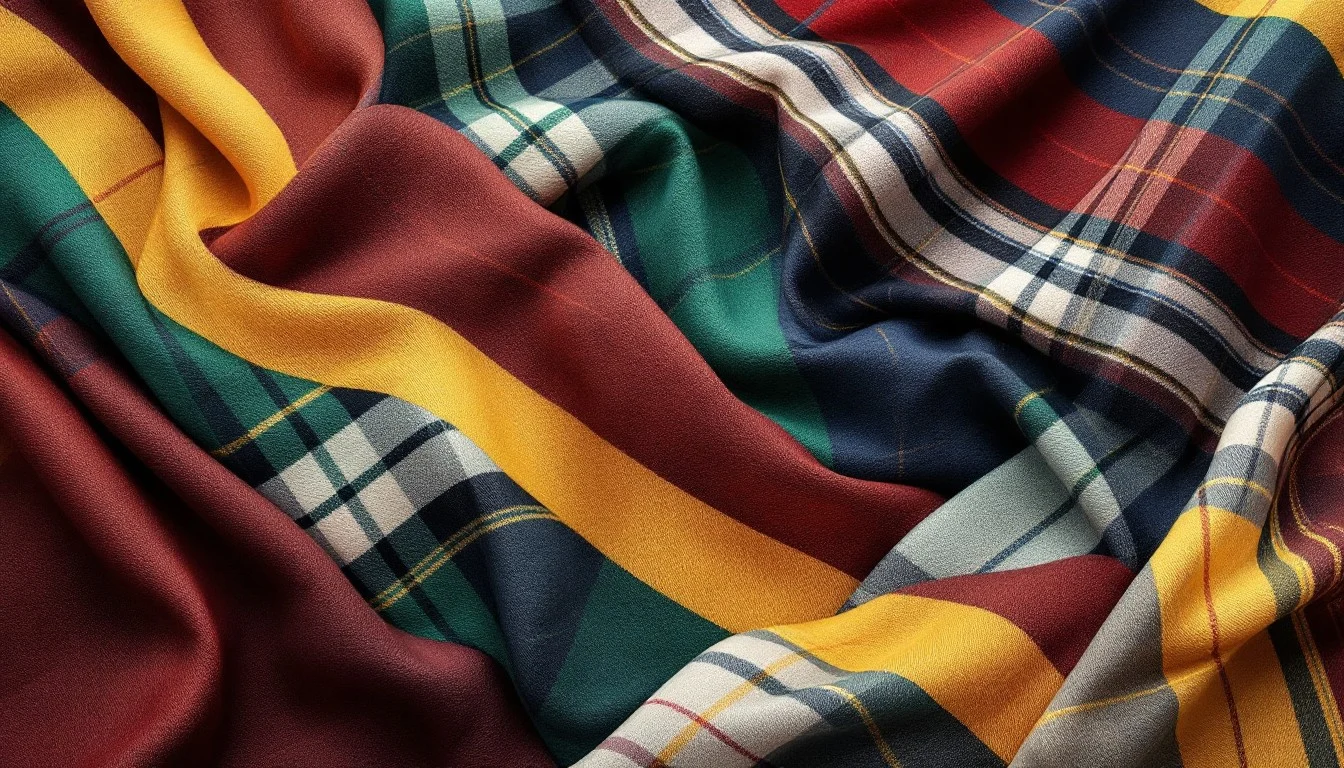
Universal tartans like Black Watch, Royal Stewart, and Hunting Stewart are available for anyone to wear regardless of ancestry. These patterns have become so widely recognized that they’ve transcended their original clan associations. When selecting a tartan, consider which colors flatter your complexion and coordinate with your existing wardrobe. Some tartans feature predominantly cool tones while others lean warm, so choose accordingly based on your personal coloring. If you have warm undertones in your skin, tartans with reds, oranges, and warm greens typically look most flattering. Cool undertones pair beautifully with tartans featuring blues, purples, and cool greens.
The scale of the tartan pattern also matters, especially for smaller or petite women. Larger, bolder checks can overwhelm a smaller frame, while tighter, more intricate patterns often prove more flattering. Try on different options if possible, or request fabric swatches to see how the pattern looks at actual size. Remember that tartan appears different when pleated versus flat, so visualize how the pattern will look with the kilt’s characteristic folds and movement. Photography can also affect how tartans appear, so seeing the actual fabric in natural light helps ensure you’re selecting colors and patterns that truly appeal to you.
Seasonal Scottish Wear Styling Tips

Adapting your Scottish outfit to different seasons ensures you’re comfortable while maintaining style. Winter presents unique opportunities for layering traditional pieces with cozy accessories. Start with thermal tights or leggings under your kilt for warmth without bulk. Add a fitted turtleneck as your base layer, then top with a traditional Scottish sweater featuring Fair Isle patterns or cable knit designs. A tartan scarf or wrap provides extra warmth while reinforcing your Highland theme. Consider investing in a quality wool coat in a solid color that complements your tartans – this versatile piece will work with multiple Scottish outfits throughout the winter months.
Spring and summer require lighter approaches to Scottish wear. Opt for lighter-weight wool or wool-blend kilts that won’t feel heavy in warmer temperatures. Pair your kilt with short-sleeved blouses, lightweight cardigans, or even sleeveless tops for outdoor events. Natural fabrics like cotton and linen work well for warm-weather Scottish outfits, providing breathability while maintaining a polished appearance. Consider lighter sporrans made from leather rather than fur for comfort during warmer months. Sunglasses and sun hats become essential accessories, so choose styles that complement rather than clash with your tartan patterns.
Autumn is perhaps the ideal season for Scottish wear, as moderate temperatures allow for comfortable layering without overheating. This is when tweeds, wool jackets, and tartan accessories truly shine. A tweed blazer over a simple blouse paired with your kilt creates a sophisticated autumn look perfect for countryside events or city gatherings alike. Rich autumnal colors in your accessories can complement traditional tartan patterns beautifully during this season. Leather gloves, wool berets, and tartan scarves add functional warmth while enhancing your overall Highland aesthetic. The natural color palette of fall foliage harmonizes wonderfully with most traditional tartans, making autumn the perfect time to fully embrace Scottish fashion.
Caring for Your Scottish Wear

Proper care ensures your investment in quality Scottish wear lasts for generations. Traditional wool kilts require specific handling to maintain their appearance and structure. Most kilts should be dry cleaned rather than machine washed, as water can damage the pleating and cause the wool to felt or shrink. Between cleanings, air out your kilt regularly and spot clean minor marks with a damp cloth. Store kilts hanging or carefully folded to preserve the pleats, avoiding crushing the fabric under heavy items in your closet.
Tartan accessories like sashes and scarves may have different care requirements depending on their fabric content. Wool accessories benefit from gentle hand washing in cool water with wool-specific detergent, while synthetic blends might tolerate machine washing on delicate cycles. Always check care labels before cleaning any Scottish wear items. Proper storage between uses protects your investment – consider garment bags for formal pieces and cedar blocks to deter moths from wool items. Regular maintenance keeps your Scottish wardrobe looking fresh and ready for any occasion.
Conclusion: Embracing Your Scottish Style
Scottish wear for ladies offers endless possibilities for creative expression while honoring a rich cultural heritage. Whether you’re drawn to traditional Highland dress for special occasions or prefer incorporating tartan elements into your everyday wardrobe, there’s a Scottish style that fits your lifestyle. The key to successfully wearing kilts and tartan lies in understanding the basics of traditional dress while allowing your personal style to shine through. From formal ceilidhs to casual weekend outings, Scottish fashion adapts to meet the needs of modern women while maintaining its distinctive character.
Don’t be intimidated by the rules and traditions surrounding Scottish wear. While it’s important to show respect for the cultural significance of these garments, modern fashion allows for interpretation and personalization. Start with one or two quality pieces – perhaps a well-made kilt and a tartan scarf – and build your Scottish wardrobe gradually as you discover what works best for your body type, lifestyle, and personal aesthetic. Experiment with different styling combinations, mixing traditional elements with contemporary pieces to create looks that feel authentic to you.
Remember that confidence is your best accessory when wearing Scottish attire. Whether you’re dressed in full Highland regalia or simply adding a touch of tartan to your outfit, wear it with pride and appreciation for the centuries of tradition these garments represent. Scottish wear for ladies continues to evolve, blending time-honored customs with contemporary fashion sensibilities, ensuring this distinctive style remains relevant and exciting for generations to come. Embrace the journey of discovering your personal Scottish style, and enjoy the rich heritage and endless styling possibilities that come with incorporating these beautiful garments into your wardrobe.
Frequently Asked Questions
For formal events, pair your kilt with a crisp white blouse or fitted blazer. For casual wear, try a fitted turtleneck, cable-knit sweater, or simple t-shirt in solid colors that complement your tartan pattern.
Yes, anyone can wear tartan! Universal patterns like Black Watch, Royal Stewart, and Hunting Stewart are available for everyone. If you have Scottish ancestry, you can research and wear your family’s clan tartan.
For formal occasions, choose black pumps or Mary Jane heels. For outdoor events, opt for leather boots or brogues. Ghillie shoes are traditional for Scottish dancing. Ensure footwear is comfortable for extended wear.
Essential accessories include a sporran (decorative pouch), Celtic brooch, tartan sash or fly plaid, kilt pin, and traditional jewelry. These finishing touches transform your kilt into an authentic Highland ensemble.