
Blog
How Much Does a Kilt Outfit Cost? Complete Buying Guide for 2026
Shopping for a traditional Scottish kilt outfit can feel overwhelming when you see prices ranging from $150 to over $3,000. Whether you’re preparing for a wedding, attending Highland games, celebrating your Scottish heritage, or simply want to experience authentic Celtic culture, understanding kilt pricing helps you make confident purchasing decisions. This comprehensive guide breaks down every cost factor, from budget-friendly starter options to premium handcrafted ensembles that become treasured family heirlooms. By understanding what influences kilt prices, you’ll know exactly where your money goes and how to get the best value for your specific needs and occasion.
What Actually Makes Up a Complete Kilt Outfit?
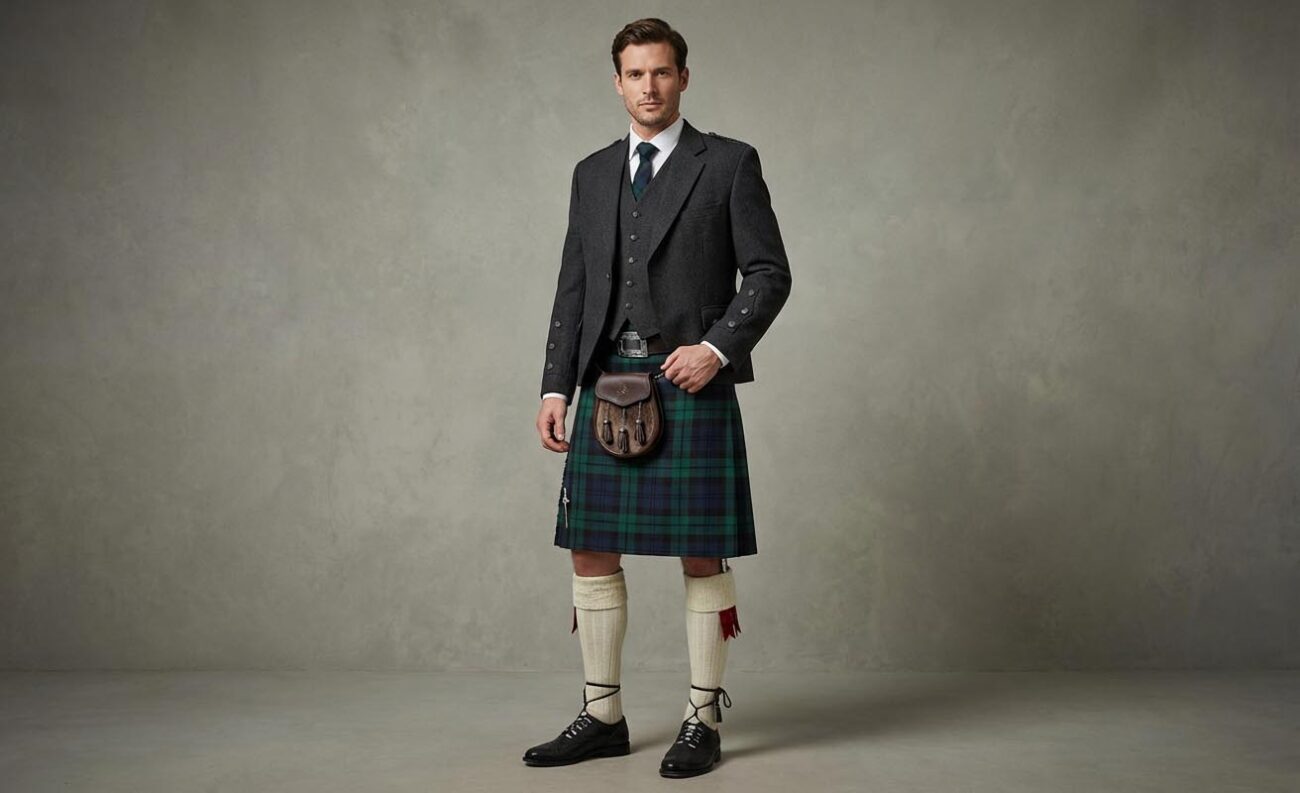
Many first-time buyers assume a kilt outfit is just the pleated garment itself, but a traditional Highland dress ensemble includes multiple essential components working together to create that iconic Scottish look. The kilt forms your centerpiece, typically requiring eight yards of tartan fabric pleated and stitched to your exact measurements. However, you’ll also need a sporran (the decorative leather pouch worn at the waist), a kilt pin to secure the apron, ghillie brogues (traditional lace-up shoes), kilt hose with flashes (knee-high socks with garters), and a belt with a buckle. For formal occasions, add a jacket (Prince Charlie or Argyll style), waistcoat, dress shirt, bow tie or cravat, and a sgian dubh (ceremonial knife tucked into your sock). Each component contributes to your total investment, and understanding their individual costs prevents budget surprises when you’re ready to purchase.
The quality level you choose for each component dramatically affects your final price. A basic day sporran might cost $40, while an ornate dress sporran with silver cantle and genuine fur can exceed $300. Similarly, machine-made kilts start around $200, whereas hand-stitched traditional kilts crafted by Scottish artisans range from $600 to $1,200. Your jacket selection significantly impacts costs, too, with casual tweed jackets available for $150 while formal Prince Charlie jackets with silver buttons reach $450 or higher. Understanding these price ranges for individual pieces helps you prioritize spending on items most important for your specific event while finding savings on less critical components.
Budget-Friendly Kilt Outfits: $200 to $500 Range
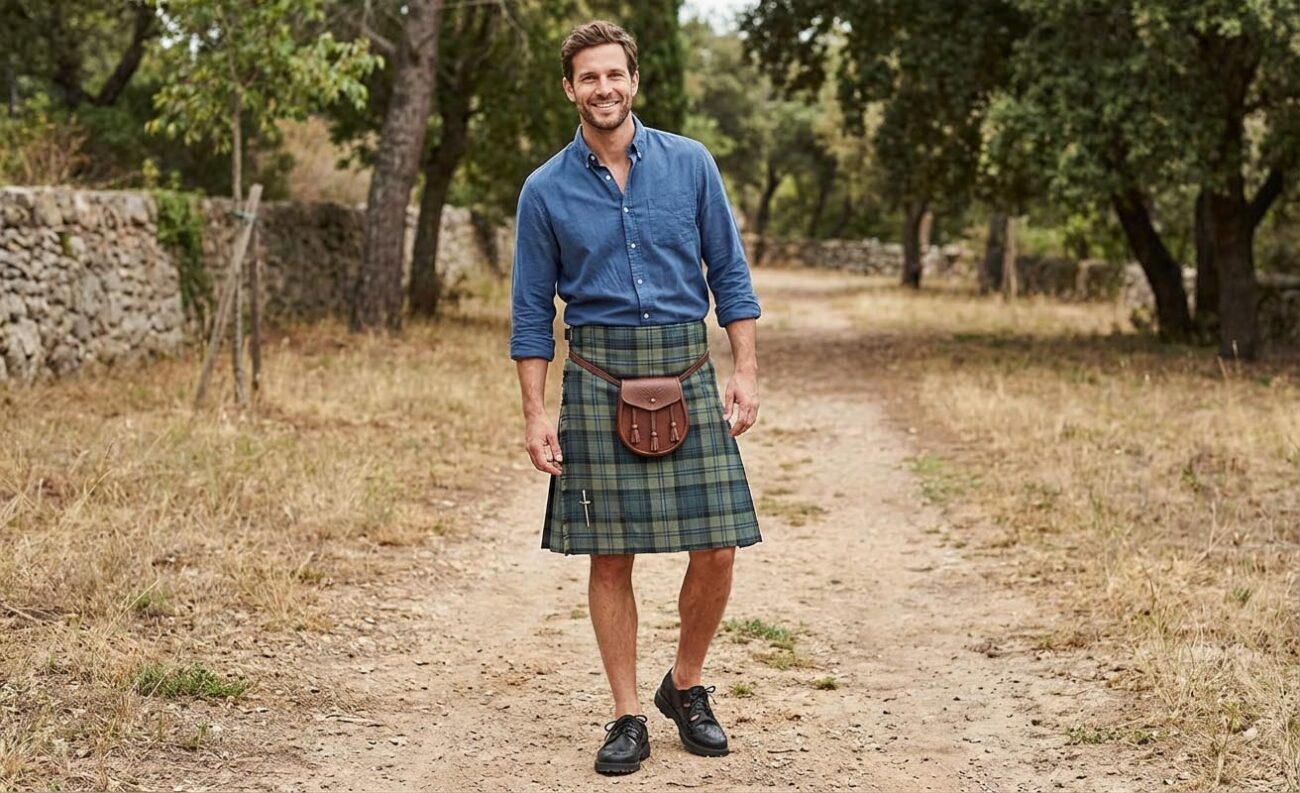
Starting your Highland dress journey doesn’t require breaking the bank, as several quality options exist for budget-conscious buyers. Casual kilts made from poly-viscose or cotton blends typically cost between $80 and $200, offering an affordable entry point for festivals, Renaissance fairs, or informal gatherings. These modern materials provide durability and easy care while mimicking the appearance of traditional wool tartans. Pair your casual kilt with a simple leather day sporran ($40-$70), basic kilt pin ($15-$25), economy kilt hose ($20-$30), and canvas ghillie brogues ($60-$90), and you’ll create a respectable outfit for under $300. Add a simple shirt, and you’re ready for most casual Scottish-themed events without significant financial commitment.
Online retailers frequently offer complete starter packages in this price range, bundling essential items at discounted rates compared to purchasing them individually. These package deals typically include a machine-made kilt in popular tartans like Black Watch or Royal Stewart, plus basic accessories to complete your look. Retailers like Scotland Kilt Collection specialize in these comprehensive starter packages with prices ranging from $250 to $500, providing excellent value for occasional wearers. The savings come from standardized manufacturing processes and bulk purchasing of materials, making Highland dress accessible to broader audiences. While these budget options may not offer the heirloom quality of premium kilts, they serve perfectly well for those wanting to participate in Scottish culture without substantial investment.
Budget Kilt Outfit Shopping Tips:
- Look for seasonal sales and clearance events at major kilt retailers
- Consider poly-viscose kilts that offer durability at lower price points
- Buy starter packages rather than individual components for better value
- Choose popular tartans like Black Watch, which often cost less
- Start with essential pieces only and add accessories gradually
- Check second-hand marketplaces for gently used formal components
Mid-Range Quality Outfits: $500 to $1,200
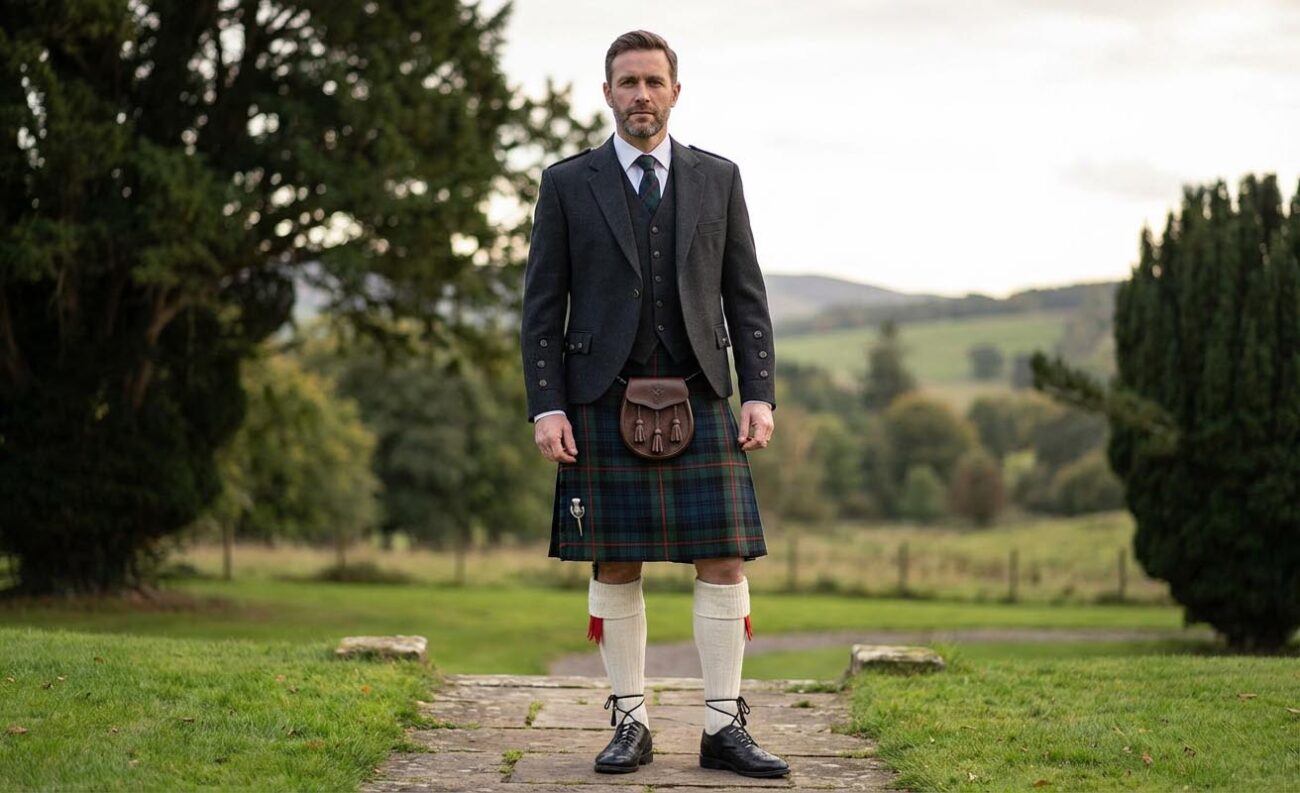
The mid-range category offers the sweet spot for most kilt buyers, balancing quality craftsmanship with reasonable pricing. In this bracket, you’ll find machine-made wool kilts starting around $350, crafted from authentic Scottish tartan fabric that provides proper weight, drape, and durability. These kilts feature proper pleating techniques and use approximately eight yards of material, creating that authentic swing and movement missing from cheaper alternatives. Paired with quality accessories including a leather sporran with basic embellishments ($80-$150), sterling silver kilt pin ($40-$80), wool kilt hose ($30-$50), and leather ghillie brogues ($120-$180), you’ll create an outfit suitable for weddings, formal events, and important celebrations. The total investment typically ranges from $700 to $1,000, depending on your accessory choices and tartan selection.
At this price point, you can also access semi-formal jacket options that elevate your entire ensemble. An Argyll jacket in quality wool or tweed costs approximately $200 to $350, while matching waistcoats add another $80 to $150. These pieces transform your outfit from casual to sophisticated, appropriate for daytime weddings, graduation ceremonies, and Highland games competitions. The versatility of mid-range outfits makes them excellent investments for people who’ll wear their kilt multiple times yearly. Unlike budget options that may show wear after several uses, quality wool kilts with proper care can serve you for decades, actually becoming more cost-effective over time. Many buyers in this category start with essential pieces and gradually upgrade accessories as budget allows, building a comprehensive wardrobe over several years.
Customization options become available in this price range, though they may push you toward the higher end. Some kiltmakers offer personalized tartan selection, allowing you to choose from thousands of registered clan patterns rather than just popular commercial designs. Embroidery services can add your clan name or motto to the jacket lining or waistcoat, creating a more personal connection to your heritage. Stain-proofing treatments (Teflon coating) add about $30 to $50 but provide valuable protection for wool kilts at outdoor events. These customizations enhance both the aesthetic appeal and practical functionality of your outfit while maintaining reasonable overall costs. The key is determining which personalization features matter most to you and allocating budget accordingly, rather than trying to include every available option.
Premium Handcrafted Outfits: $1,200 to $3,000+
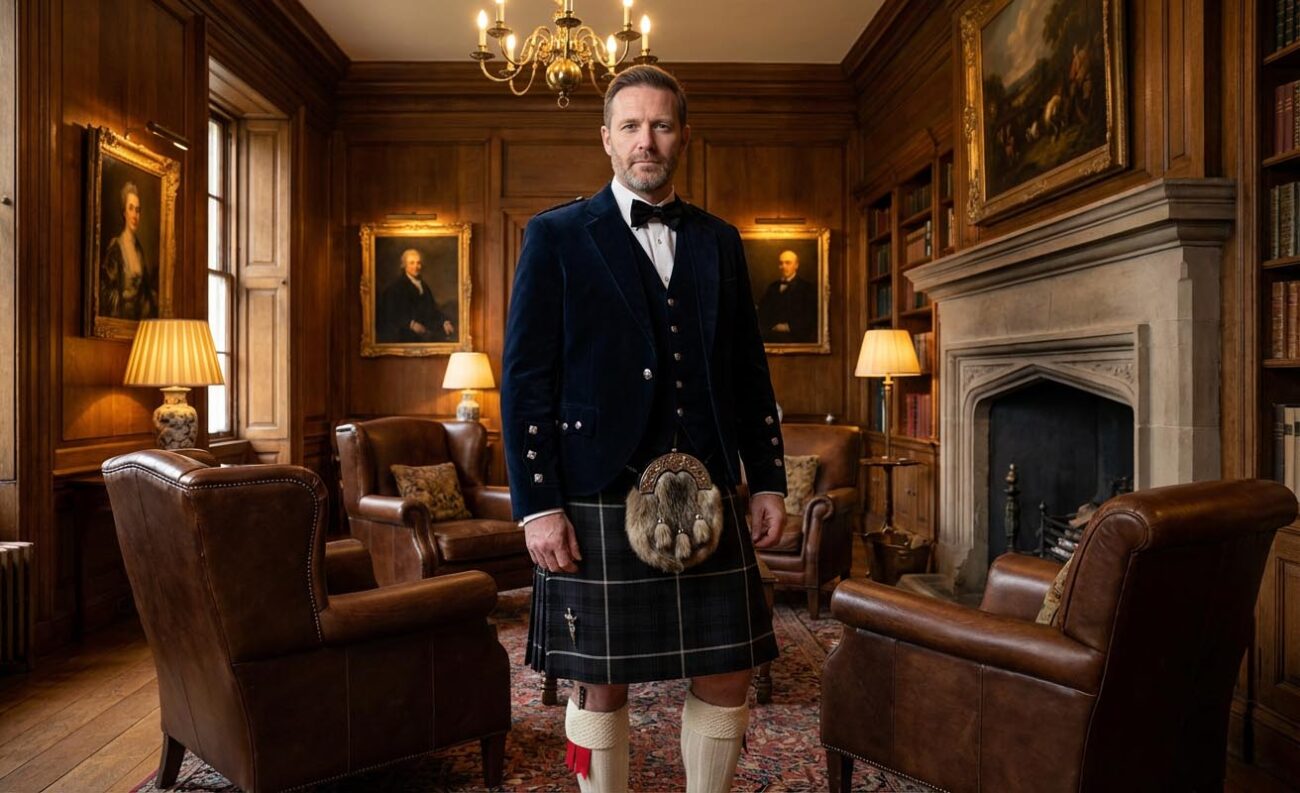
Premium kilt outfits represent the pinnacle of Highland dress craftsmanship, featuring hand-stitched kilts that artisans spend 15 to 20 hours creating specifically for your measurements. These traditional eight-yard wool kilts cost between $800 and $1,500, depending on tartan selection and customization level, but they offer something machine-made versions cannot match: they can be completely unstitched and remade to different measurements in the future. This unique feature means your kilt can accommodate weight changes over decades or even be passed down to children or grandchildren and altered to fit them perfectly. The hand-stitching creates superior pleat definition, better drape, and enhanced durability that allows these kilts to last a lifetime with proper care. Scottish kiltmakers like House of Edgar, Gordon Nicolson, and Kinloch Anderson produce these premium garments using techniques unchanged for centuries.
Accompanying accessories at this level feature exceptional craftsmanship and materials that justify their premium pricing. Dress sporrans with genuine badger or seal fur, ornate silver cantles, and intricate Celtic knotwork cost $250 to $600, representing miniature works of art rather than simple functional pouches. Prince Charlie formal jackets with Barathea wool, silver-plated buttons, and satin lapels range from $400 to $700, while matching waistcoats add $150 to $300. Premium ghillie brogues crafted from quality leather with traditional construction techniques cost $180 to $300. Sterling silver kilt pins, often featuring clan crests or intricate Scottish designs, range from $100 to $250. When assembling a complete formal outfit at this level, expect total costs between $2,000 and $3,500, depending on specific selections and customization depth.
The investment in premium Highland dress makes sense for specific situations and buyers. If you’ll wear your kilt frequently for formal events, the superior comfort, appearance, and longevity justify the higher initial cost. Families with strong Scottish heritage often view premium kilts as cultural heirlooms, passing them through generations along with their historical and emotional significance. Professional Highland dancers, pipers, and those involved in Scottish cultural organizations also benefit from the superior quality and authentic appearance of premium outfits. Additionally, the resale value of handcrafted kilts from prestigious makers remains strong, unlike budget options that depreciate quickly. While the upfront investment seems substantial, calculating the cost per wear over decades reveals that premium kilts often provide better value than repeatedly replacing cheaper alternatives.
Renting vs. Buying: Making the Right Choice
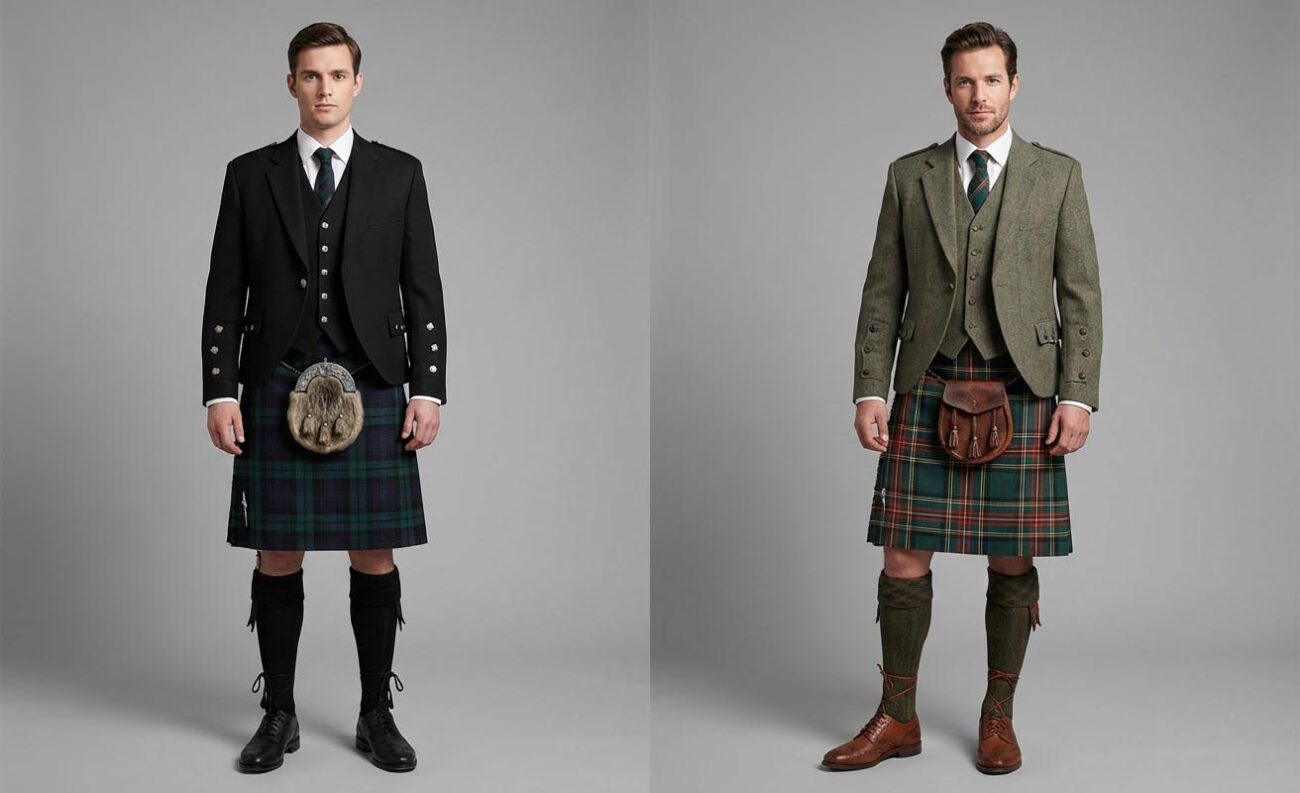
Renting a kilt outfit provides an economical solution for one-time events like being a groomsman at a Scottish wedding or attending a single Highland festival. Rental services typically charge $120 to $250 for a complete outfit, including kilt, jacket, waistcoat, shirt, accessories, and shoes for a weekend. This option eliminates storage concerns and allows you to wear higher-quality formal Highland dress than your budget might allow for purchase. Most rental companies offer fitting appointments where experts ensure proper sizing and provide wearing instructions, which proves invaluable for first-time kilt wearers. Major cities with significant Scottish populations usually have local kilt rental shops, while online services ship outfits nationwide with detailed measurement guides. The convenience and cost savings make renting attractive when you need Highland dress for a specific occasion without a long-term commitment.
However, renting becomes less economical if you wear a kilt more than twice in your lifetime. After two or three rentals totaling $400 to $600, you’ve already approached the cost of purchasing a quality mid-range outfit that you’ll own permanently. Ownership offers numerous advantages beyond economics: you can wear your kilt whenever you choose without planning, you ensure consistent fit and comfort, you build a personal connection with your outfit over time, and you have the option to customize or upgrade components gradually. For people with ongoing involvement in Scottish cultural activities, membership in clan societies, or regular attendance at Highland games, purchasing makes clear financial sense. Even if you only wear your kilt once or twice yearly, ownership over a decade provides substantially better value than repeated rentals.
The hybrid approach offers another strategy worth considering: purchase your kilt and basic accessories while renting a formal jacket and shoes for special occasions. This method lets you own the most personal and important component (your kilt) while avoiding the expense of formal wear you’ll rarely use. Your kilt investment starts at $300 to $600 for quality machine-made wool, and you can wear it casually with a simple shirt, then rent the Prince Charlie jacket and accessories for $80 to $120 when formal events arise. This flexible strategy provides the best of both worlds, building your Highland wardrobe gradually while maintaining access to formal attire when needed. As your involvement in Scottish activities grows, you can slowly purchase formal components rather than facing the entire cost at once.
Hidden Costs and Additional Expenses to Consider
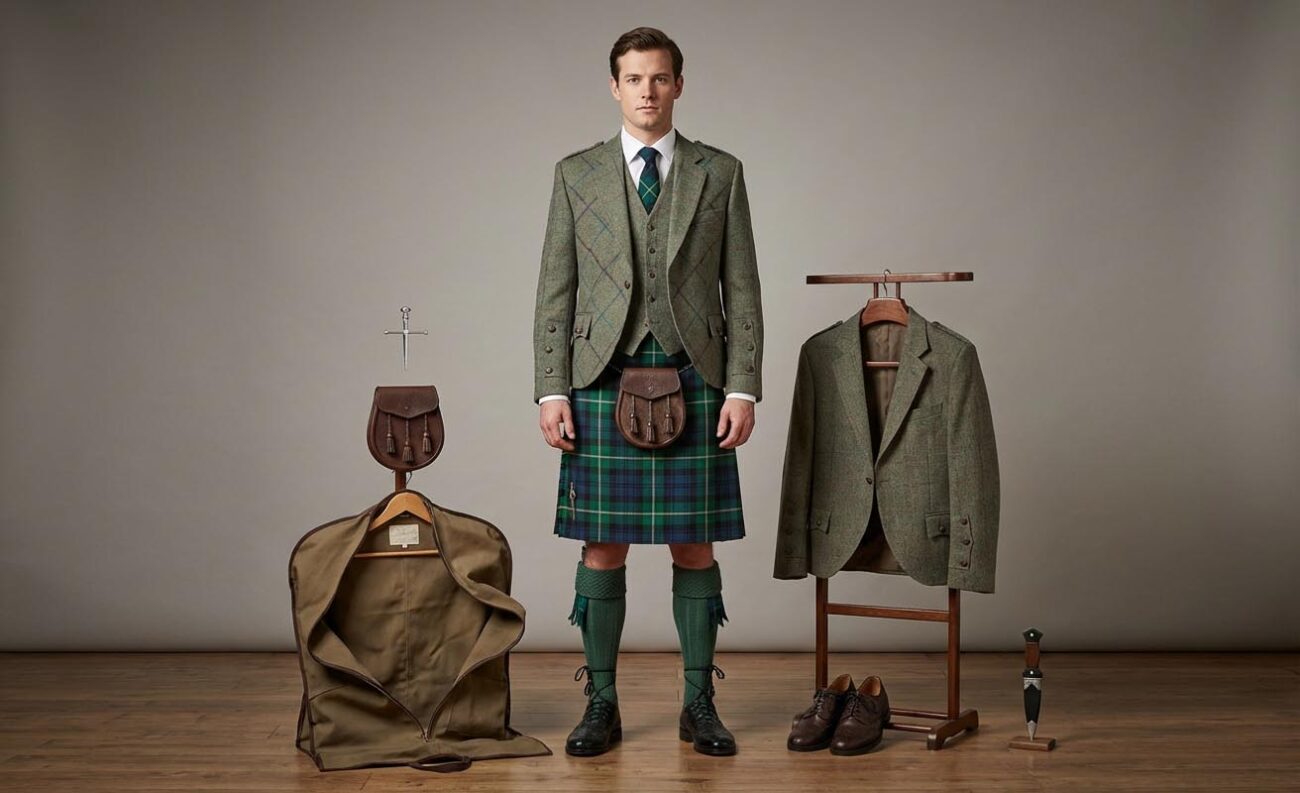
Beyond the obvious components, several additional expenses can catch unprepared buyers off guard when building a kilt outfit. Alterations and adjustments often add $30 to $100 to your total, especially if you’re between standard sizes or have specific fit requirements. Many kiltmakers include basic hemming in their prices, but substantial modifications like taking in the waist, adjusting rise, or changing strap positions incur extra charges. Professional alterations ensure your kilt hangs properly and feels comfortable throughout long events, making these costs worthwhile investments. If you gain or lose significant weight, machine-made kilts may need complete replacement, while hand-stitched kilts can be professionally remade for $150 to $300, still much less than purchasing new.
Proper care and maintenance represent ongoing costs that preserve your investment’s longevity. Wool kilts require professional dry cleaning rather than home washing, with typical costs of $15 to $30 per cleaning depending on your location. Plan on cleaning your kilt after every two or three wears to remove body oils, food stains, and environmental dirt that can damage fibers over time. Storage solutions like proper kilt hangers ($20-$40) prevent crease damage and maintain pleat definition between wearings. Leather sporrans need occasional conditioning ($10-$20 for quality products) to prevent cracking and maintain suppleness. Metal accessories, including pins, belt buckles, and sgian dubhs, benefit from periodic polishing ($5-$15 for silver polishes) to maintain their lustrous appearance. These maintenance costs seem minor individually, but add up overthe years of ownership.
Shipping expenses vary significantly depending on where you purchase and your location. Buying from Scottish kiltmakers often incurs international shipping charges of $50 to $150, plus potential customs duties and import taxes that can add another 10% to 20% to your order total. Domestic purchases usually include free shipping on complete outfit packages, but individual components may have $10 to $30 shipping fees. Rush orders or expedited delivery for time-sensitive events like weddings can add $40 to $100 in premium shipping costs. Insurance on valuable shipments, while optional, provides peace of mind for expensive handcrafted kilts and costs approximately 2% to 3% of the item value. Budget these additional expenses into your planning to avoid unpleasant surprises when your final invoice arrives.
Additional Cost Factors:
- Professional kilt fitting appointments: $50-$100 (often credited toward purchase)
- Custom tartan design services: $200-$500 for unique family patterns
- Embroidery and personalization: $30-$150, depending on complexity
- Protective garment bags and storage: $25-$75 for quality options
- Insurance for valuable handcrafted pieces: 1-3% of total value annually
- Replacement accessories as items wear out overthe years
Money-Saving Strategies for Smart Kilt Buyers
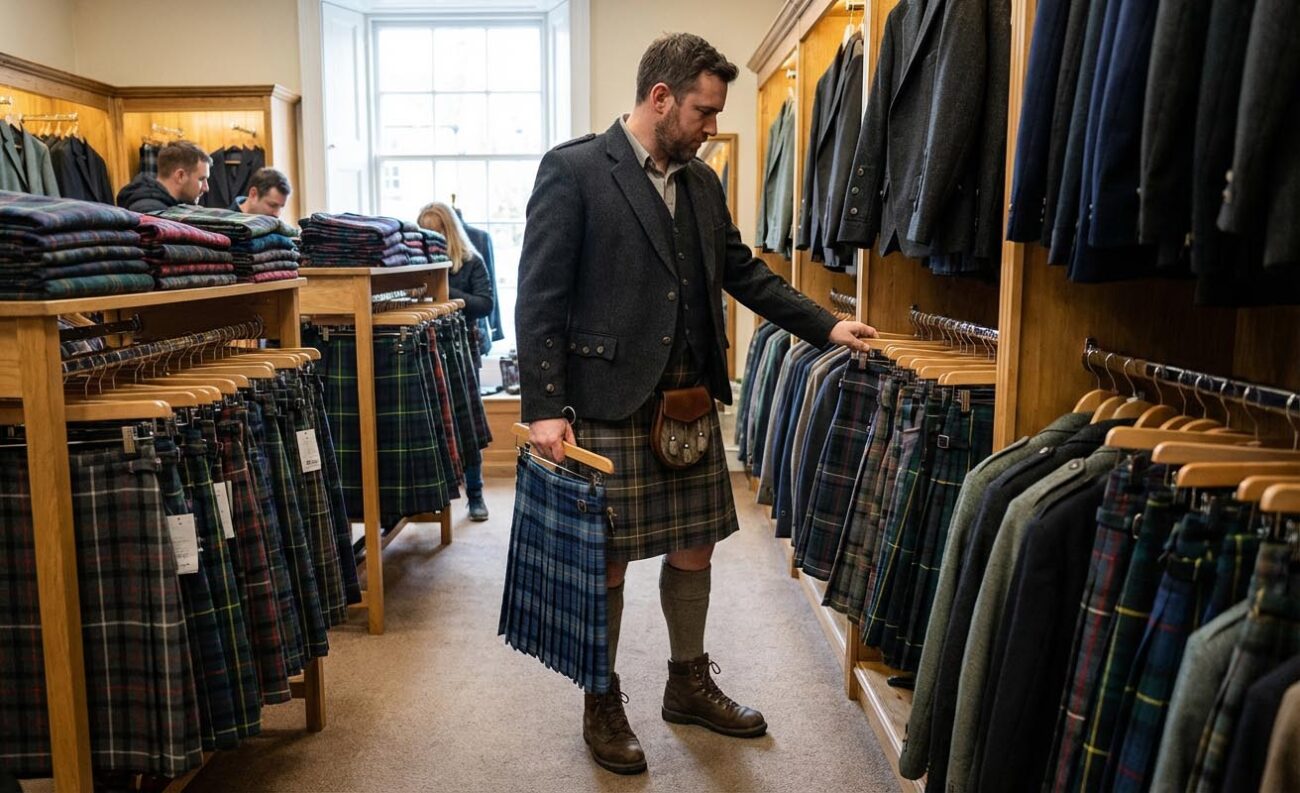
Timing your purchase strategically can yield significant savings, as many kilt retailers offer seasonal promotions and sales events. Black Friday through Cyber Monday typically brings discounts of 15% to 30% on complete outfit packages, while January clearance sales help retailers move inventory from the holiday season. The summer months before peak wedding season sometimes feature promotional pricing to encourage early orders. Sign up for email newsletters from your favorite kilt suppliers to receive advance notice of sales and exclusive coupon codes. Some companies offer first-purchase discounts ranging from 10% to 15% for new customers, effectively reducing your initial investment by $50 to $200 on a complete outfit. These savings strategies require patience and planning rather than last-minute purchases, but the financial benefits make advance shopping worthwhile.
The second-hand market provides another avenue for substantial savings on quality Highland dress. Established kilts often appear on eBay, Craigslist, Facebook Marketplace, and specialty Scottish forums at 40% to 60% below retail prices. Wedding groomsmen who purchased kilts for a single event frequently sell barely worn outfits at significant discounts, offering you premium quality at mid-range prices. Reputable dealers like Thistle Kilt Rentals and Scottish Treasures specialize in authenticated pre-owned Highland dress, providing quality assurance that private sellers cannot match. When buying second-hand, verify the kilt’s condition carefully, checking for moth damage, stains, worn areas at stress points, and overall fabric integrity. Ensure measurements match your needs, as alteration costs can quickly eliminate your savings if the kilt requires substantial modification.
Building your outfit gradually rather than purchasing everything simultaneously spreads costs over time while allowing you to prioritize spending on the most important components. Start with a quality kilt and basic accessories, then add a formal jacket and shoes for your first major event. Purchase your sporran next, followed by a waistcoat, then gradually accumulate optional items like sgian dubh and specialized accessories. This incremental approach prevents overwhelming initial expenses while letting you learn which pieces you’ll actually use regularly. You might discover that a semi-formal Argyll jacket serves all your needs, allowing you to skip the expensive Prince Charlie entirely. Or perhaps you’ll wear your kilt casually most often, making that premium formal sporran an unnecessary expense. Gradual acquisition teaches you about your actual Highland dress preferences before committing significant funds to specialized items.
How Tartan Selection Affects Your Overall Cost
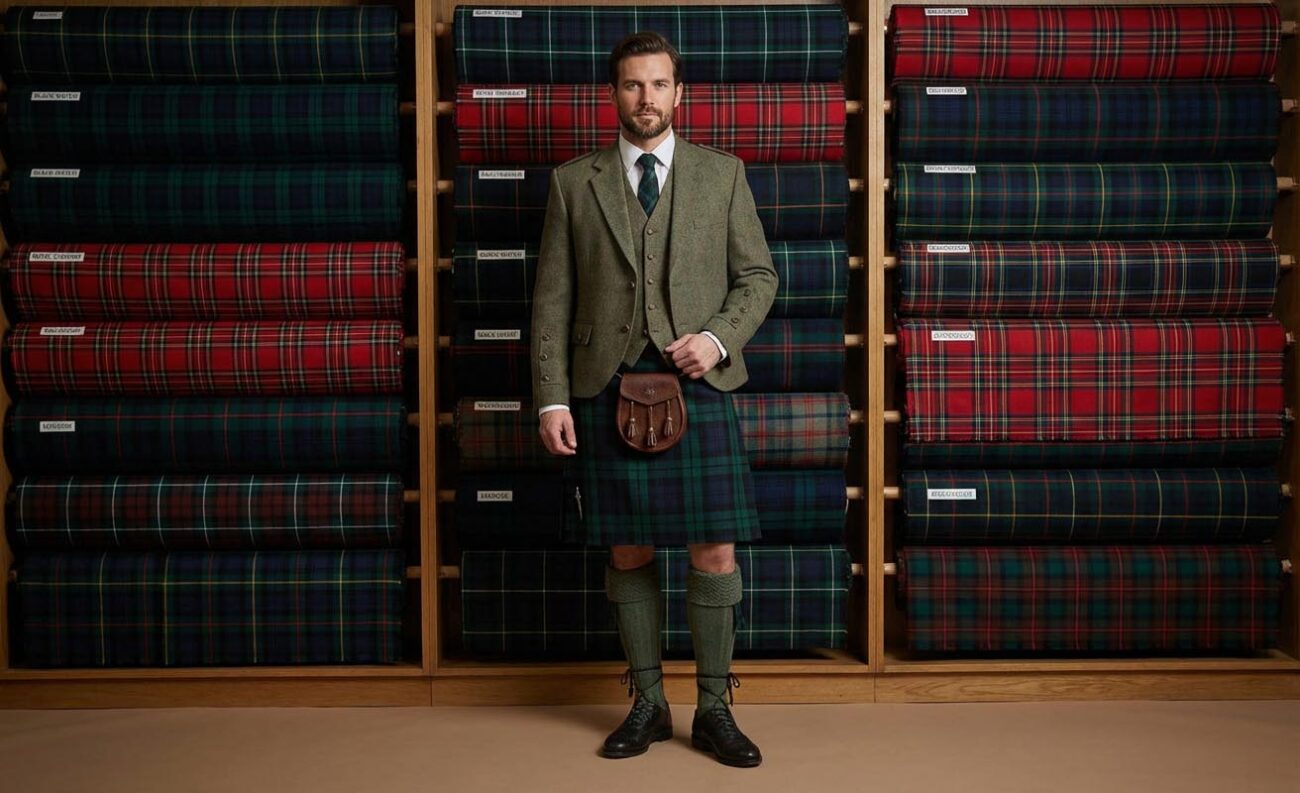
Your chosen tartan pattern significantly impacts your kilt’s base price, as different designs carry varying charges depending on their availability, complexity, and origin mill. Popular tartans like Black Watch, Royal Stewart, and Ancient Hunting Stewart typically have no surcharges because mills maintain continuous production due to high demand. These common patterns often provide the most affordable option for budget-conscious buyers. Conversely, rare clan tartans with limited production runs, especially those from premium Scottish mills like Lochcarron or DC Dalgliesh, may carry surcharges of $50 to $200 above base kilt prices. District tartans, fashion tartans, and newly registered designs fall somewhere between these extremes, with surcharges ranging from $20 to $100 depending on their popularity and manufacturing complexity.
Some prestigious clan tartans require official authorization before purchase, adding bureaucratic steps and potential verification fees to your buying process. Ancient clan families like MacLeod, MacDonald, or Campbell may restrict certain dress tartans to verified clan members, requiring documentation proving your lineage connection. This authentication process, while preserving cultural heritage, can delay your order by several weeks and sometimes incurs research fees if you need genealogical verification services. Modern and hunting versions of these restricted tartans typically remain available to general purchasers, providing accessible alternatives without authorization requirements. Understanding these restrictions before ordering prevents disappointment and delays, especially if you’re purchasing for a time-sensitive event like a wedding.
The tartan’s thread count and complexity also influence manufacturing costs that mills pass along to consumers. Intricate patterns requiring multiple color changes and precise thread counting take longer to weave, increasing production costs by 15% to 40% compared to simpler designs. Symmetric patterns weave more efficiently than asymmetric ones, potentially saving $30 to $80 on your final kilt price. If budget concerns outweigh pattern specificity, choosing a simpler tartan from your preferred color family provides similar aesthetic results at reduced cost. Alternatively, consider district or regional tartans rather than specific clan patterns, as these broader designs usually carry lower surcharges while still connecting you to Scottish geographic heritage. Your kiltmaker can guide you toward cost-effective tartan selections that maintain visual appeal while respecting your budget parameters.
Understanding Kilt Weight and Material Quality
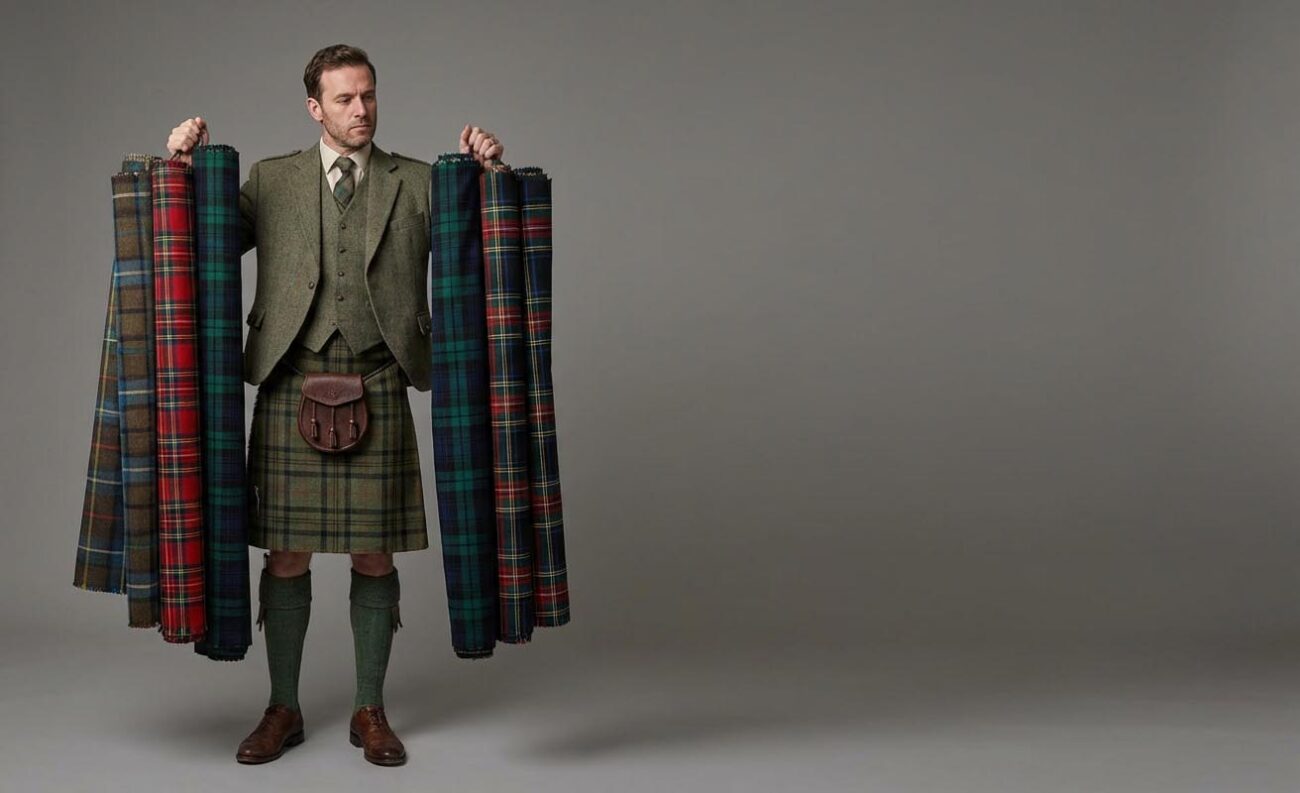
Kilt fabric weight, measured in ounces per yard, dramatically affects both price and wearing experience, with heavier materials generally commanding premium prices. Lightweight 11-ounce cloth serves well for ladies’ kilts, children’s kilts, and warm-climate wearing, typically reducing costs by $50 to $100 compared to standard weights. Medium 13-ounce fabric represents the most versatile choice, offering year-round comfort and durability at mid-range pricing suitable for most buyers. Traditional heavyweight 16-ounce cloth creates that iconic, substantial swing and drape that kilt enthusiasts cherish, but adds $80 to $150 to your kilt cost due to increased material usage and weaving complexity. Regimental 19-ounce cloth, once standard for military kilts, now appears rarely in civilian dress and carries significant premium pricing when available. Your climate, intended use frequency, and personal preference should guide your weight selection more than cost considerations alone.
Material composition matters as much as weight when evaluating kilt quality and pricing. Pure worsted wool from Scottish mills represents the gold standard, offering durability, proper drape, breathability, and an authentic appearance that synthetic alternatives cannot match. These traditional materials cost $600 to $1,200 for hand-stitched kilts but provide decades of service with proper care. Poly-viscose blends, while more affordable at $80 to $250, sacrifice some authenticity and breathability but offer easier care and stain resistance, beneficial for active outdoor events. Acrylic kilts, the budget option starting around $50, work adequately for costume purposes but lack the weight, drape, and temperature regulation of natural fibers. Cotton kilts occupy a middle ground, providing natural fiber benefits at $150 to $350 while offering machine washability that wool cannot match.
The mill source significantly impacts your tartan’s quality, color accuracy, and longevity, even when using identical patterns. Premium Scottish mills like DC Dalgliesh, Lochcarron of Scotland, and Strathmore employ traditional weaving techniques and quality control standards that produce superior fabrics commanding higher prices. Their tartans feature more vibrant colors that resist fading, tighter weaves that prevent snags and pulls, and better dimensional stability that maintains pleat definition over decades. Budget mills producing economy tartans may use thinner threads, lower-quality dyes, and less stringent quality control, resulting in fabrics that show wear more quickly despite identical patterns. The price difference between premium and economy tartans ranges from $100 to $300 on a finished kilt, but the longevity difference can exceed ten years of active wear. For kilts you’ll treasure as heirlooms, premium mill fabrics justify their cost through superior performance and durability.
Regional Price Variations and Where to Buy
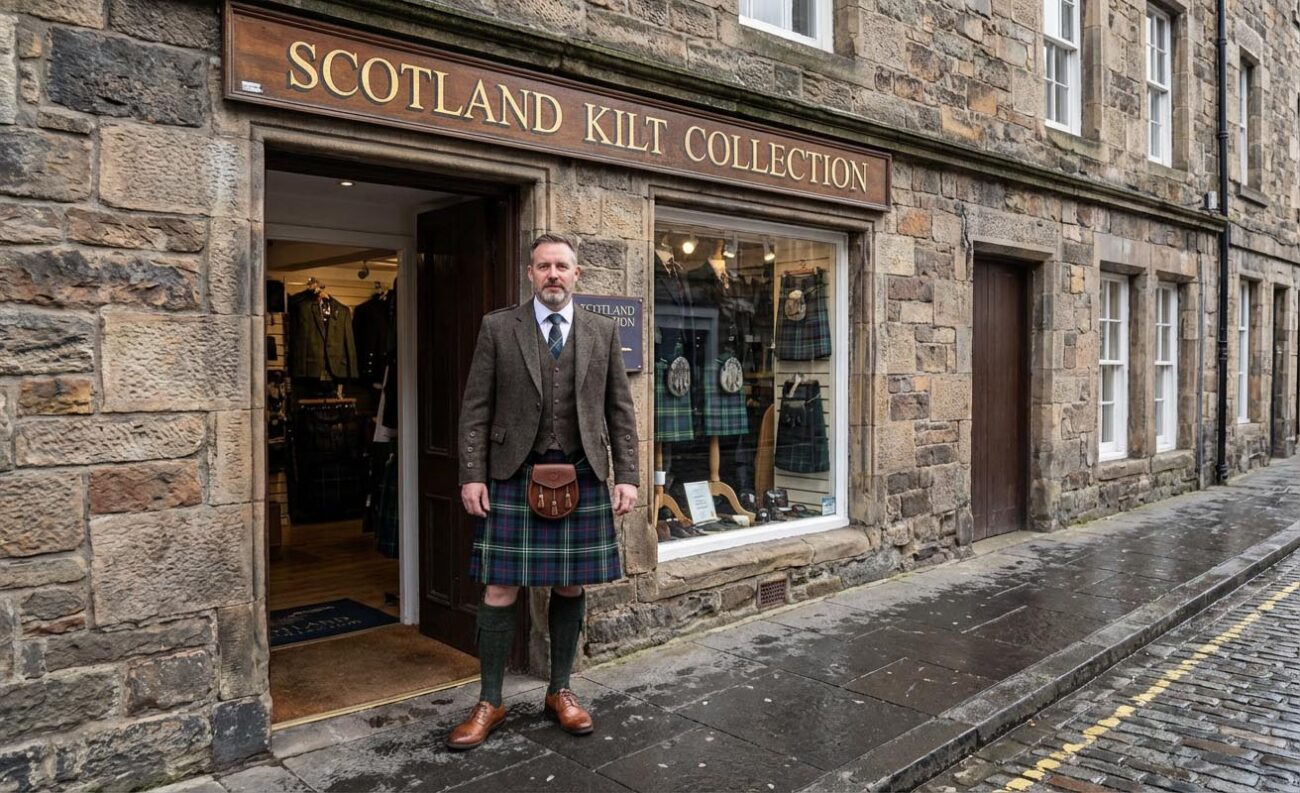
Geographic location substantially affects kilt outfit costs due to shipping expenses, local market conditions, and retailer overhead differences. Purchasing directly from Scottish kiltmakers offers authentic craftsmanship and access to the widest tartan selections but requires international shipping ($50-$150), potential customs duties (0-20% of value), and extended delivery times of four to twelve weeks for custom work. Major Scottish retailers like Geoffrey (Tailor) Highland Crafts, MacGregor and MacDuff, and Gordon Nicolson Kiltmakers provide exceptional quality, but their prices reflect premium positioning and overseas logistics. Budget an additional 15% to 25% above quoted prices for these extra costs when buying internationally, though the unmatched authenticity may justify the premium for serious enthusiasts.
American and Canadian kilt retailers eliminate international shipping complications while offering competitive pricing on locally manufactured options. Scotland Kilt Collection stands out as a trusted supplier providing quality kilts with excellent customer service and competitive pricing that rivals Scottish imports once all costs are factored in. Their advantage lies in easier returns, faster shipping, and no customs delays or duties. Similarly, Canadian companies like Burnett’s and Struth in Toronto serve North American markets efficiently with prices in local currency and reasonable shipping costs. These regional manufacturers may source tartan fabric from Scottish mills or use domestic weaving, affecting authenticity levels and pricing. Typically, locally made kilts cost 10% to 20% less than Scottish imports before considering shipping, making them attractive options for budget-conscious buyers.
Online marketplaces like Amazon, eBay, and Etsy offer extremely variable pricing and quality, requiring careful evaluation before purchasing. Budget options starting under $100 frequently come from overseas manufacturers producing costume-grade kilts with minimal fabric and poor construction that won’t withstand regular wear. However, reputable sellers like Sport Kilt, Celtic Craft, and Scottish Heritage use these platforms to reach broader audiences while maintaining quality standards. Read customer reviews extensively, verify seller ratings and return policies, and examine product photos critically before ordering. The lack of personal fitting and customization limits online marketplace purchases to more casual applications, though some vendors offer made-to-measure services through detailed measurement guides. These platforms work best for experienced kilt wearers who understand sizing and quality markers rather than first-time buyers needing guidance and support.
Customization Options and Their Cost Impact
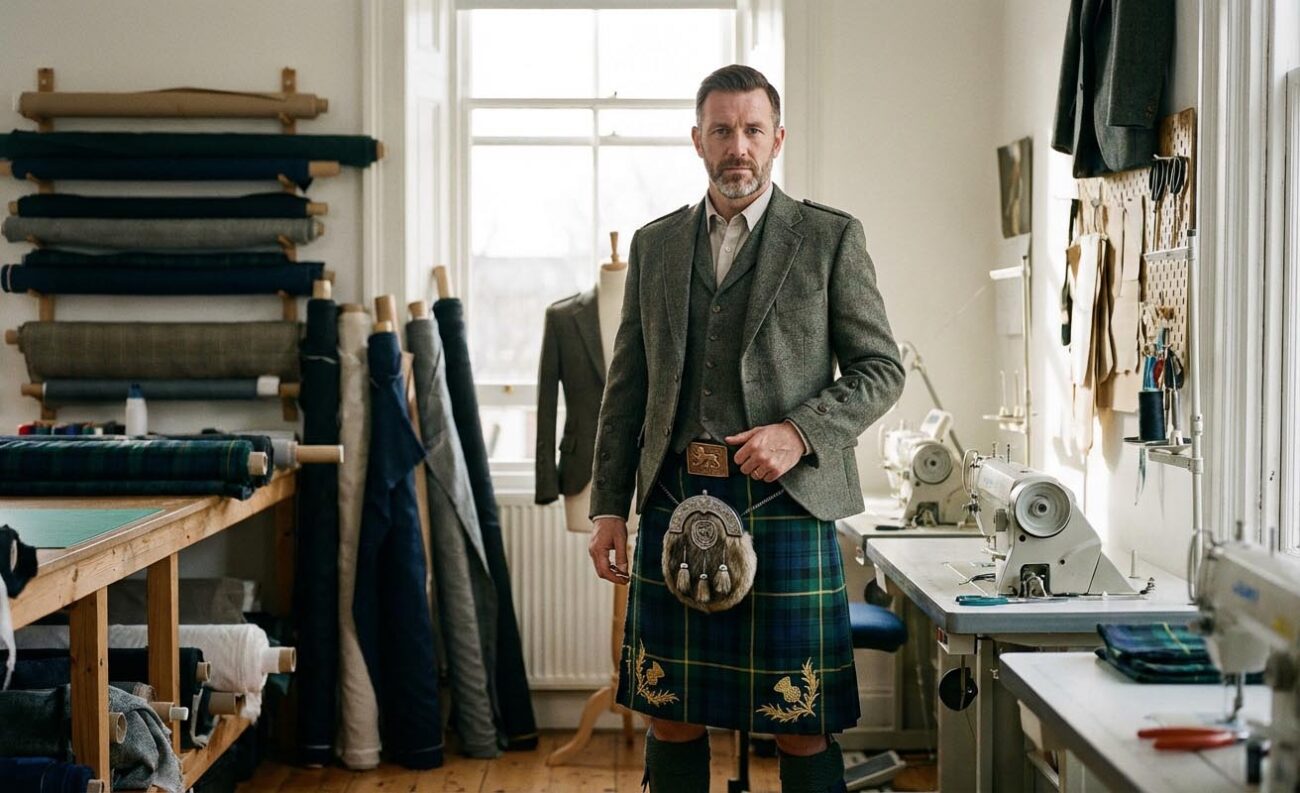
Personalization features allow you to create a truly unique kilt that reflects your heritage and preferences, though each customization adds incrementally to your base cost. Pleating style selection forms the most fundamental customization, with knife pleating (pleats follow the tartan sett) and box pleating (pleats create a striped appearance) available at no extra charge from most makers. However, specific pleat depths, widths, or custom pleating patterns to highlight particular tartan elements may incur $30 to $80 in additional labor charges. Double-width pleating creates a more traditional, fuller appearance using extra fabric, adding approximately $100 to $150 to your kilt cost. These subtle customizations significantly impact your kilt’s final aesthetic while remaining invisible to casual observers, making them worthwhile investments for discerning buyers who appreciate craftsmanship details.
Embroidery services provide obvious personalization through visible text and imagery added to your Highland dress components. Clan names or mottos embroidered on jacket linings typically cost $40 to $80, while more elaborate work on waistcoat backs or visible jacket areas ranges from $80 to $200, depending on complexity. Celtic knotwork, thistle patterns, or family crests can be added to sporrans ($50-$150) or incorporated into custom belt designs ($60-$120). These decorative elements transform standard Highland dress into distinctly personal statements connecting you to your heritage. Machine embroidery costs less than hand embroidery but provides precise, durable results suitable for most applications. Hand-embroidered work by skilled artisans creates true artwork but costs two to three times more and requires longer production times.
Practical customizations enhance your kilt’s functionality while adding modest costs to your investment. Interior pockets allow you to carry items discreetly without relying solely on your sporran, with prices ranging from $25 to $50 per pocket, depending on size and placement. Reinforced belt loops prevent strap pull-through over years of wear, adding $15 to $30 in extra stitching labor. Teflon or Scotchgard protective coating repels water and stains, particularly valuable for outdoor events, costing approximately $30 to $60 for professional application. Under-kilt shorts or flashes in matching tartan provide modesty and comfort, available for $20 to $60 depending on material quality. These functional additions may seem unnecessary initially, but their utility becomes apparent through regular use, making them worthwhile considerations during your initial purchase, when combining multiple customizations often yields package discounts.
Caring for Your Investment: Maintenance Costs Over Time
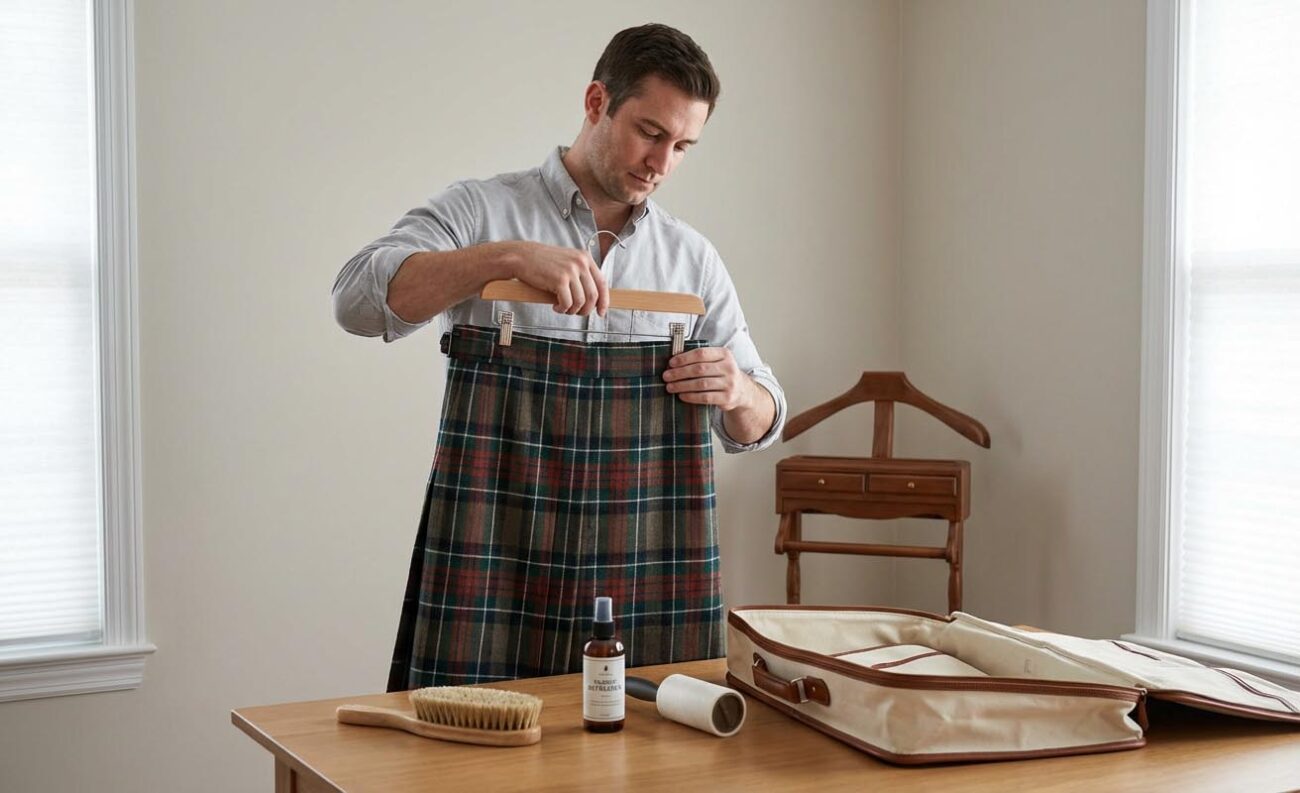
Proper kilt maintenance preserves your investment’s appearance and longevity while preventing expensive repairs or premature replacement. Professional dry cleaning represents the highest ongoing cost, necessary after every two to four wears, depending on activity level and environmental conditions. Quality cleaners experienced with wool kilts charge $18 to $35 per cleaning, with specialty kilt cleaning potentially costing slightly more in areas with limited Scottish cultural presence. Never attempt home washing on wool kilts, as hot water causes irreversible shrinking and felting that ruins your garment. Between cleanings, air out your kilt after each wear by hanging it in a well-ventilated area, and use a clothing brush to remove surface dirt and debris. This simple maintenance routine extends the time between professional cleanings, reducing annual care costs substantially.
Storage solutions protect your kilt from damage during periods between wearing, preventing costly repairs from preventable problems. Invest in a proper kilt hanger ($25-$45) that supports the garment’s weight across the entire waistband rather than single-point hanging that stretches fabric and distorts pleats. Cedar storage bags or chests ($40-$120) protect against moth damage, a significant concern for wool garments in many climates. Add cedar blocks or lavender sachets ($10-$20) for additional moth deterrent and pleasant fragrance. Store your kilt in a cool, dry location away from direct sunlight that fades colors over time. These protective measures seem like unnecessary expenses initially, but they prevent damage costing hundreds of dollars to repair or requiring complete garment replacement.
Accessory maintenance adds smaller but regular expenses to your Highland dress budget over the years of ownership. Leather sporrans need conditioning every six to twelve months using quality leather care products ($10-$25) to prevent cracking and maintain suppleness. Metal components, including kilt pins, belt buckles, sgian dubh hilts, and jacket buttons, tarnish over time, requiring polishing ($8-$15 for quality silver polish) to restore their original luster. Ghillie brogues benefit from regular leather care and occasional resoling ($60-$100) after extensive wear rather than complete replacement. Kilt hose eventually develop holes or lose elasticity, requiring replacement every two to five years at $30 to $60 per pair. Budget approximately $100 to $200 annually for comprehensive outfit maintenance if you wear your Highland dress regularly, less if you only bring it out for occasional special events.
Making Your Final Decision: Which Option Is Right for You?
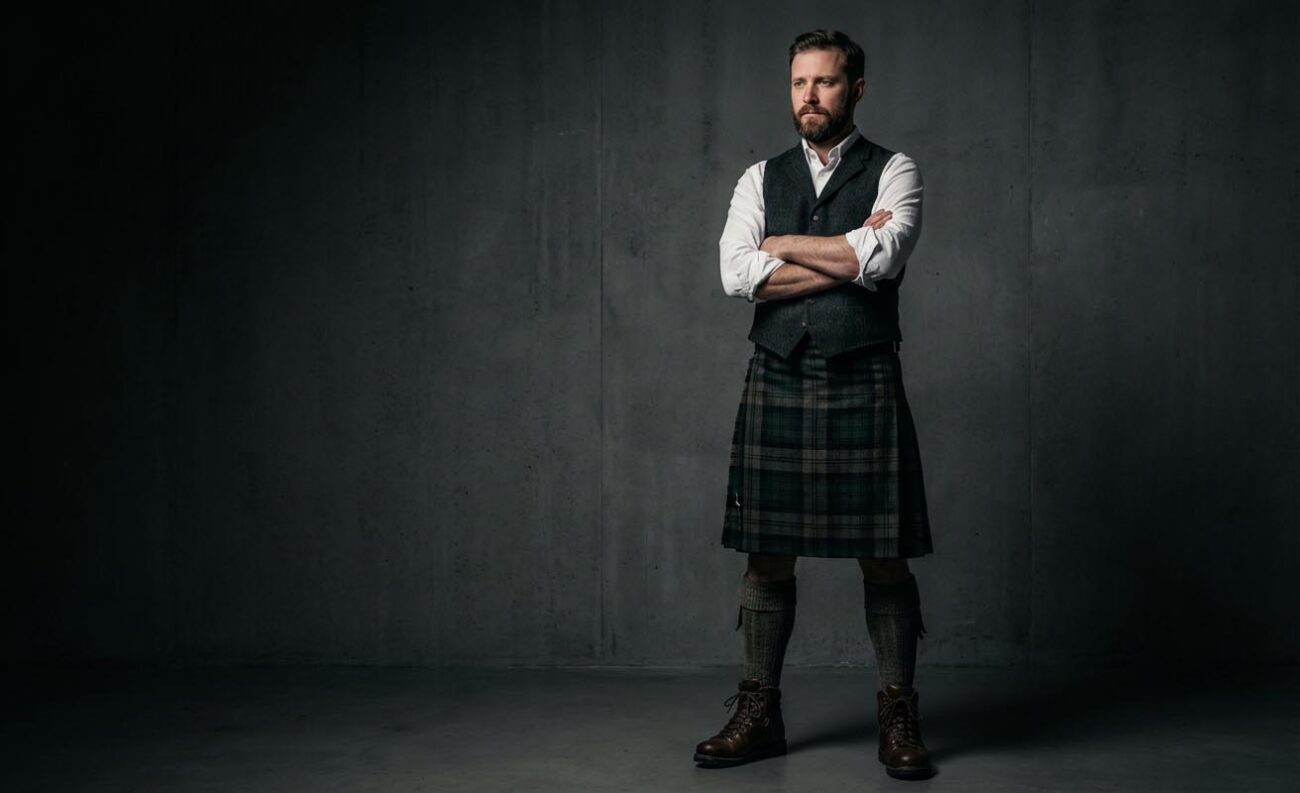
Determining your optimal kilt outfit investment requires an honest assessment of your intended use frequency, budget constraints, and long-term involvement in Scottish cultural activities. For single-event attendance, like being a wedding guest or participating in a one-time cultural festival, renting provides the most economical solution at $120 to $250 for the weekend. This option eliminates storage concerns and lets you experience formal Highland dress without financial commitment. However, if you anticipate wearing a kilt even twice within five years, purchasing a budget outfit at $300 to $600 provides better value than multiple rentals while allowing you to build your Highland wardrobe gradually. Consider your realistic wear frequency honestly, rather than optimistic assumptions that may never materialize.
Your connection to Scottish heritage influences how much you should invest in Highland dress quality and authenticity. People with strong clan ties, family history, or genealogical connections to Scotland often view premium kilt outfits as cultural heirlooms worth substantial investment. Hand-stitched kilts from Scottish artisans at $800 to $1,500, paired with quality accessories totaling $2,000 to $3,000 for complete formal outfits, preserve tradition and can be passed through generations. These pieces appreciate in sentimental value even as they depreciate financially, making them worthwhile for families committed to maintaining cultural connections. Conversely, if you’re simply interested in Scottish culture without direct lineage, mid-range or budget options serve perfectly well for participation in Highland games, festivals, and social events without the premium investment.
Budget realities ultimately determine what you can afford, regardless of desires or heritage connections. Create a realistic spending limit before shopping, then prioritize components within that constraint rather than stretching finances uncomfortably. Perhaps you invest in a quality wool kilt at $400 to $600 while economizing on accessories with budget sporrans and shoes totaling $150 to $250. Or maybe you purchase a complete budget outfit now at $350, then gradually upgrade individual pieces as finances allow over several years. The beauty of Highland dress lies in its modular nature, allowing you to build your perfect outfit incrementally rather than requiring a complete purchase simultaneously. Whatever your budget, authentic options exist that let you participate in Scottish culture while respecting your financial limitations.
- Have I honestly assessed how often I’ll realistically wear my kilt?
- Does renting for specific events make more financial sense than buying?
- What’s my firm’s maximum budget, including all accessories and hidden costs?
- Do I need formal Highland dress or will casual pieces serve my purposes?
- Should I invest in quality now or start budgeting and upgrading later?
- Have I researched reputable vendors with good customer reviews?
- Do I understand proper kilt care requirements and ongoing maintenance costs?
- Am I comfortable with the total investment considering other financial priorities?
Conclusion: Investing in Your Highland Heritage
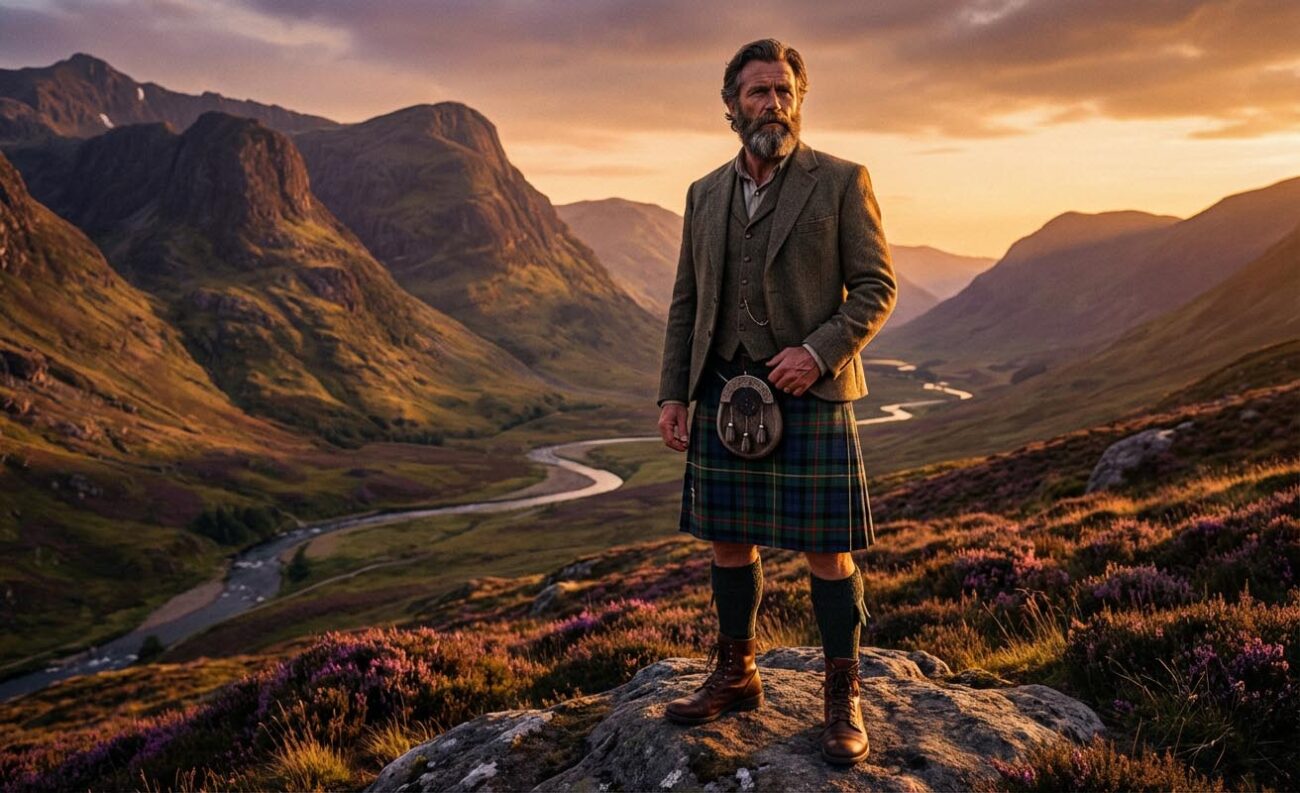
Understanding kilt outfit costs empowers you to make informed decisions that balance quality, authenticity, and budget constraints while avoiding common pitfalls that first-time buyers encounter. Whether you invest $250 in a rental for a single event, $600 in a quality mid-range outfit for occasional wear, or $2,500 in a premium handcrafted ensemble that becomes a family heirloom, options exist for every situation and financial capability. The key lies in matching your purchase to your actual needs rather than aspirational ideals that may never materialize, allowing you to participate authentically in Scottish culture at whatever level works for your circumstances.
Remember that Highland dress represents more than just clothing; it connects you to centuries of tradition, cultural identity, and community belonging that transcends mere fashion. A well-chosen kilt outfit provides decades of service, attending weddings, celebrating holidays, participating in Highland games, and creating memories that outlast the garment itself. The initial investment, whether modest or substantial, pays dividends through years of wear and the confidence that comes from presenting yourself in authentic traditional attire. Take time to research vendors thoroughly, understand exactly what you’re purchasing, and buy from reputable sources that stand behind their products with solid warranties and customer service.
Your journey into Highland dress ownership begins with education and ends with action. Use this guide’s information to evaluate options confidently, ask informed questions when consulting with kiltmakers, and recognize quality markers that separate excellent investments from disappointing purchases. Whether you’re honoring your Scottish heritage, participating in cultural celebrations, or simply appreciating beautiful traditional clothing, the right kilt outfit awaits at a price point matching your needs. Step forward with confidence, knowing you understand the true costs and value propositions that Highland dress offers in 2026.