

Blog
How Much Do Bagpipes Cost? Complete Price Guide for Beginners and Professionals

Bagpipes hold a special place in musical tradition, representing cultural heritage from Scotland to various parts of the world. Whether you’re drawn to the haunting melodies of Highland pipes or the unique sounds of other regional variants, understanding the financial investment is essential before making a purchase. The price varies significantly based on quality, materials, craftsmanship, and intended use. This comprehensive guide will help you navigate the market and find the right instrument within your budget, ensuring you make an informed decision that aligns with your musical goals.
Understanding Price Ranges and What You Get
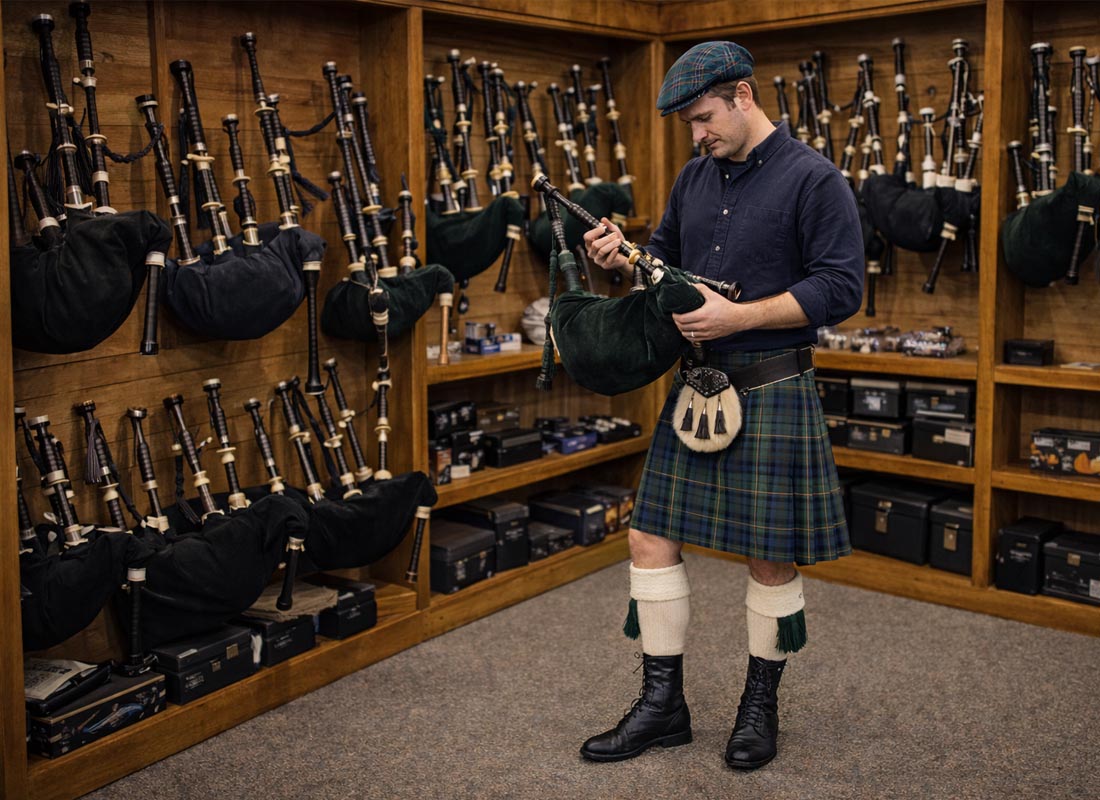
The financial investment for these traditional instruments can range dramatically, from as low as $150 for practice chanters to over $5,000 for professional-grade sets. To help you understand the different price categories, here’s a quick overview:
| Category | Price Range | Best For |
|---|---|---|
| Practice Chanter | $150 – $400 | Absolute beginners learning basics |
| Entry-Level | $600 – $1,200 | New pipers, first full set |
| Mid-Range | $1,200 – $2,500 | Intermediate players, band members |
| Professional | $3,000 – $5,000+ | Advanced players, competitors |
For beginners looking at entry-level Great Highland Pipes, expect to spend between $600 and $1,200. Mid-range instruments suitable for intermediate players typically fall between $1,200 and $2,500, while professional sets from renowned makers can exceed $3,000 to $5,000 or more. These price differences reflect variations in wood quality, craftsmanship, tuning stability, and tonal characteristics that become more apparent as you advance in your playing journey.
Practice chanters, which are essential learning tools for mastering fingering and technique before moving to full pipes, are considerably more affordable. Quality practice chanters range from $150 to $400, making them an accessible starting point for aspiring pipers. Many instructors strongly recommend beginning with this approach for at least six months to a year before investing in the complete instrument, which makes financial sense for those unsure about long-term commitment. This gradual approach also allows you to develop muscle memory and basic skills without the complexity of managing drones and a bag simultaneously.
The learning curve for this instrument is steep, and rushing into an expensive purchase can lead to buyer’s remorse if you discover the commitment required isn’t something you’re prepared for. Starting small allows you to gauge your interest and dedication before making a substantial financial commitment. Many music schools and instructors offer rental programs or loaner instruments for beginners, providing another avenue to explore before purchasing your own set.
Factors That Determine Pricing
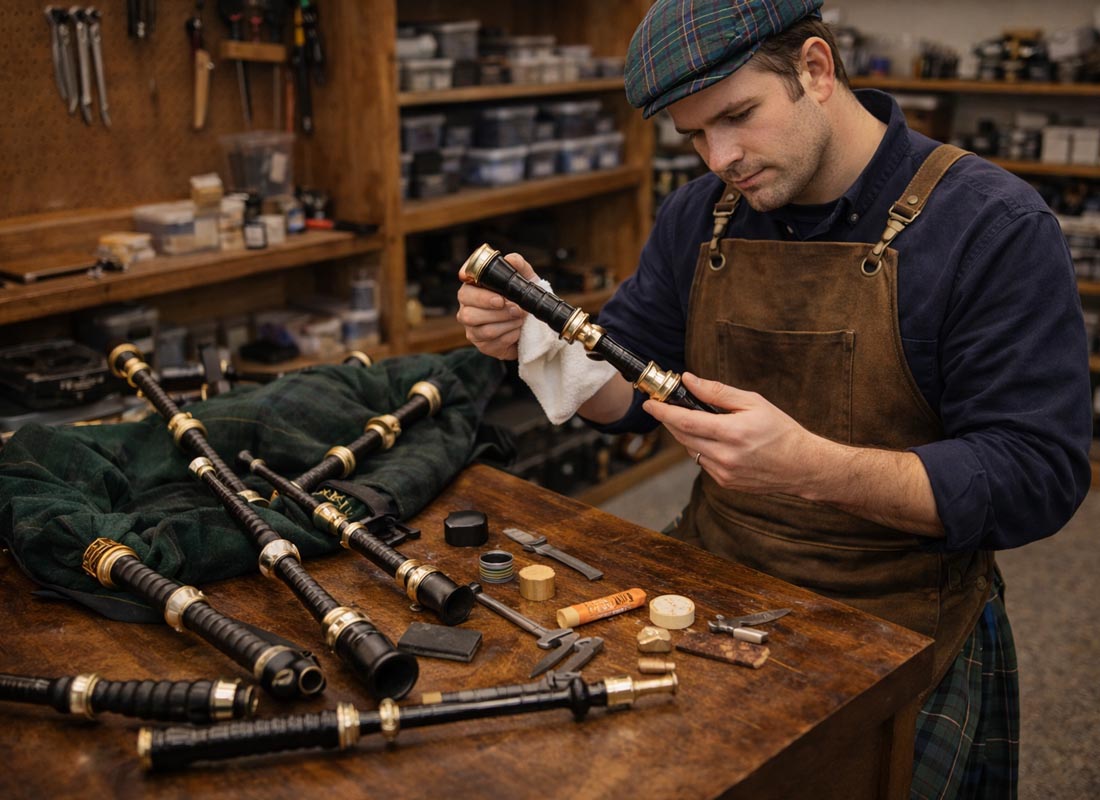
Several key factors determine how much you’ll pay for a set of pipes. The type of wood used is one of the most significant price determinants. African blackwood is the traditional choice for quality instruments, known for its density, durability, and superior tonal qualities. Sets made from African blackwood are typically more expensive than those made from alternative materials like cocobolo, rosewood, or synthetic materials. However, some modern synthetic options offer excellent value, providing consistent performance at lower price points while eliminating concerns about cracking or weather-related damage.
Craftsmanship and maker reputation heavily influence pricing structures. Established makers with decades of experience and proven track records command premium prices because their instruments offer superior tuning stability, better sound projection, and longer lifespan. Handcrafted details, precise bore dimensions, and careful finishing work all contribute to higher prices. Mass-produced sets may look similar superficially but often lack the refinement and attention to detail found in instruments from respected makers who have perfected their craft over generations.
The hardware and fittings also impact the overall investment significantly. High-quality mounts made from sterling silver, nickel, or imitation ivory add to the expense but enhance both appearance and durability for years of regular playing. Cheaper alternatives often use plastic components that may not withstand the rigors of regular practice and performance. Additionally, the quality of the bag itself, whether synthetic or traditional hide, affects both pricing and performance characteristics. Modern synthetic bags are increasingly popular due to their durability, ease of maintenance, and resistance to moisture-related issues that plague traditional hide bags.
Another factor often overlooked by beginners is the setup and adjustment work that quality retailers provide. Reputable dealers spend hours ensuring that each instrument is properly tuned, reeds are positioned correctly, and all components work harmoniously together. This service adds value beyond the raw materials and construction, making the instrument immediately playable rather than requiring extensive adjustment by someone who may not yet have the expertise to do so effectively.
Entry-Level Options for Beginners
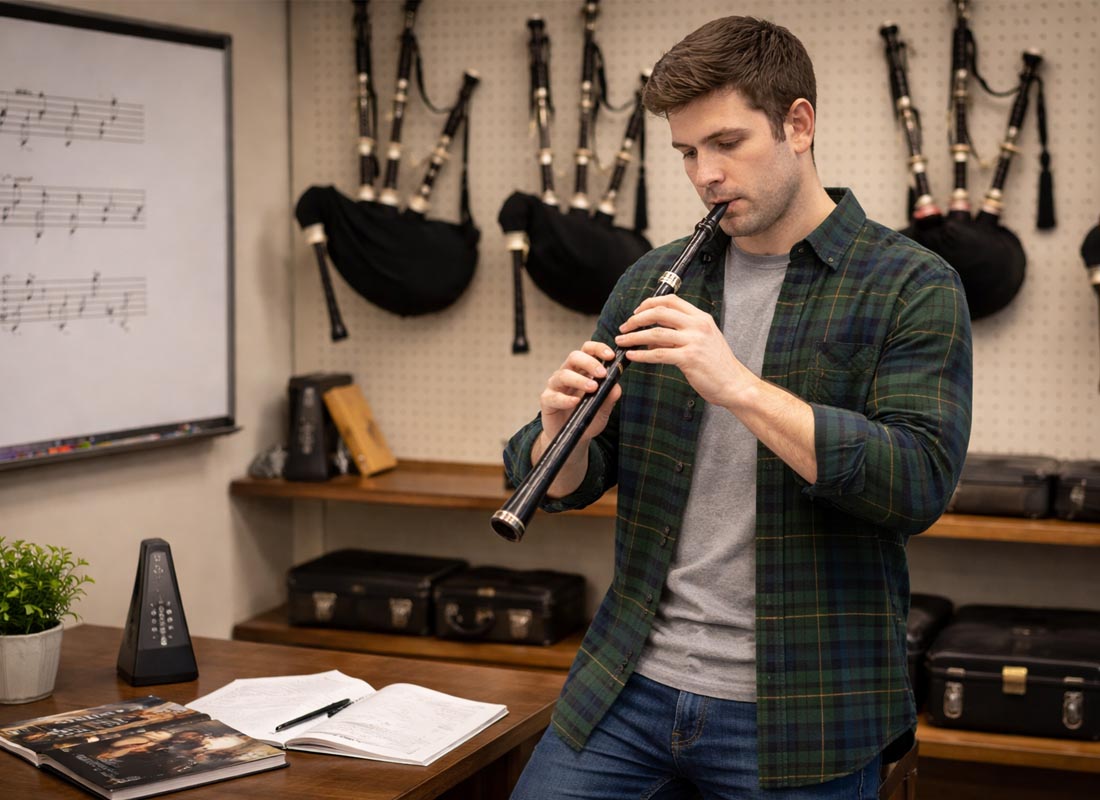
New pipers should focus on finding reliable, playable instruments rather than simply choosing the cheapest option available. Entry-level sets typically range from $600 to $1,200 and come from manufacturers specializing in student models. Brands like McCallum, Kilberry, and Wallace offer beginner-friendly options that provide good value without compromising essential quality. These instruments use African blackwood or quality alternative woods and include basic but functional hardware that will serve you well through the initial learning phases.
When shopping for your first set, consider purchasing from established retailers who offer setup services and warranties. Many suppliers provide starter packages that include the pipes, practice chanter, maintenance supplies, and instructional materials. These packages typically range between $800 and $1,500, offering everything needed to begin playing. Buying a package deal often provides better value than purchasing components separately, and you’re assured that all pieces are compatible and ready to use together.
Used instruments present another option for budget-conscious beginners looking to enter the world of piping without breaking the bank. The secondhand market offers opportunities to acquire quality sets at reduced prices, sometimes 30-50% below new retail values. However, buying used requires careful inspection or expert guidance to ensure the instrument is in good playing condition and free from damage that could affect performance. Checking for cracks, proper bore condition, and functional hardware is essential before completing any purchase. Some music schools and pipe bands occasionally sell student instruments when members upgrade or leave, which can be reliable sources for pre-owned sets with known histories.
Online marketplaces and piping forums often have classified sections where members buy and sell instruments. These communities can provide valuable information about specific models and sellers, helping you avoid problematic purchases. However, always exercise caution when buying from individuals you don’t know, and if possible, have the instrument inspected by an experienced piper or instructor before finalizing the transaction. The small investment in a professional inspection can save you hundreds or thousands of dollars in repairs or replacement down the line.
Mid-Range Instruments for Advancing Players

As players develop their skills and commit to serious study, upgrading to mid-range instruments becomes worthwhile for the enhanced playing experience they provide. Sets in the $1,200 to $2,500 range offer noticeably improved tonal quality, tuning stability, and craftsmanship compared to entry-level models. These instruments typically feature premium African blackwood, better hardware options, and more refined finishing that’s evident in both appearance and sound. Makers like Naill, McCallum, and Peter Henderson produce excellent mid-range instruments favored by intermediate players and many band members who perform regularly.
Mid-range sets often incorporate features that enhance playability and sound projection in ways that become increasingly important as your skills develop. Improved bore design, higher-quality reeds, and better moisture control systems contribute to more consistent performance across different playing conditions. Many intermediate players find that investing in this quality range significantly improves their playing experience and helps them progress faster toward their musical goals. The enhanced tonal qualities make it easier to achieve proper pitch and develop good technique without fighting against instrument limitations.
The decision to upgrade should align with playing goals and frequency of use. If you’re playing regularly, participating in competitions, or performing with a pipe band, mid-range instruments offer advantages that justify the additional investment beyond the beginner level. These sets also hold their value better than entry-level models, making them easier to resell if circumstances change or you decide to upgrade further. Many experienced pipers recommend this quality range for serious students who have demonstrated commitment beyond the beginner stage and are ready to take their playing to the next level.
This price range also opens up more options in terms of customization and aesthetic choices. You can select specific mounting styles, choose between different wood grains, and often have some input into the final setup of the instrument. These personalization options make the instrument feel more like “yours” and can increase your connection to it, which often translates into more practice time and faster skill development.
Professional-Grade Instruments

Professional sets represent the pinnacle of craftsmanship and tonal excellence, with prices ranging from $3,000 to well over $5,000 for truly exceptional instruments. Renowned makers like David Naill, R.G. Hardie, McCallum, and Dunbar produce instruments that meet the exacting standards of professional pipers and competitive players. These sets feature the finest African blackwood, precise bore dimensions that optimize tonal characteristics, and meticulous hand finishing that ensures every detail contributes to superior performance. The difference in sound quality between these instruments and lower-tier options is immediately apparent to experienced players and discerning listeners.
What Makes Top-Tier Instruments Worth the Investment:
- Superior tonal quality with rich harmonics and excellent projection that carries in large venues
- Exceptional tuning stability across all registers and environmental conditions
- Premium materials, including select African blackwood and high-grade hardware
- Precise bore dimensions designed for optimal acoustics and ease of playing
- Handcrafted details and finishing by master craftsmen with decades of experience
- Better resale value and longer lifespan with proper maintenance and care
Professional pipers often develop relationships with specific makers, sometimes commissioning custom instruments tailored to their preferences and playing style. Custom orders may include specific wood selection, unique mounting designs, personalized engravings, and bore specifications optimized for individual playing characteristics. While custom instruments command premium prices, they represent lifetime investments for serious pipers who demand the absolute best from their instruments and view them as essential tools of their trade or artistic expression.
Many professional pipers own multiple sets, using different instruments for different occasions. They might have one set for outdoor performances where weather could be an issue, another for competitions where sound quality is paramount, and perhaps a third for teaching or casual playing. This level of investment reflects the central role these instruments play in their musical lives and professional activities.
Additional Expenses Beyond the Initial Purchase
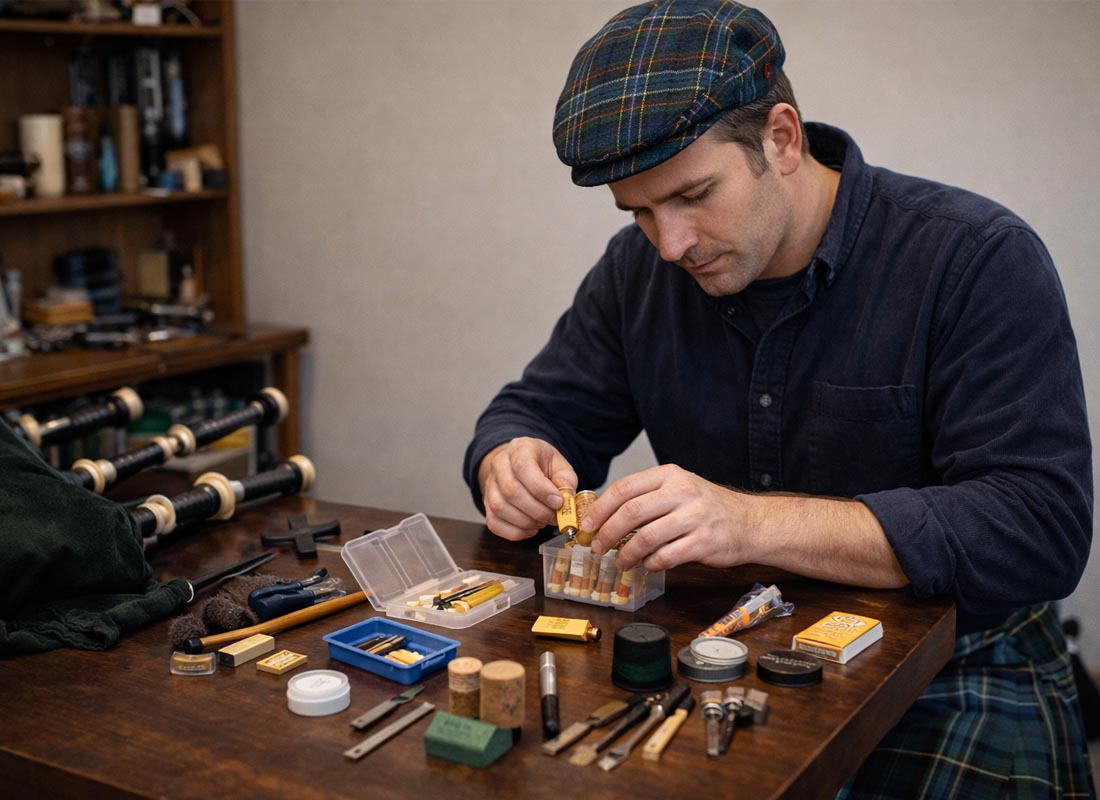
Purchasing your first set is just the beginning of the financial commitment to this musical journey. Ongoing maintenance and accessories add to the total ownership experience. Reeds are consumable items that require regular replacement, with quality drone reeds ranging from $80-$150 per set and chanter reeds ranging from $15-$25 each. Depending on playing frequency and care, reeds may need replacement every few months to a year, making this a recurring expense that should be factored into your budget from the start.
Maintenance supplies, including hemp, waxed thread, cork grease, and seasoning for traditional bags, add another $50-$100 annually, depending on how frequently you play. These supplies are essential for keeping your instrument in good playing condition and preventing damage that could require expensive repairs. Learning proper maintenance techniques is as important as learning to play, and many instructors include maintenance instruction as part of their teaching curriculum.
Protective cases are essential for transporting and storing your instrument safely, whether you’re traveling to lessons, band practice, or performances. Quality hard cases range between $150 and $400, while pipe bags or softer cases range from $50 to $150. Investing in proper protection prevents costly damage from accidents, weather exposure, or careless handling during transport. Many pipers also purchase moisture control systems, which range from $30 for basic water traps to $200 for advanced electronic systems that actively remove moisture, helping preserve the instrument and improve tuning stability during extended playing sessions.
Instruction represents another important financial consideration that shouldn’t be overlooked when budgeting for this endeavor. Private lessons typically range from $30-$60 per hour, and most students benefit from weekly instruction, at least initially during the learning phase. Some pipers join pipe bands, which may charge membership fees ranging from $50 to $300 annually but often provide group instruction and performance opportunities that can offset private lesson costs. Books, online courses, and instructional materials add another $50-$150 to startup expenses. While these costs add up quickly, proper instruction and maintenance significantly enhance the playing experience and protect your investment over the long term.
Where to Buy Your Instrument
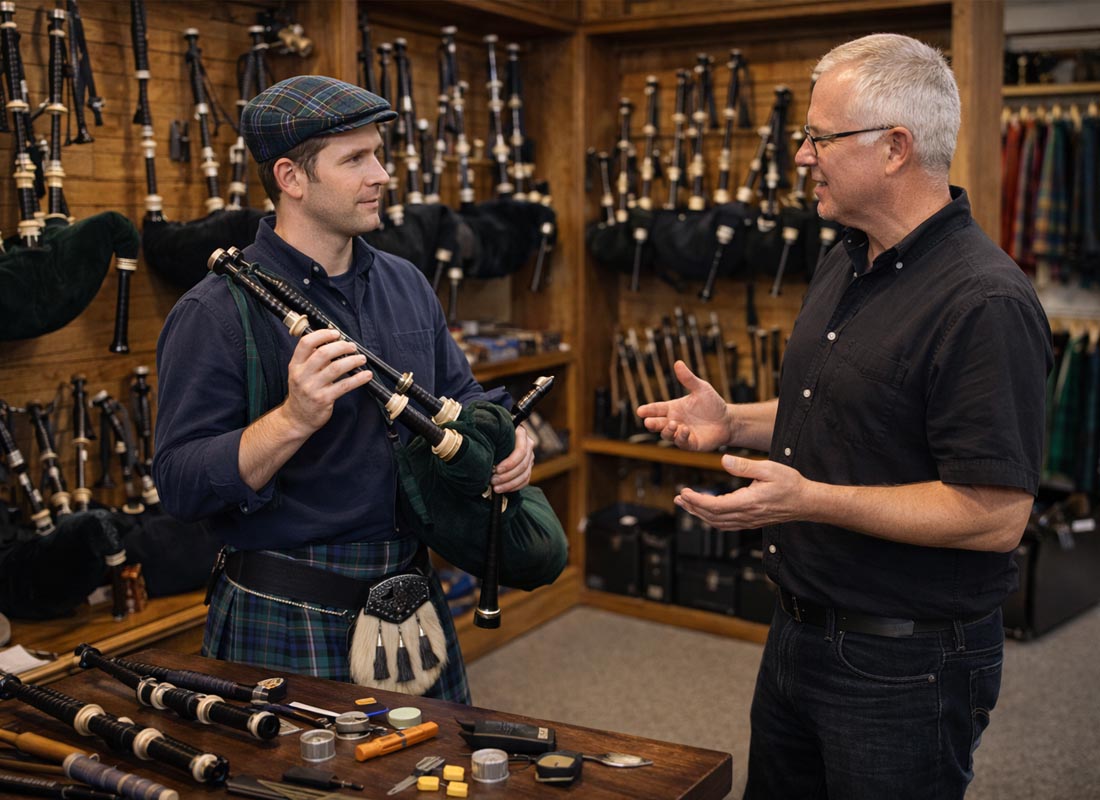
Choosing where to purchase affects both pricing and overall satisfaction with your experience. Specialized retailers offer expertise, setup services, and warranties that general music stores cannot match in this niche market. Established suppliers like The Pipers’ Hut, Henderson’s, Scottish Kilt Collection, and many regional specialists provide knowledgeable staff who can guide instrument selection based on your specific needs and skill level. These retailers typically offer setup services, ensuring your purchase is properly tuned and adjusted before delivery, which is particularly valuable for beginners who lack the experience to do this themselves.
Why Buy from Scotland Kilt Collection
When it comes to authentic Highland instruments and accessories, Scotland Kilt Collection stands out as a trusted source for pipers worldwide. They offer a comprehensive range of quality instruments from entry-level to professional-grade sets, all carefully selected to meet the standards expected by serious musicians. Their team understands the nuances of traditional craftsmanship and works directly with reputable makers to ensure authenticity and quality. Beyond instruments, they provide complete Highland attire, including kilts, sporrans, and accessories, making them a one-stop shop for pipers who want the complete traditional experience. Their customer service team assists with sizing, selection, and maintenance advice, ensuring you get not just an instrument but ongoing support throughout your piping journey.
Online shopping provides access to a wider range of options and competitive pricing, but requires more caution and research. Reputable online retailers with strong reputations in the piping community offer legitimate savings while providing customer support and return policies that protect your investment. However, buying directly from unknown overseas sellers or marketplace platforms without proper vetting carries a significant risk of receiving substandard products. Counterfeit or poorly-made instruments occasionally appear in these marketplaces, and returns or warranty claims can be problematic or impossible with overseas sellers.
Local pipe bands and piping societies often know reputable sellers and may have instruments available for purchase from members who are upgrading or leaving the activity. Some bands maintain lending programs allowing new pipers to use instruments while learning, which can delay the purchase decision until you’re certain about continuing with this commitment. Attending Highland games, piping competitions, or Celtic festivals provides opportunities to meet makers and retailers in person, try different instruments, and make informed decisions based on actual playing experience. Building relationships within the piping community often leads to better purchasing advice, insider knowledge about upcoming sales, and potential deals on quality instruments from trusted sources.
Don’t underestimate the value of trying before buying. Even if you’re purchasing online ultimately, visiting a retailer or attending an event where you can handle and play different models provides invaluable insight into what feels and sounds right for you. Every instrument has its own character, and what works perfectly for one piper may not suit another, even at the same skill level.
Synthetic vs. Wooden Options
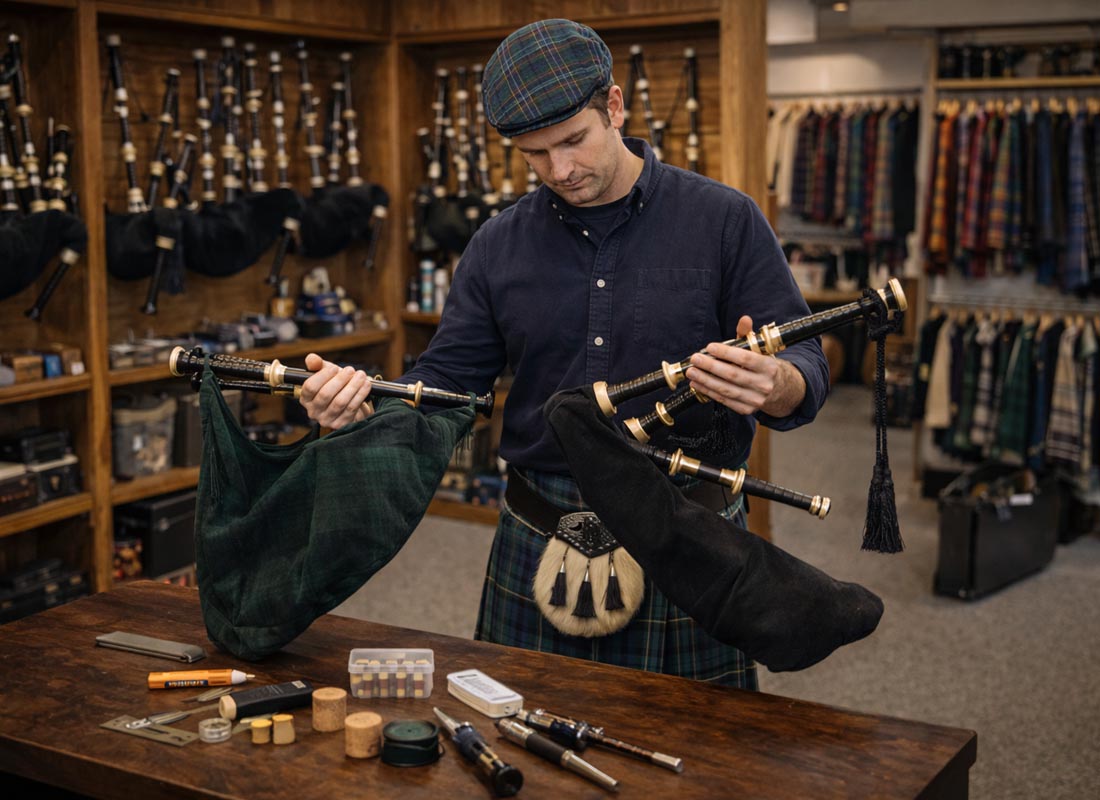
The choice between synthetic and traditional wooden instruments involves considering pricing, performance characteristics, and maintenance requirements. Synthetic sets, made from materials like Delrin or polypenco, typically cost less than wooden counterparts, with quality options ranging from $800 to $1,800. These instruments offer advantages, including resistance to cracking from moisture or temperature changes, reduced maintenance needs, and consistent performance in various weather conditions. Many pipe bands choose synthetic options for outdoor performances and situations where environmental exposure is unavoidable, such as marching in parades or performing at outdoor festivals.
Traditional wooden instruments, particularly those crafted from African blackwood, remain the preferred choice for many pipers due to their superior tonal qualities and traditional sound. Wooden instruments produce warmer, richer tones with more complex harmonics compared to synthetic alternatives, creating the classic sound that most people associate with traditional piping. However, wood requires more careful maintenance, including proper seasoning, humidity control, and protection from extreme temperature changes. The initial investment is typically higher, but many experienced pipers believe the tonal benefits justify the additional expense and care requirements.
For beginners, synthetic instruments present a practical starting point, offering playability and reliability while learning fundamentals without the worry of damaging expensive wood. As skills develop and musical goals become clearer, many pipers transition to wooden instruments for the superior sound quality. Some musicians maintain both types, using synthetic sets for outdoor events and challenging weather conditions while reserving wooden instruments for indoor performances, competitions, or recordings where sound quality is paramount. The decision ultimately depends on playing circumstances, budget constraints, and personal preferences regarding tone quality versus practical convenience.
The debate between synthetic and wood continues in the piping community, with strong advocates on both sides. Modern synthetic materials have improved dramatically over the past decade, narrowing the gap in sound quality, though many purists still prefer the traditional wooden sound. Your choice may also be influenced by the type of music you plan to play and the performance contexts you anticipate being involved in.
Making the Right Investment Decision
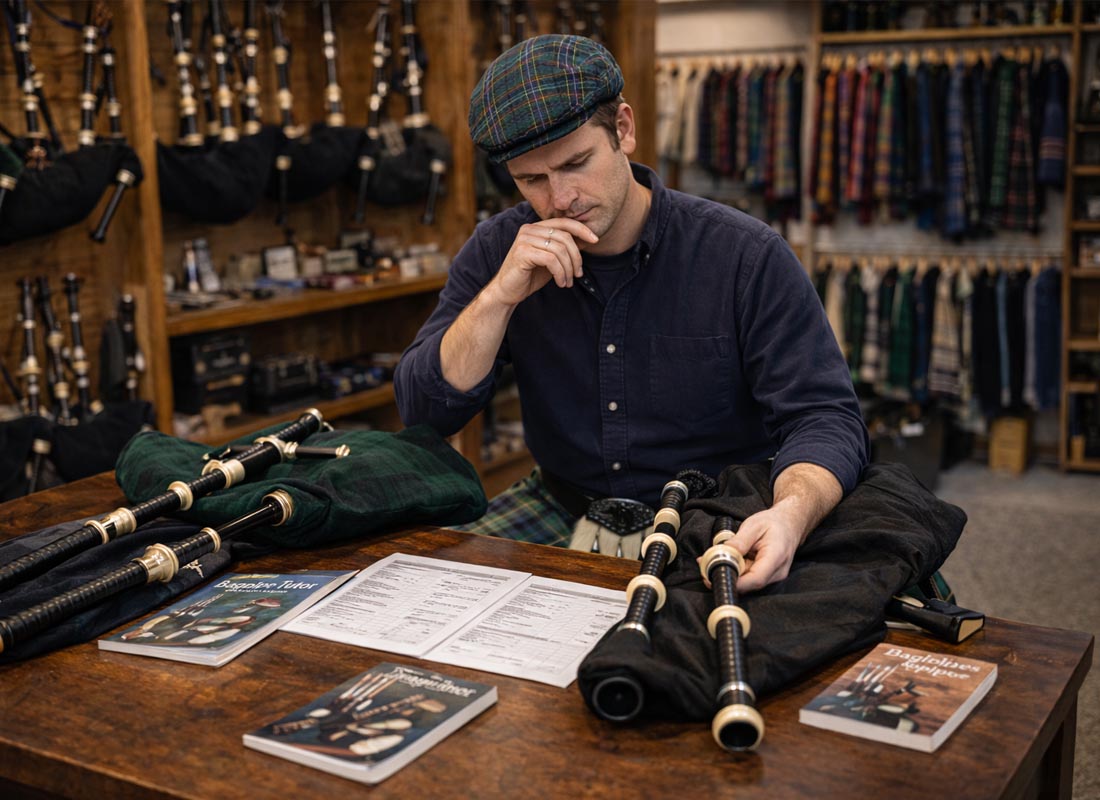
Determining how much to spend requires balancing current skill level, playing goals, and budget constraints realistically. Beginners should resist the temptation to purchase the cheapest available option, as very low-priced instruments often prove frustrating to play and may hinder learning by making everything more difficult than it needs to be. Conversely, investing thousands in professional-grade sets before developing basic skills isn’t necessary and may be money that could be better spent on lessons and practice materials. Starting with quality entry-level or mid-range instruments provides a solid foundation while leaving room for future upgrades as your skills and understanding develop.
Consider your commitment level and intended use when setting a budget for this investment. If you’re exploring piping as a casual interest or bucket-list item, entry-level instruments or even practice chanters alone may suffice initially while you determine if this is something you want to pursue seriously. Students planning to join pipe bands, compete, or pursue serious study benefit from mid-range instruments that support skill development without breaking the bank. Professional or semi-professional players who perform regularly or compete at high levels should consider top-tier instruments as worthwhile investments in their musical careers and artistic expression.
Key Considerations When Setting Your Budget:
- Current skill level and previous musical experience
- Long-term commitment to learning and performing
- Frequency of anticipated playing and practice schedule
- Performance context, such as casual playing, band membership, or competitive ambitions
- Available budget for initial purchase and ongoing maintenance expenses
- Local availability of instruction and community support
Many pipers find that consulting with experienced players, instructors, or pipe majors provides a valuable perspective on appropriate investment levels for their situation. These experienced individuals understand how different quality instruments affect learning and performance, and they can recommend specific models suited to individual circumstances. Taking time to research options, try instruments when possible, and seek advice from the piping community leads to more satisfying purchase decisions that you won’t regret later.
Remember that this is a long-term investment in a skill that can bring decades of enjoyment and connection to a rich musical tradition. While it’s important to be budget-conscious, skimping on quality to save a few hundred dollars may end up costing more in frustration, repairs, or early replacement. Finding the right balance between affordability and quality is key to a positive experience.
Financing and Payment Options

For those concerned about the upfront investment, many retailers offer financing options that spread payments over several months or years. This can make higher-quality instruments more accessible to players who might otherwise settle for lower-tier options due to immediate budget constraints. Some retailers work with music financing companies that specialize in instrument purchases, offering promotional periods with low or zero interest for qualified buyers.
Payment plans typically require a down payment followed by monthly installments, making a $2,000 instrument potentially accessible for $100-150 per month over a year or two. Before committing to financing, consider the total cost, including any interest charges, and ensure that the monthly payments fit comfortably within your budget alongside the ongoing costs of reeds, maintenance, and lessons.
Some pipers save for their purchase over time, starting with a practice chanter while setting aside money monthly toward their first full set. This approach has the advantage of being debt-free and allows you to adjust your target based on how your learning progresses. If you discover you love the instrument and want to pursue it seriously, you might save longer for a better quality set. If your interest wanes, you’re not stuck with financing payments for an instrument collecting dust in the closet.
Frequently Asked Questions
Expensive bagpipes use premium African blackwood, have precise bore dimensions, feature handcrafted details, and offer superior tonal quality. Cheap bagpipes often use inferior materials, have inconsistent tuning, and may require frequent repairs or replacement.
Yes, used bagpipes can offer good value at 30-50% below retail prices. However, have them inspected by an experienced piper before purchasing to check for cracks, bore condition, and functional hardware. Buy from reputable sellers or pipe band members when possible.
Synthetic bagpipes ($800-$1,800) are more affordable, weather-resistant, and require less maintenance, making them ideal for beginners or outdoor performances. Wooden bagpipes, especially African blackwood, produce superior tone but cost more and require careful maintenance. Many pipers own both types.
Drone reeds cost $80-$150 per set, while chanter reeds range from $15-$25 each. Reeds are consumable items that need replacement every few months to a year, depending on playing frequency and care.
Conclusion

Understanding the financial investment involved helps you make informed decisions that align with your musical goals and budget realities. Prices range from several hundred dollars for practice chanters and entry-level instruments to several thousand for professional-grade sets from master craftsmen. The right investment depends on your skill level, commitment, and intended use rather than simply choosing the lowest or highest price point available.
Starting with a quality practice chanter and gradually progressing to full pipes remains the recommended path for most new pipers exploring this traditional art form. Entry-level sets in the $600-$1,200 range provide adequate quality for learning fundamentals and determining if this is something you want to pursue long-term. At the same time, mid-range instruments offer improved performance for advancing players ready to take their skills to the next level. Professional instruments represent significant investments justified primarily for serious, experienced pipers who demand the finest tonal qualities and craftsmanship available.
Remember that ongoing expenses, such as reeds, maintenance, accessories, and instruction, add to the total investment in this musical journey. However, the rewards of mastering this distinctive instrument—connecting with musical tradition, performing stirring melodies, and joining a vibrant community of pipers—make the financial commitment worthwhile for those drawn to the pipes. Whether you invest $800 or $5,000, choosing quality instruments from reputable makers and dedicating yourself to proper practice and maintenance will ensure years of enjoyable playing and personal satisfaction from mastering this challenging but rewarding instrument.