
Blog
Discover Your Tartan: USA Kilts Tartan Gallery – Complete Heritage Guide

Finding the perfect tartan connects you to centuries of Scottish tradition and family heritage. The USA Kilts Tartan Gallery offers an extensive collection where you can explore authentic clan patterns, discover your ancestral connections, and understand the rich stories woven into each design. Whether you’re searching for your family’s specific tartan or exploring options that resonate with your personal history, this comprehensive guide will help you navigate your tartan journey with confidence and clarity.
Understanding Tartan Patterns and Their Significance
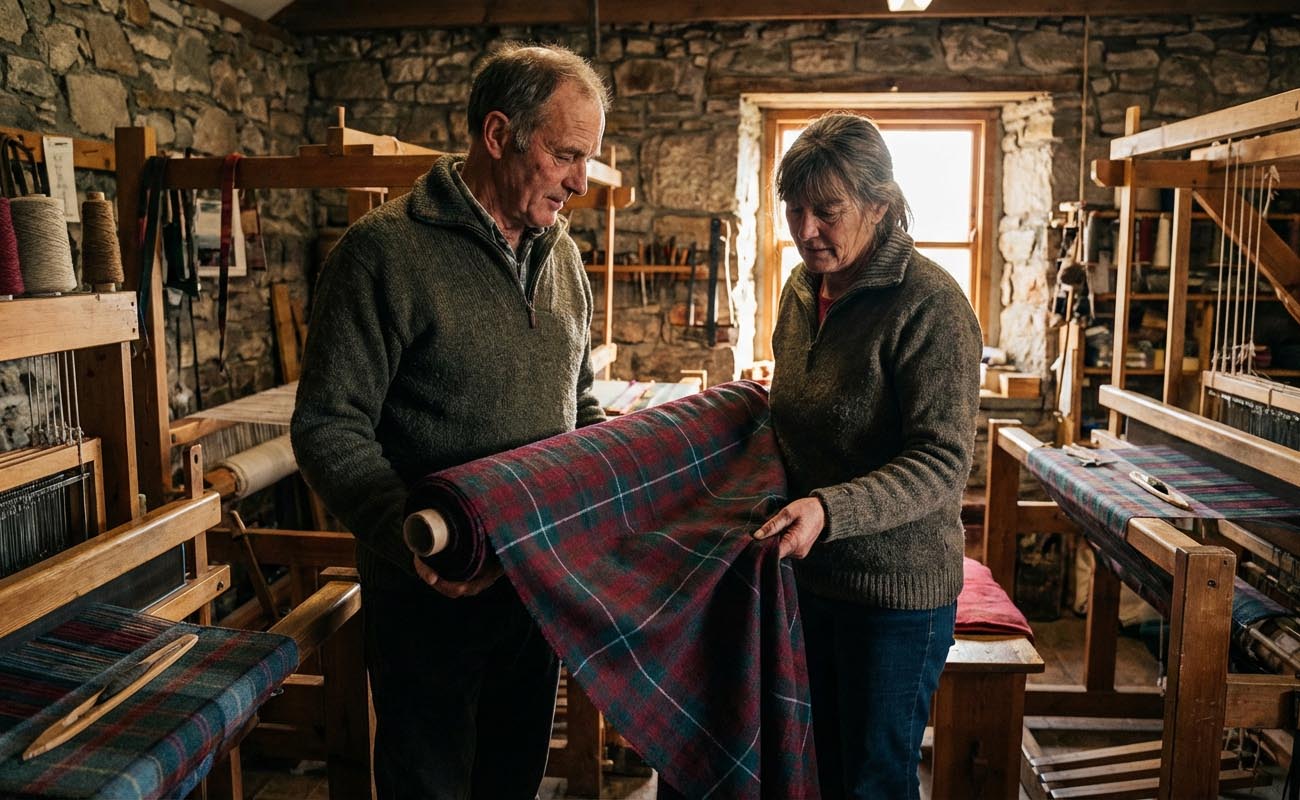
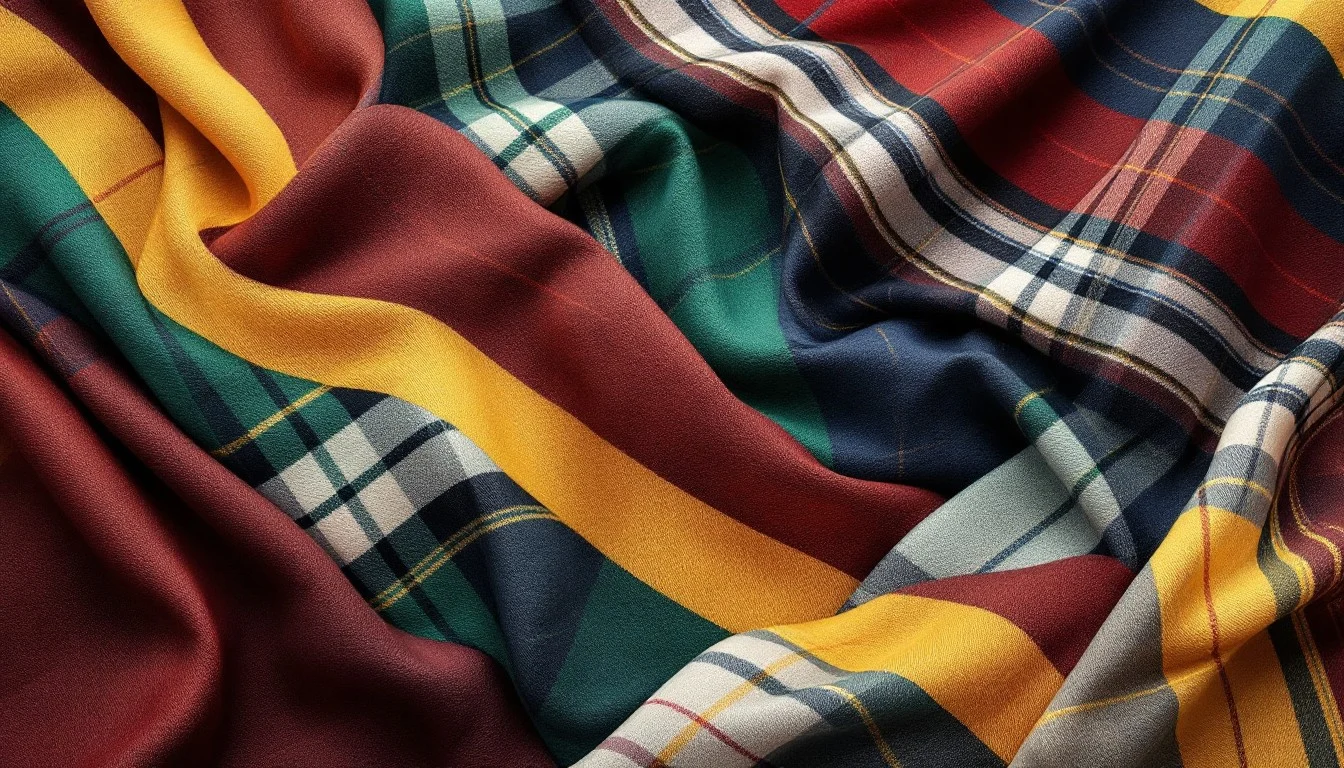
Tartans represent more than just beautiful fabric patterns. These intricate woven designs carry deep cultural meaning, with each unique combination of colors and lines telling specific stories about Scottish families, regions, and traditions. The crisscrossed bands create distinctive “setts” that repeat throughout the fabric, making each tartan instantly recognizable. Originally, these patterns helped identify clan members during gatherings and battles, serving both practical and symbolic purposes in Highland society. Today, wearing tartan remains a powerful way to honor your heritage and connect with Scottish culture.
The history of tartans dates back to at least the 12th century in Scotland. Early examples used natural dyes from local plants, creating colors that varied by region based on available resources. Families like the Murrays, Sutherlands, and Gordons wore early forms of tartan cloth. By the 16th century, more sophisticated dyeing techniques allowed weavers to create increasingly complex and vibrant designs. The patterns became more standardized over time, eventually becoming associated with specific clans and families. Understanding this evolution helps you appreciate the depth of tradition behind modern tartans.
Why Choose USA Kilts Tartan Gallery
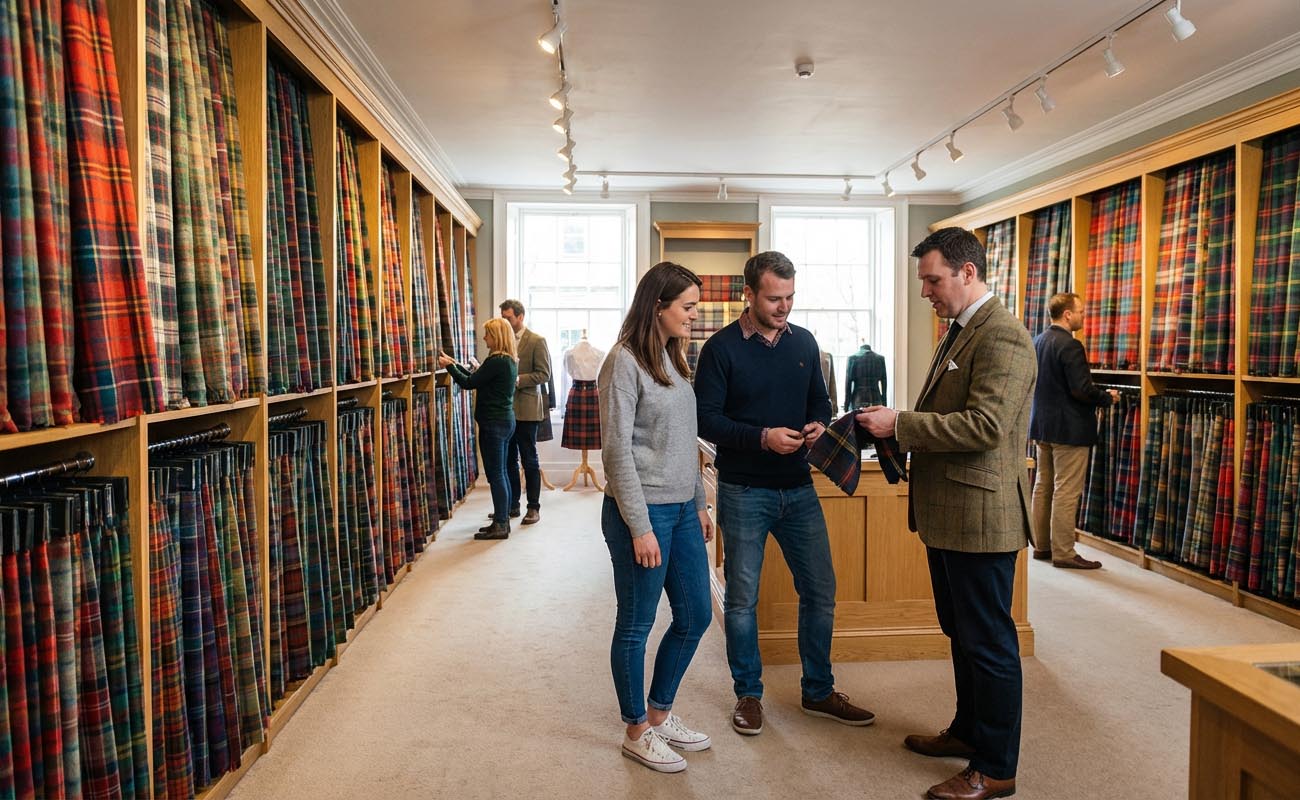
The USA Kilts Tartan Gallery stands out as one of the most comprehensive tartan collections available anywhere. They display stock tartans from every major weaving mill across Scotland, England, and Wales, giving you access to thousands of authentic patterns in one convenient location. This extensive selection ensures you’ll find options whether you’re looking for a common clan tartan or searching for a rare family pattern. The gallery includes Scottish clan tartans, Irish clan and county tartans, Welsh tartans, and universal designs that anyone can wear. For those seeking authentic Scottish attire, Scotland Kilt Collection offers premium quality traditional garments that perfectly complement your chosen tartan.
What makes this gallery particularly valuable is its commitment to sourcing authentic materials and helping customers find the right tartan for their needs. Even if a tartan isn’t currently in production, USA Kilts can often locate rare or obscure patterns through their network of weaving mills. They also offer custom weaving services for special tartans that aren’t commercially available. Their expert staff provides personalized assistance through email and phone consultations, ensuring you make an informed choice. This combination of extensive inventory and knowledgeable support makes the USA Kilts Tartan Gallery an ideal starting point for your tartan search.
How to Find Your Family or Clan Tartan

Starting Your Search
Begin by researching your family surname and Scottish ancestry. Your last name provides the most direct connection to a potential clan tartan, as many surnames link directly to specific Scottish clans. Enter your surname into the tartan finder tools to see available matches. Keep in mind that spelling variations are common – Scottish names evolved over centuries, with changes occurring as families migrated or as Gaelic names were anglicized. For example, Murray originally appeared as Morrey, and many other names underwent similar transformations.
If your direct surname doesn’t yield results, explore alternative approaches. Research grandparents’ maiden names, as you can legitimately wear tartans from any branch of your family tree. Consider your maternal grandmother’s surname or other ancestral names in your lineage. You might also search by geographic location if your ancestors came from a specific Scottish district, as regional tartans represent particular areas. Don’t overlook the possibility that your family name might be a “sept” or associated family connected to a larger clan.
Using Research Tools Effectively
- Family genealogy records and historical documents
- DNA testing services (Y-DNA for paternal lines, mitochondrial DNA for maternal lines)
- Scottish Register of Tartans official database
- Clan society websites and membership organizations
- Historical census records from Scotland
Genealogy research strengthens your connection to specific tartans. Gather information about your ancestors, including full names, birth and death dates, locations, and occupations. This documentation helps you identify which Scottish regions your family came from and which clans had a presence in those areas. Many online resources and Scottish heritage organizations provide detailed clan histories and territorial maps showing traditional clan lands throughout Scotland’s Highlands and Lowlands.
DNA testing has become an increasingly popular tool for confirming Scottish heritage connections. These tests can reveal ethnic backgrounds and help you connect with distant relatives who might have additional family history information. Consider joining clan societies or attending Scottish heritage events where you can meet others researching similar family lines and gain access to specialized knowledge about your clan’s history and traditions.
Types of Tartans Available
Clan and Family Tartans
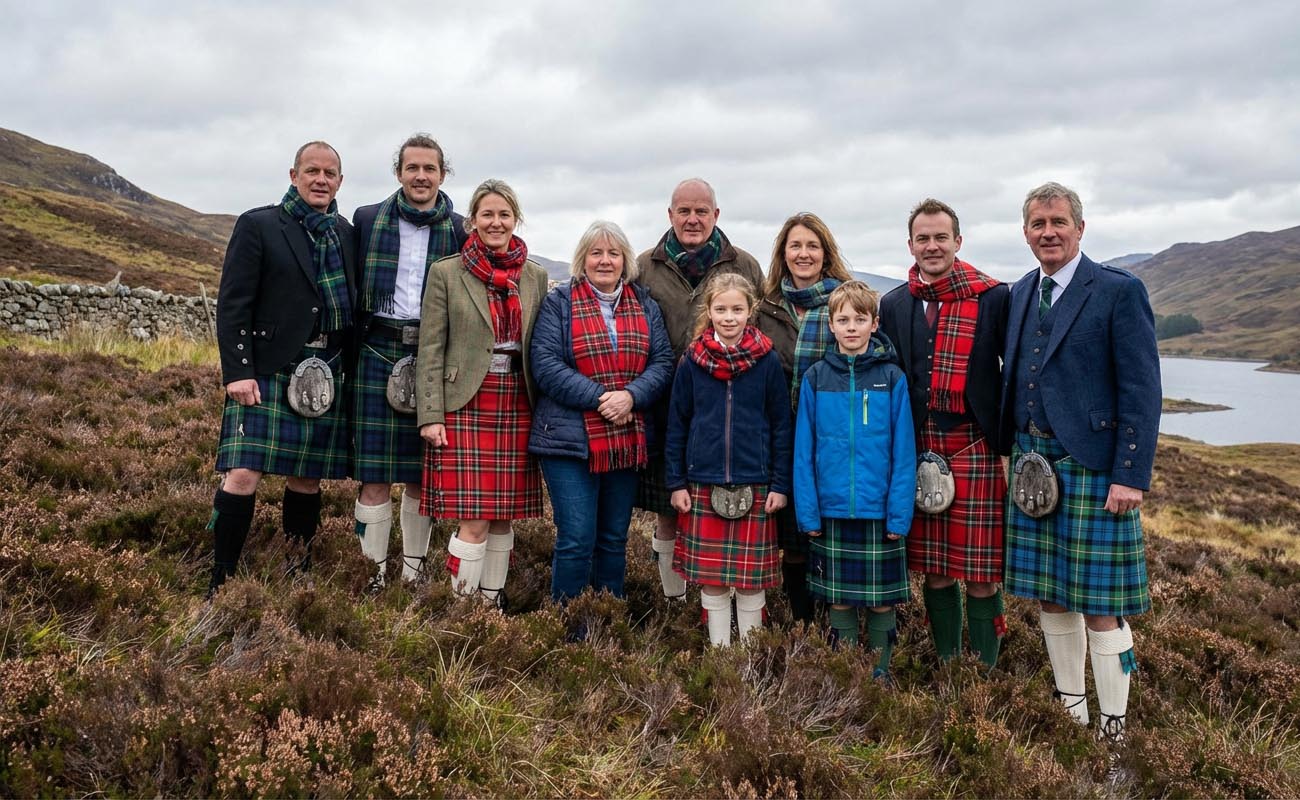
Clan tartans remain the most recognized category, with each major Scottish clan having at least one official pattern. These designs identify membership in specific Highland clans or Lowland families, carrying centuries of tradition and history. Some prominent clans like the Campbells, MacDonalds, and Douglases have multiple tartan variations, including ancient, modern, hunting, and dress versions. When you wear your clan tartan, you’re displaying a visual connection to your ancestors and their role in Scottish history.
Not every surname has its own dedicated clan tartan, which is completely normal. Many Scottish names are occupational, like Cooper or Smith, and appeared throughout Scotland without specific territorial connections. In these cases, you have several excellent options, including universal tartans that anyone can wear, district tartans representing geographic regions, or tartans from allied families connected to your surname through historical associations.
Regional and Universal Options
District tartans offer meaningful alternatives when clan connections aren’t clear. These patterns represent specific Scottish regions, cities, or counties, allowing you to honor the geographic area where your ancestors lived. Popular district tartans include those from Edinburgh, Aberdeen, and the Highland regions, each designed with colors reflecting local landscapes and cultural significance. If you’ve traced your family to a particular Scottish location, wearing that area’s district tartan creates an authentic heritage connection.
Universal tartans provide another flexible option designed for anyone to wear, regardless of ancestry. Some commemorate special events, support charitable causes, or celebrate Scottish culture generally. Examples include the Royal Stewart tartan, which gained universal status through royal associations, and modern designs created for specific purposes. These options work perfectly if you have mixed heritage, can’t trace Scottish ancestry, or simply appreciate tartan’s aesthetic beauty without claiming specific clan membership.
Tartan Variations and Styles
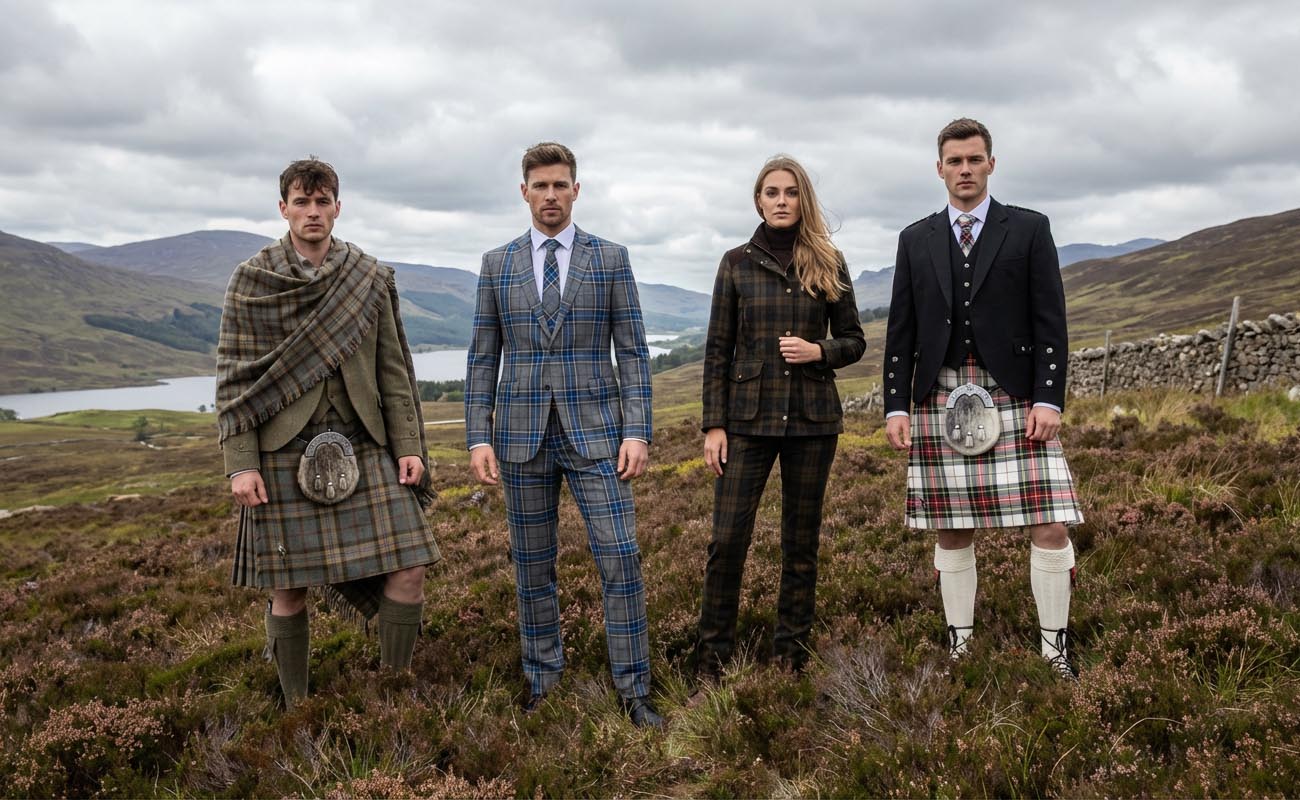
Each tartan typically comes in several colorway variations, allowing you to choose the look that best suits your preferences and purpose. Ancient variations use softer, muted tones that replicate colors achieved with natural dyes from historical periods. These subdued palettes create a vintage, authentic appearance. Modern variations feature brighter, more saturated colors made possible by contemporary dyeing techniques, offering bold and vibrant alternatives to the same basic pattern.
Hunting tartans traditionally use darker, more subdued color schemes originally designed for practical outdoor wear while hunting or working in the Highland landscape. These patterns helped wearers blend into natural surroundings. Dress tartans incorporate white or light backgrounds, creating formal, elegant versions suitable for special occasions and ceremonial wear. Weathered variations simulate the faded appearance of aged tartans, giving cloth a lived-in, antique character. Understanding these distinctions helps you select the most appropriate version for your intended use.
Shopping Tips for USA Kilts Gallery
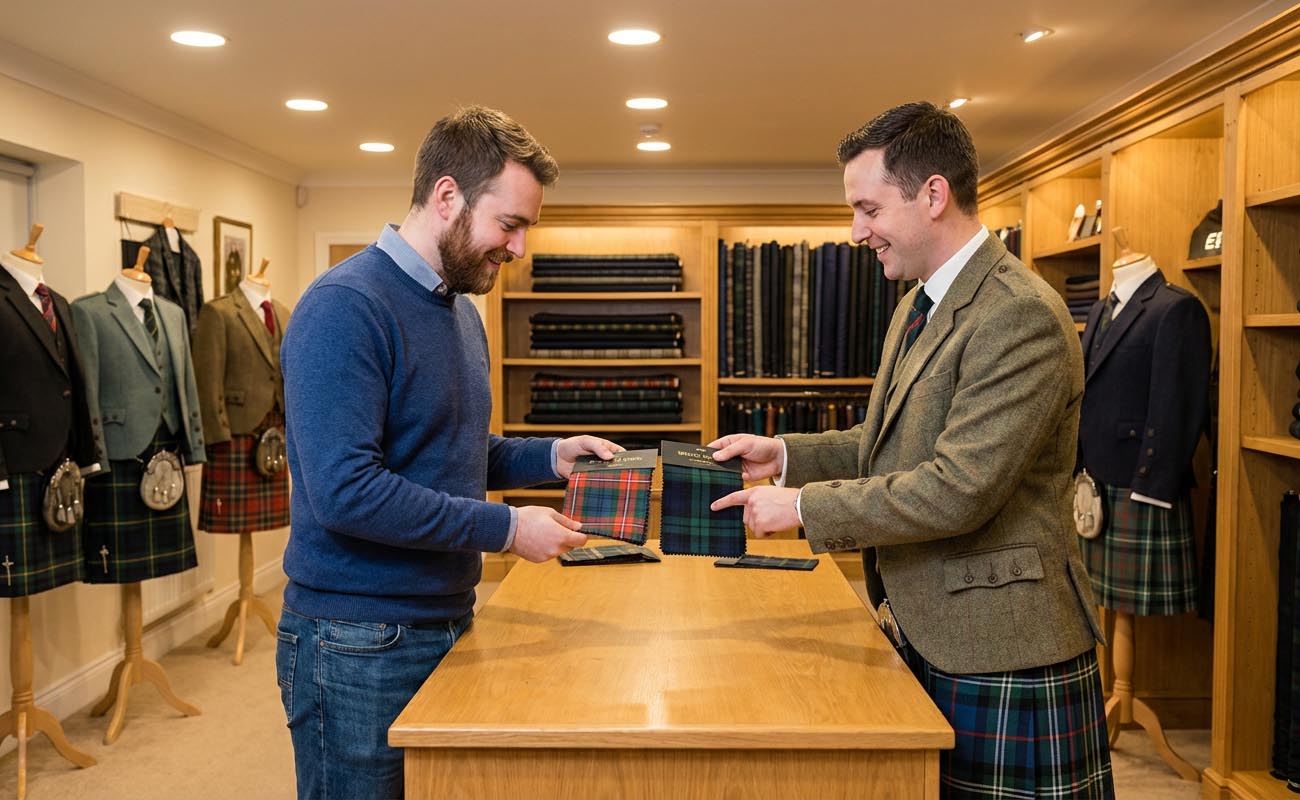
Ordering Tartan Swatches
Before committing to a full kilt or large yardage purchase, order fabric swatches to see actual colors and patterns in person. USA Kilts offers wool tartan swatches for any pattern in their gallery, allowing you to compare options directly. These physical samples help with color matching for weddings, checking pattern scale, and ensuring you’re completely satisfied with your choice before making a significant investment.
Swatch prices are reasonable and often refundable when you later purchase a kilt in that tartan. Multiple swatches can be ordered together if you’re deciding between several patterns or coordinating with other garments and accessories. This hands-on approach proves especially valuable because tartan colors can appear different on computer screens versus actual fabric, and seeing the weave texture helps you understand the quality and weight of the material.
Custom Weaving Options
When searching for rare or discontinued tartans, USA Kilts provides custom weaving services. They maintain relationships with Scottish mills capable of producing special orders, even for patterns not currently in regular production. This service proves invaluable for families wanting to recreate historical tartans, commemorate special events with unique designs, or fulfill specific heritage requirements. Custom weaving requires additional time and often higher costs, but it ensures you get exactly the tartan you want.
The gallery also supports creating entirely new tartans for families, organizations, or personal use. Their design consultation helps you develop patterns that incorporate meaningful colors and proportions while following traditional tartan structure. These custom tartans can be registered with the Scottish Register of Tartans, officially documenting your design for future generations. Whether reviving a forgotten pattern or creating something completely new, USA Kilts provides expertise throughout the process.
Beyond Kilts: Tartan Products and Accessories
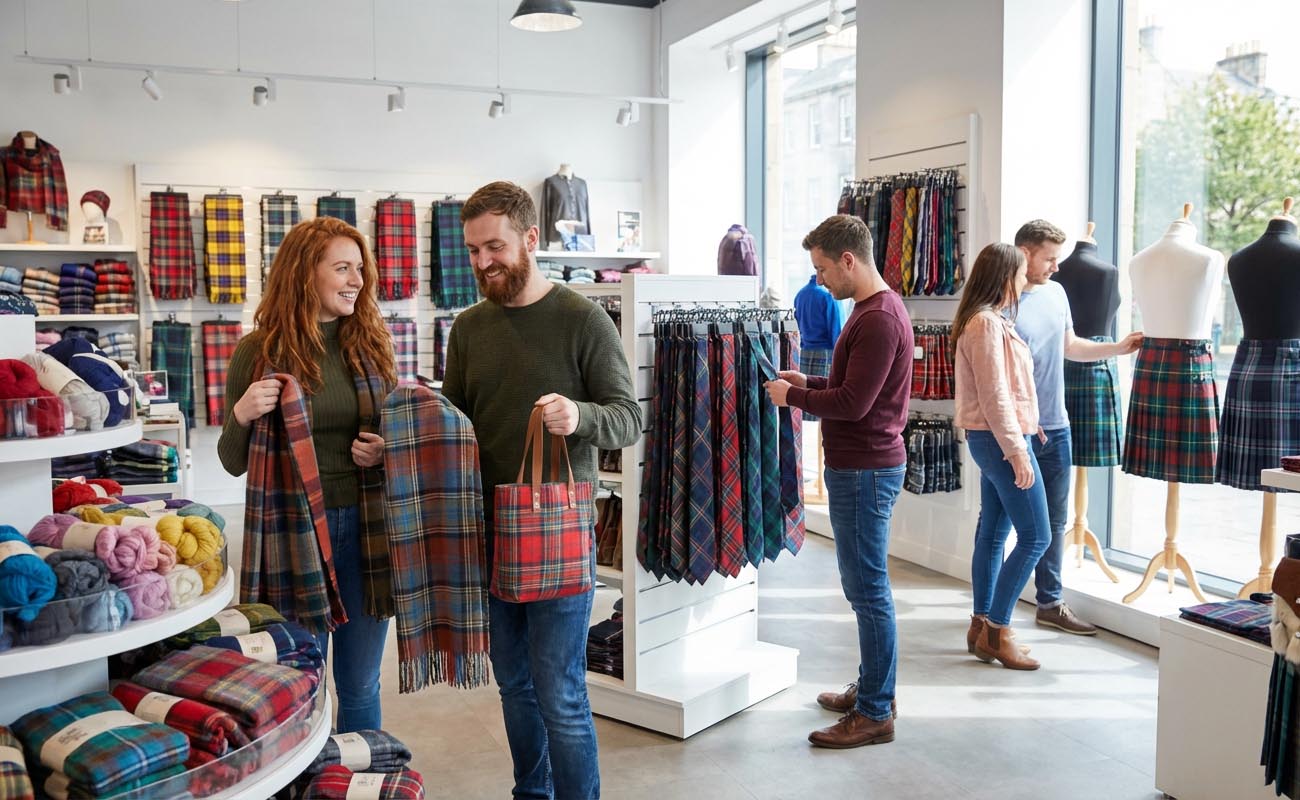
Tartan extends far beyond traditional kilts into numerous clothing items and accessories. The USA Kilts collection includes tartan fabric by the yard for sewing projects, scarves and shawls, ties and bow ties, and even modern fashion items like bags and wallets. This versatility allows you to incorporate your family tartan into daily wear regardless of your comfort level with kilts themselves. Many people start with smaller accessories before investing in a complete Highland dress. Whether you’re looking for everyday tartan wear or formal Highland attire, Scotland Kilt Collection provides expertly crafted pieces that honor traditional Scottish craftsmanship.
Popular Tartan Product Categories:
- Traditional kilts in various weights and pleating styles
- Fly plaids and tartan sashes for formal occasions
- Sporrans (traditional Scottish pouches) in coordinating leather
- Kilt pins, clan crest badges, and jewelry
- Home décor items, including blankets, pillows, and table runners
- Pet accessories for sharing heritage with four-legged family members
Consider starting with versatile pieces that integrate easily into your existing wardrobe. A tartan scarf works beautifully year-round, while ties and pocket squares add heritage touches to business attire. For special occasions, full Highland dress, including kilt, jacket, sporran, and accessories, creates dramatic, memorable ensembles. The key is choosing items that match your lifestyle and comfort level while honoring your connection to tartan tradition.
Caring for Your Tartan Purchases
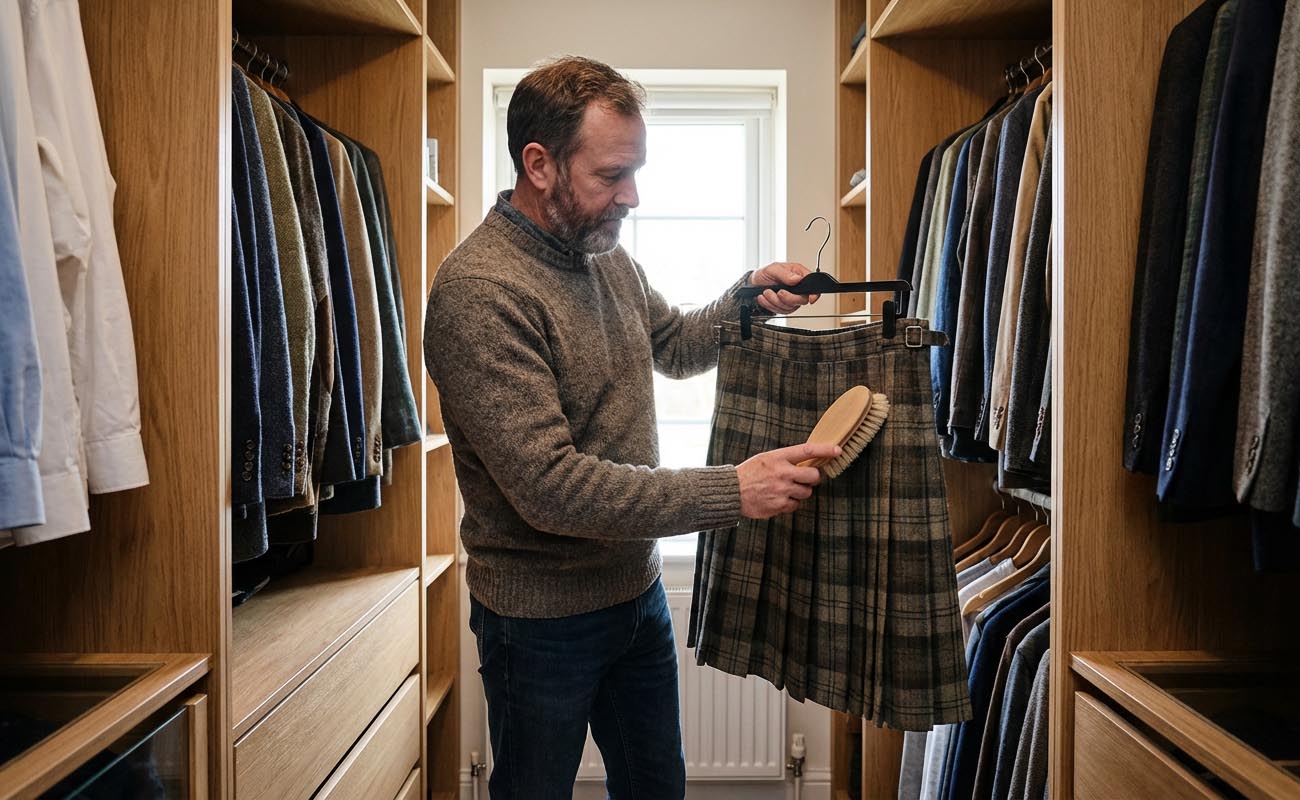
Proper care extends the life of wool tartan products significantly. Most wool tartans should be dry cleaned rather than machine-washed to maintain colors and prevent shrinkage. However, some modern poly-viscose tartans tolerate gentle machine washing, so always check care labels carefully. Store wool items folded or loosely rolled in breathable containers with moth deterrents like cedar blocks or lavender sachets to protect against insect damage.
Kilts require specific handling to maintain their pleated appearance. Hang kilts from the waistband using appropriate kilt hangers that support the weight without creating pressure points. Brush wool kilts regularly with a soft garment brush to remove surface dirt and prevent particles from settling into the weave. Steam rather than iron wool tartan when removing wrinkles, as direct heat can flatten the weave texture and potentially scorch fibers. Professional cleaning every several wearings keeps your kilt looking fresh while preserving the fabric’s integrity.
The Cultural Significance of Wearing Tartan
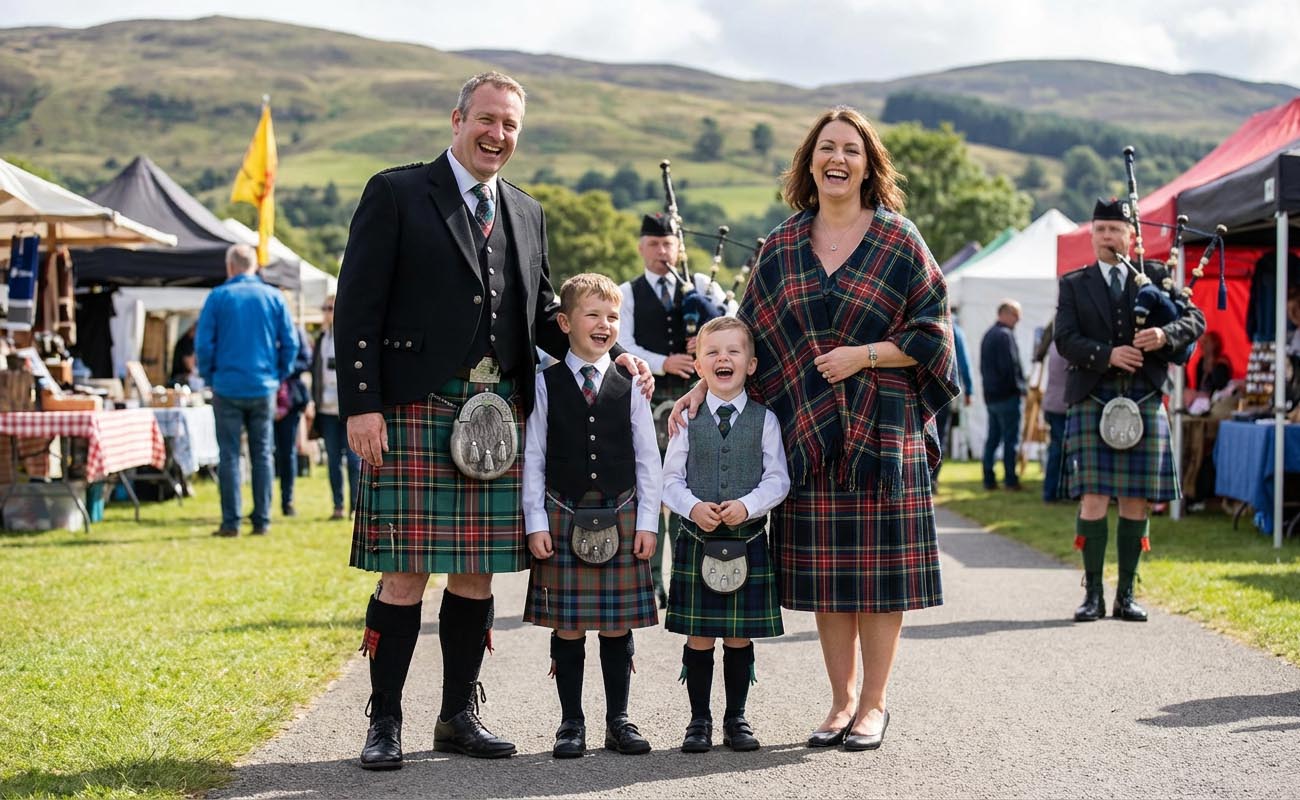
Wearing tartan carries meaningful cultural weight beyond fashion choices. It demonstrates respect for Scottish heritage, honors ancestral connections, and participates in living traditions that span centuries. Even if you’re not ethnically Scottish, thoughtfully chosen tartans like universal patterns or those commemorating shared values show appreciation for Celtic culture without inappropriately claiming clan membership. Understanding this cultural context helps you wear tartan with appropriate dignity and awareness.
Tartan etiquette suggests wearing patterns to which you have legitimate connections through ancestry, marriage, geographic ties, or official membership in organizations with designated tartans. While modern attitudes have relaxed somewhat, showing respect for these traditions demonstrates cultural sensitivity. When in doubt about appropriateness, choose universal tartans or consult with knowledgeable sources. Remember that tartans represent real families and histories, and wearing them thoughtfully honors those connections.
Military and Special Purpose Tartans

Military tartans hold particular significance, representing service branches and commemorating sacrifice. The US Army Tartan exemplifies this category, designed specifically to honor American military service members. These patterns blend Scottish heritage traditions with American patriotic symbolism, creating meaningful options for veterans, active military personnel, and their families. Wearing military tartans during ceremonies, patriotic holidays, or special events provides a respectful way to display service pride.
Many other specialized tartans exist for specific purposes, including corporate tartans for businesses, commemorative patterns honoring historical events or causes, educational institution tartans for universities and schools, and tartans representing hobbies or interests like sports teams or cultural organizations. The USA Kilts Gallery includes many of these special-purpose designs, expanding your options beyond traditional clan and family patterns. These tartans demonstrate how this ancient tradition continues evolving to reflect modern identities and affiliations.
Connecting with Clan Societies
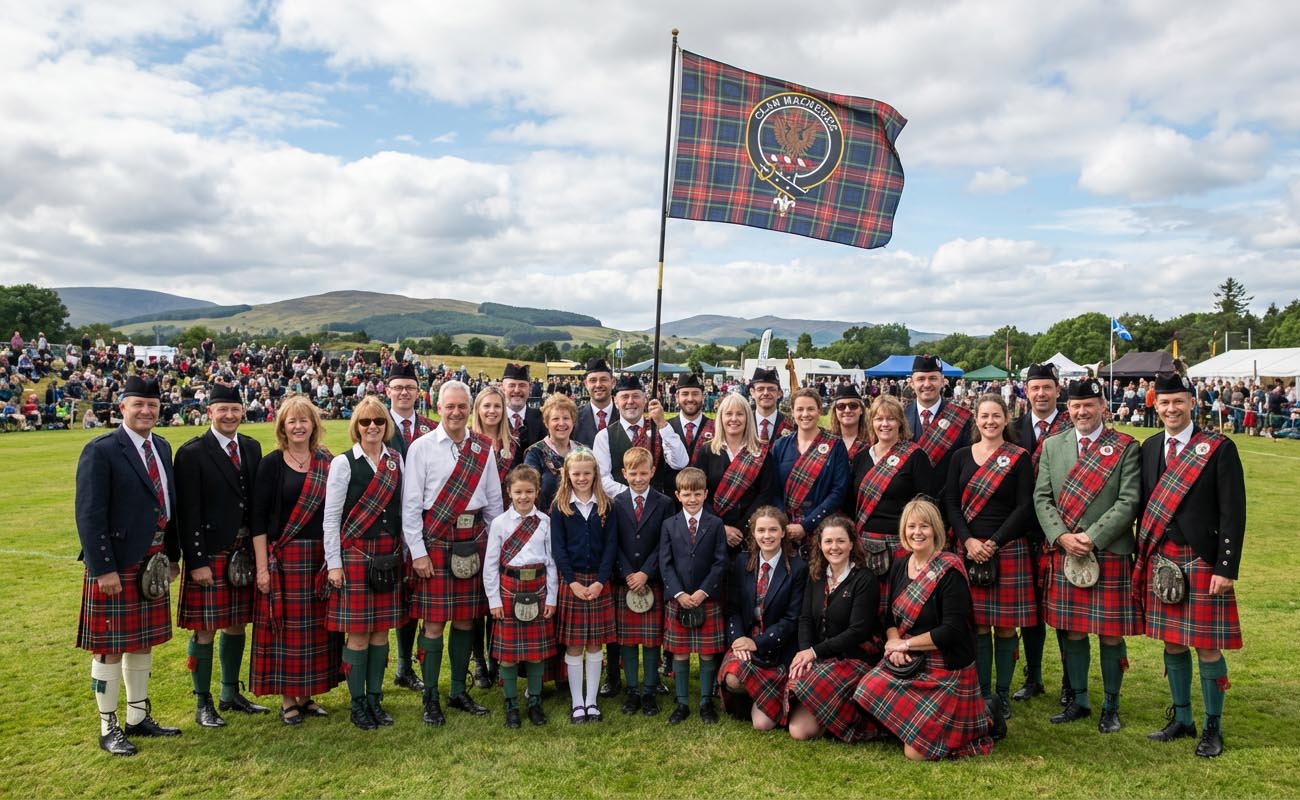
Once you’ve identified your clan connections, consider joining relevant clan societies. These organizations preserve clan history, support members researching their heritage, and host gatherings where you can meet relatives and other clan members. Membership typically requires demonstrating genealogical connections to the clan through documentation of your ancestry. Many societies maintain extensive research resources, publish newsletters with historical information, and organize events like Highland games appearances and clan reunions.
Clan societies operate worldwide, not just in Scotland, with active branches throughout North America, Australia, and other countries with Scottish diaspora populations. Annual gatherings provide opportunities to wear your tartan, participate in traditional ceremonies, and immerse yourself in clan culture. These connections transform tartan from simply clothing into a living relationship with your heritage community. The social aspects of clan membership often prove as valuable as the historical knowledge gained.
Starting Your Tartan Journey Today
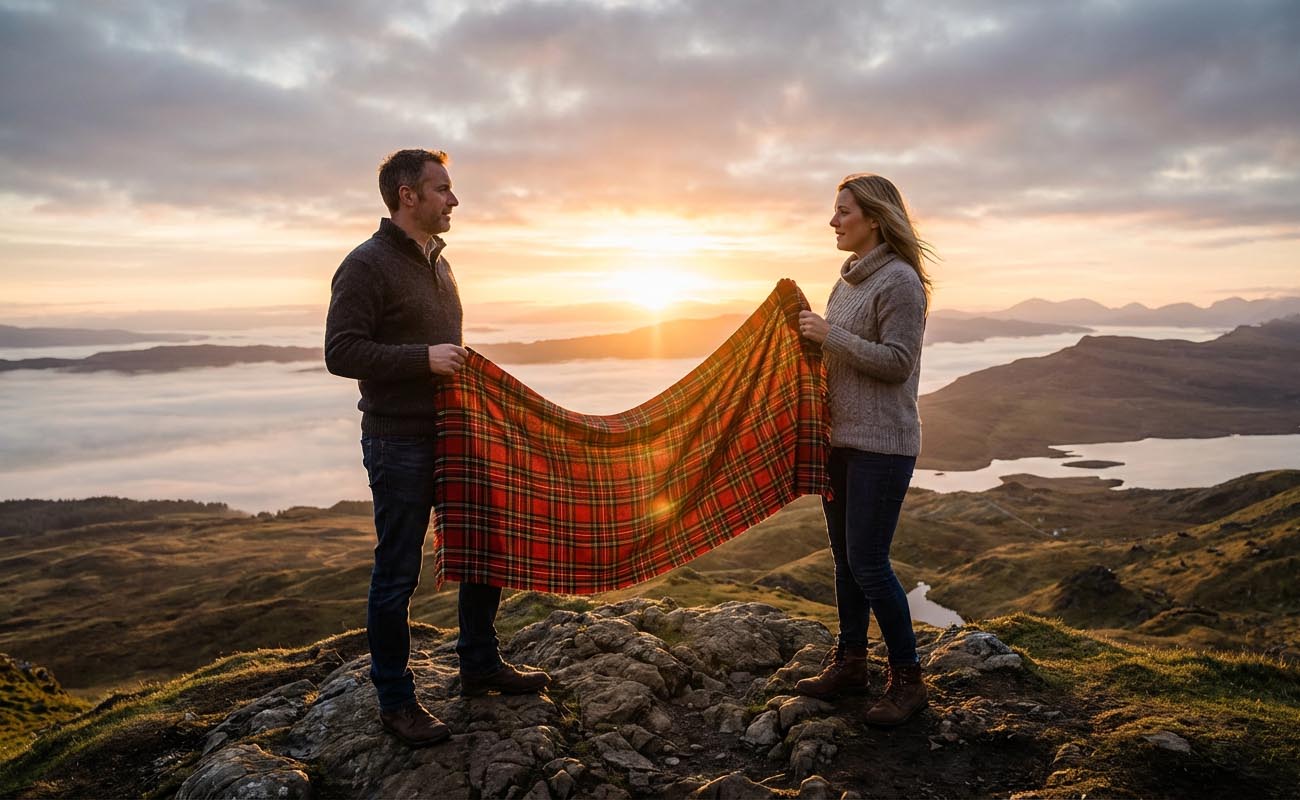
Begin exploring the USA Kilts Tartan Gallery by researching your family surnames and Scottish connections. Take time browsing the extensive collection to familiarize yourself with different pattern styles and color combinations. Contact their customer service team with questions about specific tartans, sizing for kilts, or assistance in locating rare patterns. Their expertise helps navigate the sometimes overwhelming number of options and ensures you make choices you’ll treasure.
Remember that discovering your tartan creates more than just a shopping decision – it opens doors to understanding your heritage, connecting with family history, and participating in centuries-old traditions. Whether you ultimately purchase a full kilt, start with accessories, or simply enjoy learning about your ancestral patterns, the journey itself holds value. The USA Kilts Tartan Gallery provides the resources, selection, and expertise to support you at every step of this meaningful exploration.
Take pride in your heritage by choosing tartans that authentically represent your family story. Order swatches to see fabrics in person, ask questions when uncertain, and select products that fit your lifestyle and budget. Most importantly, enjoy the process of discovering these beautiful patterns and the rich Scottish traditions they represent. Your tartan journey starts with curiosity and research, but it can lead to lasting connections with your heritage and community that extend far beyond fabric and clothing.
Your Tartan Questions Answered – Complete FAQ Guide
Start by researching your family surname and use the USA Kilts Tartan Gallery search tool. If your surname doesn’t show results, check your grandparents’ maiden names or search by the Scottish region where your ancestors lived. DNA testing and genealogy websites can also help confirm your clan connections.
You can wear tartans connected to your ancestry, marriage, or geographic ties. Universal tartans like Royal Stewart are open to everyone regardless of heritage. When uncertain about connections, choose universal or district tartans that honor Scottish culture respectfully without claiming specific clan membership.
Ancient tartans use softer, muted colors that replicate natural plant-based dyes from historical periods. Modern tartans feature brighter, more saturated colors from contemporary chemical dyes. The thread pattern stays identical—only color intensity differs between versions.
Custom weaving typically takes eight to twelve weeks, depending on mill schedules and pattern complexity. This includes design consultation, loom setup, weaving, and finishing. Rush services may be available for additional fees if needed for upcoming events.
USA Kilts Tartan Gallery and Scotland Kilt Collection offer authentic tartans from major Scottish weaving mills. Always order fabric swatches first to verify colors and quality before purchasing expensive items. Look for sellers sourcing from recognized Scottish mills with detailed product information.
Reputable tools like USA Kilts Tartan Gallery search connect to official databases and provide accurate information. However, spelling variations and sept family connections can complicate searches. Cross-reference findings with clan society websites for best results.