
Blog
Beyond the Black Watch: The Ultimate Guide to Campbell Tartans
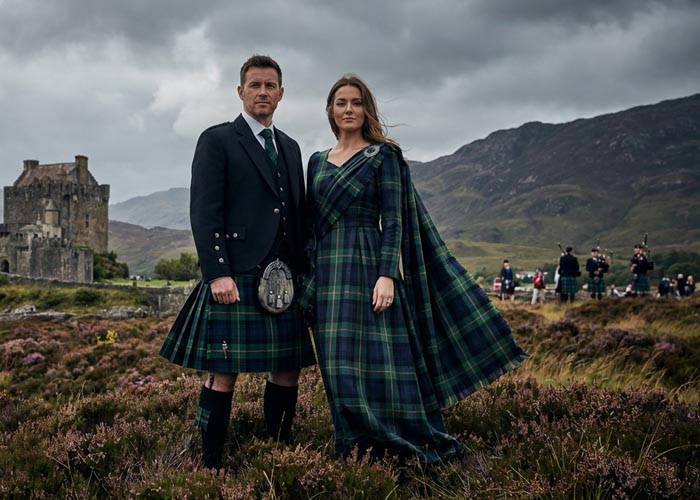
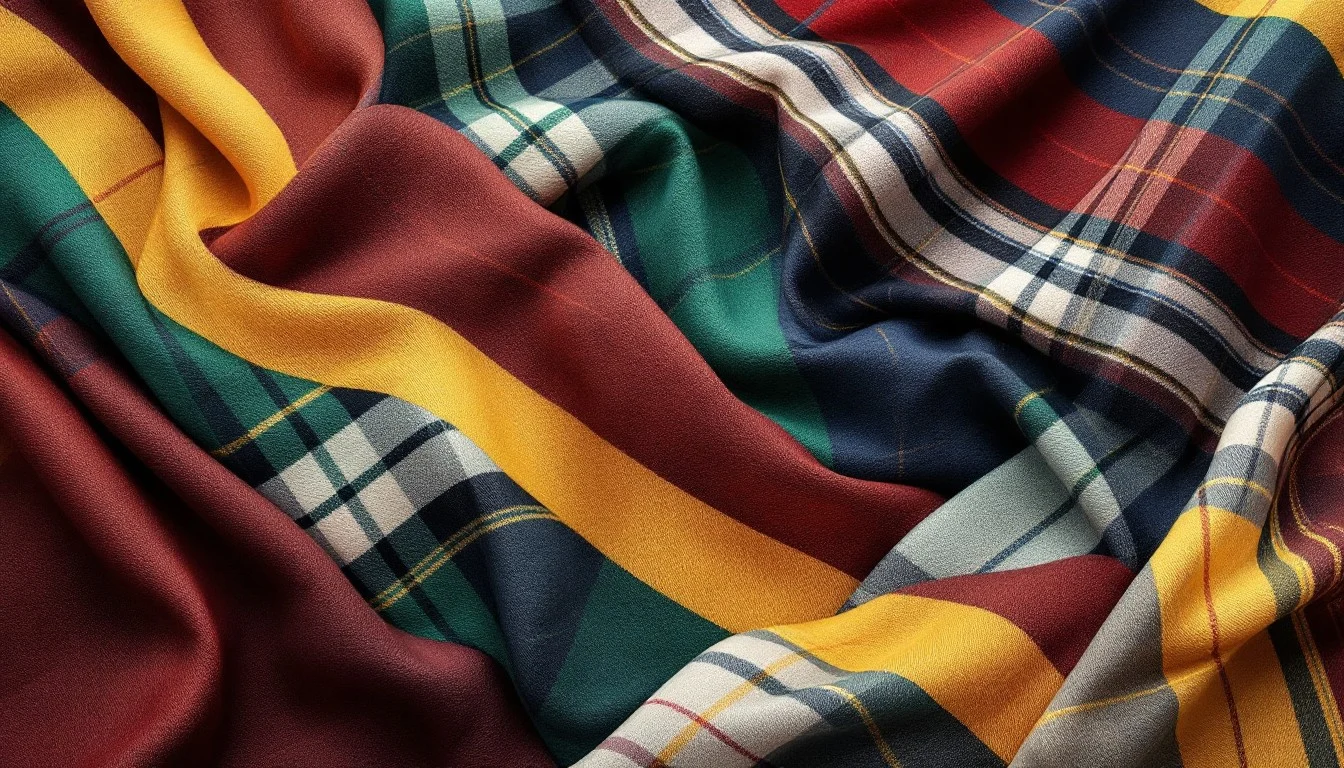
When you spot the distinctive interplay of dark greens and blues in a kilt, you aren’t just looking at a pattern; you are witnessing centuries of Scottish history woven into fabric. The Campbell tartan is one of the most recognizable and historically significant designs in the world, largely due to the clan’s immense power and influence across the Scottish Highlands. For anyone with Scottish roots or an appreciation for textile heritage, understanding the nuances of this plaid offers a fascinating glimpse into the past. Whether you are looking to purchase your first kilt or simply want to learn more about this legendary clan, exploring the Campbell tartan reveals a story of military might, family divergence, and enduring style.
The history of the Campbell tartan is unique because it is inextricably linked to the famous “Black Watch” or Government tartan used by the British military. Unlike other clans that may have had obscure regional patterns, the Campbells were a dominant force that helped patrol the Highlands, meaning their “clan” tartan became the standard uniform for Highland regiments. This connection has made the base design—a dark blue, black, and green set—universally recognized and respected across the globe. Today, the tartan stands as a symbol not just of the Campbell name, but of Scottish identity itself, worn by millions regardless of their specific clan affiliation.
However, the story does not end with just one pattern; over the centuries, the Campbell tartan has branched out just as the family did. From the distinct yellow lines of the Breadalbane branch to the controversial white stripe of the Argyll design, these variations tell specific stories about different family lines and their chiefs. Navigating these differences can be confusing for the uninitiated, especially when trying to determine which version is considered “official” by clan authorities. In this guide, we will unravel the threads of history to help you identify, appreciate, and wear the Campbell tartan with pride and accuracy.
History of the Campbell Clan Tartan

Origins and Early Records
To understand the Campbell tartan, one must look back to the early 18th century and the formation of the independent companies that patrolled the Highlands. These companies eventually coalesced into the famous Black Watch regiment, which was heavily recruited from Clan Campbell territory and led by Campbell officers. Consequently, the regiment’s dark, sombre tartan became synonymous with the clan itself. Early records from weavers like Wilsons of Bannockburn show that what we now call the “Black Watch” was often simply referred to as the “Campbell” tartan in trade logs. This shared history means that, technically, the “Ancient Campbell” and the “Black Watch” are virtually the same set, representing a lineage of military service and authority.
Historical Context
During the 17th and 18th centuries, Clan Campbell was arguably the most powerful group in the West of Scotland, holding vast lands in Argyll and Perthshire. Their political savvy and alliance with the British government allowed them to thrive when other clans faced suppression, influencing how their tartan was perceived. While other tartans were banned following the Jacobite rising of 1745, the Campbell-dominated government regiments continued to wear their kilts legally. This exemption helped cement the blue, black, and green plaid as a symbol of loyalism and order during a chaotic time in Scottish history. It wasn’t merely a fashion statement; it was a uniform that commanded immediate respect—and sometimes fear—throughout the glens.
Evolution Over Time
As the Victorian era ushered in a “tartan craze,” fueled by Queen Victoria’s love for the Highlands, the definition of clan tartans began to rigidify and expand. The original government pattern was no longer enough for the various wealthy and influential branches of the clan who wanted to distinguish themselves from the main line. This period saw the codification of specific “setts” (patterns) for branches like Breadalbane and Cawdor, often recorded in newly published pattern books that sought to map every clan to a specific design. What began as a singular, practical military uniform evolved into a complex family of tartans, each serving as a heraldic badge for the different earldoms and lands held by Campbell nobles.
The Campbell Family Tartan Design

Key Elements and Colors
The foundation of almost all Campbell tartans is the “Government Sett,” known popularly as the Black Watch. This design features a dark, rich palette that was originally intended to offer camouflage in the heather and rocky terrain of the Scottish Highlands. The sett consists of wide bands of blue and green divided by thick black lines, creating a checkered effect that is subtle yet striking. Unlike the bright reds and yellows found in other clan patterns, the Campbell base colors exude a sense of gravitas and solemnity. When weavers create variations for specific branches, they typically superimpose brighter over-stripes on top of this established background to create a new identity without losing the connection to the parent clan.
Traditional vs. Modern Designs
When shopping for a Campbell tartan kilt plaid today, you will often encounter terms like “Ancient,” “Modern,” and “Weathered,” which refer to the dye shades rather than the pattern itself. “Modern” colors are dark and bold, using chemical dyes to achieve deep navy blues and bottle greens that look sharp and formal. “Ancient” colors attempt to replicate the softer, vegetable-based dyes used historically, resulting in lighter blues and grassy greens that feel more rustic and nostalgic. “Weathered” versions take this a step further, mimicking fabric that has been bleached by the sun and rain, offering a muted, brownish-grey aesthetic.
- Modern Colors: Deep navy, dark green, and black; high contrast and formal.
- Ancient Colors: Light blue, grassy green; softer look mimicking natural dyes.
- Weathered Colors: Muted slate blue, fern green, and brown; rustic and aged appearance.
- Reproduction Colors: Authentic shades based on fabric scraps found in battlefields or peat bogs.
- Muted Colors: Desaturated tones that offer a contemporary, low-contrast fashion look.
Different Variations of Campbell Tartans
Campbell of Argyll Tartan
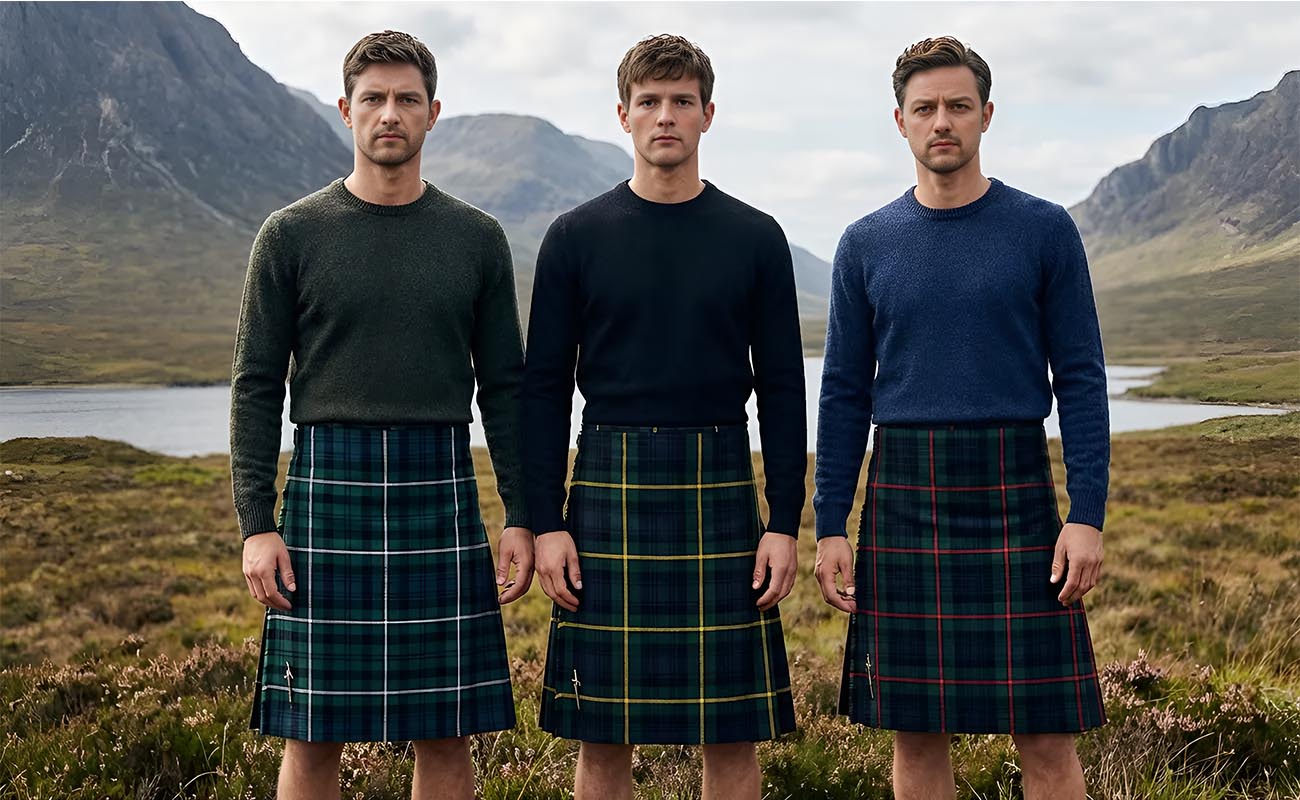
The Campbell of Argyll tartan is perhaps the most controversial design within the family’s collection, largely due to its uncertain official status. It features the standard Black Watch base but adds a prominent white stripe and a yellow stripe to the pattern, brightening the overall look. Historically, this variation is attributed to the 6th Duke of Argyll, who supposedly added the white line to differentiate himself from the rest of the clan. However, subsequent Clan Chiefs have disavowed this pattern, often regarding the addition of the white stripe as a pompous vanity project by their ancestor. Despite this lack of official approval from the Chief, it remains one of the most popular commercially sold tartans for weddings and formal events.
Campbell of Breadalbane Tartan
The Breadalbane branch of the clan, centered around the stunning Loch Tay region, possesses a tartan that is distinct and undeniably striking. This set also utilizes the familiar blue, black, and green background but is distinguished by the inclusion of bright yellow over-stripes. This addition of yellow is said to represent the wealth and status of the Breadalbane branch, who were among the largest landowners in Scotland. It is a bold pattern that stands out vividly against the darker base, making it a favorite for those who want their kilt to pop visually.
- Base Design: Identical to the Black Watch/Government sett.
- Distinctive Feature: Two bold yellow over-stripes running through the green blocks.
- Geographic Origin: Associated with the Campbells of Breadalbane in Perthshire.
- Symbolism: The yellow represents the prosperity and power of this specific branch.
- Availability: Widely recognized and available in both Ancient and Modern palettes.
Campbell of Cawdor Tartan
The Campbell of Cawdor tartan is visually distinct from the other variations because it incorporates a brighter mix of colors, including red. While it retains the structural logic of the clan’s tartan, the Cawdor sett includes a red line and a light blue azure line that sets it apart from the sombre Government tones. This pattern is linked to the Campbells of Cawdor, whose seat is the romantic Cawdor Castle, famously associated with Shakespeare’s Macbeth. It is a vibrant and cheerful tartan, often chosen by those who want to honor the specific lineage of the Nairnshire branch of the family.
Campbell of Loudoun Tartan
The Campbell of Loudoun tartan is considered one of the rarer variations and is officially recognized by the Clan Chief. Like the Breadalbane, it is built upon the standard blue and green sett but features white and yellow over-stripes. The history of this design is somewhat complex, with different weavers producing slightly different versions over the 19th century. However, the accepted sett today is a sophisticated pattern that balances the dark background with the dual-color over-check. It represents the Ayrshire branch of the clan and is a fantastic choice for those looking for a unique but historically grounded tartan.
Clan Campbell Tartan Kilt
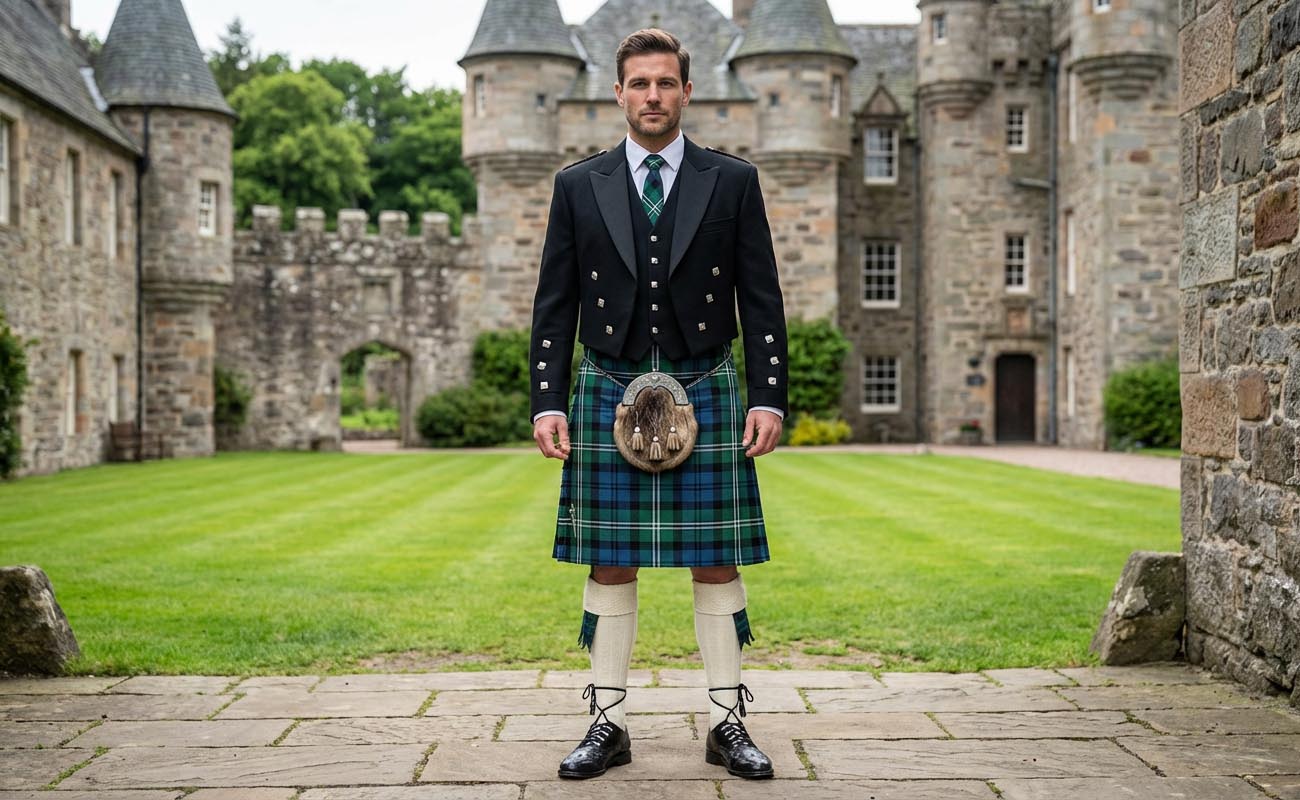
The kilt is the most iconic way to wear the Campbell tartan, serving as a garment of national pride and personal heritage. A traditional Campbell kilt is made from worsted wool, usually weighing between 13oz and 16oz, which ensures the pleats hang correctly and swing with the wearer’s movement. For formal occasions, the kilt is typically paired with a Prince Charlie jacket and waistcoat, while a tweed Argyll jacket is favored for day events or Highland games. Because the Campbell tartans are so dark and rich, they pair exceptionally well with black leather accessories and silver sporran cantles, creating a sharp, cohesive look.
The Cultural Significance of Campbell Tartans
Role in Ceremonies and Festivals
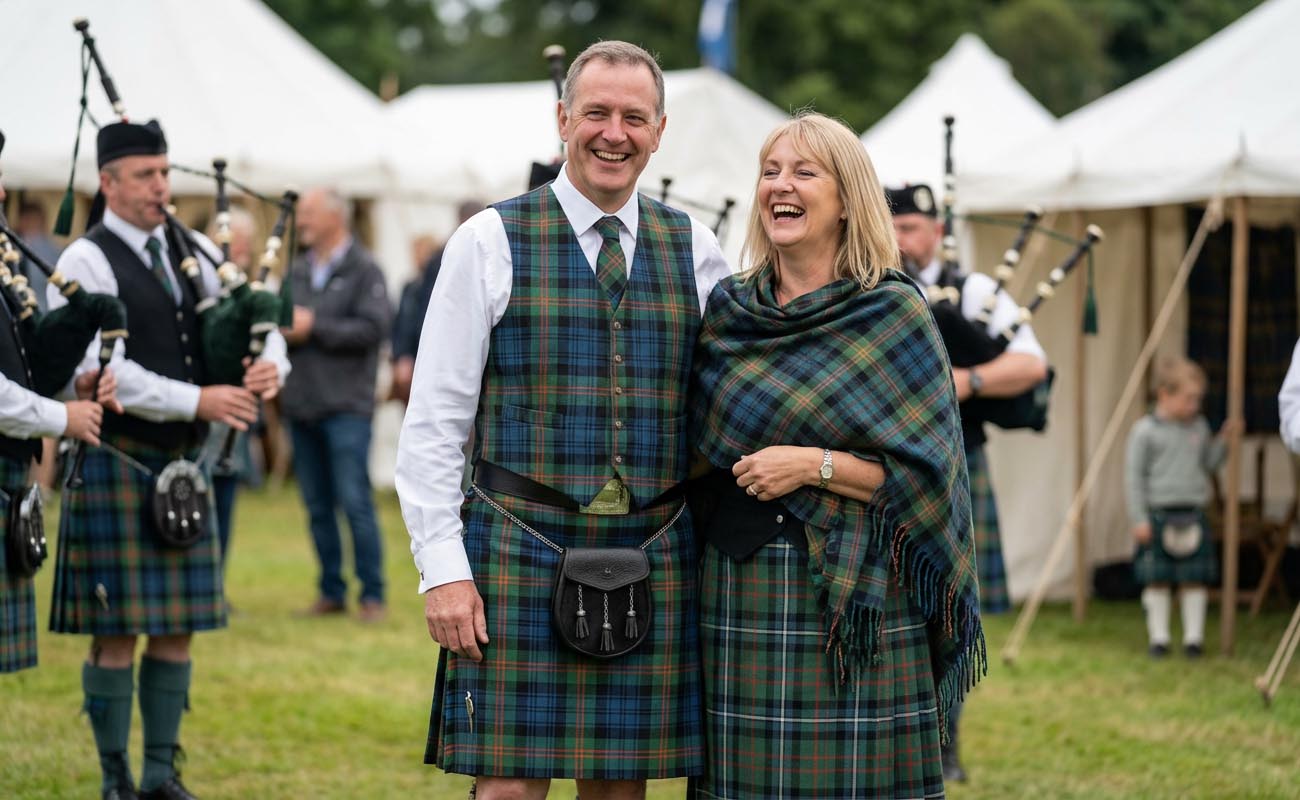
Tartans play a central role in Scottish cultural life, serving as a uniform for everything from weddings to the solemnity of Remembrance Day. For Campbells, the tartan is a unifying symbol displayed prominently at gatherings like the Inveraray Games, held annually near the Chief’s castle. During these festivals, the distinct variations of the tartan help knowledgeable observers identify which part of the region a wearer might hail from. The “Kirkin’ o’ the Tartan” ceremonies, held in churches across Scotland and North America, also see the Campbell plaid blessed, reinforcing the spiritual connection between the cloth and the family’s faith and history.
Modern Adaptations in Fashion
Beyond traditional dress, the Campbell tartan has found a permanent home in modern fashion and punk aesthetics. The classic blue and green check is essentially the “plaid” that many people recognize in flannel shirts, skirts, and scarves sold by major fashion retailers. High-fashion designers like Vivienne Westwood and Alexander McQueen have frequently utilized tartan in their runway collections to evoke rebellion or heritage. The Campbell patterns, particularly the darker Black Watch variants, are versatile enough to be worn as trousers or blazers, proving that this centuries-old design is timeless enough for the modern wardrobe.
Campbell Clan in Scotland
Geographic Influence and Historical Sites
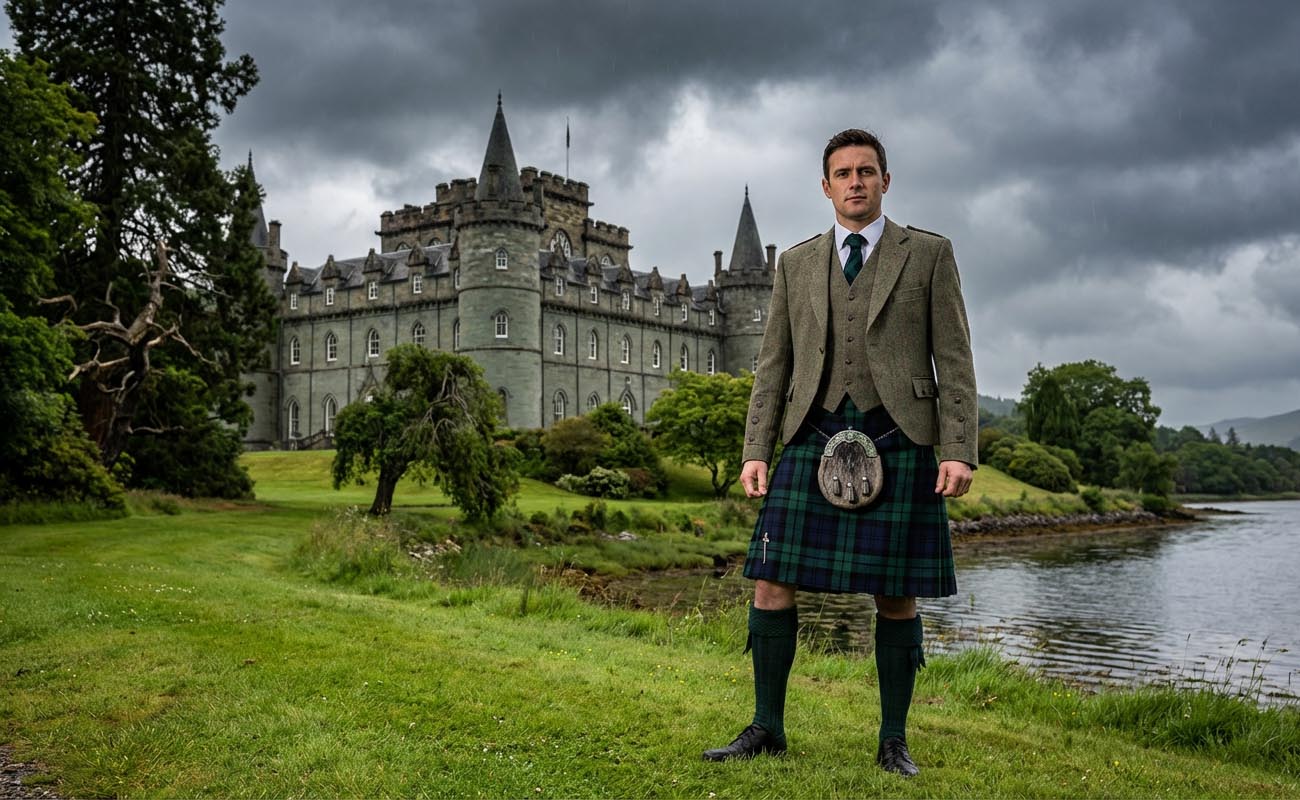
To truly appreciate the Campbell tartan, one must understand the geography of Argyll, a rugged region of sea lochs and mountains that the clan ruled for centuries. Inveraray Castle, the ancestral seat of the Duke of Argyll, stands as a testament to this power and is a must-visit location for anyone wearing the clan colors. Inside, visitors can see portraits of past chiefs wearing early versions of the tartan, providing a direct visual link to the past. Further north, Cawdor Castle offers a glimpse into the lives of that specific branch, grounding the vibrant Cawdor tartan in physical stone and mortar history.
Conclusion
The Campbell tartan kilt plaid is far more than a checkered fabric; it is a wearable archive of Scottish dominance, military service, and family evolution. From the universal recognition of the Black Watch to the specific yellow stripes of the Breadalbane, each variation offers a different entry point into the clan’s storied past. Whether you choose the officially recognized patterns or the popular Argyll design, wearing this tartan connects you to a lineage that has shaped the Highlands for hundreds of years.
Campbell Tartan FAQs: Everything You Need to Know
Yes, the Black Watch tartan is historically linked to Clan Campbell. It was used by government regiments raised in Campbell territory, which is why it’s often considered the original or “parent” Campbell tartan.
Campbell of Argyll includes additional white and yellow stripes over the traditional dark base, while Breadalbane tartan is known for its bold yellow over-stripes that stand out clearly against the green and blue background.
Yes, today tartans are worn by anyone who appreciates Scottish heritage. While people with Campbell ancestry may feel a stronger connection, there are no strict modern restrictions on wearing the tartan.
These terms describe dye shades, not different patterns. Modern colors are darker and richer, while Ancient colors are lighter and softer, inspired by natural vegetable dyes used in earlier centuries.