

Blog
Ten Interesting Facts About Robert Burns You Should Know
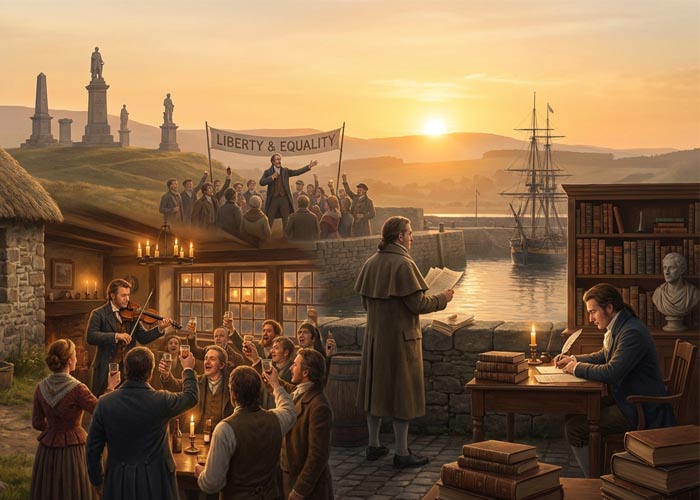
Scotland’s beloved national poet, Robert Burns, remains one of the most influential literary figures more than two centuries after his death. His poetry captures the essence of human emotion, Scottish culture, and timeless wisdom that resonates with readers worldwide. Whether you’re celebrating Burns Night, discovering his work for the first time, or deepening your appreciation for Scottish literature, these fascinating facts reveal the remarkable life behind the legendary verses. From his humble farming roots to his lasting impact on modern pop culture, Burns story is as captivating as his poetry.
1. The Humble Origins of Scotland’s National Bard
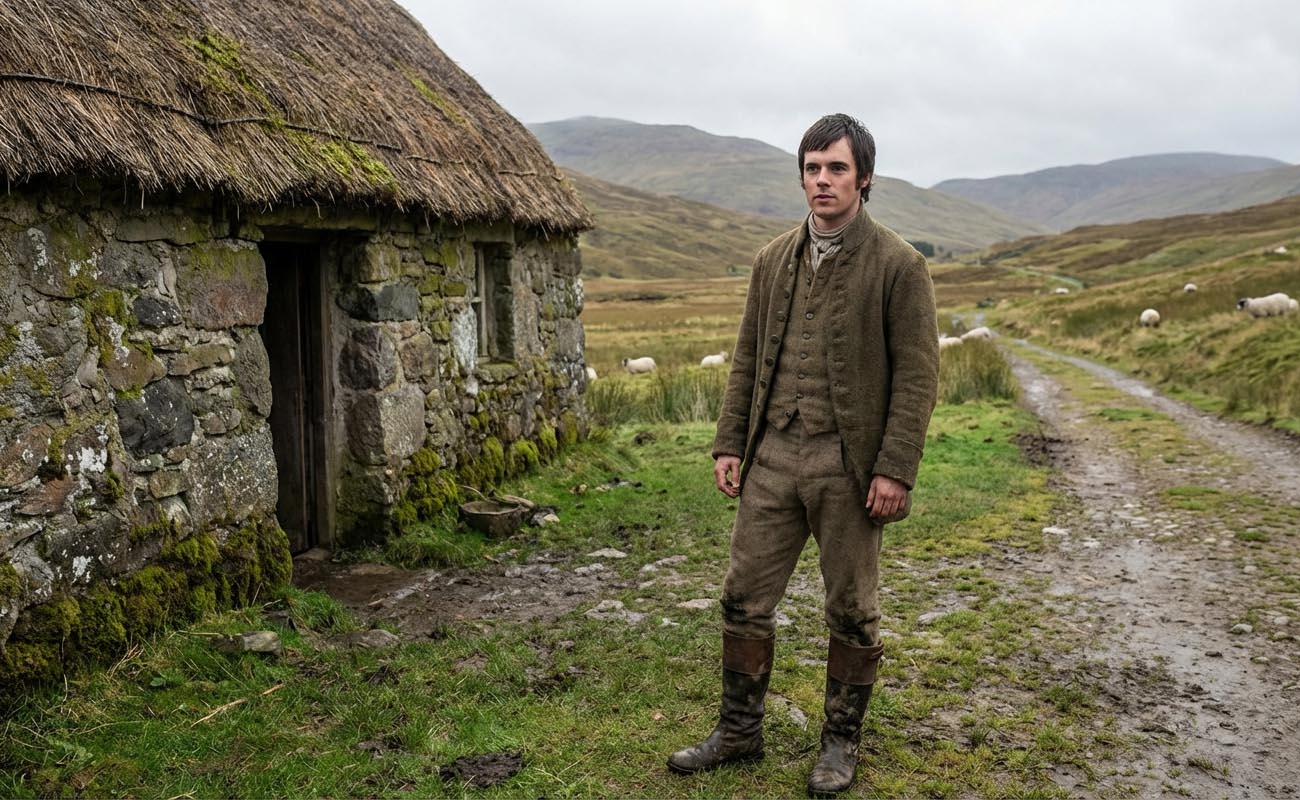
Born on January 25, 1759, in a modest cottage in Alloway, Ayrshire, Robert Burns entered the world in circumstances far removed from literary fame. His father, William Burnes, worked as a tenant farmer, constantly battling harsh weather and financial hardship to feed his large family of seven children. Despite their poverty, William believed deeply in the transformative power of education and ensured all his children could read and write. Young Robert showed exceptional intellect, reading works by Shakespeare, Milton, and other literary masters before reaching his teenage years. The backbreaking labor of farm life left an indelible mark on his worldview, cultivating deep empathy for working people that would later define his poetry. His firsthand experience of poverty, social injustice, and the dignity of manual labor informed his most powerful verses about equality and human worth.
2. “Auld Lang Syne” – The World’s Most Famous Song
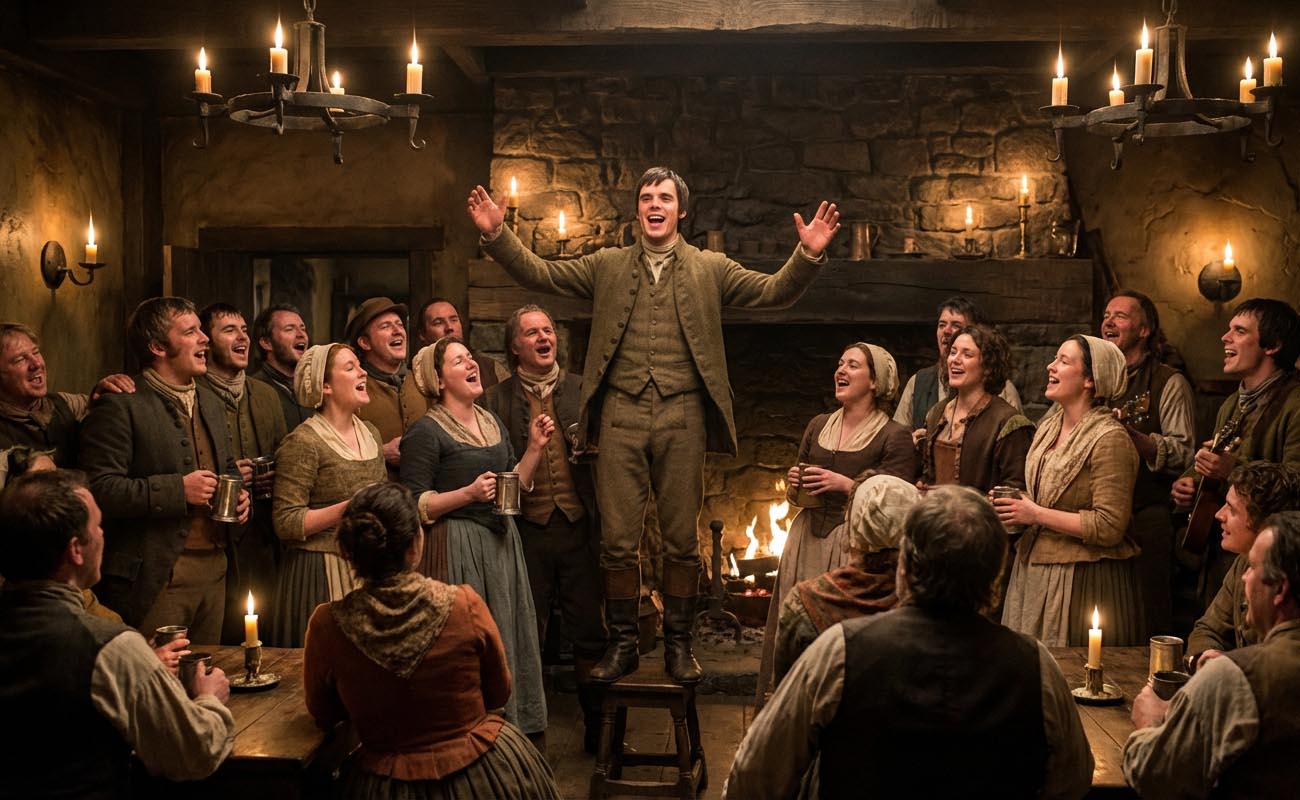
Every New Year’s Eve, millions of people across the globe sing without realizing they’re performing the work of Scotland’s national poet. Burns wrote “Auld Lang Syne” by collecting and adapting traditional Scottish folk melodies and verses into the version we know today. The Guinness Book of World Records recognizes it as one of the three most popular songs in the English language, alongside “Happy Birthday” and “For He’s a Jolly Good Fellow.” The song has appeared in over 170 Hollywood films, including beloved classics like “It’s a Wonderful Life” and “When Harry Met Sally.” Its universal message about friendship, memories, and the passage of time transcends cultural boundaries, making it perhaps the most widely sung song in human history. Burns collected nearly 100 songs and melodies during his lifetime, preserving Scottish musical heritage that might otherwise have been lost to history.
3. A Poet Who Almost Became a Jamaica Plantation Bookkeeper
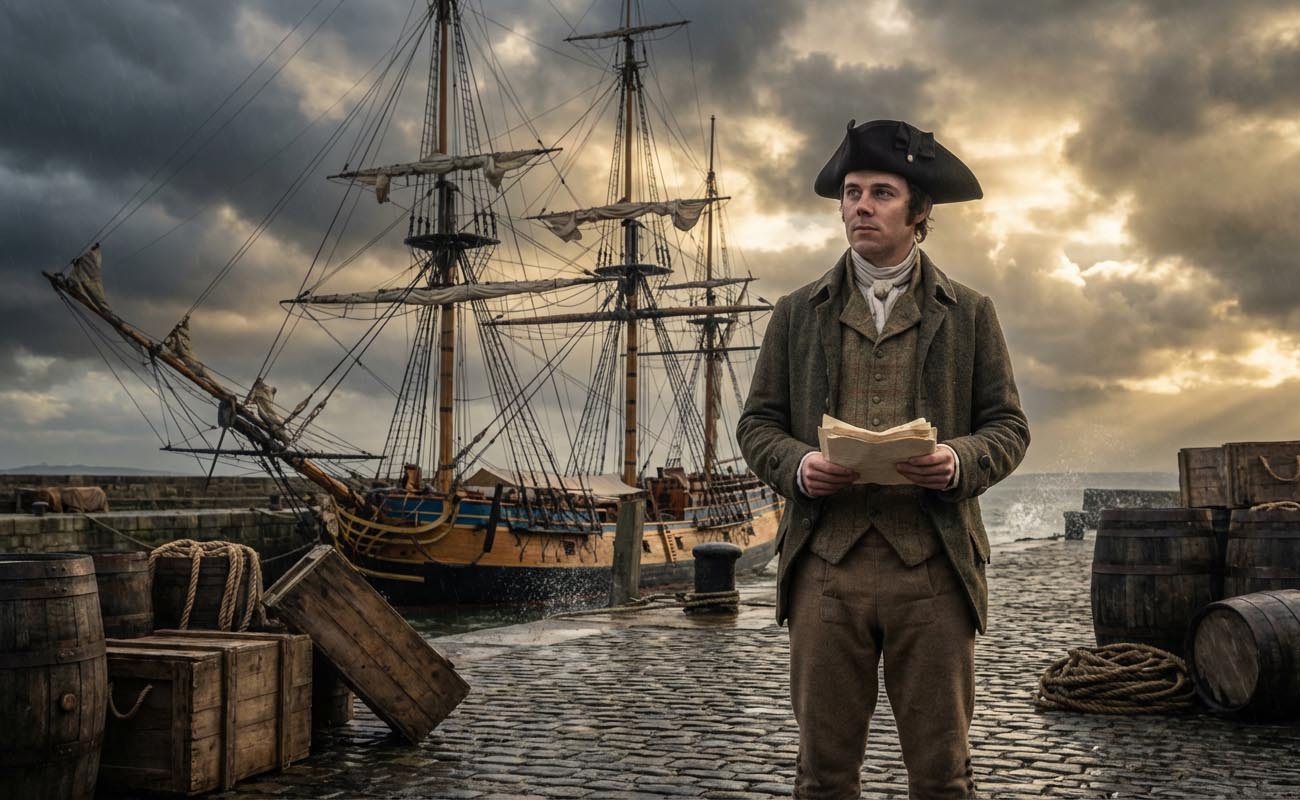
Before achieving literary fame, Burns faced a crossroads that could have completely altered history. In 1786, financially desperate and romantically entangled, he accepted a job offer to work as a bookkeeper on a slave plantation in Jamaica. He had booked passage on a ship and was prepared to leave Scotland forever, abandoning his poetic ambitions. However, fate intervened when his first major poetry collection, “Poems, Chiefly in the Scottish Dialect” (also known as the Kilmarnock Volume), became an unexpected sensation. The book’s success convinced him to cancel his Jamaica plans and move to Edinburgh instead, where he became a celebrated figure in literary circles. Ironically, Burns later became an outspoken advocate against slavery, using his poetry to champion equality and human rights. This near-miss with destiny demonstrates how easily the world might have lost one of its greatest poets.
4. Burns Night – A Global Celebration of Scottish Heritage

Every January 25th, people worldwide gather to celebrate Burns Night, one of Scotland’s most cherished cultural traditions. The first Burns Supper took place on July 21, 1801, marking the fifth anniversary of the poet’s death, when nine of his close friends met at Burns Cottage in Alloway. They enjoyed a meal, toasted his memory, and established traditions that continue today. Modern Burns Suppers follow a specific format that includes serving haggis (Scotland’s national dish), “neeps and tatties” (turnips and potatoes), and reciting Burns’ famous “Address to a Haggis” before the meal. The evening features poetry readings, traditional Scottish music, whisky toasts, and the “Immortal Memory” speech honoring Burns’ legacy. From New York to Tokyo, from Moscow to Melbourne, these celebrations bring together Scots and admirers of Scottish culture to honor a poet who spoke to universal human experiences.
5. More Statues Than Almost Anyone in History
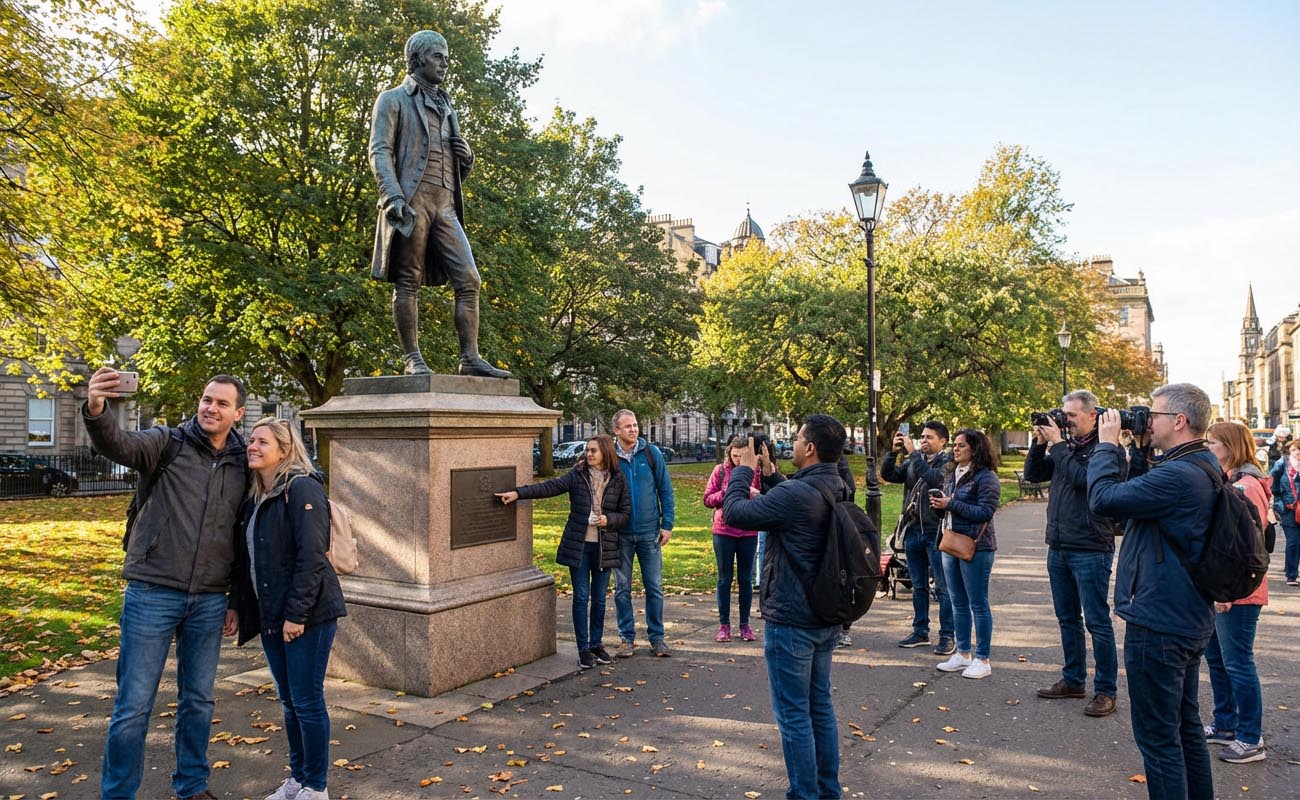
Global Recognition Through Monuments:
- Over 50 statues and memorials dedicated to Burns exist worldwide
- Ranks third globally for non-religious figures, after Queen Victoria and Christopher Columbus
- Scotland alone contains approximately 20 official Burns memorials
- Statues stand in locations as diverse as New Zealand, Canada, the United States, and Australia
- Atlanta, Georgia, features a full-sized replica of Burns’ birth cottage, built in 1911
- The oldest Burns statue stands in Camperdown, Australia, carved in 1830
This extraordinary number of memorials demonstrates Burns’s universal appeal and enduring cultural significance. His ability to speak across centuries, languages, and cultures through poetry about love, nature, equality, and human dignity has earned him recognition that few literary figures achieve. The fact that communities worldwide have chosen to honor him with permanent monuments speaks volumes about his impact on global consciousness.
6. A Complicated Love Life With 12 Children
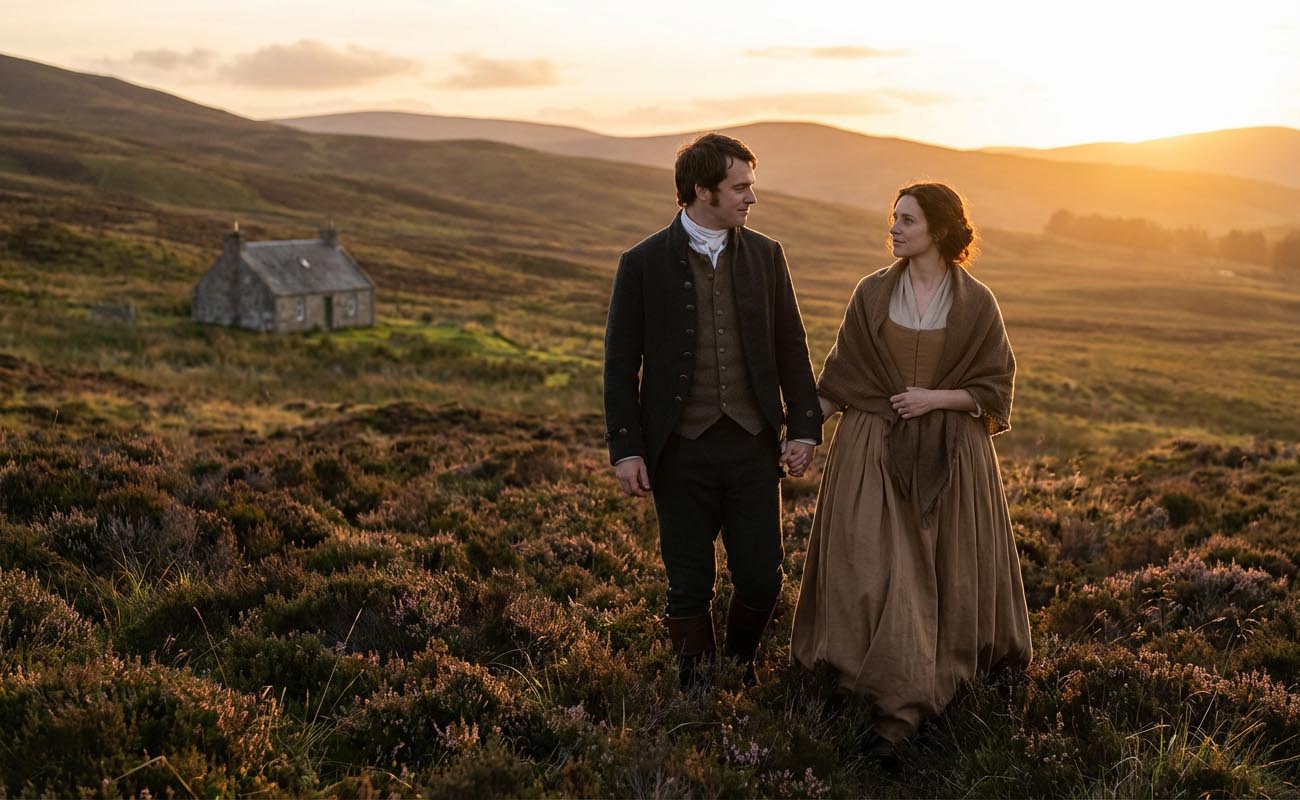
Burns’ personal life was as passionate and complex as his romantic poetry suggests. He fathered at least twelve children with four different women during his relatively short lifetime. His first child was born to Elizabeth Paton, his mother’s servant, causing considerable scandal in their small community. He eventually married Jean Armour after a turbulent courtship that included her father’s initial rejection and Burns’ attempt to emigrate. Jean bore nine of his children, though tragically only three survived infancy during an era of high child mortality. Burns also had relationships with other women, including Mary Campbell, whom he immortalized as “Highland Mary” in tender verses. His youngest son, Maxwell, was born on the very day of Burns’ funeral, a poignant detail that adds to the tragedy of his early death. These complex relationships provided rich material for love poetry that captures both the ecstasy and anguish of romantic passion.
7. Revolutionary Politics and Progressive Ideas
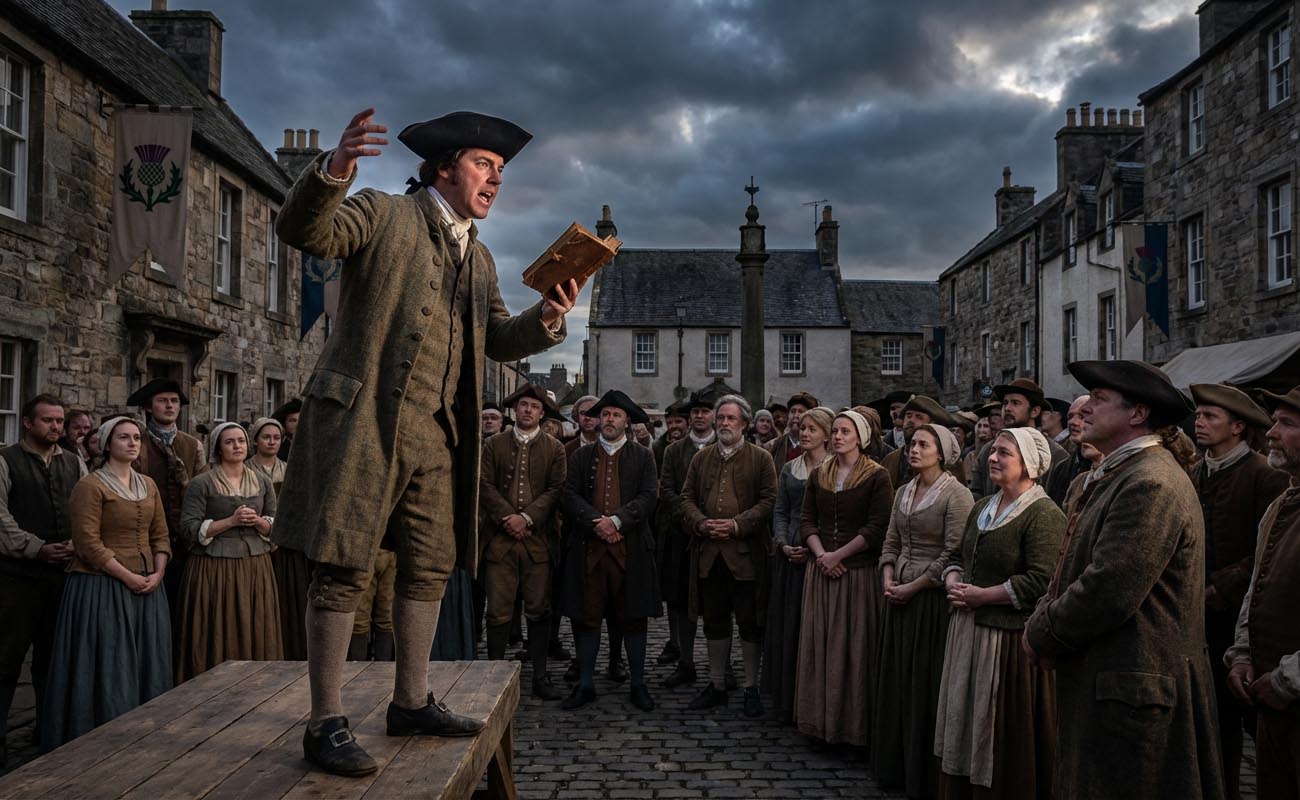
Burns lived during one of history’s most tumultuous periods, coinciding with the French Revolution from 1789 to 1799. Unlike many of his contemporaries who feared revolutionary change, Burns openly supported radical ideas about liberty, equality, and human rights. He advocated for the abolishment of the constitutional monarchy, championed the Declaration of Human Rights, and wrote passionately about social reform. His poem “Is There For Honest Poverty” (also known as “A Man’s a Man for a’ That”) expresses powerful ideas about human equality regardless of wealth or social status. This work was chosen to open Scotland’s new Parliament in 1999 because its themes remain relevant centuries later. Burns challenged rigid class hierarchies, defended the dignity of working people, and used his poetry as a vehicle for progressive social commentary. His political views were considered dangerously radical at the time, yet they helped inspire movements for liberalism, socialism, and workers’ rights that shaped modern democratic societies.
8. Literary Influence That Shaped Famous Books
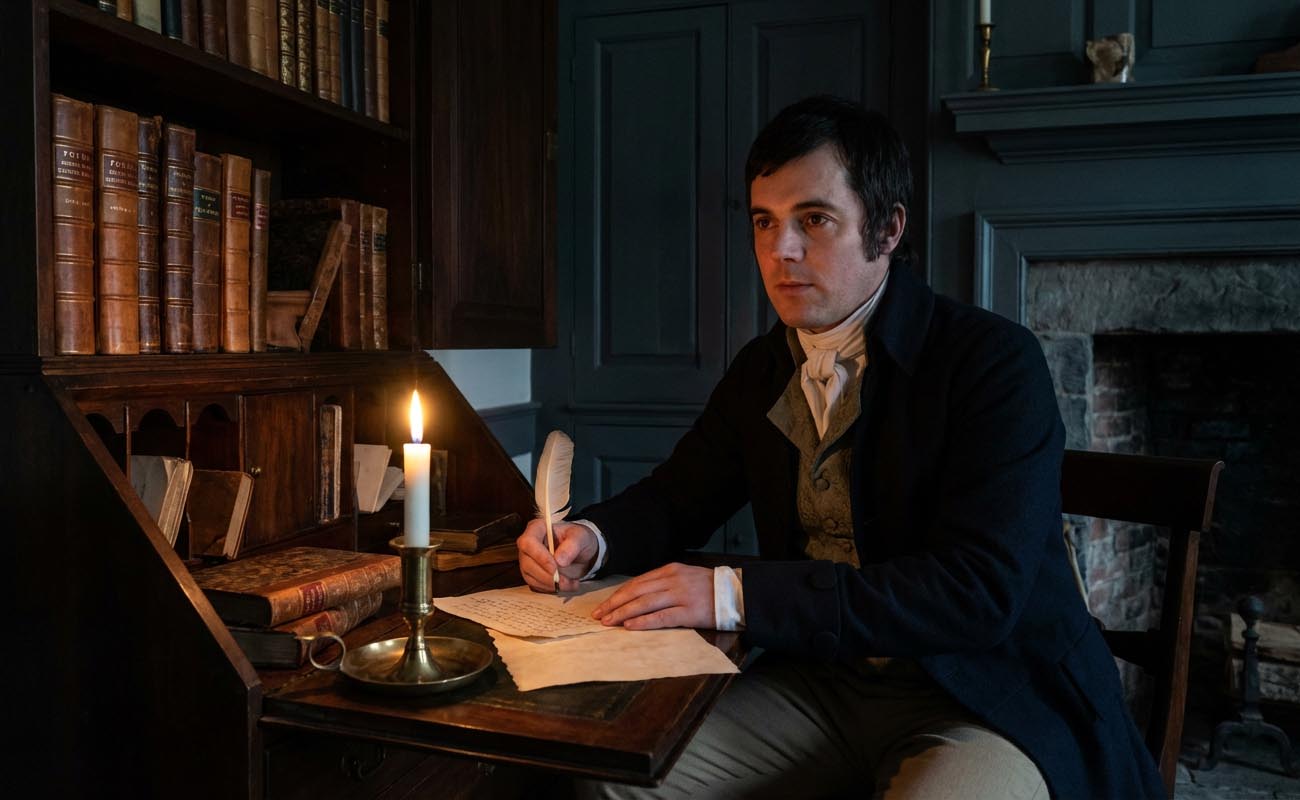
Burns’ poetry has inspired countless writers, but few realize how directly his work influenced some of literature’s most famous titles. J.D. Salinger borrowed the title for his iconic 1951 novel “The Catcher in the Rye” from Burns’ poem “Comin’ Thro’ the Rye,” which explores themes of innocence and protection that resonate throughout Salinger’s work. John Steinbeck’s 1937 masterpiece “Of Mice and Men” takes its title from Burns’ poem “To a Mouse,” specifically the line about how plans often go awry. This poem, written after Burns accidentally destroyed a mouse’s nest while plowing, reflects on vulnerability, broken dreams, and the unpredictability of life. American President Abraham Lincoln maintained a lifelong admiration for Burns’ poetry, with historians suggesting these verses influenced Lincoln’s views on equality and helped shape his resolve to abolish slavery. Modern musicians have also drawn inspiration, with Bob Dylan citing Burns’ “A Red, Red Rose” as his single greatest influence.
9. Pop Culture Icon From Space to Coca-Cola
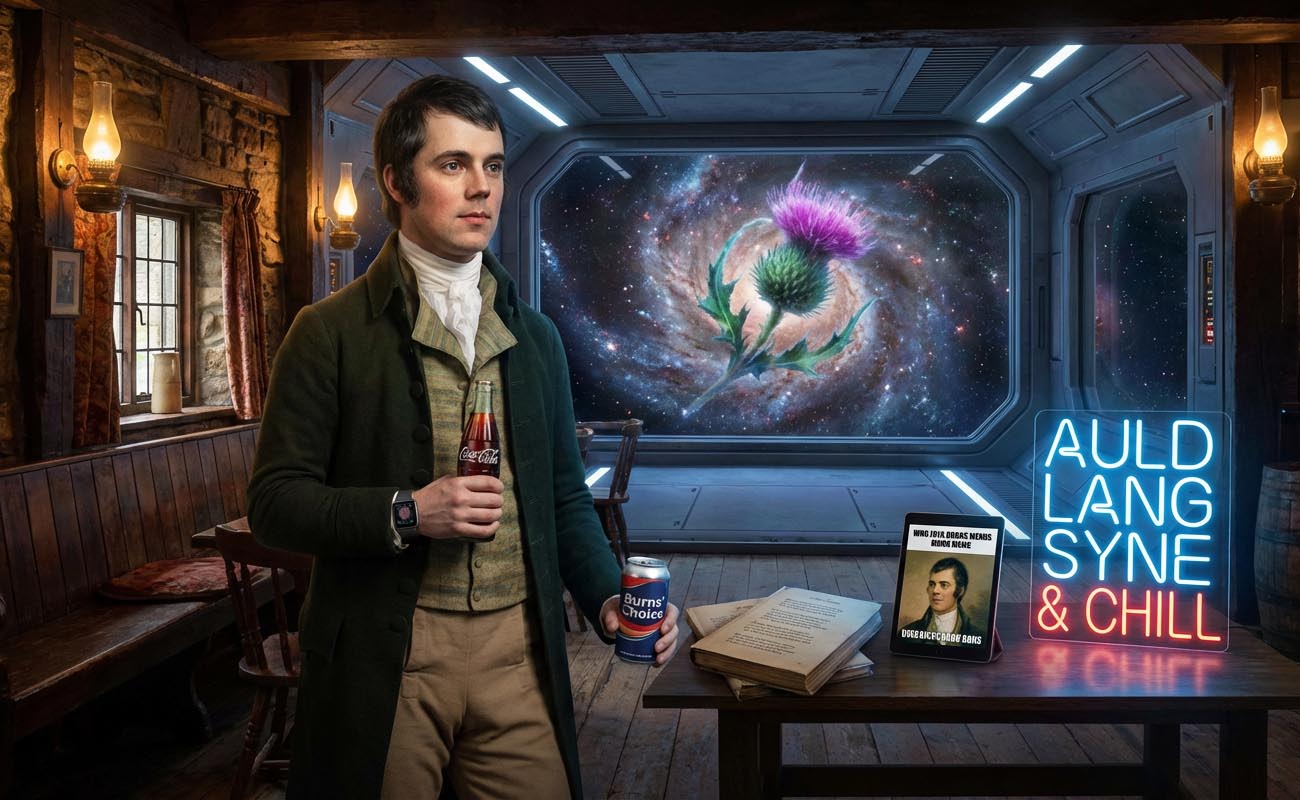
Burns in Modern Popular Culture:
- First person ever to appear on a commemorative Coca-Cola bottle (2009)
- Michael Jackson’s “Thriller” was reportedly inspired by Burns’ poem “Tam o’ Shanter.”
- Astronaut Nicholas Patrick carried Burns’ poetry into space during a 2010 mission
- Burns’ poetry traveled 5.7 million miles across 217 orbits of Earth
- His work appears in hundreds of films and TV shows
- Voted “The Greatest Scot” in 2009, beating William Wallace and Robert the Bruce
Burns’ remarkable journey from an 18th-century farmer’s son to a pop culture icon demonstrates the timeless quality of his work. The fact that his poetry resonates in space missions, music videos, and global marketing campaigns shows how his exploration of universal human experiences transcends time and medium.
10. A Brief Life Cut Tragically Short
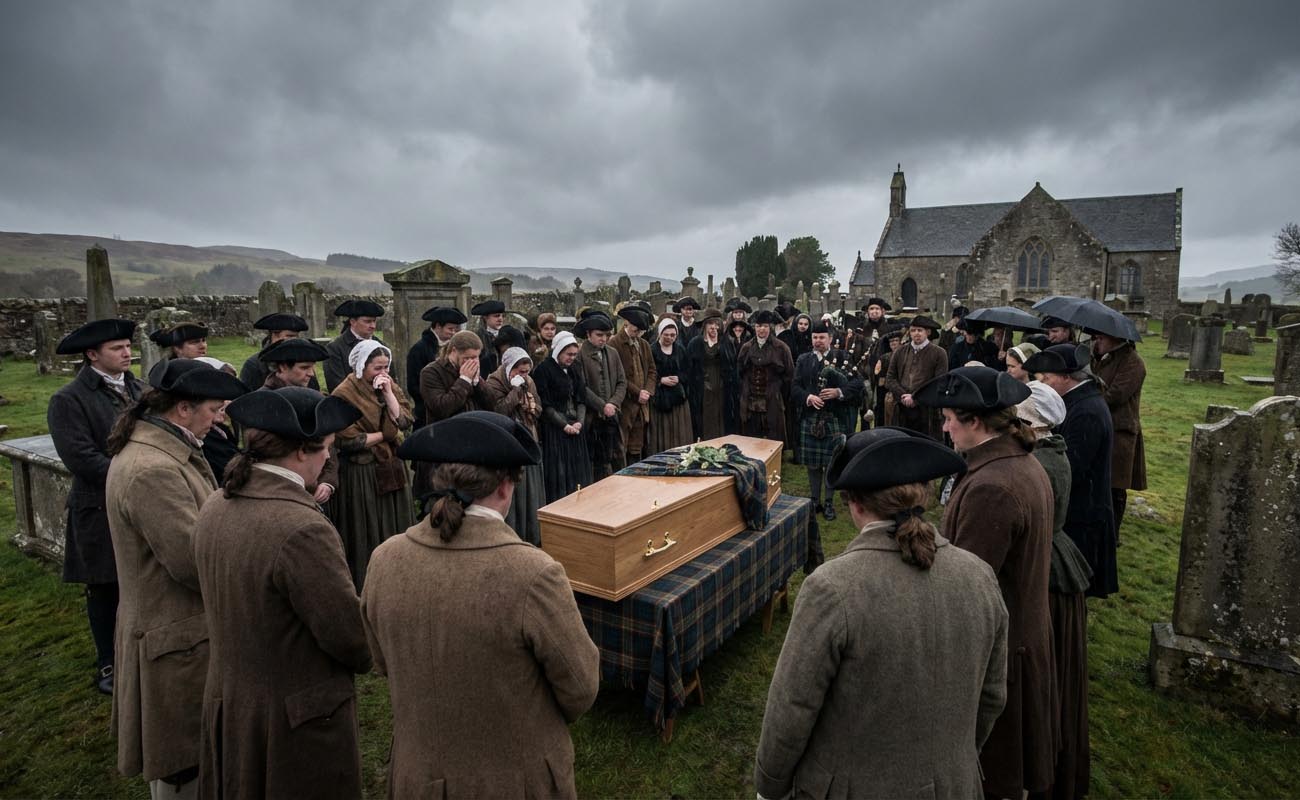
Robert Burns died on July 21, 1796, at the shockingly young age of 37, likely from rheumatic fever complicated by years of physically demanding farm work. Despite becoming Scotland’s most celebrated poet, he died nearly penniless, having struggled financially throughout his life. His career as an excise officer provided a steady income, but supporting multiple children and maintaining his generous, convivial lifestyle left him in debt. Burns composed over 716 works during his brief lifetime, including poems, songs, and collected folk melodies, creating an astonishing body of work given his limited years. He wrote his first poem at age 15 to impress a girl named Nellie, demonstrating early talent that would flourish into genius. The Mitchell Library in Glasgow houses the world’s largest Burns collection, including translations of his work into more than 30 languages. Burns received full military honors at his funeral as a member of the local volunteer militia, with thousands attending to mourn Scotland’s beloved bard.
The Enduring Legacy of Robert Burns

Robert Burns achieved what few poets ever accomplish: creating work that speaks to both the highly educated and common people, that translates across cultures, and that remains vibrantly alive centuries after his death. His use of Scots dialect preserved linguistic heritage while making poetry accessible to ordinary readers. He challenged social hierarchies, celebrated nature, explored love’s complexities, and defended human dignity with verse that combined technical skill with genuine emotion. Burns understood that the most profound truths often emerge from simple and honest observations of everyday life.
Today, Burns’ influence extends far beyond Scotland’s borders. His birthday celebration has become a global phenomenon; his songs are sung by millions who may not know his name, and his poetry continues to inspire new generations of writers, musicians, and artists. The New Zealand town of Mosgiel bears the name of his Ayrshire farm, while Tommy Hilfiger claims descent from the poet’s family. Burns’ work reminds us that great literature doesn’t require aristocratic origins or elite education; it requires keen observation, genuine feeling, and the courage to speak truth about the human condition.
Whether you’re exploring his passionate love poems, his witty social commentary, his celebration of friendship, or his reverence for nature, Burns offers something meaningful. His life story proves that the circumstances of birth need not limit one’s impact on the world. From a small cottage in Ayrshire to monuments on six continents, from manuscripts to space missions, Robert Burns’ journey embodies the power of words to transcend boundaries and touch human hearts across time and distance.
FAQs About Robert Burns
Robert Burns was Scotland’s national poet, born in 1759 in Ayrshire. He wrote famous works like “Auld Lang Syne” and is celebrated worldwide for his poetry about love, nature, and equality.
Burns Night is celebrated every year on January 25th, marking Robert Burns’ birthday. People gather for Burns Suppers featuring haggis, poetry readings, and traditional Scottish music.
Burns is most famous for writing “Auld Lang Syne,” sung globally on New Year’s Eve. He’s also known for poems like “To a Mouse” and “A Red, Red Rose.”
Robert Burns died on July 21, 1796, at age 37 from rheumatic fever. Years of hard farm work and poor health contributed to his early death.
Burns captured Scottish culture, language, and spirit in his poetry while championing universal themes of equality and human dignity. His work preserved the Scots dialect and celebrated the common people.
“Auld Lang Syne” means “old long since” or “days gone by” in Scots. The song celebrates old friendships and cherished memories.